Feeds:
Posts
Comments

Archive for the ‘Writing’ Category


Poetry Friday round-up is with Jone this week at Check it Out!

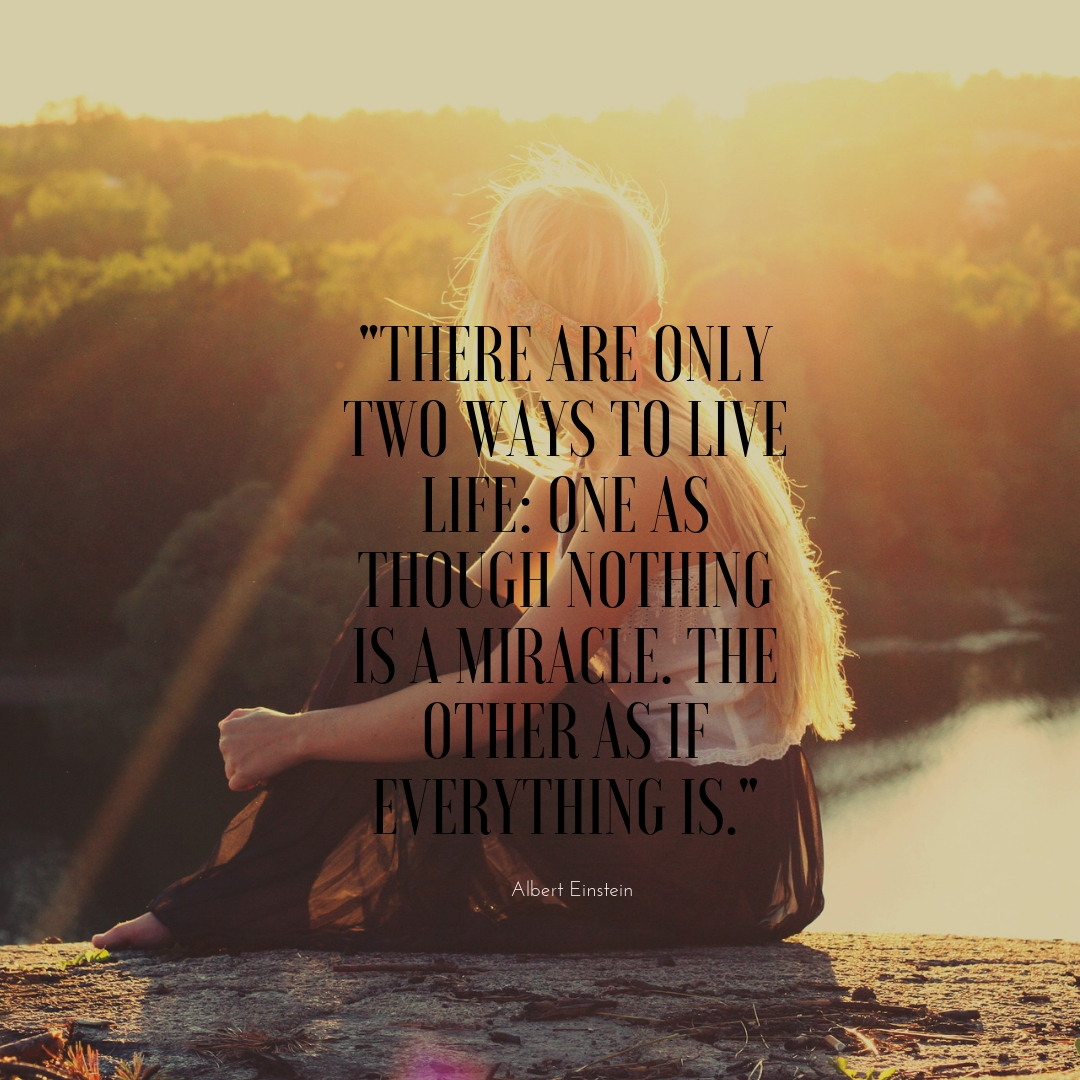
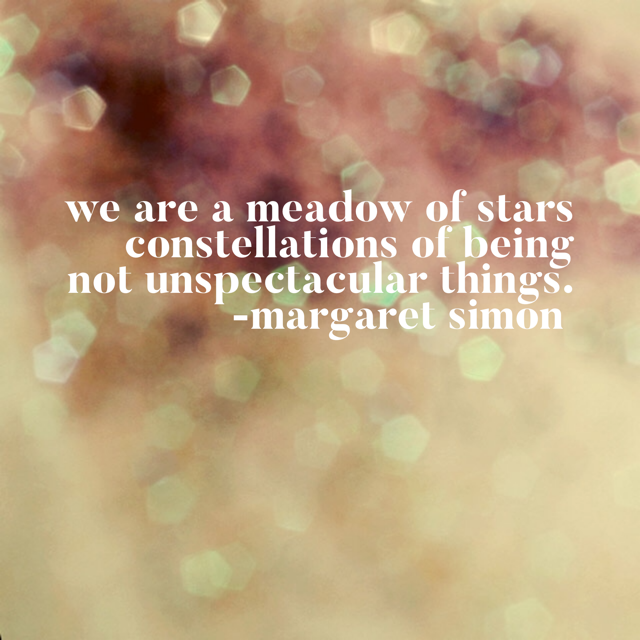
I read the above quote in a post from Smack Dab in the Middle. (Image made in Canva) If you are a writer, take a minute to read the post. Darlene Jacobson wrote, “For me, and I suspect for many of us who write for children, EVERYTHING is a miracle.”

I write with children, not just for children, and feel that every time we write together, a miracle happens.  Lately I have been writing skinny poems, multiple skinnies a day.  I’ve gotten into the rhythm.  Starting with a simple line leading to single words is a quick and inspirational way to write.  Like haiku, a skinny poem is a short form, but unlike haiku that focuses on a single moment, a skinny can focus on a single thought or idea. (See more about the form on my PF post last week.)

Taking inspiration from the above quote, I wrote the following:

Everything is a miracle
touched
by
God’s
hand
touched
by
my
holiness
touched
by a miracle is everything.

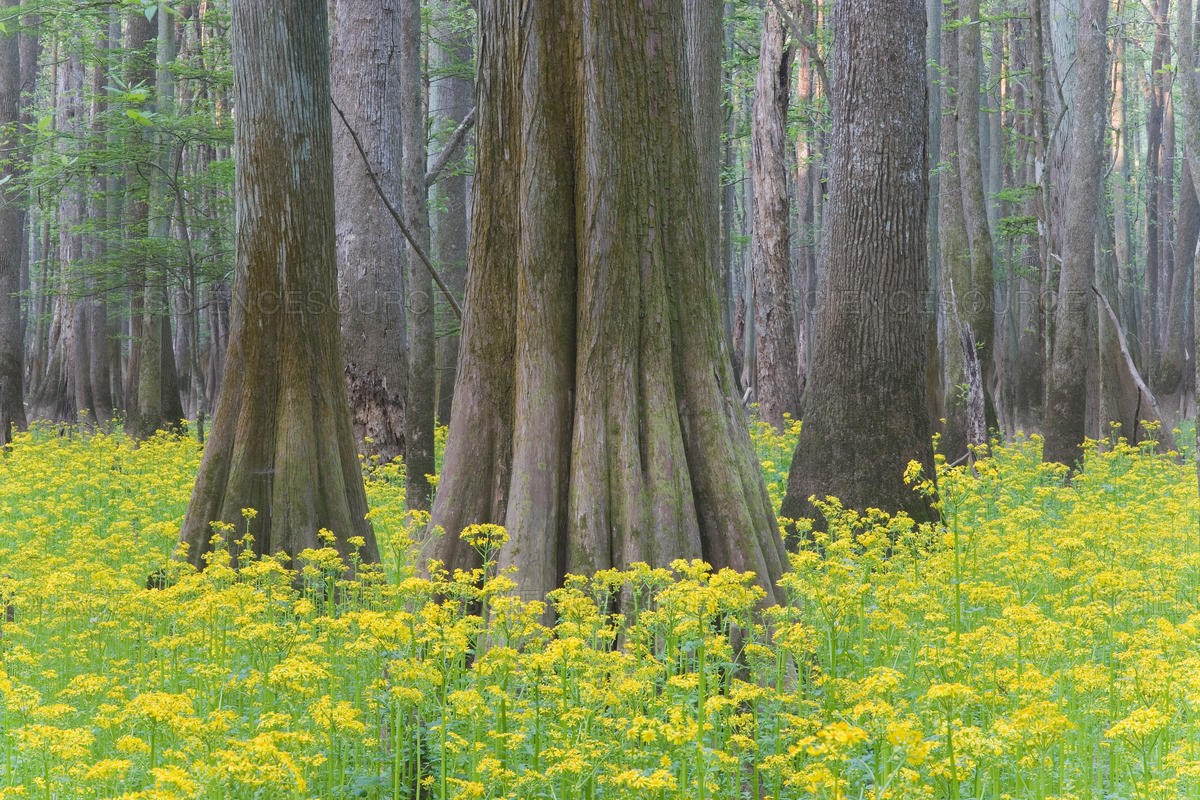
Today, after a stormy day yesterday, the sky is clear and the sun is shining, a daily miracle.  There are fields of butterweed blooming.

CREDIT:Jeff Lepore/Science Source

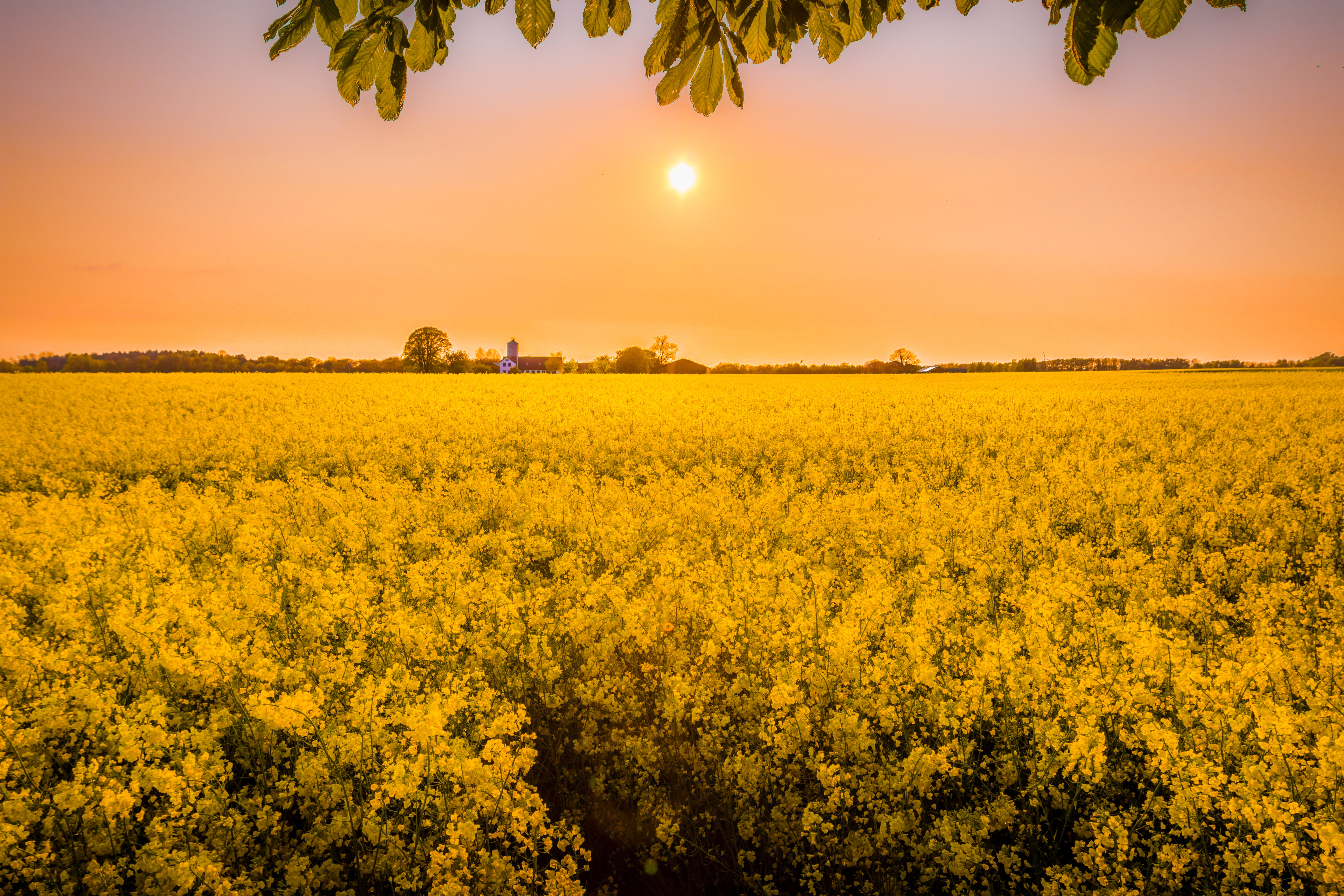
Sunshine is a daily miracle
a
meadow
of
gold
a
glow
of
grass
a
daily miracle in the Sun.


What miracles do you see every day?  Can you write a simple skinny poem?

Read Full Post »

See more posts at Two Writing Teachers Slice of Life .


In my classroom, we pick a quote of the day and write it on a clean notebook page.  Sometimes the quote leads to writing, but not always.  As I write alongside my students, I find the quotes influencing the flow of my pen. As I gear up for the March Slice of Life Challenge, I like that I can find inspiration for writing in quotes.

From my notebook page:

The opposite is also true, Pablo, that everything real is imagined. All meaning comes from our past experiences. Take this writing pen, for example.  I watch the teal blue ink flow onto the page.  I know that when I form these motions these letters will be created. The practice of my writing creates the writing before me. 

Imagine the tiny seed that lies beneath the earth grows minute by minute into a flower you will notice in spring. 

Everything you can imagine is real
as
the
ink
here
as
my
hand
moves
as
real as everything you can imagine.

I can’t stop writing skinny poems.  The rhythm of them.  The simplicity.  See directions and more skinny poems here. 

Read Full Post »

Poetry Friday round-up is with Laura Purdie Salas this week.


Have you gotten a set of metaphor dice yet?  Here’s a link to them on Amazon. 

I’ve been playing with metaphor dice and the skinny poem form.  To make a skinny poem, roll the dice to find your first statement.

I got “Love is a silent blessing.”  This becomes line one.  Lines 2, 6, and 10 are all the same word.  Other lines are only one word long.  Line 11 repeats the same words as line 1.  Confused?  Try numbering your paper from 1-11.  Write your metaphor phrase in line one.  Choose a simple word for line 2, 6, and 10.  Fill in the rest.

Love is a silent blessing
a
whisper
touch
smile
a
soft
unspoken
wink
a
silent love blessing.

Here are a few student skinnies:

Beauty is a glorified dance
a
midnight
shining
flower
a
gentle
soft
breeze
a
beautiful dance glorified.

by Landon, 5th grade


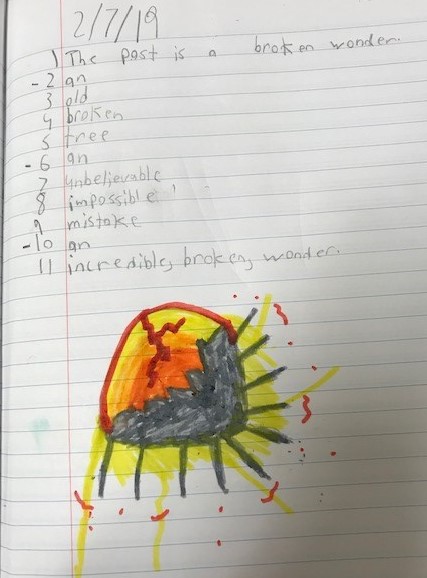
The past is a broken wonder
an
old
broken
tree
an
unbelievable
impossible
mistake
an
incredible, broken, wonder
by Daniel, 4th grade


We also wrote bug-ku this week inspired by Susan Bruck on her site last week. Check out all student poems on our kidblog site.


Read Full Post »


See more Spiritual Thursday posts at Donna’s site, Mainly Write.


Donna is gathering our Spiritual Journey First Thursday posts at her blog. Donna recently moved, so she chose “Home” as our topic for today.

We often look to our church as a spiritual home.  But is this the only place where God lives?  Like the saying “Home is where the heart is,” God is where the heart is, too.  Just because you may not have a place to worship, God’s presence does not leave you.  God is in my mind…always.

I also believe that God is in my poetry.  Wherever I am, the world opens and reveals poems.  This week is only the first week of February, but the temperatures have climbed above 70 degrees, and the Japanese magnolias are blooming.  On my early morning walk, I pass a lonely tree in a vacant lot.  It’s obviously not trimmed or cared for and in many ways looks like it’s dead, but not this week.  So I wrote a poem about it. Of course.

The first stanza is a direct quote from The Time is Now, a weekly writing prompt from Poets and Writers.

A Day on Saturn

A day on Saturn
lasts a total of ten hours,
thirty-three minutes,
and thirty-eight seconds,
according to the Astrophysical Journal.

When I pass the Japanese magnolia,
I think it must be dying.
Lichen clusters on its branches;
a hollowed trunk carved like a cave
invites infesting insects.

And yet, there they are
in the middle of winter, pink
blossom buds
point to the sky
spot Saturn

like an astrolabe
aligns the planets,
from a leafless display

balancing a day.

–Margaret Simon, all rights reserved


Read Full Post »

See more posts at Two Writing Teachers Slice of Life .


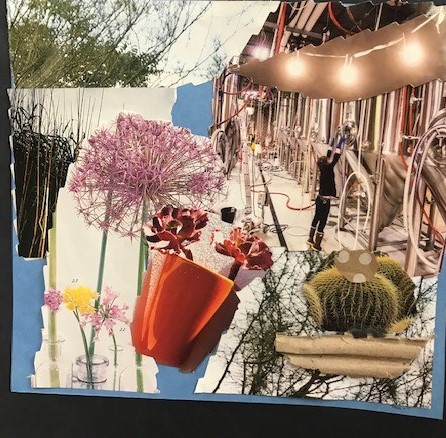
Last week I collaborated with artist Marla Kristicevich on a workshop for teachers designed around poetry and art collage.  The workshop was part of the Arts in Education professional development series held at the Acadiana Center for the Arts.

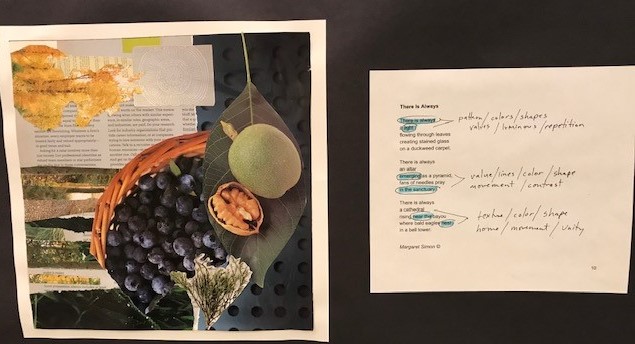
After I presented about finding elements of poetry in my poem “I am a Beckoning Brown Bayou,” Marla shared how she had taken words from 3 different poems from my book Bayou Song, and circled words that represented an element of art.  She then created a magazine collage to reflect those words and images.  While Marla’s complete presentation was in a PowerPoint slide show, the part that touched me were the amazing and beautiful collages she had created from my words.

Marla’s collage from interpreting the poem There is Always.

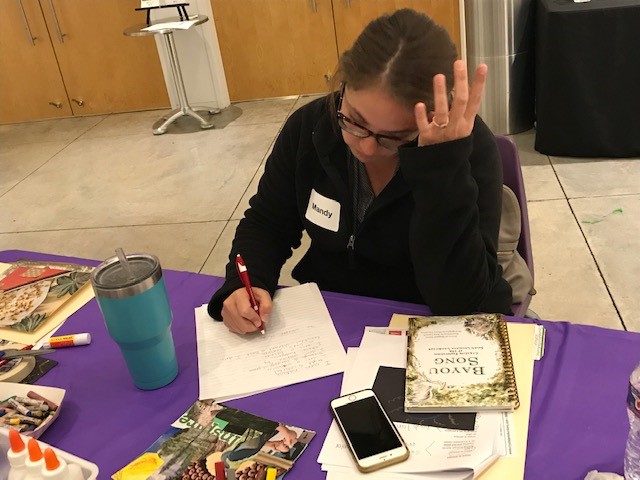
We had 12 dedicated teachers attend, and they enjoyed the time to sit and create with materials from magazines, painted paper, and other scraps.  The collages were varied and lent new meaning to the poems we worked with.

Then I led the teachers in writing their own poem by gathering new words from their own collages and selecting a form to use.  My hope is these teachers will take what they learned, their joy of playing with words and art, and bring it into their classrooms, but more than that, my poet’s heart was touched by the way my poems from Bayou Song led to more poems.

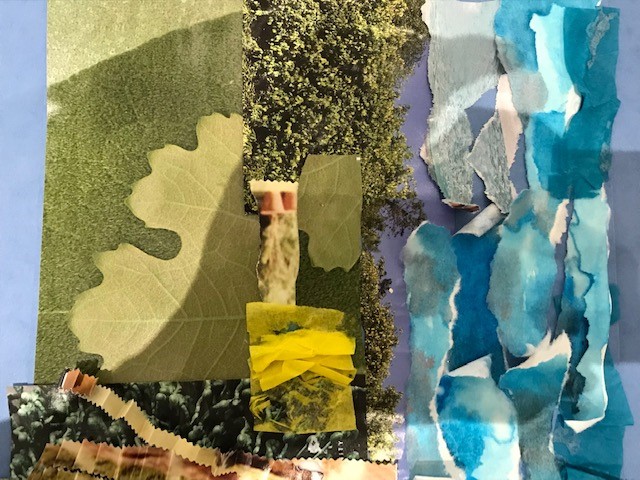
Collage from “There is Always” by Cissy Whipp.


Cissy’s Poem

Dance/Nature Triptych

I.

My dance is in the way
the leaves calmly curl and crinkle
under my feet.

II.

My dance is in the water
rippling, rising, rushing
around my ankles.

 III.

My dance is in the place
between land and water –
the muddy, mysterious marsh.


Finding the poem inside.


Kay chose the I Am form to use when her collage revealed things about herself.

Kay’s collage from the poem There is Always.

Hands Up High

Kay Couvillon

I am fiery red in summer beach walks,
I become lavender peaceful
with restorative yoga.

I hold my
hands up high
to the lights of
love, trust, dance, and
cold beer.

I am an
E. Broussard eagle
in awe of the
bald eagle’s nest.

I sway in the
wind of the leaves after
hibernating when I feel like
torn cardboard.

I love red, pink, and scented
geraniums in clay pots from
Mother Earth.


Read Full Post »

Read more slices at the Two Writing Teachers.


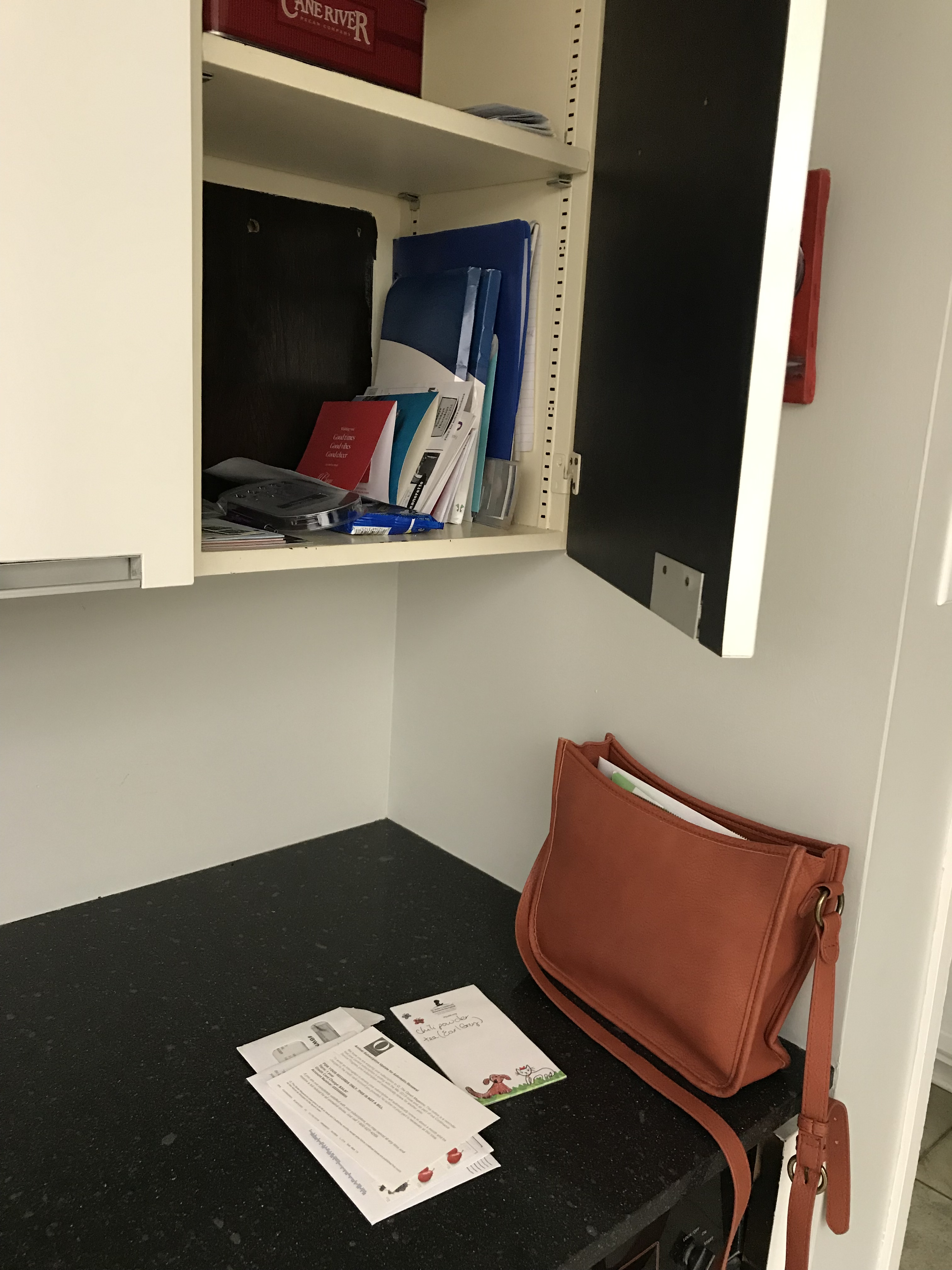
The advantage of having a big kitchen with lots of cabinets is that you have more places to clutter.  In my kitchen, not only do I have a junk drawer, I also have a junk cabinet.  It’s right at the end of the counter where I place my purse, so it often catches things I take out when I clean out my purse.  It catches mail I want to keep and old cell phones, a gift card or two, and so on.

On Monday, I had the day off.  I didn’t have much planned, but I definitely wasn’t planning to clean out the cabinet.  I’ve been hearing about the art of tidying up as professed by Marie Kondo.  I watched a few episodes at my daughter’s house.  I haven’t bought the book or embarked on any life changing goals of being more organized.

However, I was looking for something.  Tickets to an event this week.  I was sure they were in there, but when I started looking, stuff started to tumble.  And before I knew it, I was looking at a pile of “junk” on my kitchen counter.  I couldn’t leave it there, and I couldn’t put it all back, so I had to sort it all out.

Before…

I found some trash: receipts from two Christmases ago, expired credit card, punch cards from out of business yogurt shops, etc.

I found some treasures: a can of cash that we were collecting for our food pantry, the tickets I was looking for, a gift card to a nice restaurant, and a pair of earrings I had bought for a gift.

Sorting, tossing, finding, remembering…

This was cleansing and satisfying.  A really productive winter afternoon.  This weekend, the bathroom cabinet.

Do you enjoy cleaning out or do you put it off, like me, until the task forces itself upon you?


After.


Read Full Post »

Poetry Friday round-up is at The Miss Rumphius Effect

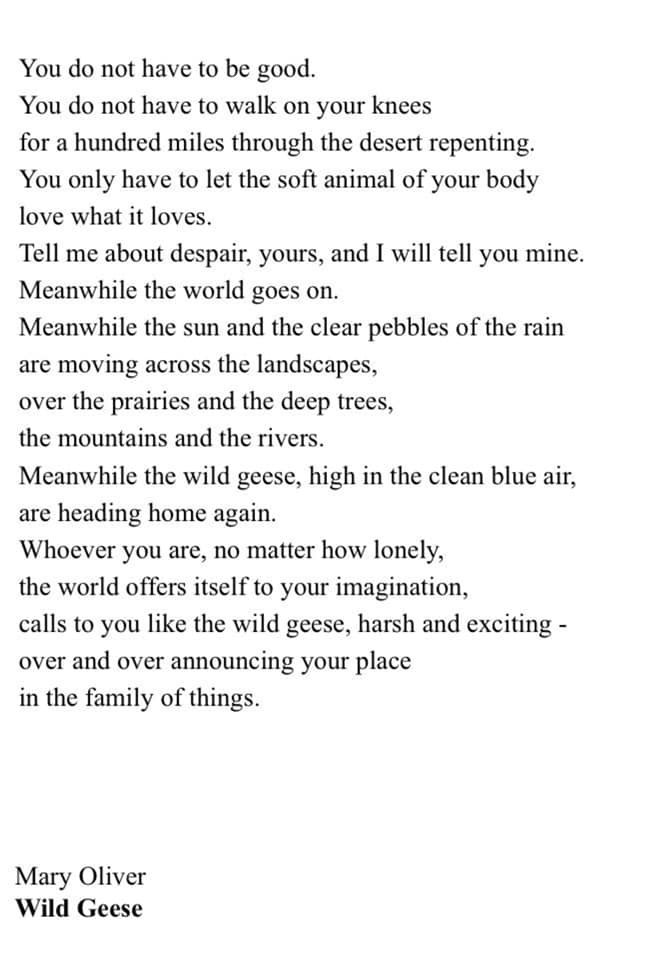
Mary Oliver has died and the whole world is mourning.  I checked my Facebook page at the end of the day and found that most of my “friends” were posting Mary Oliver’s words.  Every one of them connected me to her, to the natural world, and to these people.  It was like our own wake, of sorts.

I was introduced to the poetry of Mary Oliver by my good friend Nettie who died this past fall.  I imagine they are both writing poems on the clouds.  When I was at a crossroad in my teaching career, Nettie sent me the poem Wild Geese.  I listened to it over and over and have most of the lines memorized.  This poem saved me at a time when I needed to be saved.


I looked on the poetry shelf in my study and pulled out my collection of Mary Oliver books.  I found that I have two copies of A Thousand Mornings.  If you would like a copy and live in the continental US, leave a comment.  I’ll let you know by email if you are the winner.

Mary Oliver had a way of placing you in the moment with her and in a sense, saying a prayer.  This poem from A Thousand Mornings places me with her, thinking through things, and noticing with pen in air.

I Happened to be Standing

I don’t know where prayers go,
or what they do.
Do cats pray, while they sleep
half-asleep in the sun?
Does the opossum pray as it
crosses the street?
The sunflowers? The old black oak
growing older every year?
I know I can walk through the world,
along the shore or under the trees,
with my mind filled with things
of little importance, in full
self-attendance. A condition I can’t really
call being alive.
Is a prayer a gift, or a petition,
or does it matter?
The sunflowers blaze, maybe that’s their way.
Maybe the cats are sound asleep.  Maybe not.

While I was thinking this I happened to be standing
just outside my door, with my notebook open,
which is the way I begin every morning.
Then a wren in the privet began to sing.
He was positively drenched in enthusiasm,
I don’t know why.  And yet, why not.
I wouldn’t persuade you from whatever you believe
or whatever you don’t.  That’s your business.
But I thought, of the wren’s singing, what could this be
if it isn’t a prayer?
So I just listened, my pen in the air.

–Mary Oliver, A Thousand Mornings. The Penguin Press, New York, 2012.


I do not presume that my poetry is in any realm of comparison to Mary Oliver’s, but I was moved to write this morning, a way of expressing how her words are written on my heart.


A Misty Mary Morning

I’m walking through a misty world
thinking of Mary.  Her words turn
night to day, day to night,
an answer to prayer, a comfort to loss.

She taught me to notice things
like the bird breaking dawn with song.
She would notice the sound
and sing along.  I hold hands

with every poet and poetry lover
across the world. We are united
in our collective breath
wishing with Mary for a resurrection

of amazement.

(c) Margaret Simon, 2019


Nikki Grimes wrote this post on Facebook (and gave me permission to repost.)

Mary Oliver, Sister of my heart, how I will miss you! Your absence feels impossible.

IN PASSING

A poet passes
soul rising heavy as ode,
or light as haiku.
Who knows? But You, the Author
whose words are for her, alone.

(c) 2019 Nikki Grimes


Read Full Post »

See more posts at Two Writing Teachers Slice of Life .


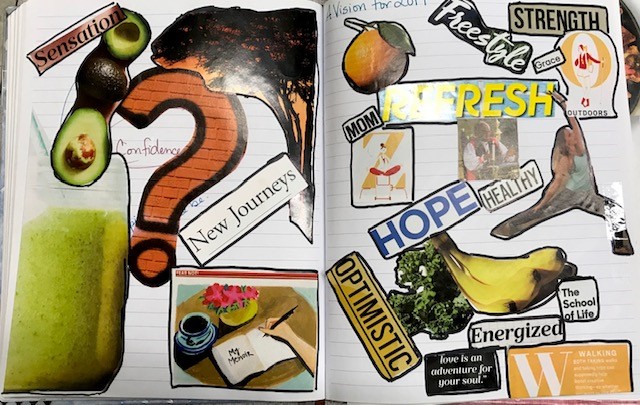
What is your vision for 2019?  We really can’t know what the future holds, but we can think about what we want to do and be in the coming year.  I’ve never done a vision board before, and I can’t say that I am any kind of expert. I started when my students were working on One Little Word magazine collages.

Yesterday I made the necessary step to add more yoga into my life.  I signed up and paid for a class beginning in February.  And I put it in as a regular alert on my phone.

I’ve been making smoothies for breakfast ever since the winter break when my middle daughter visited.  She made a smoothie every morning and got me hooked.  My youngest daughter gave me a Magic Bullet blender in which the container converts to a cup with a top, so I can blend and go.  My typical recipe is quarter cup Greek yogurt, quarter cup oatmeal, half cup milk, teaspoon of flaxseed, half a banana, half an avocado (or Kale, if the avocado isn’t riper yet), and quarter cup blueberries (or strawberries). I am amazed at how full I feel after drinking it, and I’m not hungry until lunch.

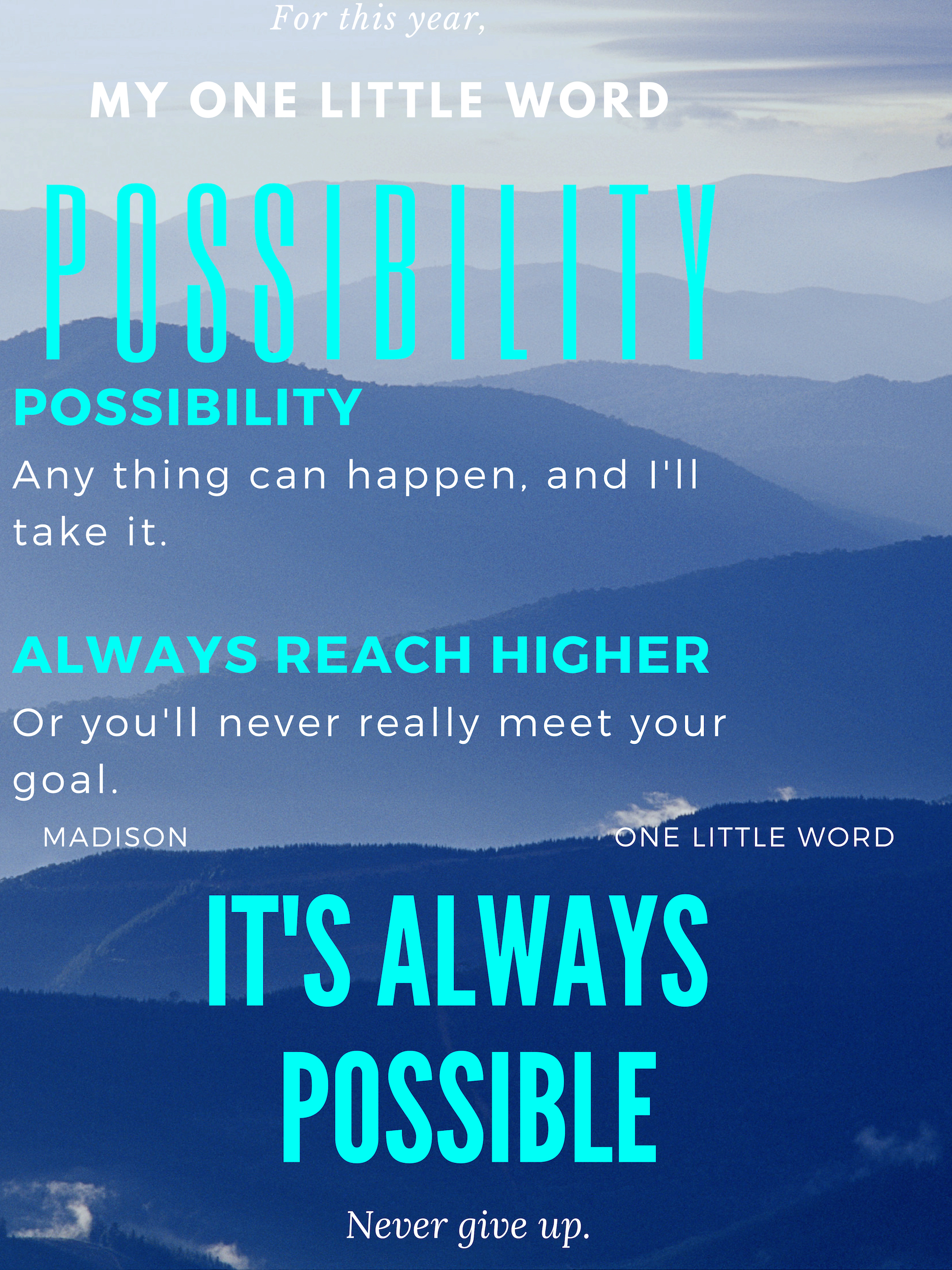
My students worked this week on their one little word projects. I gave them options for creatively representing their words.  I also invited them to blog about their words.  I was moved by Madison’s post.  This 5th grader has the wisdom that I have longed for all my life.  She is comfortable in her skin.  I hope she will hold onto her values of Possibility.

This year, my word is possibility. I like this word because there is no such thing as completely impossible, they say, but I’ve added on it: but there is such thing as possible. Always try because if you don’t, if you lay down and let others control and use and block you from your goal, leave them. Always try. Never set a true goal that limits yourself- whenever you achieve one, go higher and higher, always trying. Have confidence. Just because it’s hard doesn’t mean it’s impossible. The way it’s hard is what makes it a good challenge. Nothing ever comes easy, and it never should, or we’ll all be lazy and fat. Be aware of yourself, and don’t let yourself fall out of shape or routine or such just because you don’t feel like it even though it benefits you.

Because, as hard as it’ll seem…

It’s always

Possible.

(Blog post by Madison: to leave comments, click here.)


Read Full Post »

Poetry Friday round-up is Down Under with Kat.

I didn’t have any ideas about what I would write today.  As I read other Poetry Friday posts, I became more inspired.  Matt Forrest Esenwine celebrates the acceptance of a poem for an anthology honoring poet Donald Hall.  Matt’s post included an image of a snowy road.  The image led me down a path to a new poem.


Too many things concern me today.
My attention is crowded
with walls blocking out human sighs.

On my screen I click on an image
of a path
along a snowy road
a mountain in the distance
and find a poem.

I kick those hard stones.
Look up to the blue mountain.

My thoughts are
insignificant,
unspoken as a meadow.

–Margaret Simon, 2019

Someone on Poetry Friday suggested the book Getting the Knack by Stephen Dunning and William Stafford. I’m trying some of the poetry exercises with my students.  This week we tried out the recipe poem.

Recipe for a Poem

One blank page–open, lined, waiting…

A colorful pen. Try a different color each day.

Tip-tap your fingers over the lines making multiple dots.
Dots become letters become words.
Top off with a tasty metaphor–
Marshmallow clouds on a snowy day.
Read out loud.

–Margaret Simon, 2019


One Little Word 2019


Read Full Post »

See more posts at Two Writing Teachers Slice of Life .

When we returned from our holiday break, I found a poem from Poets.org in my inbox.  I subscribe to Teach this Poem, a weekly lesson plan around a selected poem.  The poem Dead Stars by Ada Limón drew me in, and I felt compelled to teach the lesson. To begin, we looked at pictures of the Orion constellation and made attempts to draw it in our notebooks.

Before we read the poem, I talked about how I love poems that take notice of something in nature then go deeper to something more profound.

We find it hard to settle our brains down, and poetry offers us that silence, that quiet space, and allows us to reconnect with ourselves, or with an idea, or with an emotion. (Ada Limón)

When reading a poem with my students, I let them take the lead.  “What do you notice?” “Are there any words you don’t know?” “What do you think the poem is about?”

Each group of students takes the discussion in a different direction.  With my first group, we discussed an interesting metaphor in this line, “I am a hearth of spiders these days: a nest of trying.”  Daniel rephrased the line, “Laying eggs of attempt.” Then we noticed that both hearth and nest are places of caring.

With my second group, theme became the focus.  What is the poet trying to teach us? She wants us to rise above the tide (the hard times) and be alive.  Landon wrote a thematic sentence, “Be alive, reach for the stars, and shine!”

In my third group, stars, constellations, and the fact that we are made of stardust became the topic of discussion.  “But mostly we’re forgetting we’re dead stars too, my mouth is full of dust and I wish to reclaim the rising–” (Ada Limón)

I pulled up an article to read from National Geographic.

Everything we are and everything in the universe and on Earth originated from stardust, and it continually floats through us even today. It directly connects us to the universe, rebuilding our bodies over and again over our lifetimes. (Iris Schrijver)

In response I wrote a septercet, a form created by Jane Yolen with 3 lines of seven syllables each.  The last line is from Ada Limón’s poem “Look, we are not unspectacular things.”
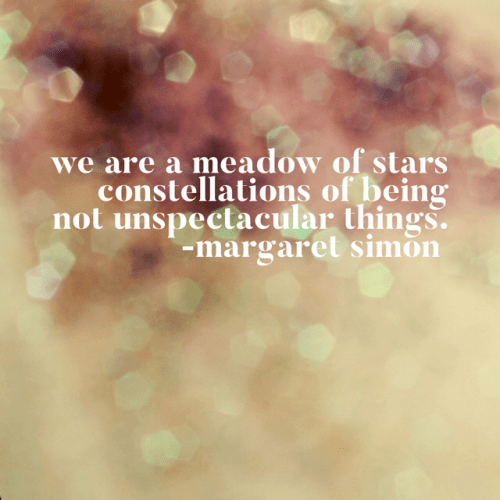
When I work on poetry with my students, I try not to push them to complicated analysis.  There is time for that when they are older.  I hope to expose them to amazing language, to the art and craft of metaphor, and to understand that poetry is always available to them.  Even when they are “rolling their trash bins out.”

A cherita about the stars:

You say look up

Take notice of the stars
Name the one you are

We are the star
dust of many ages
collected as unique thoughts.

(c) Margaret Simon


Read Full Post »
« Newer Posts - Older Posts »