Feeds:
Posts
Comments
Thank you to Two Writing Teachers for creating an amazing community of writers and a safe, welcoming space to write and share.

On Friday evening, Francisco invited me to dinner. At the time, I didn’t know who would be attending. Fran has been visiting from Argentina, and we’ve been meeting weekly for a few months now. We usually meet in a coffee shop with one of my former students to read and write poetry. Corrine is hosting Fran and suggested that they cook a meal for a few friends. I was delighted to see Carolyn was there.

Carolyn and I taught together years ago and have stayed friends, but we don’t see each other often, especially during the busy school year. We are on summer break and maybe that made us giddy, or maybe it was the wine, but we were laughing a lot.

Fran suggested we play “Exquisite Corpse.” I kind of knew what it was; I think I’ve done it with students, but I didn’t think of it as a common party game or a very reliable way to write a poem. Fran insisted this would be good. “It’s making new art–authentic,” he said.

I didn’t take it as seriously. Especially when Carolyn added the line “two left feet.” I laughed so hard.

Exquisite Corpse is a game that inspires creativity. As a sheet of paper is passed around, each person writes a line and folds the paper so the line is hidden for the next writer. After we wrote a few very rough verses, Fran and Daniel put the words to music. I believe good musicians can make anything sound good, even the words, “two left feet.”

Peaceful Friday morning by Paula Bourque

My one little word for 2024 is Peace, so when Paula Bourque posted a selection of photos with the comment “peaceful morning walk”, I asked permission to use one as a prompt. I think many of us are seeking peace at this time of the year. After the frantic slide to the end of the school year, I know that I am. I usually start dreaming of vacations, the beach, and late evenings of relaxation. Summer is a field of possibility.

Welcome Summer

You
shine on
through morning
my waking dreams
sunflower faces
open to a new day
sharing your inspiring light
glowing fields of tall prairie grass
welcoming peaceful dawn of summer

Today I practiced a nonet draft. Please add your own small poems in the comments. Encourage other responders with encouraging words. Thanks for stopping by.


Poetry Friday gathering is with Michelle Kogan .

I take inspiration for writing from many sources, but one of my favorites is Pádraig Ó Tuama’s Poetry Unbound. A few weeks ago, he featured sections of a poem by Joy Harjo. I listened, then read the whole poem. I was reminded of a conversation I had with my husband when we passed road construction on the way to visit the doctor.

Two weeks ago, my husband was mauled by a German shepherd. He’s going to be okay, but his calves were pretty torn up and he’s had two surgeries so far for repair and debridement. This is the kind of thing that turns your world on its edge, just checking in to see if you’re paying attention.

When I am thrown into a deep hole, I make my way out by writing poetry. Joy Harjo inspired this one. It may help to know that Jeff is a real estate attorney.

Road Construction

As we pass the road construction,
he told me the owners agreed
to the sale if they saved the tree.


The tree is gone; one hundred years
of life gone for a road.

We don’t know how long we have.
How long until a dog escapes its fence
and takes you down to the bone. 

This land does not belong to us to give.
The house on the corner did not own the tree;
it was not theirs to give, but there’s the empty space 
filled with mulch, the former bark
of a tree giving up its life for a road. 

Margaret Simon, (c) 2024

Photo by Molly Hogan

I recently wrote a poem about the loss of an old oak for the sake of a new road. We discussed my poem in the Inklings writing group on Sunday. Molly texted this photo to the group. “I thought of our conversation when I was walking in a nearby town and discovered they’d cut down tons of trees as they repair the sidewalks. It made me so sad. Someone had placed these small cloth notes on the remains.”

I was considering a butterfly photo for today, but when she sent this, it hit me in my gut. We have to use poetry to resist. This itself is poetry of resistance.

The roots are sewing
messages of sorrow–
saying goodbye to their masters,
the trunk and branches
they served for years.
Underground, the roots
hold hands in solidarity
grieving and wishing
the world would understand.

Margaret Simon, draft

Please leave a small poem in the comments paying homage to the trees. Remember to respond with encouragement to other writers.

Thank you to Two Writing Teachers for creating an amazing community of writers and a safe, welcoming space to write and share.

When something bad happens,
something that brings you harshly back to reality,
letting you know one day
you will lose the life you have now,
look for butterflies.

Two weeks before,
when all was blooming
and life was full of daily walks
among wildflowers,
we took into our classroom
black swallowtail larvae.

This is a dependable cycle,
metamorphosis, changing,
eating itself into a chrysalis,
camouflaged, unrecognizable.

Then like a miracle,
beauty breaks free
out of nature’s cage
reminding us
we long for flight.

Black Swallowtail Butterfly released into our school garden. photo by Margaret Simon
Storm in Des Moines, Iowa; photographer unknown.

Storms seem to pop up out of nowhere these days. This week we had one blow through that knocked out an outdoor light in a literal flash, Crash! What does this photo conjure for you? Fear? Curiosity? Memory? Please leave a small poem in the comments.

I haven’t written a skinny poem in a while. The rules are 11 lines, the first and last uses the same words and can be any length. The other lines are one word with a repeated word in lines 2, 6, and 10.

Storms come suddenly in the night
bearing
violent
windswept
voice
bearing
climate
change
stress
Suddenly, in the night, storms come.

Margaret Simon, draft
Thank you to Two Writing Teachers for creating an amazing community of writers and a safe, welcoming space to write and share.

Mother’s Day is a hard day for many women. My Mother’s Day was hard this year. That hard was unexpected. I have three daughters who are each mothers now. Isn’t that something to celebrate? Yes, of course. Not to mention my beautiful grandchildren! My husband and I made a small effort to celebrate his mother with lunch and gifts of plants. I am in the middle, not really a mother anymore. Not mothered anymore. The above quote talks about this shift. It’s big and hard.

Elizabeth Gilbert sent a prompt for her followers to write from: “Dear Love: What would you have me know about mothers today?” Here is a portion of my letter from Love.

You want to keep your arms wide for them, but you can close them around yourself. You have to become lovable only to yourself now. There is freedom and grace in this stage. You did your best. You left your loveseed and fertilized it to grow in them as mothers. Turn your loving toward home, dear one. Open arms are there for you.

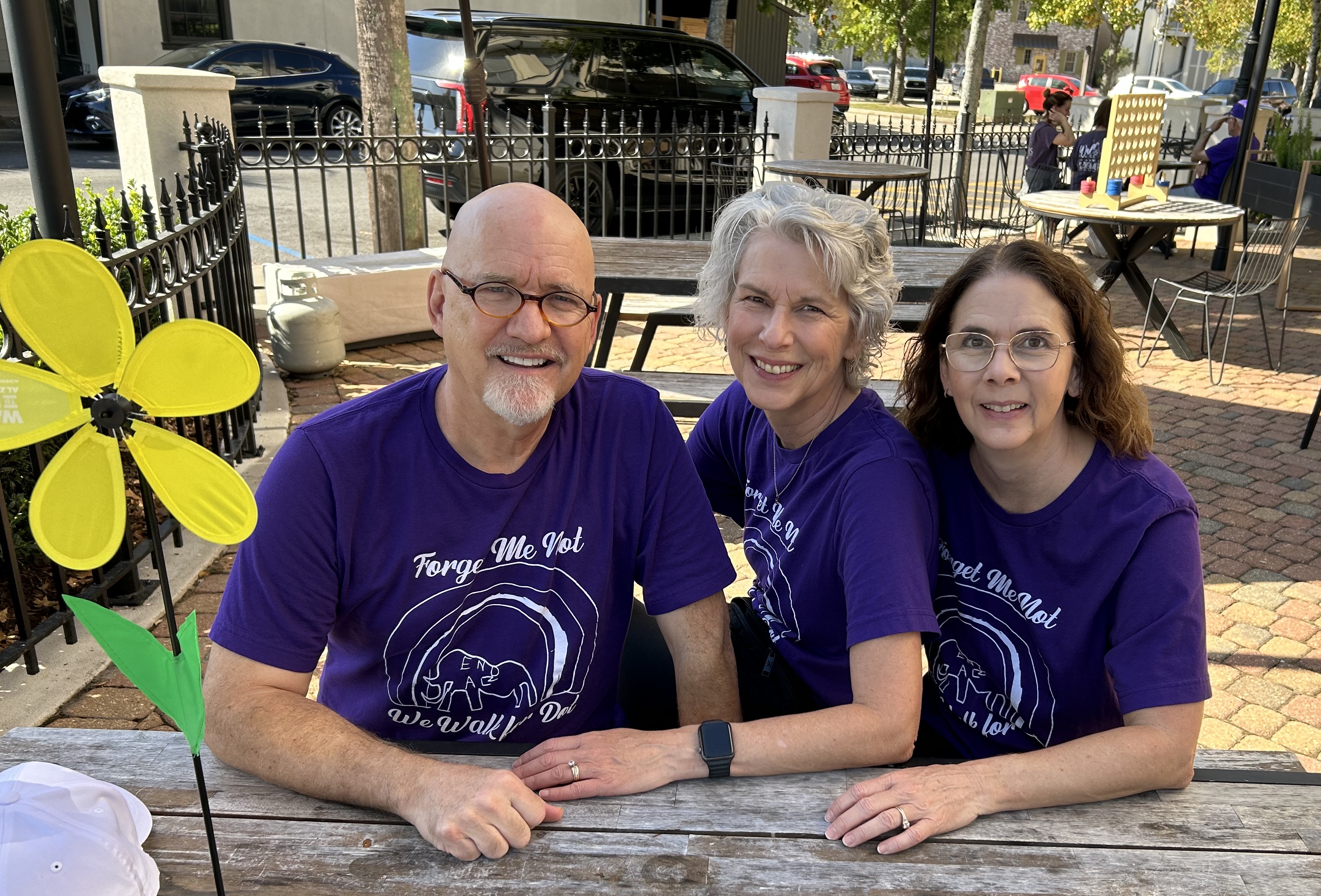
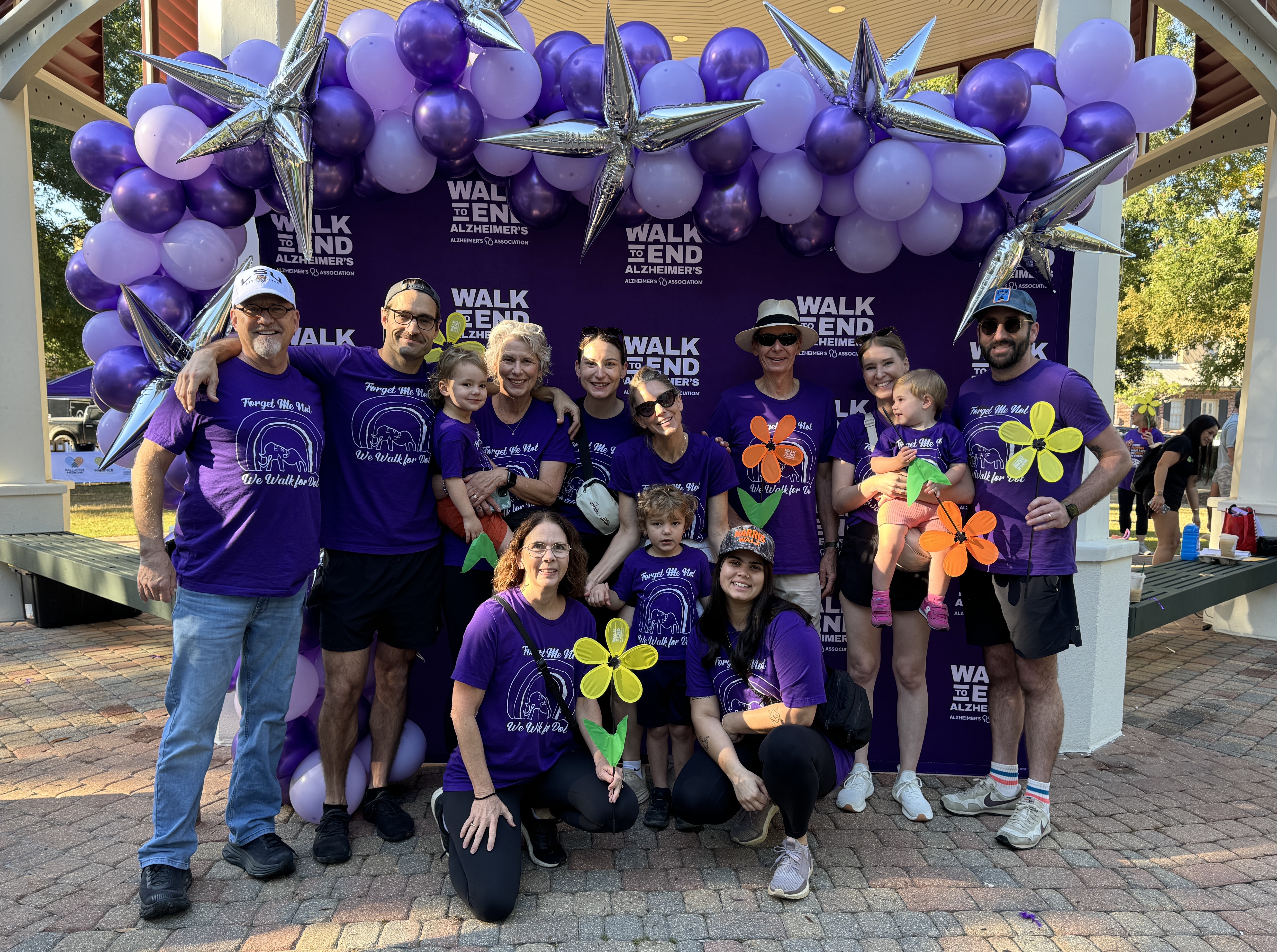
My own mother, as many of you know, is living with Alzheimer’s. I have opened a fundraiser page for The Longest Day, an event for the Alzheimer’s Association. I think all of us have been touched by Alzheimer’s. You can donate at my personal page here. For a $50 donation, my ADK sisters and I have made purple beaded bracelets.

Here is a photo my brother sent of my mother from Mother’s Day at her memory care home.

My mother, Dot Gibson. She’s still smiling!
Linda Mitchell is gathering posts with another fun clunker exchange.
A friend of mine suggested I listen to a podcast with Jane Hirshfield. It was a lovely hour. Even though I split it between multiple shorter listens, I want to go back and listen straight through. You can find it on Spotify on the Ezra Klein Show.

I write a poem-a-day, but honestly, I don’t always write a good, shareable poem each day. This week the only one I somewhat like is an acrostic to a Jane Hirshfield quote. One of my students found a Mary Englebright quote “It’s just a bad day. Not a bad life.” I’m applying that to my poetry writing. “It’s just a bad poem. Not a bad poet.” I like Linda’s idea of exchanging clunkers. Maybe some of my starts and fits will bloom on another page. For today, it’s Anything.

Greater Yellowlegs Triplets by Molly Hogan

Molly Hogan captured this funny photo on a recent outing into the marsh in Maine. I love how she captured the reflection as well. These shorebirds are called yellowlegs for the obvious reason that they have yellow legs, but I think watching them skitter along the shore would bring a smile to anyone’s face.

Let this photo be your muse this morning as we get closer to slower, beach-filled days of summer. I welcome the extra time, but not the heat. Our temperatures in the south are already inching up to 90 degrees. Leave a small poem in the comments.

I’m back to my daily elfchen practice. A reminder of the form: eleven words, 1, 2, 3, 4, 1. The first word introduces the topic, the second tells what it does, the third where it is, and the fourth how it makes you feel (I go for a metaphor in this line), ending with a word of transformation from the first word.

Yellowlegs
toothpick race
across sandy marsh.
No one wins a prize–
Solidarity.

Margaret Simon, draft

Thank you to Two Writing Teachers for creating an amazing community of writers and a safe, welcoming space to write and share.

We are nearing the end of the school year, so last week I panicked. I have to get the end-of-the-year narrative writing done for my SLT (Student Learning Target). I’m calmer now because yesterday I realized while working with my second grader that there has been growth, even while I wasn’t really paying attention. He completely filled one page and has more to say.

My students write a Slice of Life every week. They post on a blog site formerly known as Kidblog, now Fanschool. This weekly practice is graded, but the rubric is rather basic. More of a get-‘er-done checklist rather than anything meticulous. I forgot that the practice of writing weekly creates improvement.

Yesterday I heard my older students claiming word counts.

“I wrote 500 words!”

“I can top that easily!”

These claims were not so much competitive as they were evidence that I had nothing to worry about. They’ve learned to elaborate, to use transitions, to add dialogue, to end with a satisfying conclusion, not because I have told them to, but because that is what writers do.

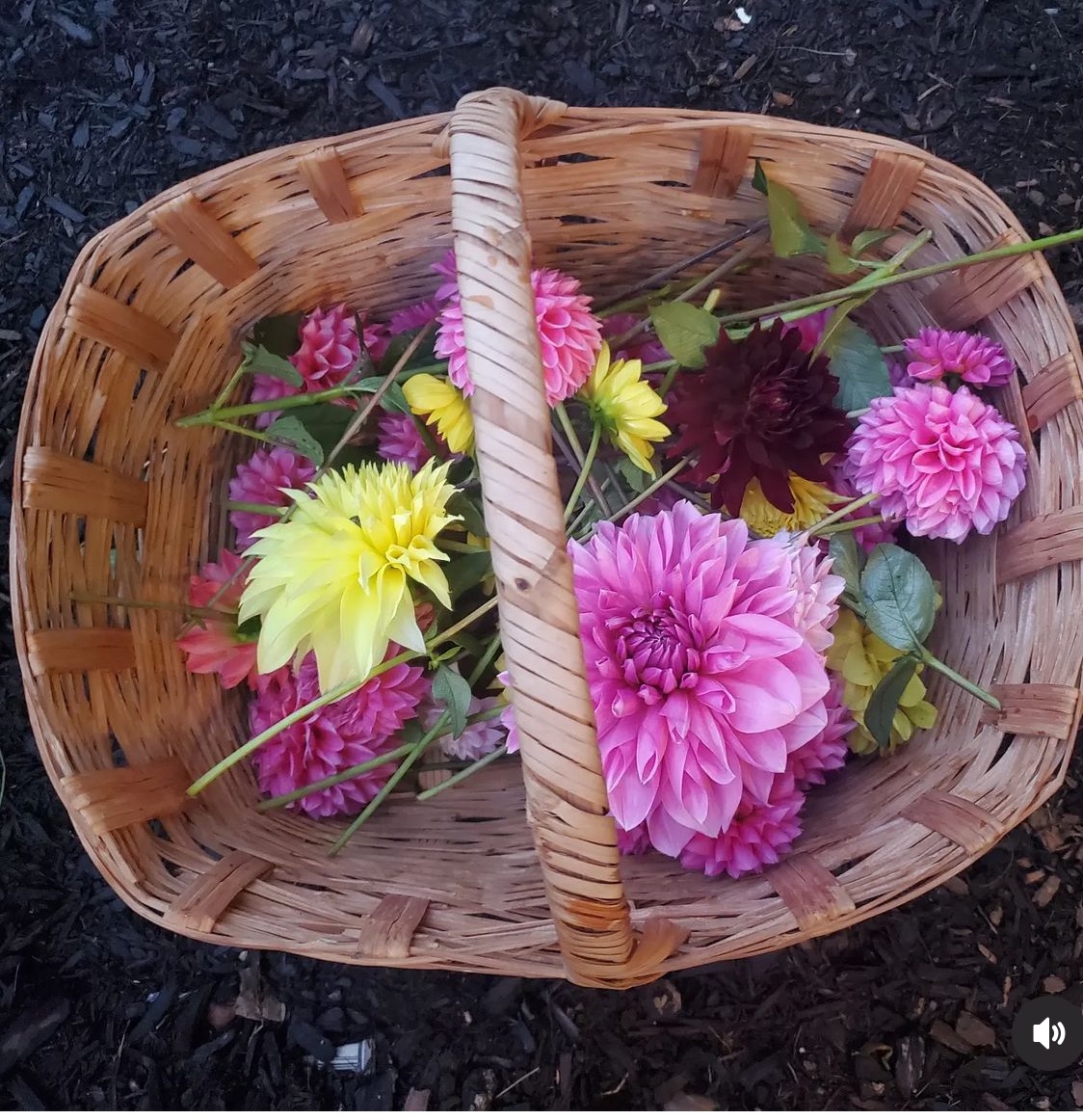
Like the gladiolus my friend dropped off at my back door, their long stem of learning has blossomed and continues to grow. I am proud to be the holder of the blooming flowers. I must’ve done something good.

Glad Elfchen
Students
bloom when
you let them
be the flowers they
Choose.