Feeds:
Posts
Comments

Posts Tagged ‘poetry prompt’

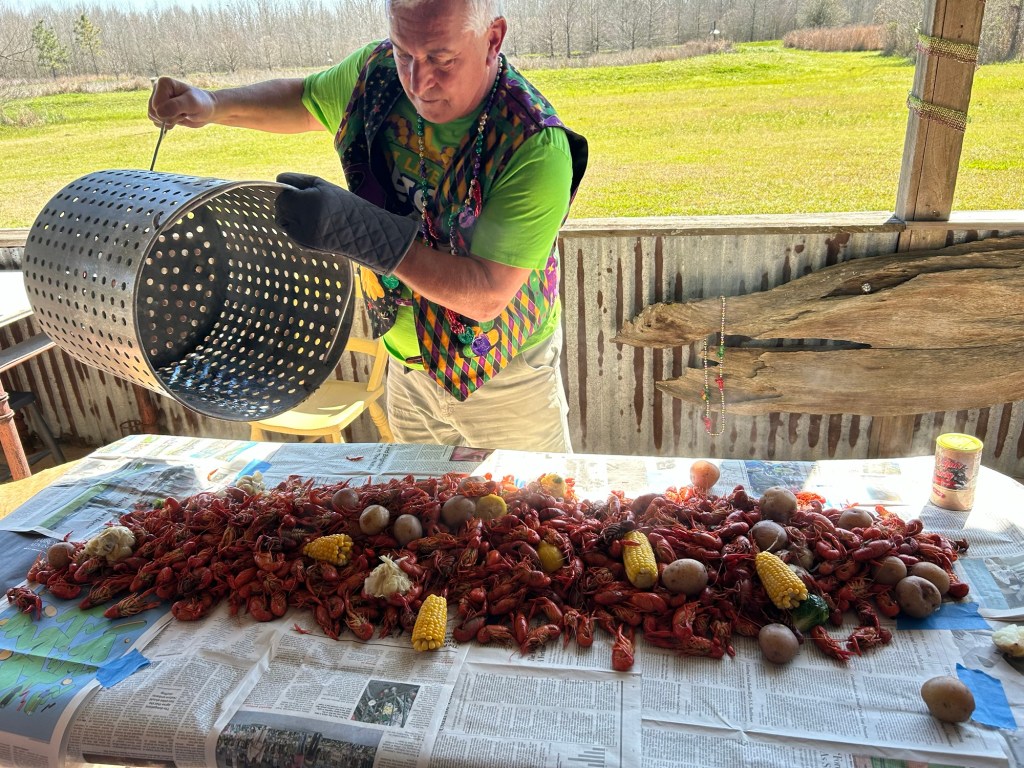
Have you ever eaten crawfish? They are seasonal crustaceans here in South Louisiana. We measure the goodness of spring by the crawfish season. I think we’re expecting a good season this year because of all the rain. And it looks, by the catch above, that the hard freeze in January didn’t get deep down into the mud of the crawfish ponds.

On Saturday we attended our first crawfish boil. Our friend Patti has a home in Arnaudville with two ponds that produce crawfish. She told us the catch for this boil was from her neighbor’s pond. Notice all the (healthy) vegetables cooked along with the crawfish, potatoes, corn, Brussel sprout, and garlic. We spent the afternoon drinking beer, eating mud bugs and king cake, and watching all the dogs (and young boys) play in the pond.

For my poetry book for children, Bayou Song, I wrote a poem about the geometry (eating) of crawfish. The book also includes poem and drawing prompts for kids. You can do them, too.

The Geometry of Crawfish

Grab a long line antenna
Avoid looking into round peppercorn peepers
Hold the cylinder cavity containing fat
Watch out for triangular tweezer pincers
Detach the arced accordion tail
Remove curvy meaty muscle
Dip in a puddle-circle of spicy ketchup
Eat
Margaret Simon, Bayou Song: Creative Explorations of the South Louisiana Landscape
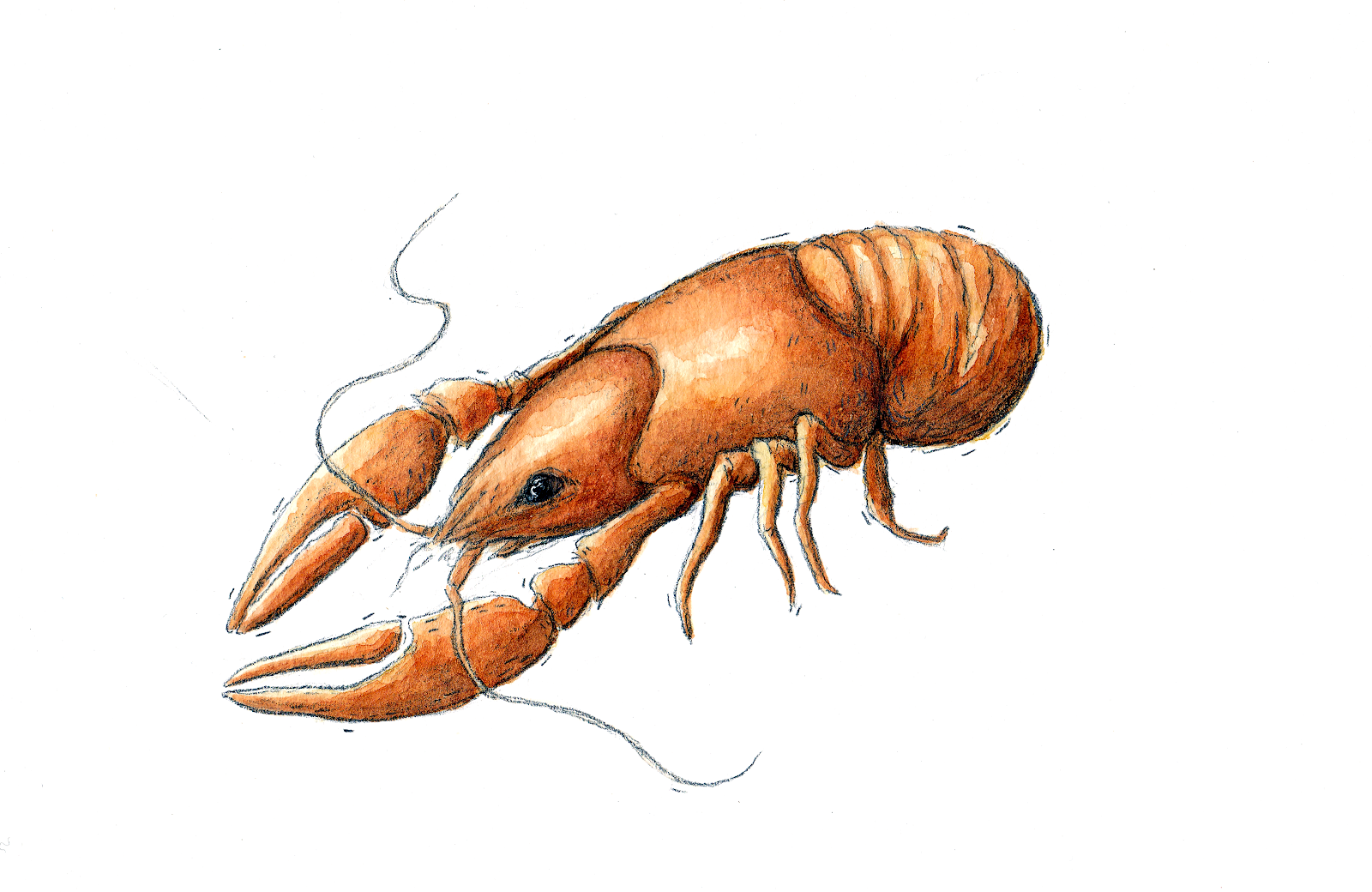
crawfish.png
Bayou Song Illustrations by Amelia Cantrell

Write it: Make a list of geometry words, words about shapes.  Choose an animal to describe using shapes.  What shape is a snake? a bird’s beak? What about a cat’s nose?

If you would like to see some of my students’ slices, go to Fanschool: GT Allstars.

Read Full Post »

Poetry Friday round-up is with Heidi at My Juicy Little Universe.

Maybe if you’d written over a hundred books for children, you could take a break, but not Marilyn Singer. I first met Marilyn at NCTE a few years ago when she was reading from and presenting about her books of reverso poems. Reverso is a brilliant form that I fail at miserably, but Marilyn has at least three books full of them.

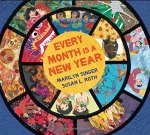
This summer at ALA I was able to grab a new copy of Every Month is a New year. Marilyn signed it, “Happy New Years!” Who knew that every month, someone somewhere in the world is celebrating a new year? The extent of Marilyn’s research alone for this book is impressive. There are 77 sources listed in the back matter of the book!

Illustrator Susan L. Roth uses mixed media for the illustrations. You can imagine touching each piece and feeling the soft paper and fabric collaged together.

The experience of this book is different from other picture books because it opens horizontally like a calendar. Actually, I would love to have it as a calendar I could display in my classroom.

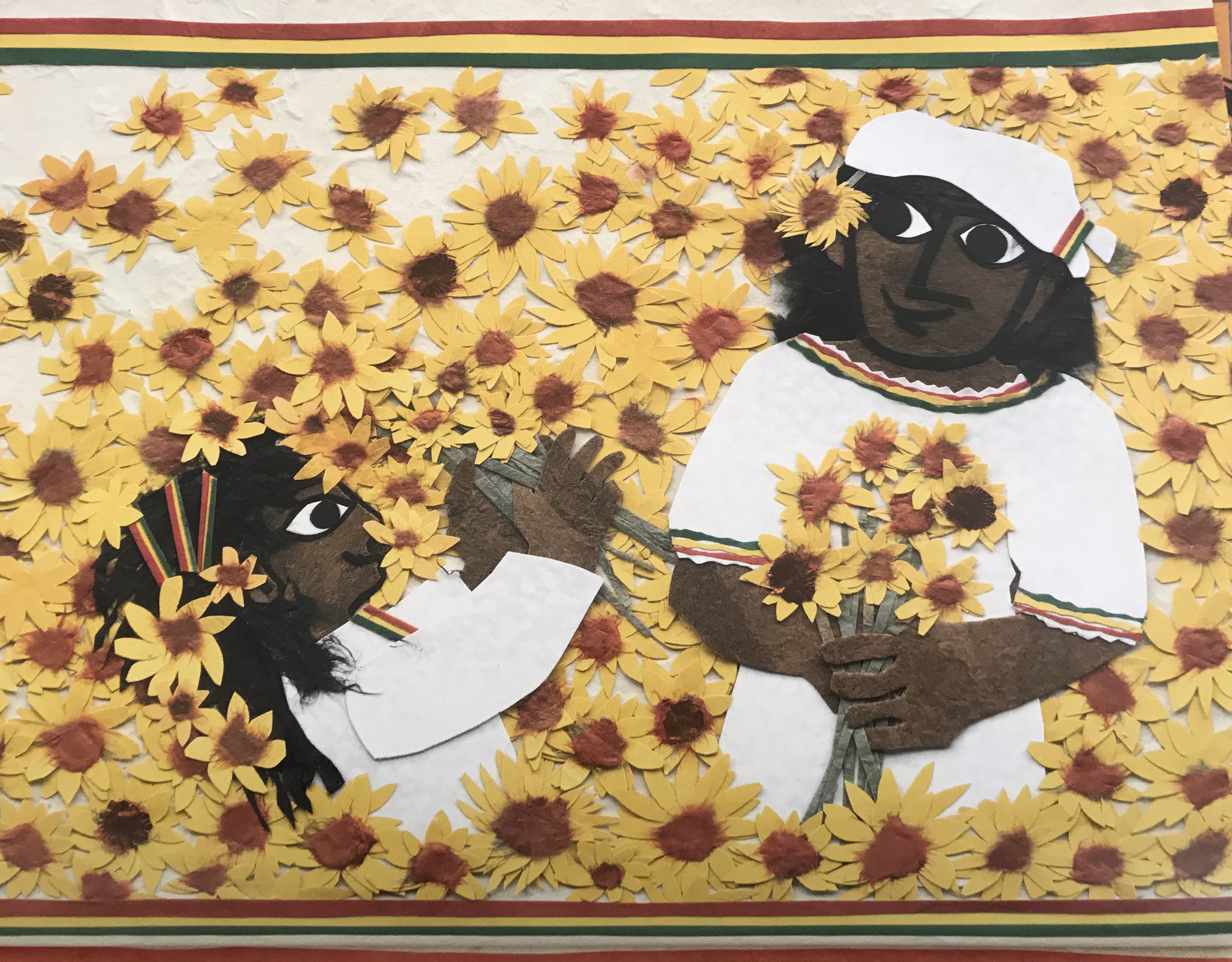
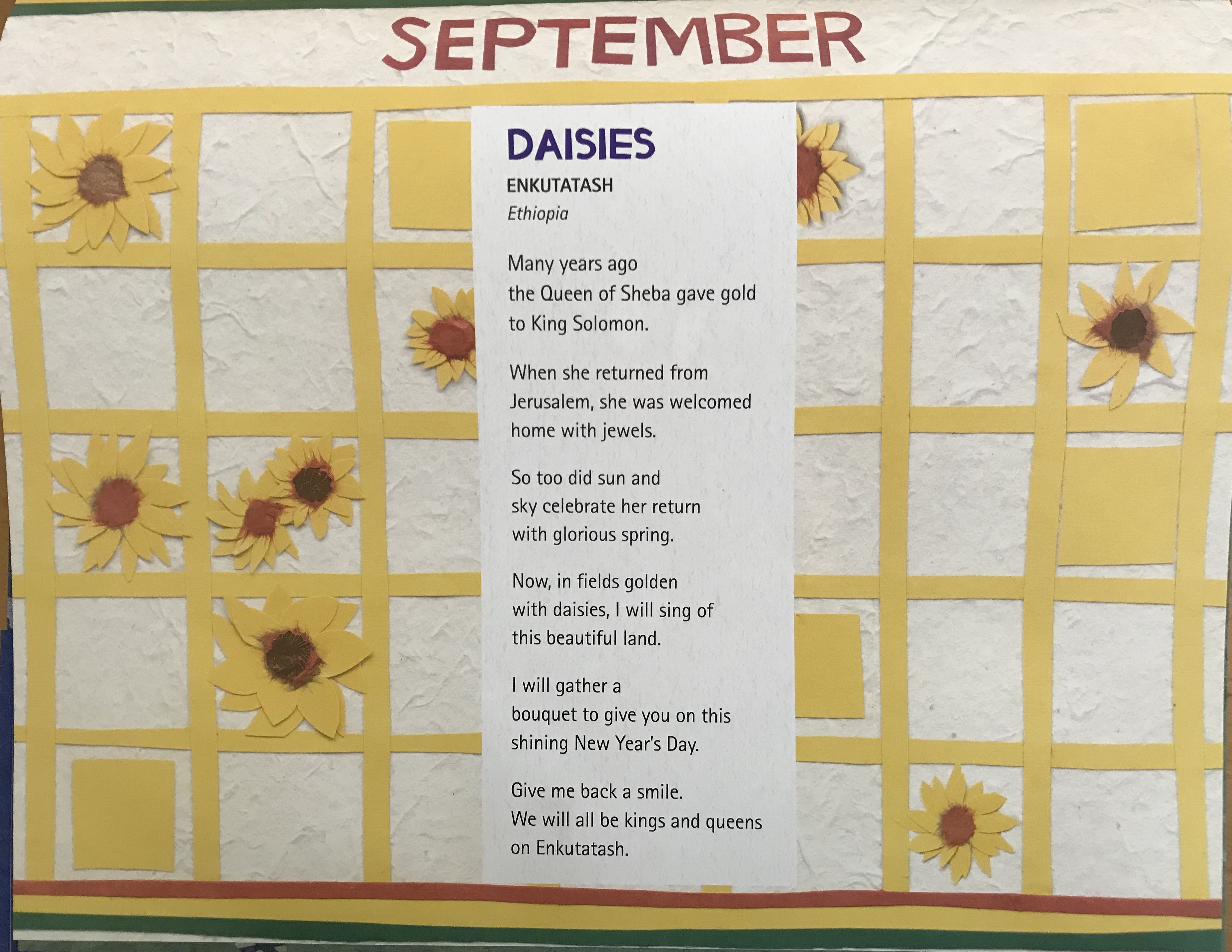
I thought I would share July’s poem since it’s July, but I love, love, love September’s poem and illustration. Ethiopia’s new year is celebrated on September 11th with gifts of daisies. I want to start a movement for us to adopt this practice for our commemoration of the tragedy of Sept. 11th. Random gifts of daisies. From the back matter:

Enkutatash, Ethiopian New Year, on the Ethiopic calendar corresponds to September 11 on the Gregorian calendar. Enkutatash is believed to be the day the Queen of Sheba returned to her homeland after her visit to King Solomon in Jerusalem in 980 BCE. She was welcomed with enku, jewels. Enkutatash, which means “gift of jewels,” has another ancient meaning that commemorates the receding of the great flood during the time of Noah. The day also marks the end of the rainy season and the beginning of sunny days.
Today, on Enkutatash, children in new, white, hand-woven cotton clothes offer yellow Meskel daisies, along with pictures they have painted, as gifts to friends and neighbors.

I think I have found a new tradition to start with my students!

illustration by Susan L. Roth for Every Month is a New Year

By Marilyn Singer, Every Month is a New Year

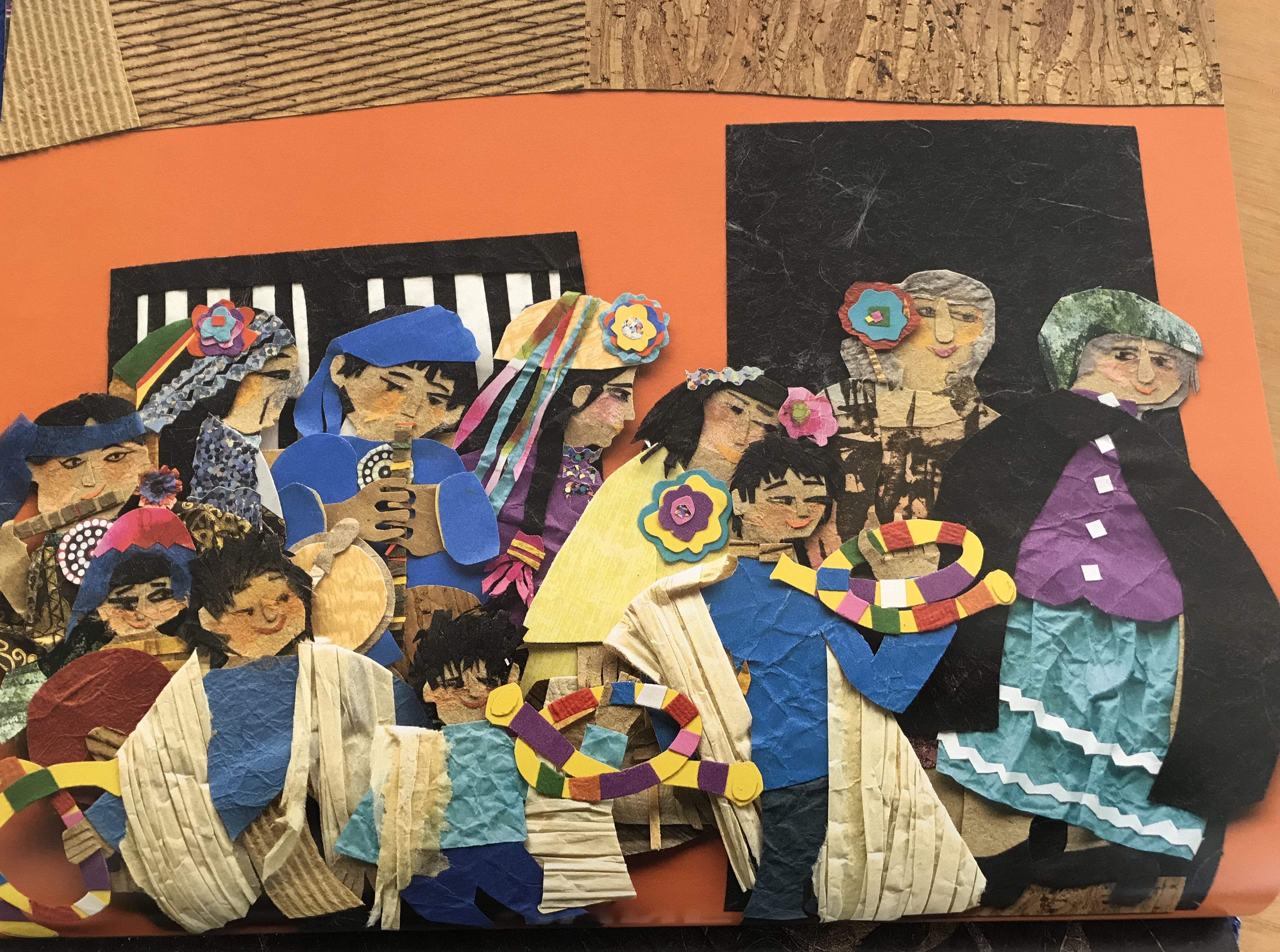
In her poem about the June New Year, We Tripantu in Chile, Marilyn leads me in with simple sentence structure, “The night is cold./ My family is warm.” I love when the simplest of language can tell so much. She continues this pattern with “The air is quiet. / My family is loud.” As a writing prompt, I want to try using the pattern of opposites for my own poem. It could be about a season or a celebration. Would you like to try one, too? Share in the comments.

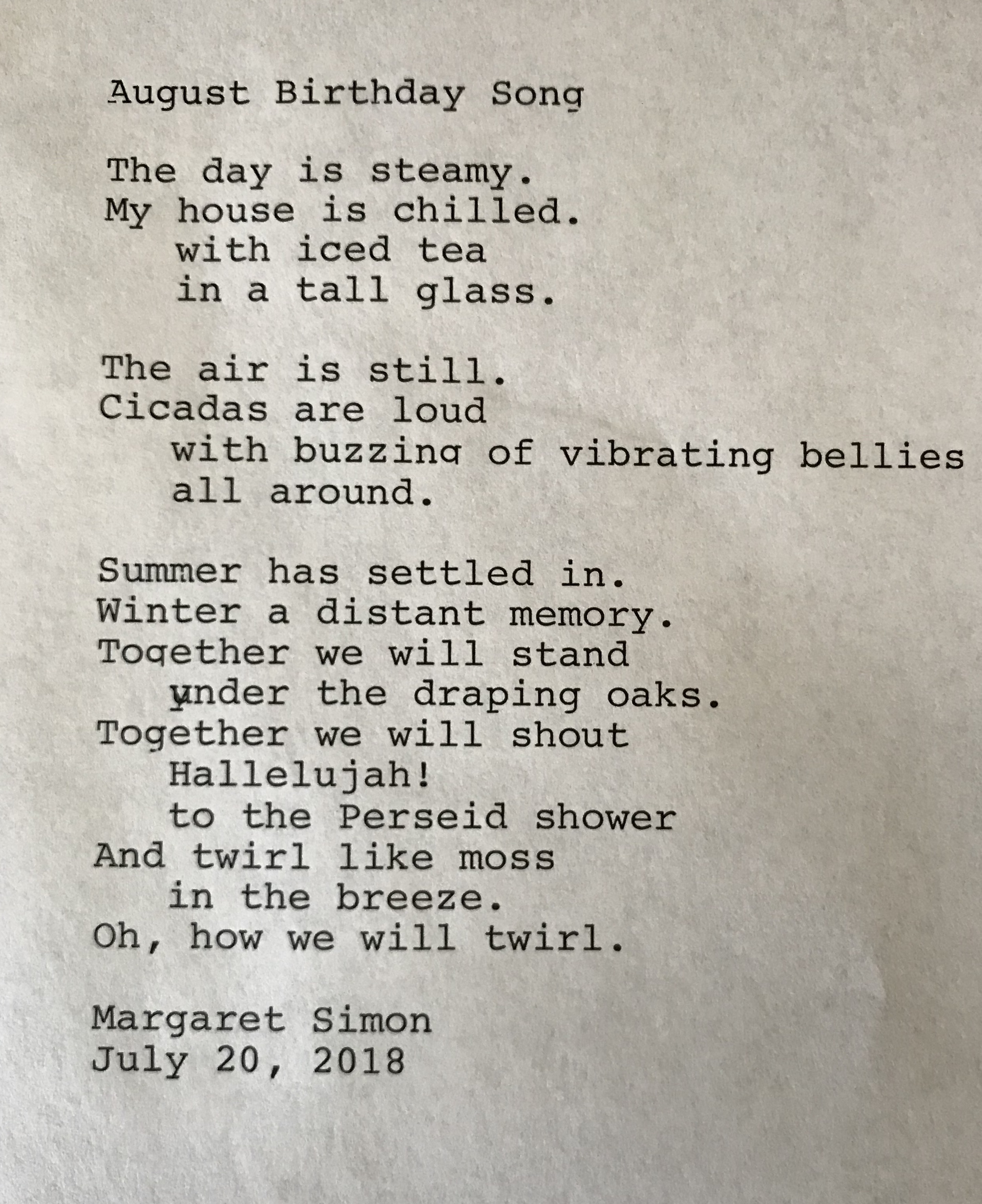
My own New Year celebration happens on my birthday, August 11th. The peak of the Perseid meteor showers occur around this day every year. This year I should make a point of going outside to dance.

Read Full Post »