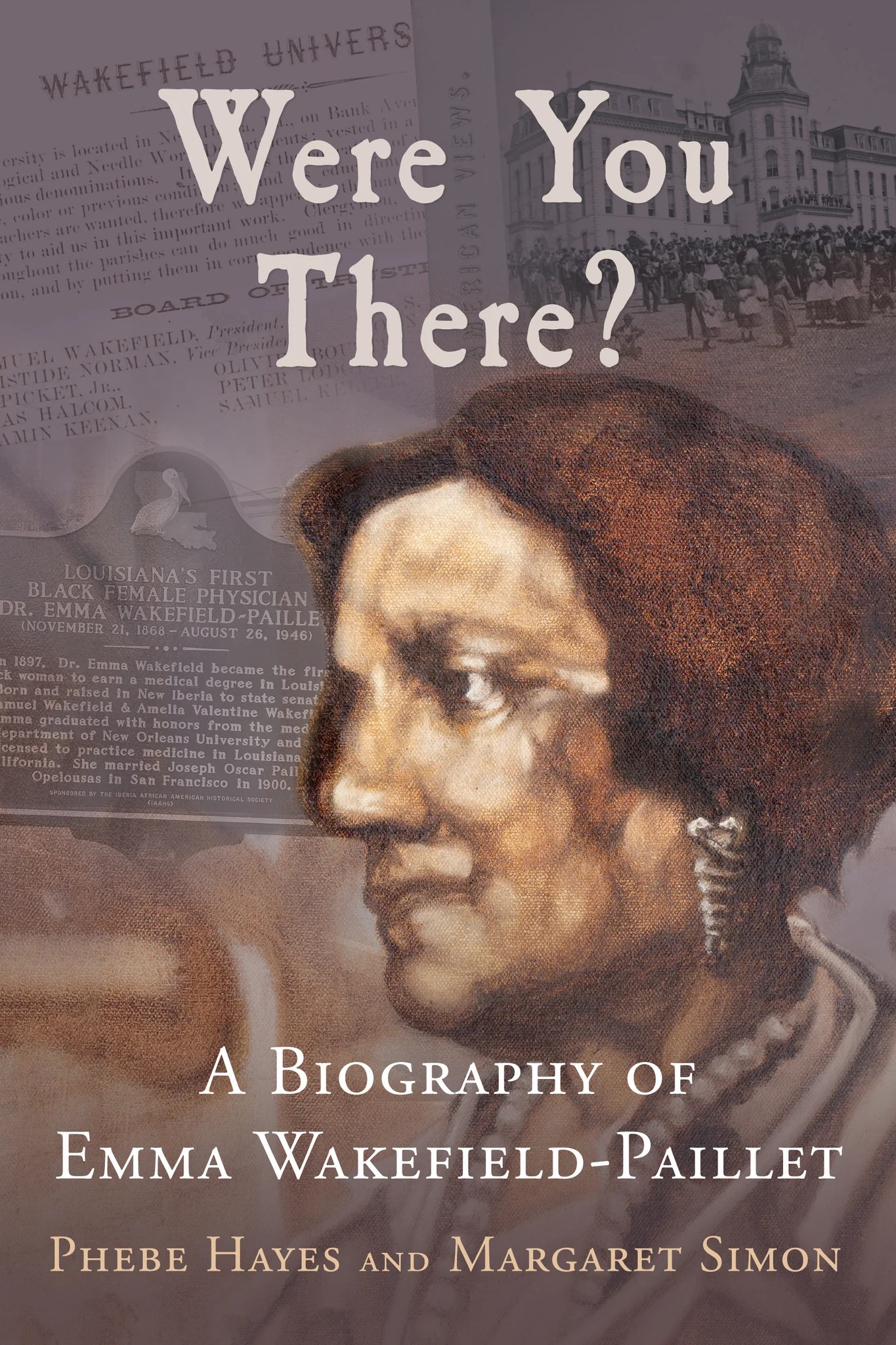
Last night I had the privilege of presenting poetry alongside my co-author, Dr. Phebe Hayes. Phebe talked about the life of Emma Wakefield Paillet who was not only the first Black woman, but the first woman to get a medical degree in the state of Louisiana. Emma was an unsung hero until Phebe uncovered her story. Years of research have led to release of our book, Were You There? A Biography of Emma Wakefield Paillet.
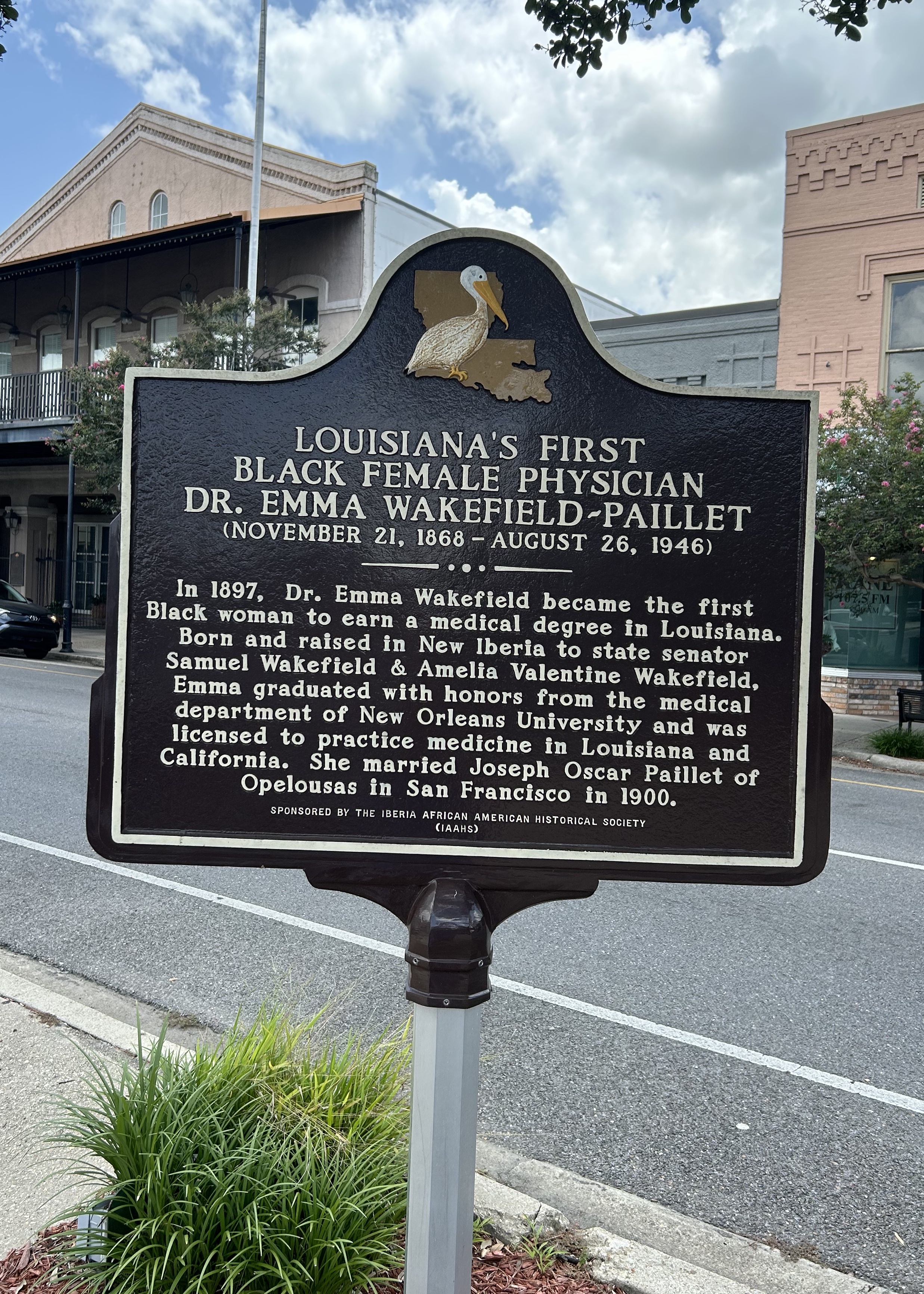
Historical marker commemorating Dr. Emma Wakefield Paillet in downtown New Iberia, Louisiana.
What struck me and my husband as we discussed the presentation was how Emma’s life personalized the history of the time period. Her tragedies were the tragedies of Reconstruction and Jim Crow laws, oppression of women and especially women of color, lynching, disease, etc.
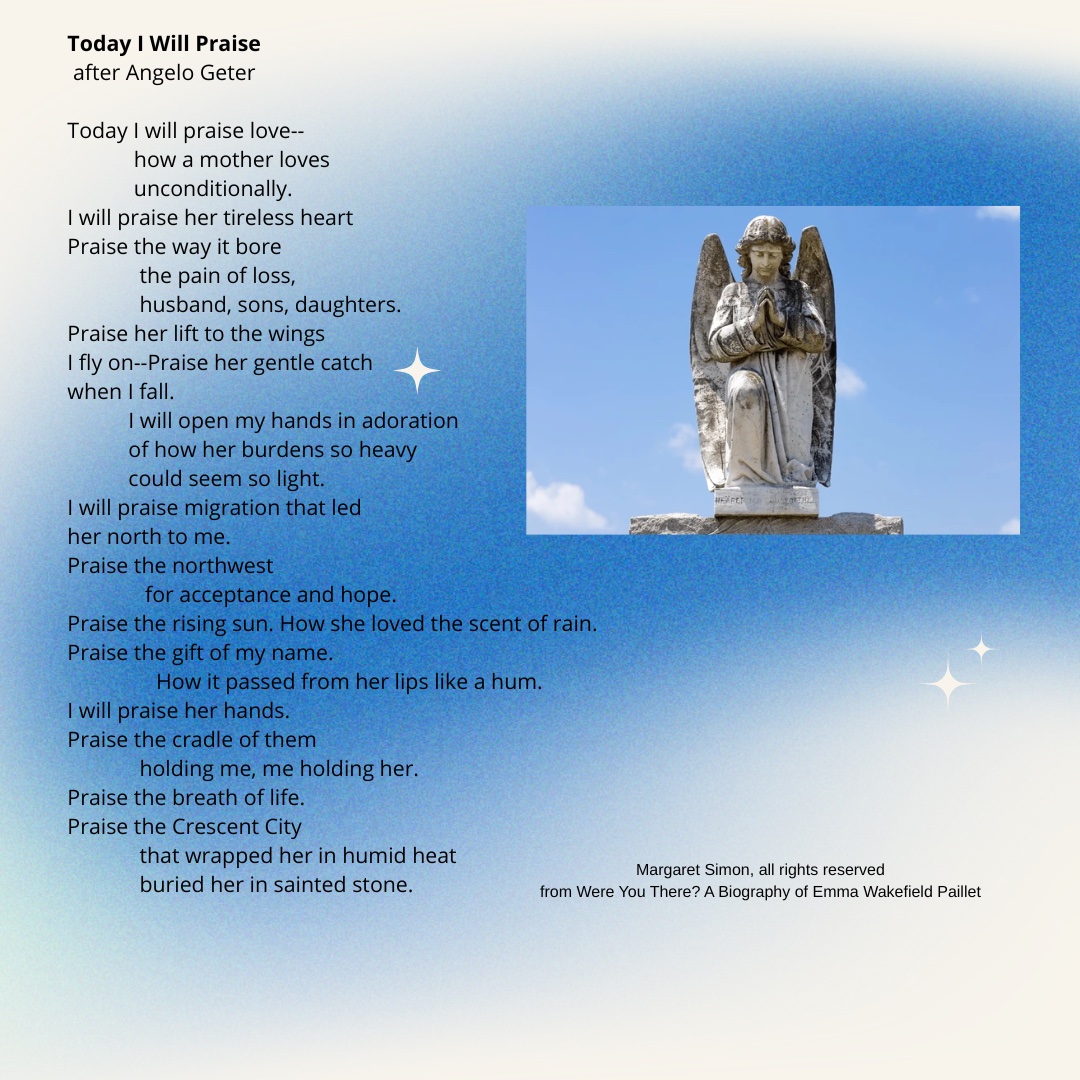
I read a few poems interspersed with Phebe’s talk. One of the poems I wrote for the book is a Praise poem after Angelo Geter, a modern spoken word poet. It’s a hard one to get through without my voice cracking because at this time my mother is at the end of her life. I’m emotional when it comes to mothering. Today, I dedicate this poem to her.
If you are interested in a signed copy, please send me an email. Our fellow Poetry Friday writer Linda Mitchell wrote the educational guide.
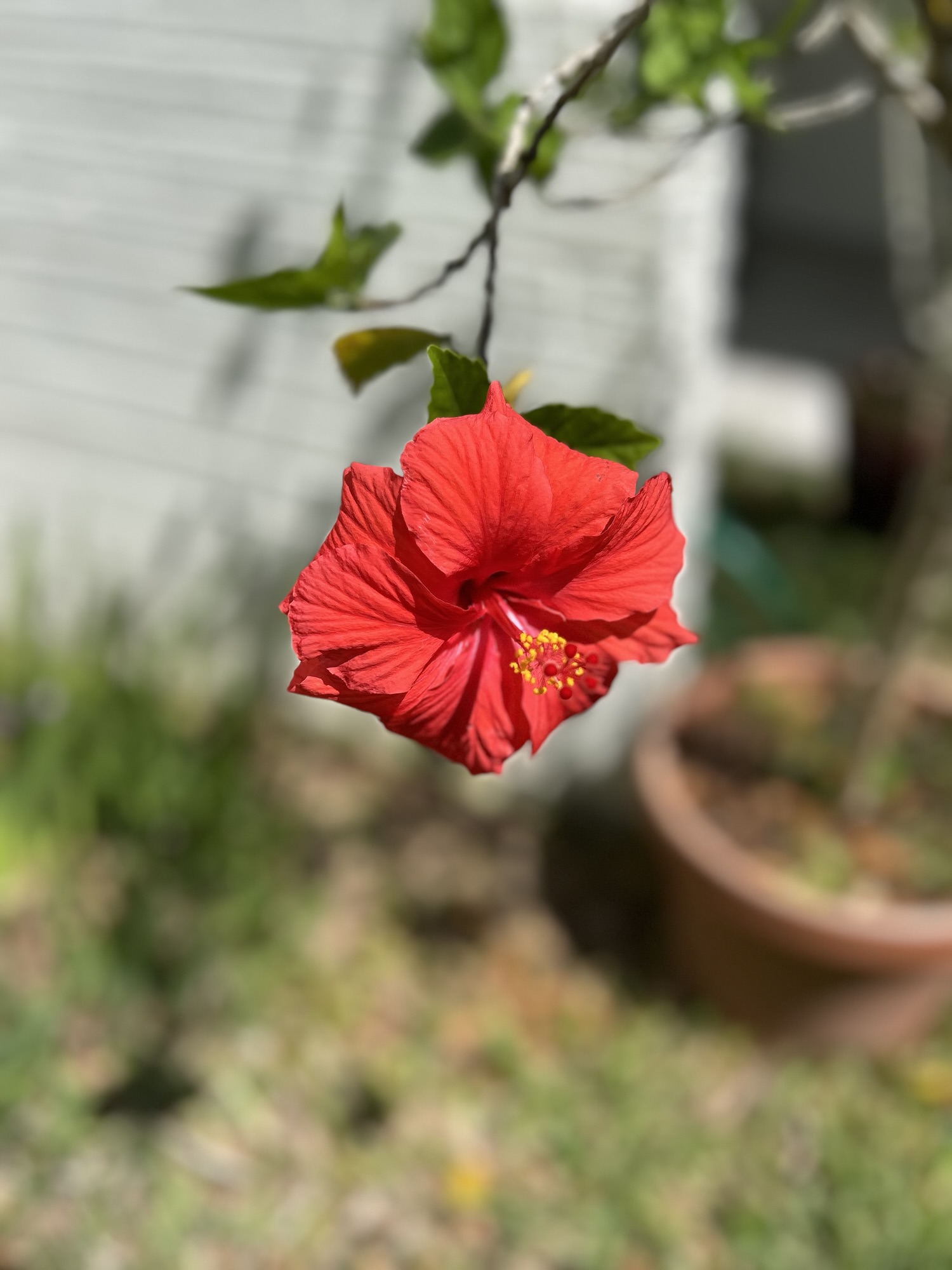
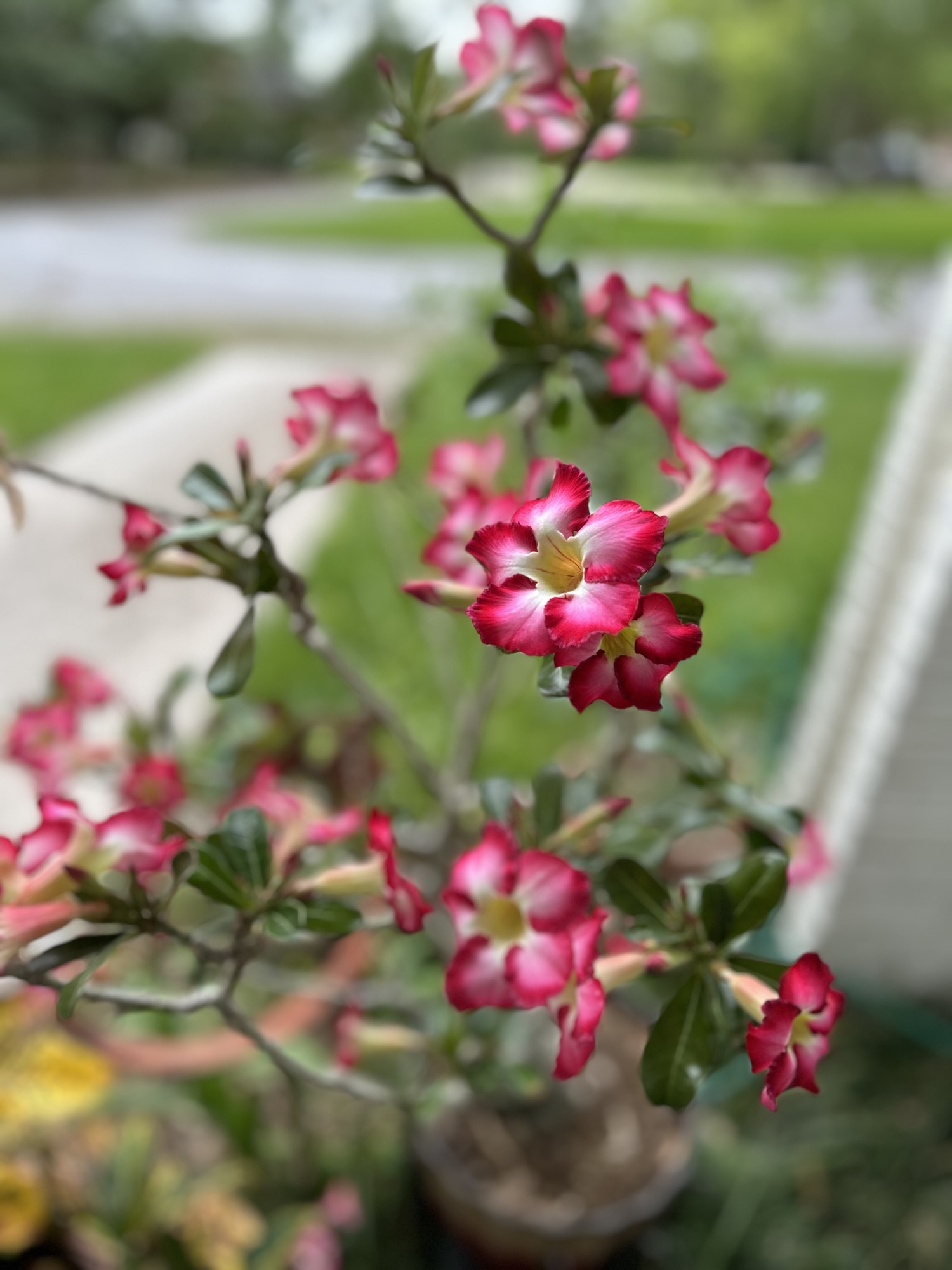
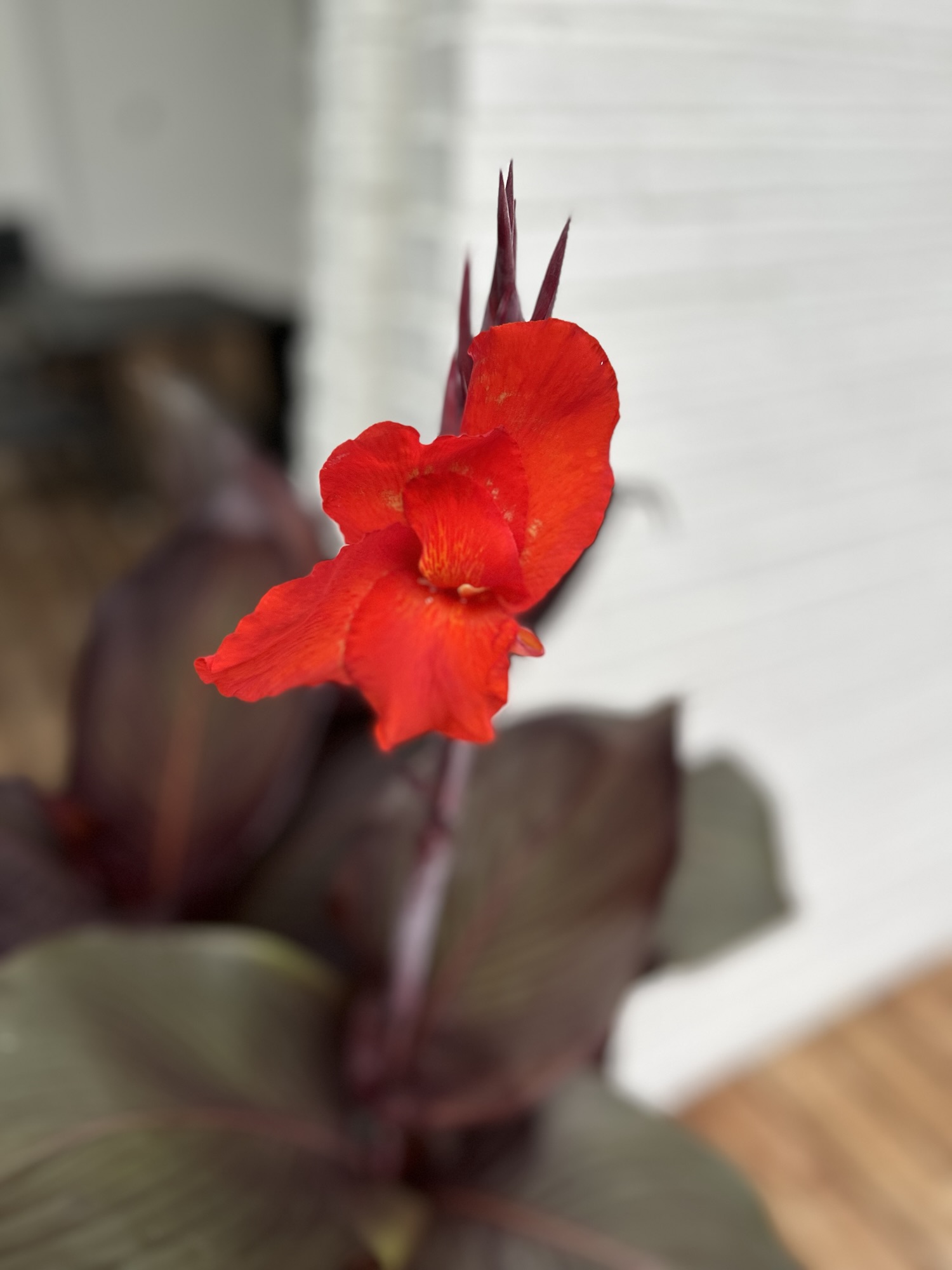
Last month I was writing a poem each day prompted by Ethical ELA. One of the prompts offered by Alexis Ennis invited us to write an ode to peace. This prompt landed on a Sunday when I had time to sit and sip on my back deck overlooking the bayou. In winter when I had to haul pots inside, I cursed my love of tropical flowers, but on this day, I was celebrating their quiet and bright emergence.
As I revised this poem, I asked AI to give it a title. I like the response, go figure, of “Waking in Red.”
Waking in Red
the corner of my heart slowing for breaths deep and long
on the cypress the cardinal busy on branches by and by
here is the ruby-throated hummer humming a second longer
there the glowing sun rising to light this day
space opens for red bat plant, desert rose, and buckeye
skin warms as I wake with the power of red. Margaret Simon, draft
I am writing a poem a day in May using #poemsofpresence and #smallpoems. Many of them are inspired by flowers. I invite you to join me on Instagram.
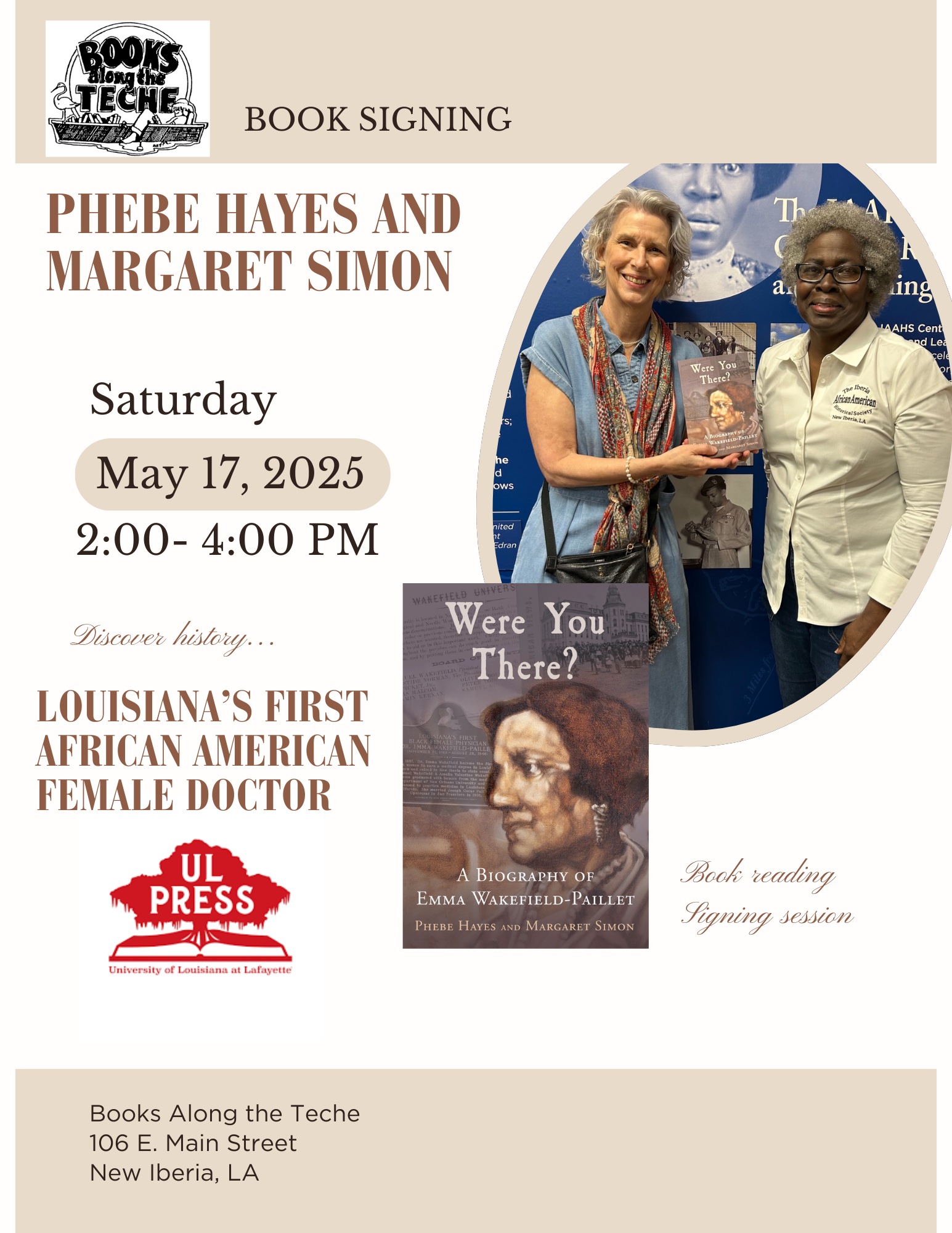
If you live nearby, come by Books Along the Teche (our local indie bookstore) for our book signing. Books Along the Teche will take orders for signed books.
but as light is to a star you can have this dandelion–
Every flower is a good flower to see.
These domes of ghost stars Astonish the grass–so much deliciousness.
Dazzle me, little sun-of-the-grass. You can still summon the summer day when you blew your wishes to the wind.
(line sources: Barbara Ras, Robert MacFarlane, Amy Tan, Jean Nordhaus, Emily Dickinson, Aimee Nezhukumatathal)
Jennifer Jowett encouraged us to gather a list of lines from other poets, authors, to create a cento poem. My process began with the books I had on my coffee table. Lost Words by Robert MacFarlane and Jackie Morris was there because I used a model poem from the book for my students today. This is a gorgeously illustrated book of acrostic poems. There is one using the word Dandelion.
I was reminded of a prompt from Georgia Heard using Barbara Ras’s poem You Can’t Have it All.
I enjoyed this creative exercise of gathering beautiful lines and adding form and my own words to create something entirely new. That’s what the creative process is.
Today is the release of my new book that doesn’t feel new to me. I’ve been writing and editing this book since 2018. Finally, you can read it, too. My co-author Phebe Hayes did all of the historical research on Emma Wakefield Paillet, the first African American woman to get a medical degree in the state of Louisiana. I wrote poems in Emma’s voice. Linda Mitchell, fellow Inkling and librarian from Virginia, wrote the educational guide. I am proud of this important work to connect to our past and forge a new future for women, for people of color, and for poetry that speaks the truth.
Thank you to Two Writing Teachers for creating an amazing community of writers and a safe, welcoming space to write and share.
Today is the last day of March which means I have finished my 12th year of writing a slice of life for 31 days. It’s easy to think this is some great accomplishment. But who matters more to me are the bloggers I do this with. Through the Two Writing Teachers blog, we have connected over time and space and supported each other. I always end with the wish that I had read more and commented more. What a wonderful community of teacher-writers! Thank you!
I also want to express my pride over my students who stuck with the daily slicing challenge. Julian wrote “This is the final day for writing and I cannot believe I actually did it. Before I ever did this challenge I was having trouble with writing 1 SOL a week. I never would have thought I would be able to write one continuously for a month straight. But I did and I’m very proud of myself.” You can view their posts at Fanschool/ GT Allstars
Tomorrow begins another writing adventure: National Poetry Month. Many of my poet blogger friends are doing projects. I will be writing with Ethical ELA VerseLove as I have done since 2020. At Ethical ELA, there is another great community of teacher writers who support each other.
I coordinate a gathering of children’s poets to write the 2025 Kidlit Progressive Poem. Linda Mitchell has bravely agreed to start us off. You will find her post at A Word Edgewise. We have three slots left at the end of the month if you want to play along. Kidlit Progressive Poem 2025 Sign Up.
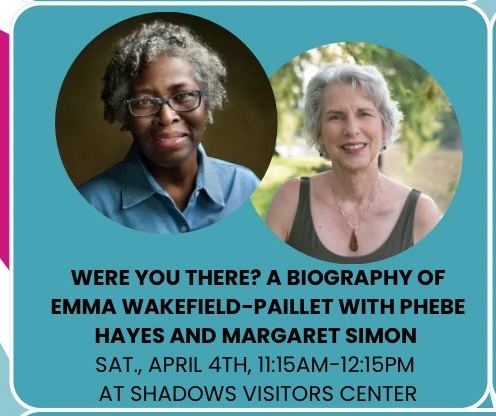
Tomorrow is a big day for me. Release day for Were You There? A Biography of Emma Wakefield Paillet that I co-authored with Phebe Hayes. I will be presenting this weekend at the Books Along the Teche Literary Festival at the Shadows on the Teche Visitors Center at 11:15 AM on Saturday. My co-author Phebe Hayes and I are excited to launch this important book about the history of New Iberia, LA. If you are local, please join us for this long awaited release.
Thank you to Two Writing Teachers for creating an amazing community of writers and a safe, welcoming space to write and share.
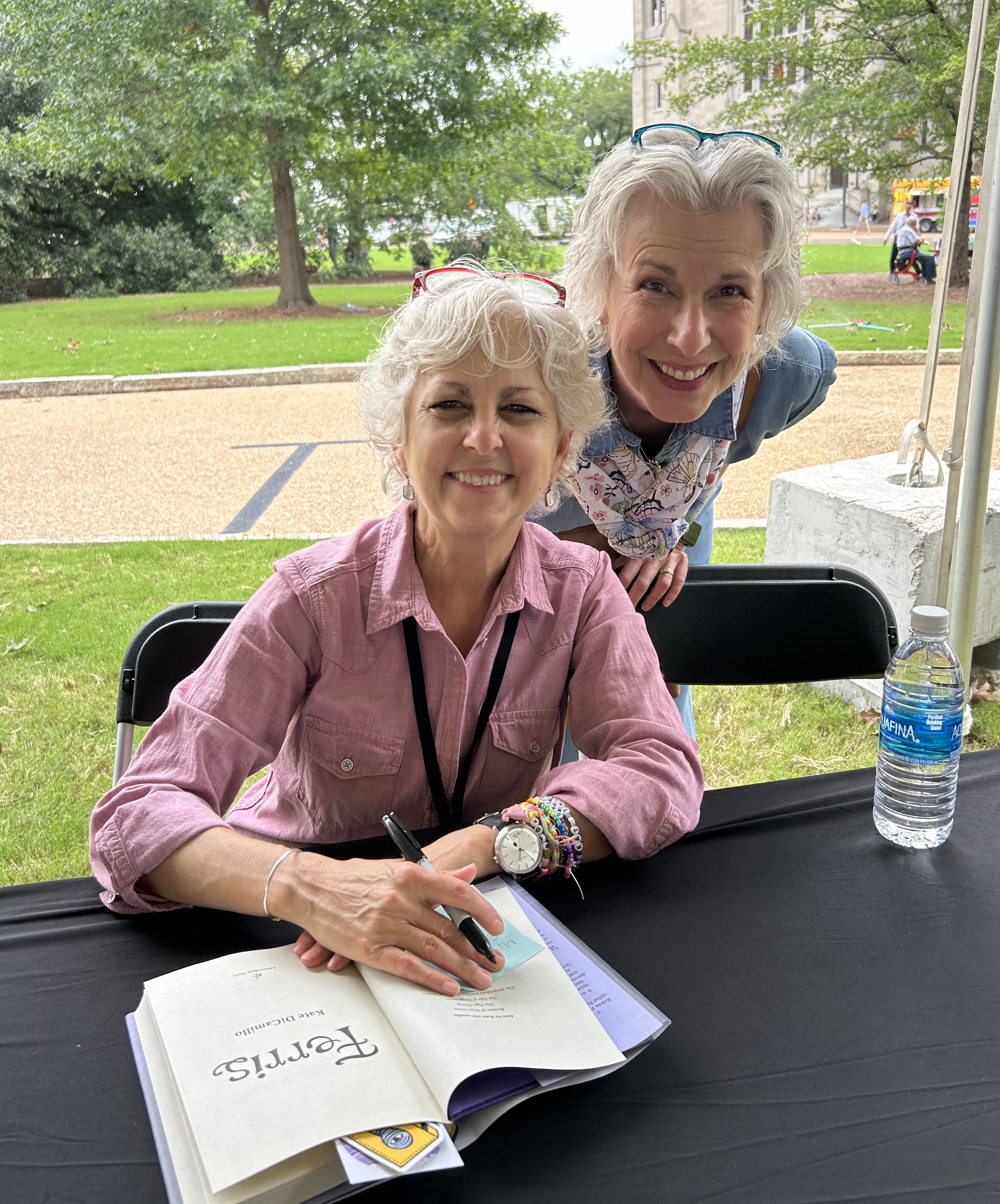
I have been reading aloud Kate DiCamillo’s new book Ferris. I’m a huge fan of Kate’s books. I stood in a long line to get a copy signed by her at the Mississippi Book Festival in the fall.
Pinky, Ferris’s sister, is an outlaw.
I’m reading the book to my combination 5th and 6th grade gifted class. Two of my girls got together and decided to create a sort of classroom game.
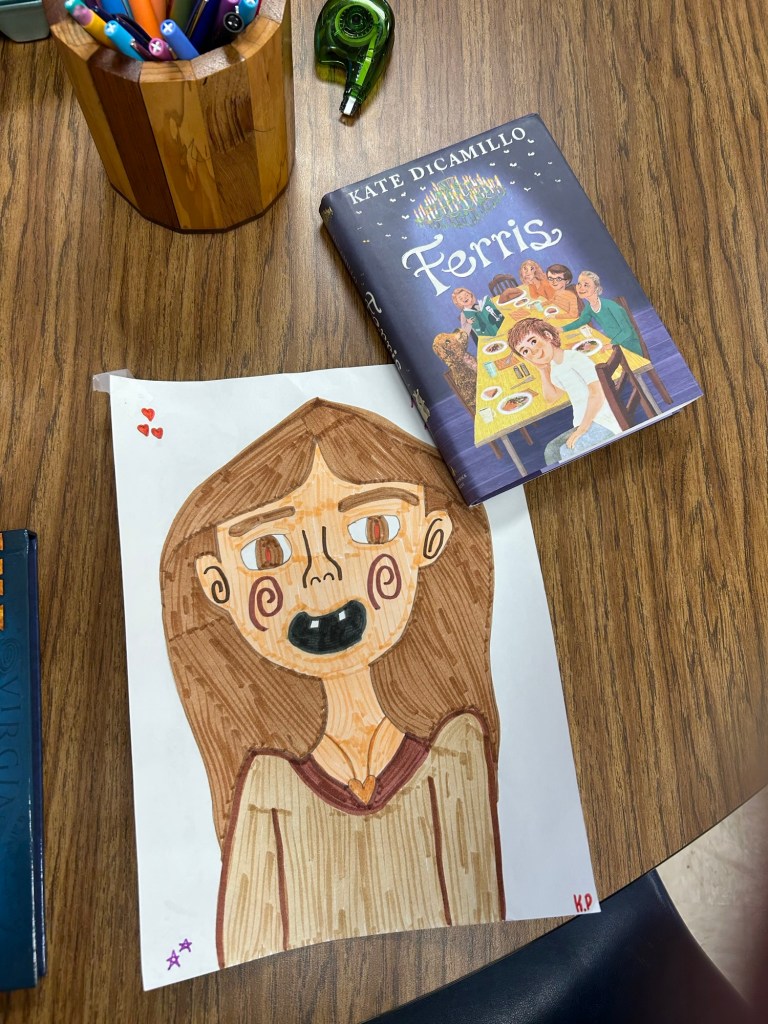
First Kailyn drew a poster of Pinky, Ferris’s crazy younger sister.
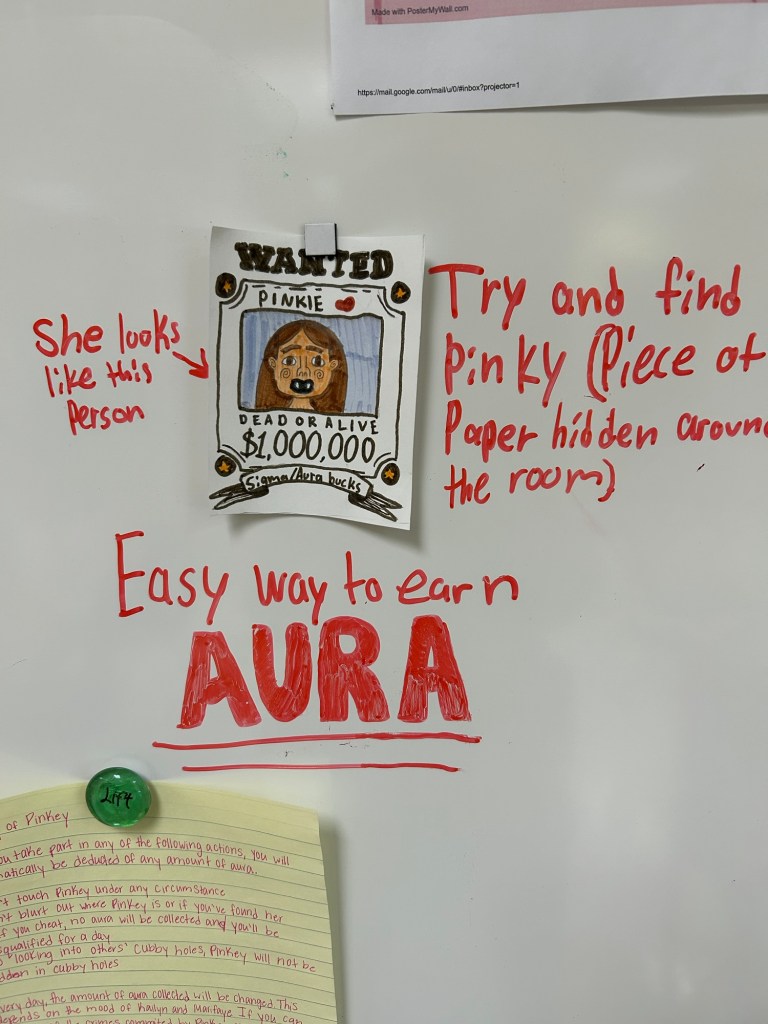
Marifaye made a wanted poster.
Together they made “aura” bucks.
They put me in charge of hiding her.
There is a list of rules, of course.
So far this game has been going on for two days. They’ve had to make a new rule that if you find Pinky, you can’t tell anyone (or even make gestures).
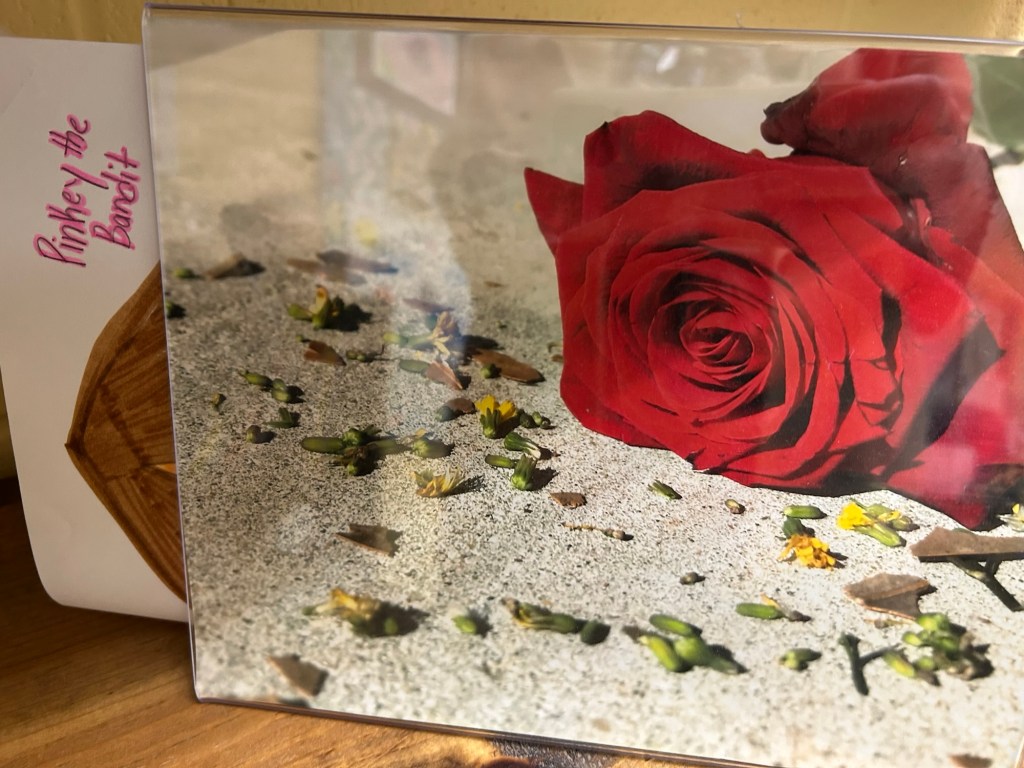
Pinky hid behind a photograph.
Today I put her in between books on the shelf.
So far no harm has come from this game and most of my students are playing along.
I don’t think I could have single-handedly come up with a better plan for engaging my class in a read aloud. I highly recommend Ferris. The basic theme that repeats throughout is “every good story is a love story.” With a sprinkle of Kate DiCamillo magic, my students are falling in love with this book.
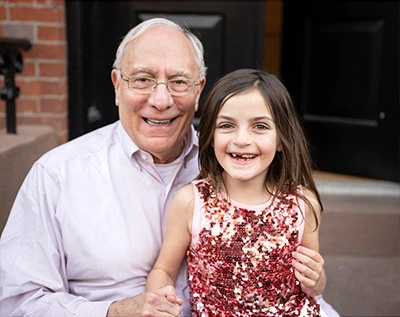
Author Phil Russotti with his granddaughter Stella.
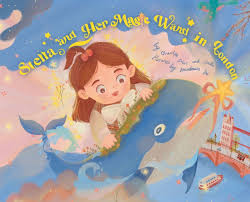
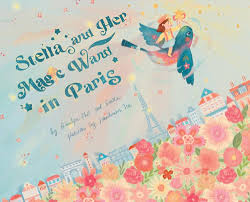
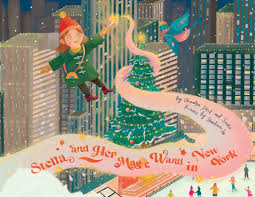
Phil Russotti sent me copies of his 3 Stella books because I am the grandmother of a girl named Stella. It was quite a coincidence to find out while reading his books that his character, Stella, has a brother named Leo. How can that be? When I read the books to Stella, my 4 year old granddaughter, she decided to change all the names to match her friends’ names. I think she believed the story was about her. And why not? In the books, the character Stella does all kinds of magical and fun things with her family, friends, and magic wand. She can even fly on her pet bluebird. The books are full of fun fantasy. My Stella feels special that she has books with her name in it.
Phil co-wrote the books with his granddaughter. I imagine doing that someday with my grandson, Leo, who is becoming quite the artist. This grandfather/granddaughter duo took the extra hard step to publication. I was curious about the process, so I sent Phil some questions.
Tell us about the book:
The first book “Stella in Paris” was conceived by Stella and myself during the Pandemic. We were living together for safety reasons when one day Stella said to me, “Grandpa I was thinking that I went to the top of the Eiffel Tower and waved my Magic Wand and the virus went away all over the World. “
I said that was a wonderful thought and a great idea for a story and we started developing the book. It was her idea that she got the Magic Wand from the Tooth Fairy and that she flew to the top of the Eiffel Tower on her pet bird, Mr. Tweet Tweet, her trusted companion. We then decided that Stella could do more helpful things and conceived of the London and New York books.
Why did you write it?
Stella’s initial idea was born out of her reaction of fear and incomprehension of what was happening with the spreading virus. Which I assume all children had. But her solution had a positive and powerful message of empowerment that I realized could serve as a lesson for young girls that they could conquer any problem if they put their minds to it. We then ventured to other locales to show how a young girl could solve problems all by herself and help people.
Tell us about the writing process or collaboration. Did you discover anything new about yourself as a writer?
The collaborative process was accomplished by me coming up with the basic story (ie. saving a whale that got caught in the River Thames) and asking Stella questions to which she supplied the answers to flush out the story. Such as “Where should the next book be based?” and she came up with London. I asked why would she go to London and she said that once the pandemic was over, people would want to travel, and it would be natural for someone in Paris to travel to London. So she went to London to meet new friends. When I asked if she took the Chunnel from Paris to London, she said, “No, I would go with Mr. Tweet Tweet.” We just proceeded from there, question by question and she filled in the details.
I discovered that I could engage in fiction writing, which is something I had never done, and in fact, I didn’t read fiction. It was a growing experience for me to help create stories.
Who was the book written for?
The books are written for young girls to see how powerful they can be and how they can solve any problem they put their minds to. They are books of empowerment.
Could you share an example or excerpt for the audience?
In London when the whale inadvertently broke her Magic Wand, Stella had to figure out how to fix it. She came up with asking another woman, the Queen of England. When she met the Queen, she bowed and then said, “You’re welcome, but please Your Majesty can you fix my Magic Wand?” The Queen exclaimed ,”I’d be happy to”, and told Stella to hold the pieces together. The Queen then picked up her giant scepter and waved it over the wand saying, “Whippety, whoopity, whopp, Wand Wand come together!” and the wand was fixed better than ever. Two women solving the big problem together!
Thank you to Two Writing Teachers for creating an amazing community of writers and a safe, welcoming space to write and share.
Who among us doesn’t love a good book festival? This weekend my husband, my hero, offered to drive on Friday after work so that we could attend the Mississippi Book Festival in my home town of Jackson, MS. We had plans to visit my mother, but the book festival started at 9 AM, driving late into Friday evening was necessary.
It was so worth it! I was able to see an interview with Kate DiCamillo who is always a delight. With Ellen Hunter Ruffin, who is a hoot in her own right, they bantered and kept the audience laughing. Kate was introduced by none other than Ann Patchet, who later joined her on a panel about friendship and narrative.
When a teacher in the audience asked Kate about themes in her books, she said, “I have no idea what the themes are. Forgiveness and family seem to be my preoccupations. Those things are in there unwittingly. The only way to tell a story well is to let your guard down. Be vulnerable.”
As a teacher, a standard that I hit my head on constantly is “identify the theme.” It is so interesting to me that theme is the last thing an author thinks about when writing, if at all.
Kate is a cheerleader for reading aloud. I’ve started reading her new book Ferris to my students. They can’t wait to read more.
Kate DiCamillo after signing hundreds of books. We could be best friends.
Authors are real people. They struggle, as we do, to make sense of the world and to do their best to mold and shape the lives of children.
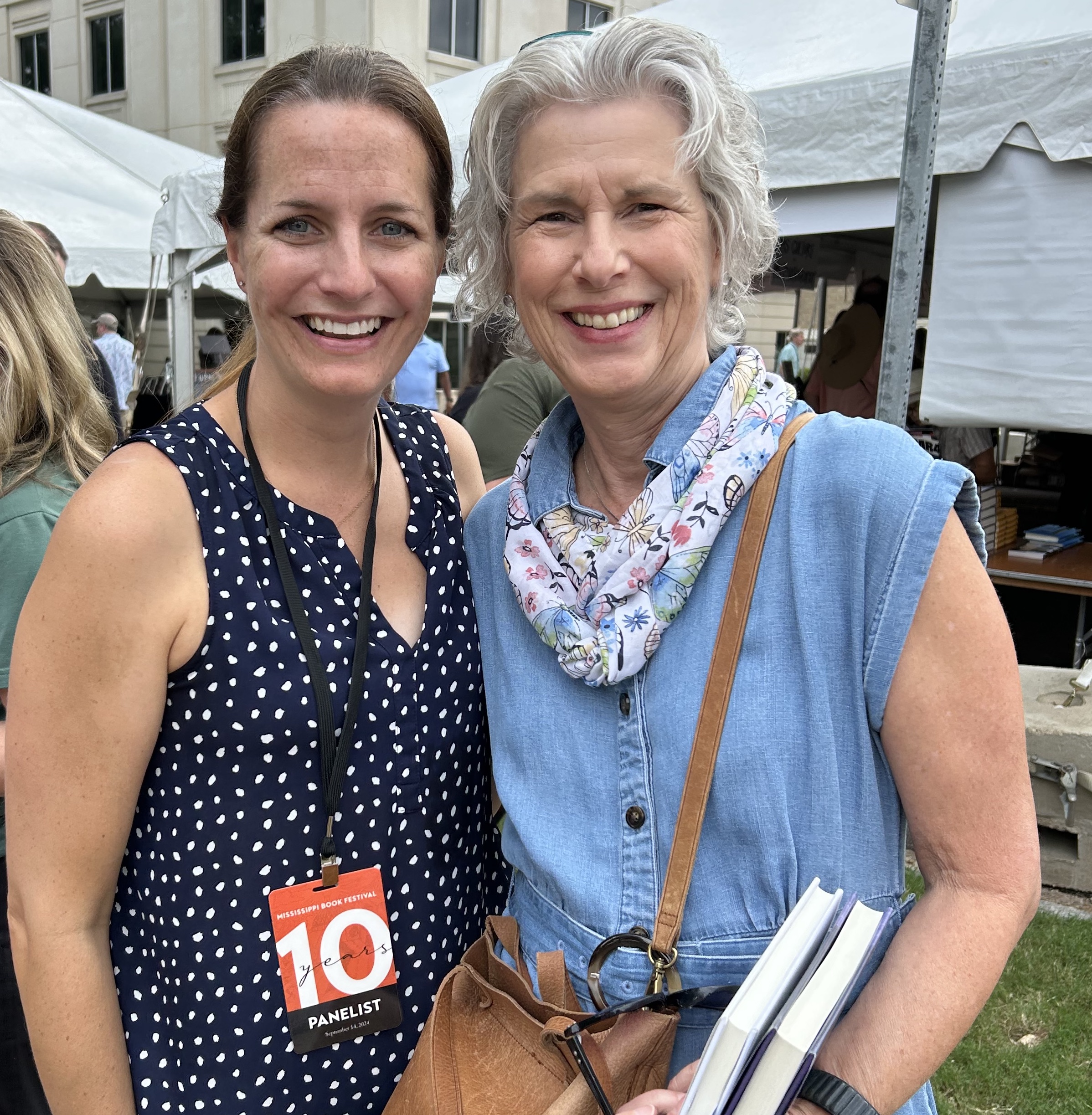
I ran into a new children’s book author who I had met at the Fay B. Kaigler book festival in April. She joined me and Irene Latham for dinner one night, and we hit it off immediately. Fate and this festival brought us back together. Her new book is Trunk Goes Thunk: A Woodland Tale of Opposites. She was on a panel of children’s book authors. They talked about who they were and where their ideas came from. Heather was enthralled by a live cam video of a fallen log. She wanted to write a book about all the animals that travel the log bridge which ultimately leads from separate to together. If you collect children’s books, be on the lookout. It’s coming out soon.
Author Heather Morris and me at the Mississippi Book Festival.
On Saturday, early in the morning, I set up a booth with two of my regional SCBWI friends. We offered our books for sale and some fun crafty activities for kids at the Lafayette Farmers & Artisans Market.
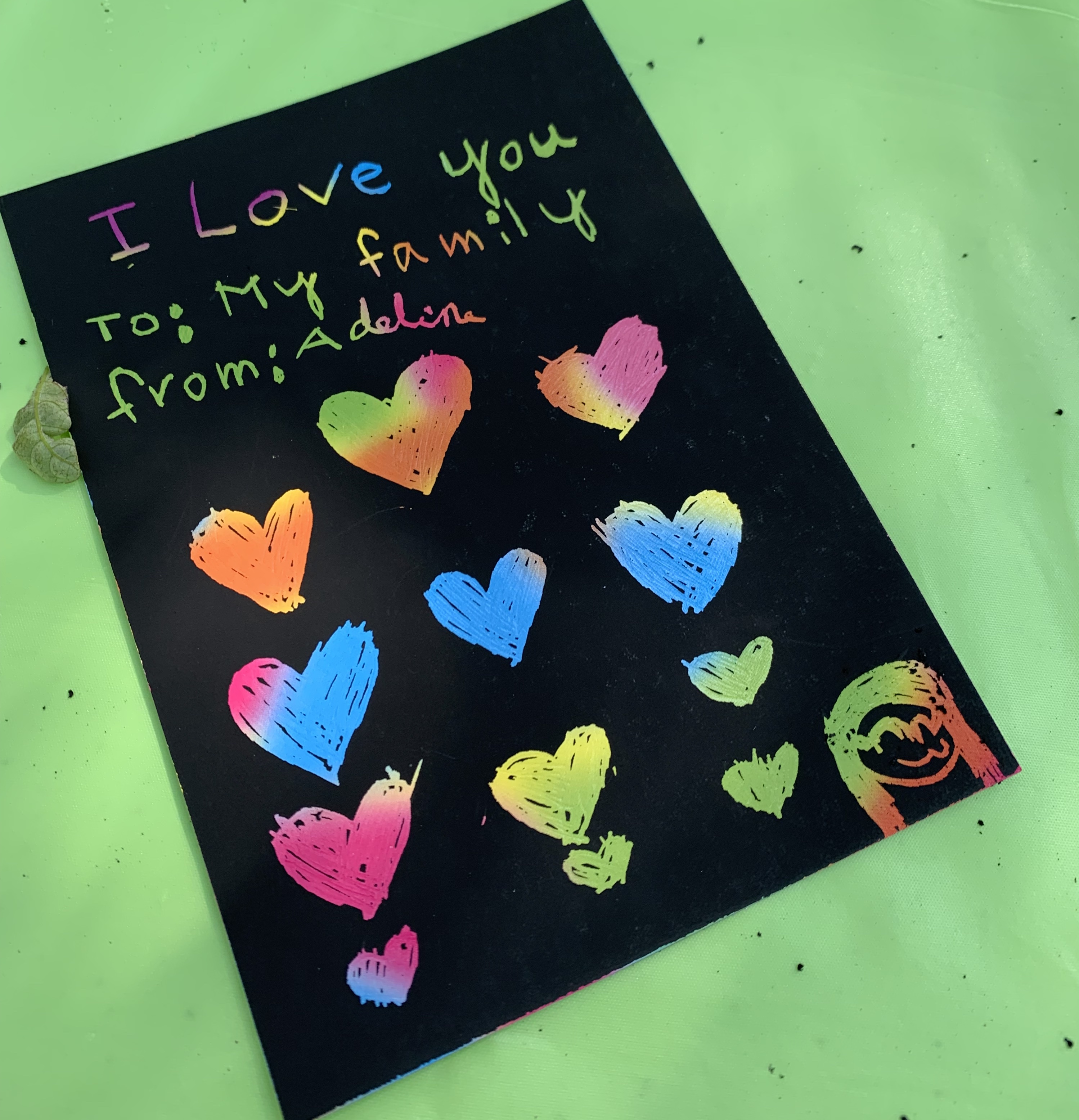
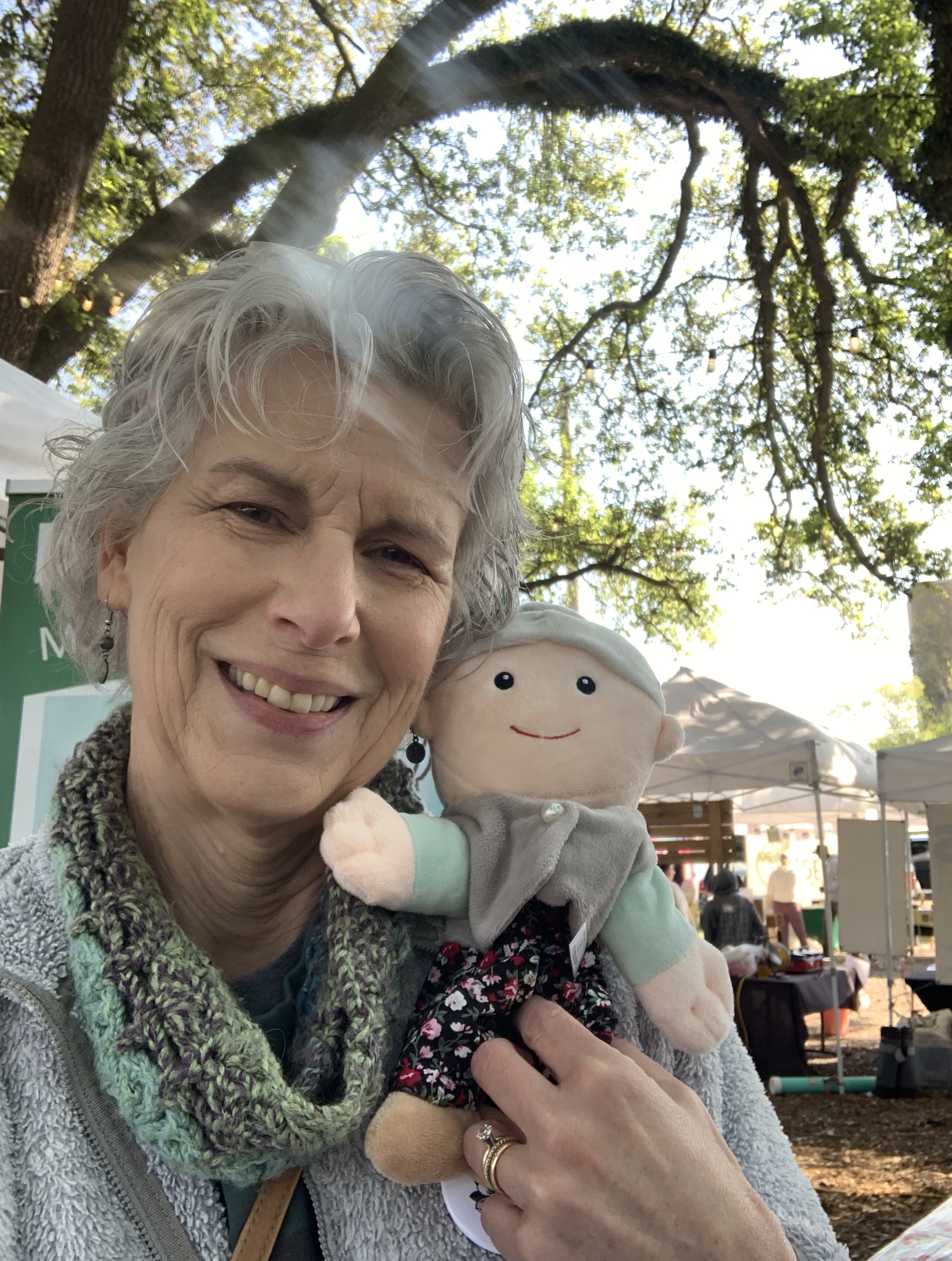
Rainbow paper is magical.Me with Mamere dollMy only sale of the day!
Middle grade novels and poetry books are not best sellers in this market. My friends who have picture books sold more than I did. But I didn’t care. It was a beautiful day!
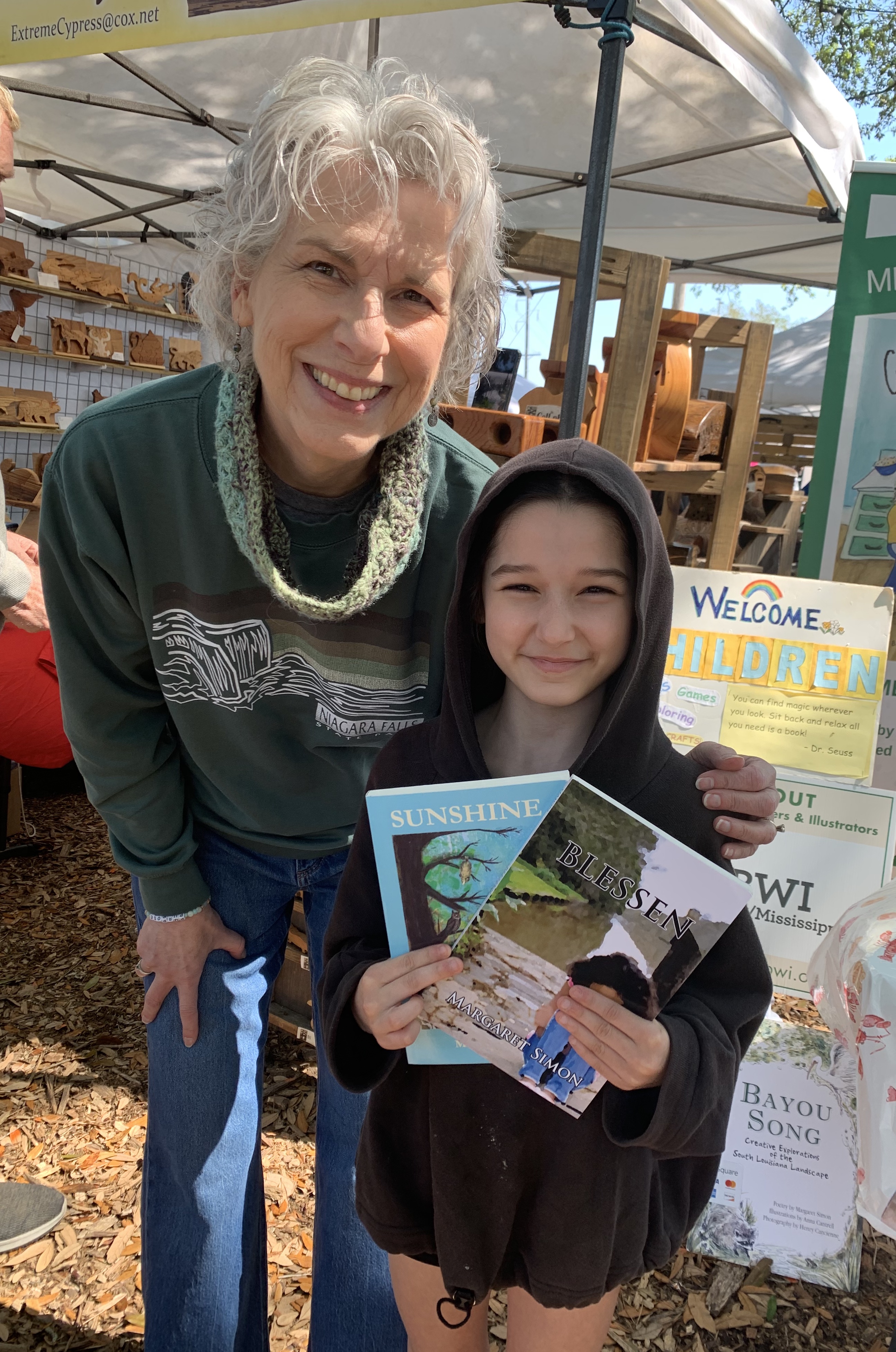
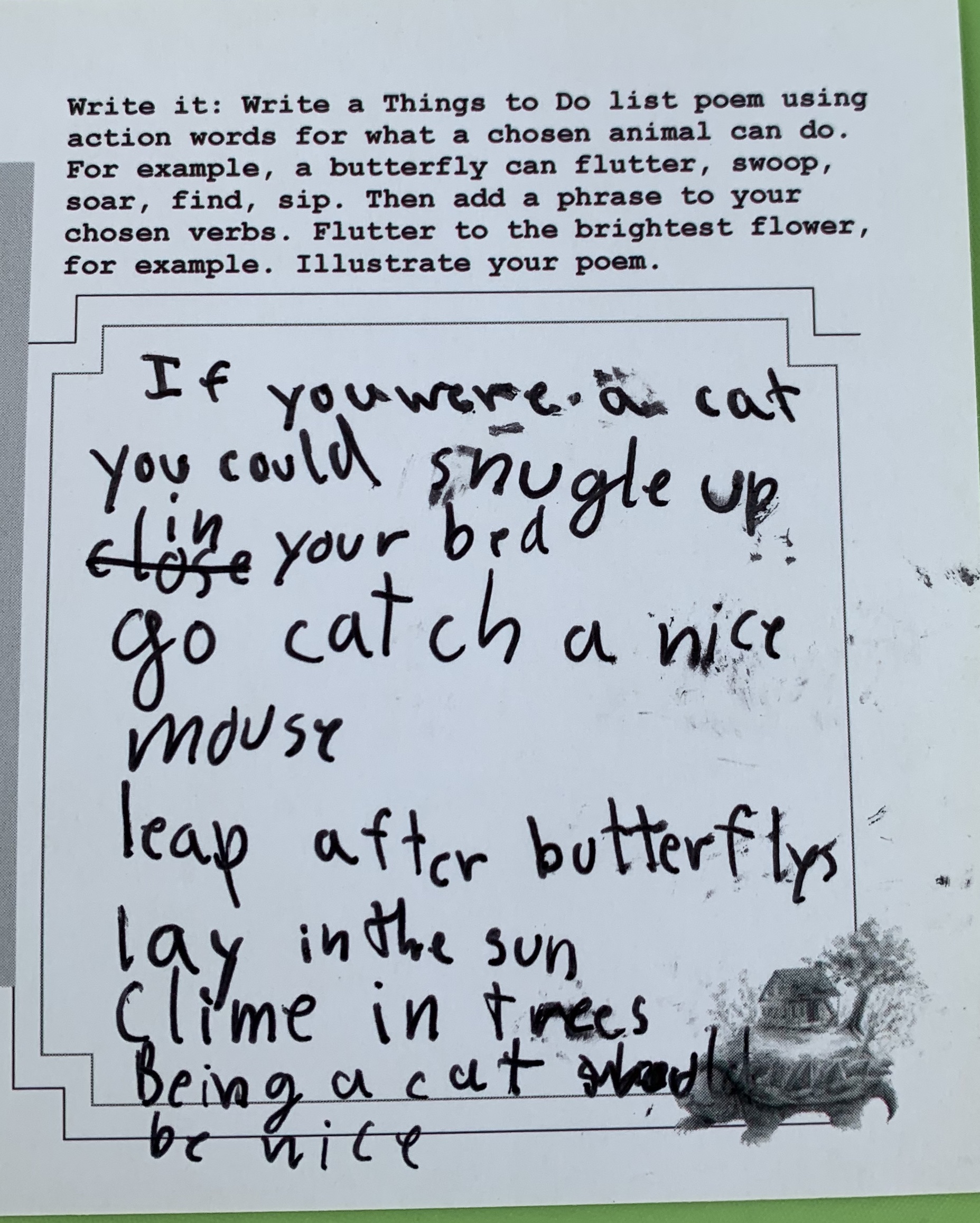
When I saw a middle grade girl, I asked her if she would like to write a poem. She looked eager, so I gave her a card with a prompt from Bayou Song, a Things to Do poem. She did it! I told her she was the poet of the month and posted it on Facebook. Her mother recognized immediately that we were all teachers and said, “This is a magical space.” That comment and her daughter’s poem made every minute worth it.
Thank you to Two Writing Teachers for creating an amazing community of writers and a safe, welcoming space to write and share.
On Sunday afternoon, the rain had stopped, the air was a perfect 70 degrees, and my house was full. Full of people with great admiration for my mother-in-law, Anne Simon, who once served as a district judge in a three parish area of Louisiana. She was not holding court, but the respect and honor was present. Minga (her grandmother name given by my oldest daughter) was signing her 5th book. Her first book Blood in the Cane Field came out in 2014. She has only been a writer for 10 years. She is 92 years old.
Actually, Anne has been working on being an author for a long time. She graduated from Wellesley and was the token woman chosen from her class to attend Yale Law School. Mona Lisa Smile was a movie based on her Wellesley class. At Yale, “They didn’t even have female bathrooms,” she told me. At Yale, she met Jerry Simon, a young man from an exotic place, New Iberia, Louisiana. In 1956, she was the only woman law school graduate in her class at LSU Law School. Jerry had swept her away from Yale to plant her firmly in Louisiana soil. From 1956-1984, Anne and Jerry practiced together as partners in a law firm. My husband Jeff joined the practice in 1981. In 1985, Anne ran for District Judge and became the first woman to hold that office. In her retirement, she served as an ad hoc judge for the Louisiana Supreme Court. All that time, she collected stories.
On Sunday, Anne told the group gathered in our home about how she came to write this latest novel, Blue, Gray, and Black Blood: The Civil War in the Bayou Country. She was interested in Civil War history. In her studies, she found that farm boys from western Massachusetts volunteered for the Union Army. She knew this area of the country well (Wellesley is located in Massachusetts) and imagined that they might have crossed paths with French speaking African Americans in Acadiana.
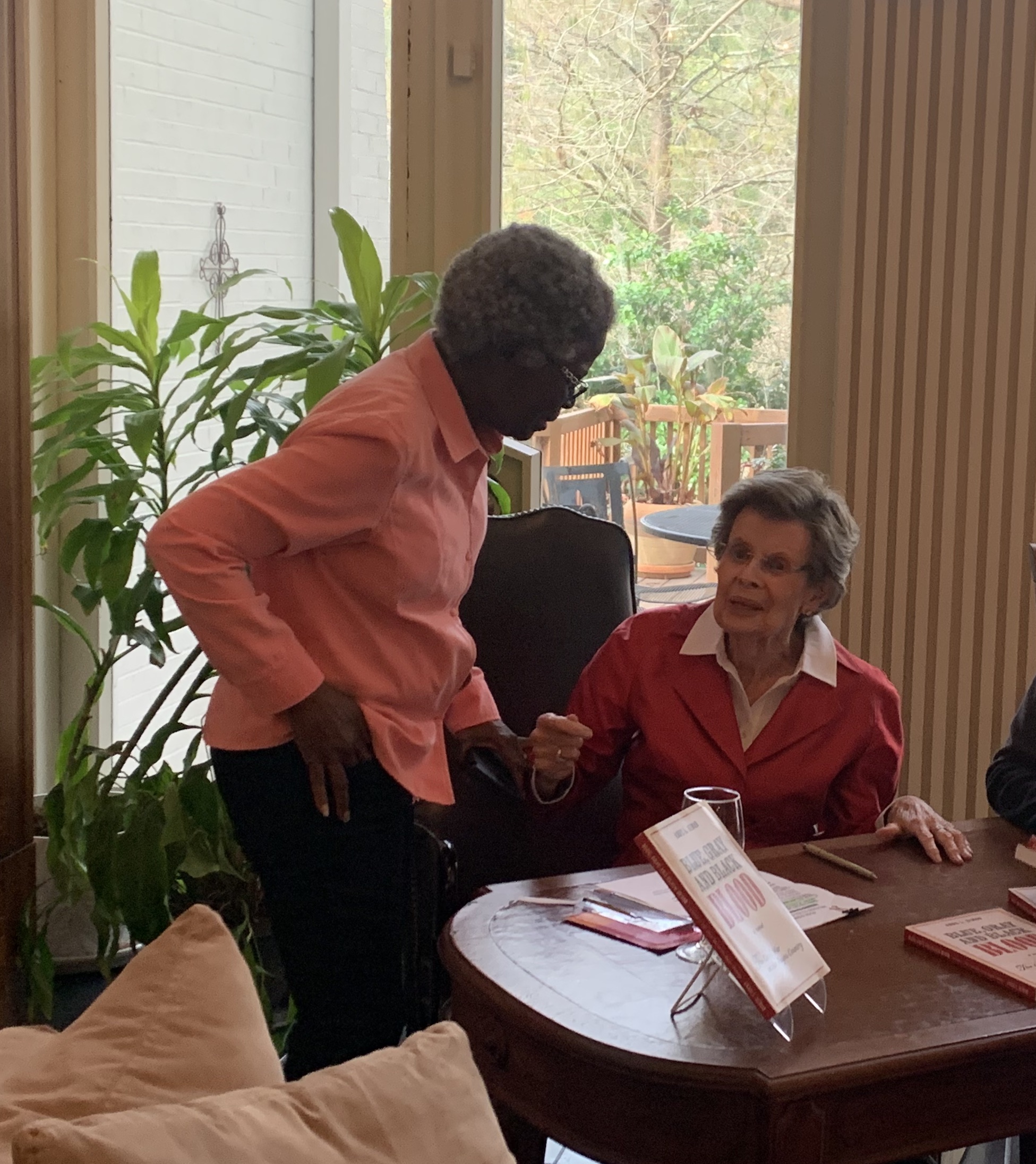
This photo shows Anne talking with Phebe Hayes, a historian and founder of the Iberia African American Society. Phebe was studying her family’s genealogy when she had lunch with me and Anne on the back porch of Anne’s house. I was there when the two discussed Phebe’s discoveries about her ancestry. Her ancestors were French speaking Creoles who joined the 52nd Massachusetts volunteers heading west. Through Anne’s thorough research, she wrote a historical fiction book “so you could imagine what it would have been like to live during that time.”
Phebe Hayes, left, and Anne Simon, right, celebrate the publication of a book that shares their history.
“We need to know every group’s history, not just our own. They intersect and we understand more when we know more,” said Anne to the crowd gathered. I was honored to be able to provide my home for the book signing. And many thanks to the people who helped with the event.
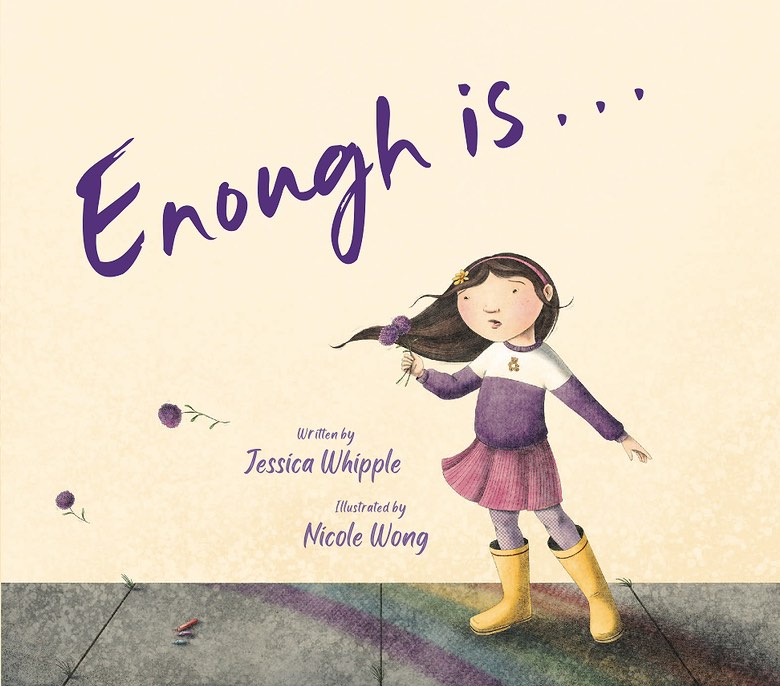
I was introduced to Jessica Whipple by my friend Irene Latham. What a delight to read her new picture book “Enough is” illustrated by Nicole Wong. Enough was my One Little Word for 2022. When I need to remind myself that I am enough and I have enough, I wear the bracelet that bears the word. Jessica took this idea and stretched it into love in a picture book. “Somewhere between a little and a lot, there is Enough.”
The child character is learning about enough. “Enough isn’t a number,” so she wonders, what is enough? She comes to the profound conclusion that when you have enough, it’s easy to share.
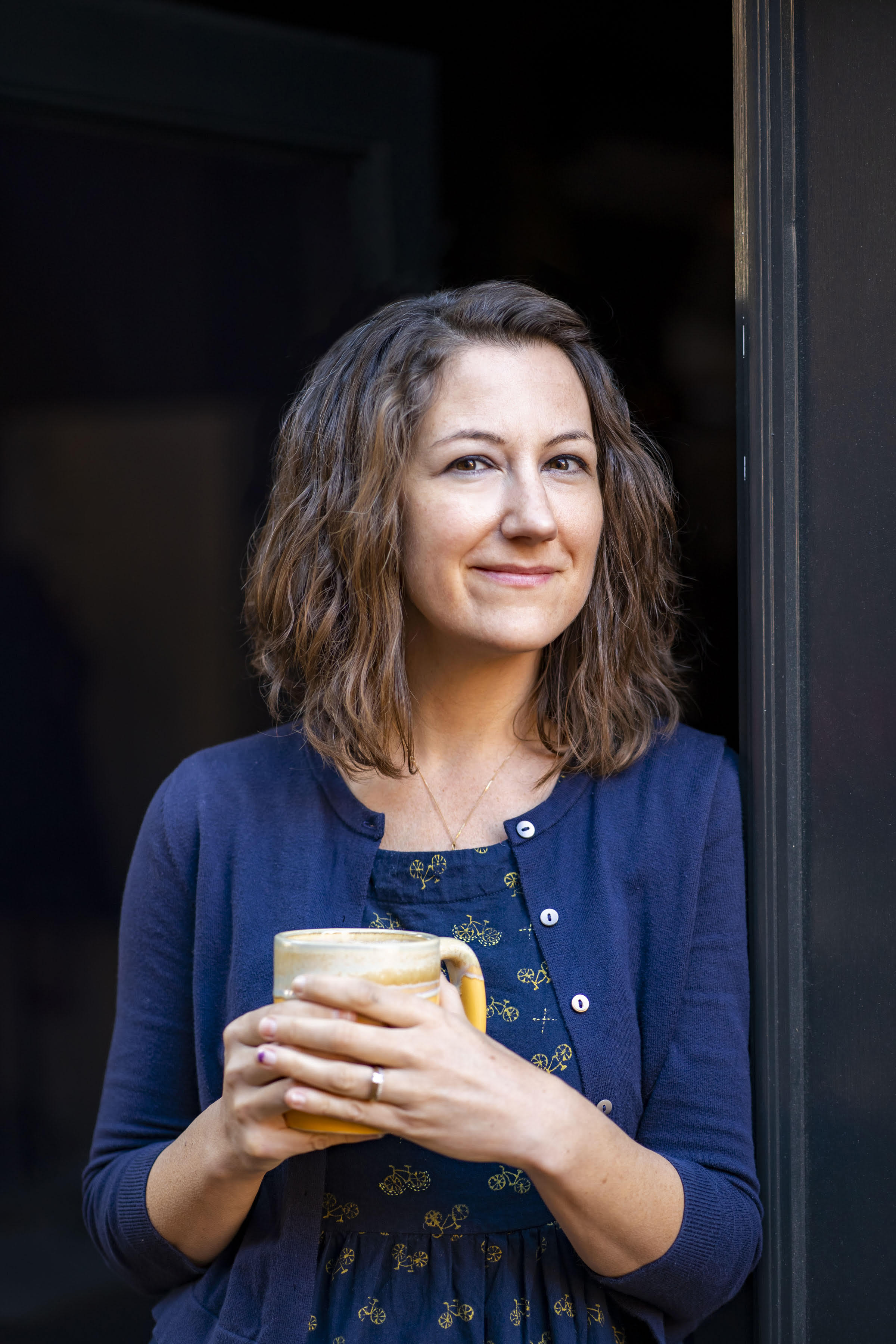
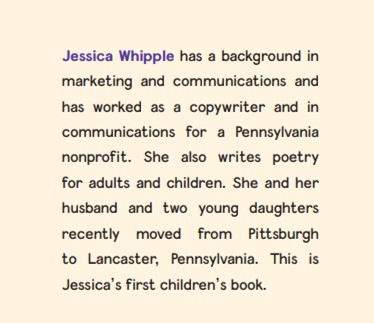
I asked Jessica to answer some questions about her author’s journey to publication. Her book Enough Is published this week.
How would you describe your journey as a writer?
My journey as a writer began as an experiment! I’m a “try it and see what happens” kind of person. In short, I had an idea (out of which came my first book, ENOUGH IS…), and then the question “I wonder if I can write a picture book?” And soon after, “What does it take to publish a picture book?” I was a young-ish mom, so picture books were starting to fill my consciousness! And I have a degree in communications, and so writing has been part of my make-up for some time. Four, maybe five years later, here I am and I never expected to answer my first two questions in such a delightfully surprising and satisfying way.
How does writing poetry help when writing a picture book? How are they different?
There are similarities in form between a free verse poem and a picture book, and of course a rhyming PB and a rhyming poem. There tend to be short lines in both forms, economical language, a set “flow,” lyricism, introspection, toying with reader expectations…I could go on! In fact, I am working on a virtual or in-person presentation for poetry-loving highschoolers about this topic. Shameless plug: I would love to speak to your student literary magazine or English class!
Is Enough a concept you feel young children have a hard time with? What is your experience with this concept?
Very much, yes! And my own experience is that I have a hard time with it as an adult, even! As a child, I remember the sadness that came after, say, a back-to-school shopping trip and how conflicted I was with the realization it was all just “stuff,” yet somehow I wanted more of it. And now, without limits, I’ll simply keep eating chocolate chips out of the bag if I don’t remind myself that I wrote a book about this very thing! “Enough” is hard because it’s uncomfortable. We want…things, friends, happiness, you name it…so the more we help each other learn contentment, the easier it is to feel comfortable with having enough.
What part of the publishing journey is your favorite? Your least favorite?
Oh man I love querying! And now that I have an agent, Emily Keyes of Keyes Agency, I don’t get to do that anymore! I love the process of doing the same thing over and over again trying for a good result. But I suppose I can keep doing that as I work to promote my books… In terms of my least favorite part of the publishing journey, definitely the waiting!
Do you have any writing rituals that others may find helpful in their own writing?
I wouldn’t say this is a ritual, more of a mindset, perhaps: It doesn’t hurt to ask! For anything! As long as you are respectful, polite, and grateful, by all means, ASK. THE. QUESTION! Maybe it’s, “Is my manuscript still being considered?” Great one! As long as you’ve minded submission guidelines, send a brief email and ASK! Or are you seeking a blurb from an author you love? Say why you admire that author and ASK! I can’t tell you the many times putting myself out there and advocating for myself–not aggressively, but confidently–has led to positive results.
Welcome Jessica to Poetry Friday with your comments. Don’t forget to follow the Kidlit Progressive Poem to Sarah Grace Tuttle’s site today.
And because it’s National Poetry Month and I am writing a poem each day, I have a Zeno about the word Enough. J. Patrick Lewis invented the form using a mathematical pattern of 8,4,2,1,4,2,1,4,2,1 in which the one syllables rhyme. I’ve been watching ruby-throated hummingbirds fighting over the feeder.
Enough
When I am down, worried about having enough, God sends me hummingbirds flit- flapping free, messengers of “Enough, See!”
Margaret Simon lives on the Bayou Teche in New Iberia, Louisiana. She is a retired elementary gifted teacher who writes poetry and children's books. Welcome to a space of peace, poetry, and personal reflection. Walk in kindness.







 Reflections on the Teche