Feeds:
Posts
Comments

Archive for the ‘Books’ Category

Join the IMWAYR meme.

Join the IMWAYR meme.

Today I am joining the roundup of kidlit books at Teach Mentor Texts. Click on over for more reviews.

Use this button created by Leigh Anne Eck to post your Digital Poetry this month.

Use this button created by Leigh Anne Eck to post your Digital Poetry this month.

I am the guest writer on Laura Shovan’s blog today, Author Amok. I wrote about Ellen Bass’s poem The Orange-and-White High-Heeled Shoes.
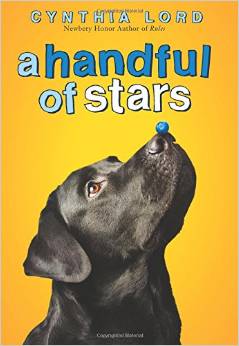
handfulofstars

When Cynthia Lord offered an ARC of her latest novel A Handful of Stars on Facebook, I commented and was added to the list. A copy came this week, just in time for Spring Break reading.

I was immediately drawn in to this story when Lily chases her blind dog into a blueberry field. Lucky is stopped by a migrant girl, Salma Santiago, who becomes a new friend to Lily. Salma is artistic and wants to help Lily raise money for an operation for Lucky. She joins Lily in painting mason bee boxes. The two become fast friends.

Lily is a complex character. She lives with her French Canadian grandparents who own a general store. You get the sense that the family is still grieving the death of Lily’s mom even though Lily does not remember her. The dog Lucky is her connection to her mother. Lily is also dealing with the change in a childhood friendship. Salma brings hope to Lily. Salma opens up Lily’s mind about art, migrant workers, and friendship.

Cynthia Lord creates a story that not only touches; it also teaches. I learned a lot about blueberry harvesting in Maine (which is different from blueberries in Louisiana.) Through Pépère, Lily learns life lessons. I’ve been wanting to experiment with black-out poetry and Zentangle. I made a copy of a page in which Pépère speaks to Lily about how Lucky (dogs) can teach us. I highlighted words to create a poem and drew Zentangle designs to black out the words. Zentangle can be meditative. Kind of like doodling.

Lucky
wants to see.
He seems happy to me.
We learn from dogs.
They don’t ask ‘why me?’
They find a new way to be happy.

Setting something free
takes faith.
Handful of Stars Zentangle poem

Read Full Post »


SOL #25

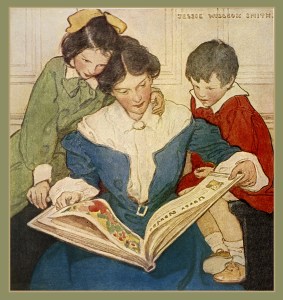
Jessie Wilcox Smith, Flickr, 1915 "The New Book"

Jessie Wilcox Smith, Flickr, 1915 “The New Book”

Reader response has been an integral part of my gifted classroom curriculum. Now that the first round of testing is done, I am wondering if there is a way I can continue using reader response while integrating testing style writing.

I hesitate to call this authentic writing because God knows I don’t write about every book I read. “Sometimes I just want to read for the pleasure of it,” one student said exasperated by yet another reader response assignment.

But sometimes it is helpful to write to process thinking, or to make that metacognition happen in the first place. I am doing that very kind of writing right this minute. Writing to discover. Could reader response be a discovery? Could we learn as we write?

In my class this morning, we had a discussion about theme. I was pushing my young writer to think deeper about his reader response. He said he thought the theme was stated in the title, “Walk Two Moons.” I grabbed this statement and held on.

“What is meant by the title?”

“Don’t judge a man until you have walked two moons in his moccasins.”

“Are there examples from the story to prove this theme?”

He continued by recalling scenes from the book. “So, what is the most important thing about your claim that this is the theme?”

“Text evidence!”

I love when we make connections between what we are actually doing when we read with what the testers want us to do. You must support your claim with evidence from the book.

Linda Baie posted yesterday about reader response. Here are some take aways from that post that I want to build into my renewed reader response assignments:

  1. Think about the book as a whole.  What theme arises?
  2. What imprint does this book leave on your life right now?
  3. Talk about the author’s craft.  How did the author tell the story?
  4. Is the main character in your heart?  Why?  Did he/she teach you anything?

It is also important to have book discussions with your students individually.  I talked to Jacob this morning about his reader response.  He wrote that he would like to go to the moon.  I asked, “Can you tell me more about this?”

He said, “I really don’t want to go to the moon.  I am scared of how you would float out into space.”  He eventually wrote about the earth having an atmospheric bubble that helps you breathe.  So much more interesting than the patent answer.  I told him this.  He became proud and confident in his own personal response to reading.  It became about more than the facts in the book.  He became an authentic reader and writer, expressing his own fears and understanding about outer space.

I want reading to be freedom for my students, not a burden.  Freedom to fly into outer-space or to walk two moons.  Freedom to find their own way exploring the world in books.

walk two moons


Read Full Post »

SOL #23

SOL #23

Join the IMWAYR meme.

Join the IMWAYR meme.

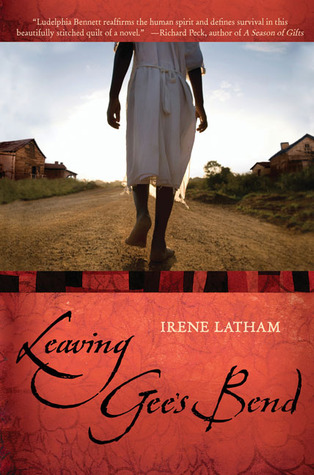
Saving Gee's Bend

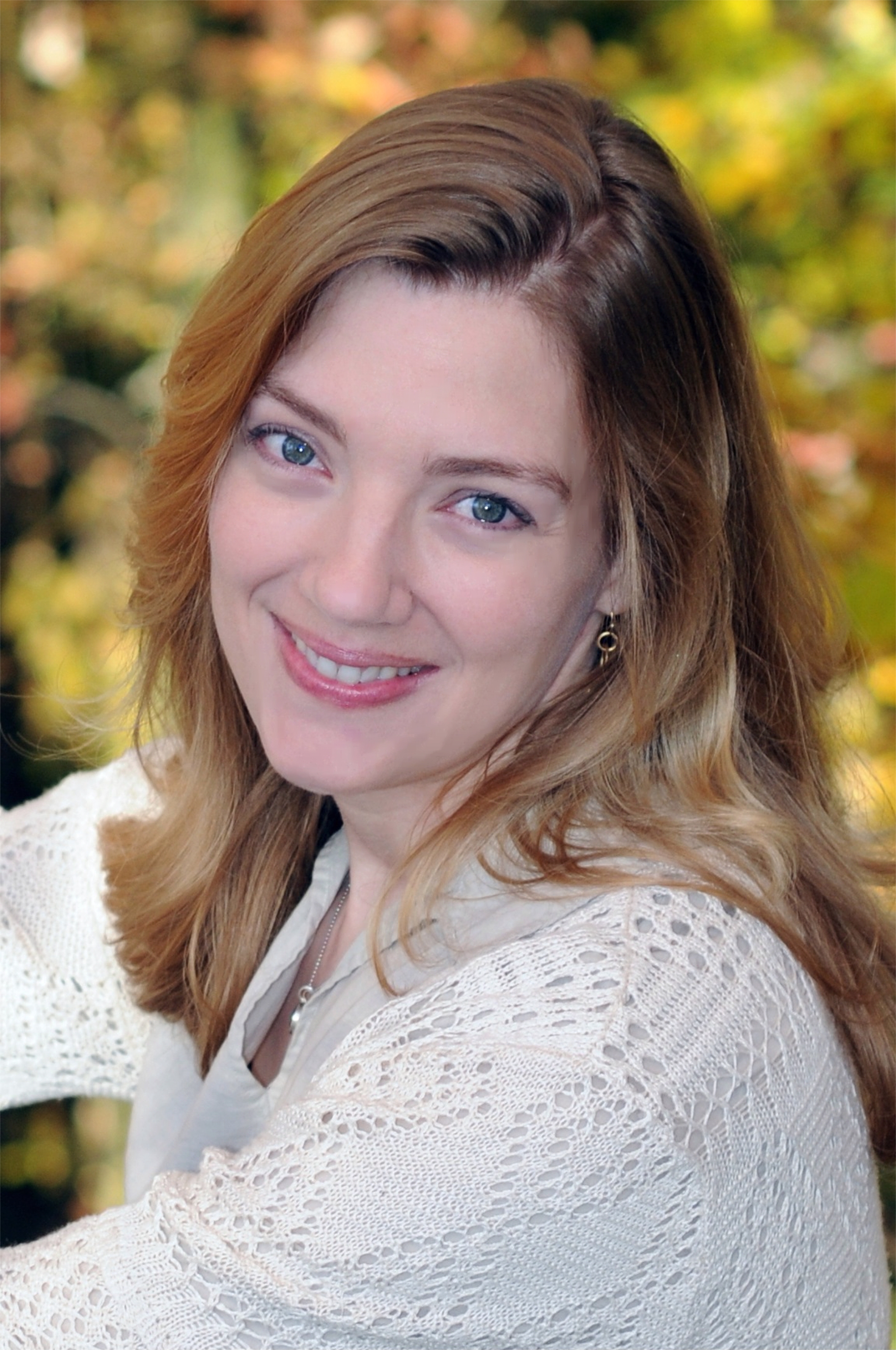
Irene Latham

Irene Latham

I first met the beautiful and talented Irene Latham through Poetry Friday. Her poetry blog is Live your Poem. Then I met her face to face briefly at NCTE, but that brief moment was enough for her to offer encouraging words that made me love her.

When I went to our school’s book fair a few weeks ago, I saw the book Leaving Gee’s Bend. I didn’t know about this book. I bought it immediately and tweeted to Irene. She didn’t know that it was in Scholastic Book Fairs. How cool is that! This past week was testing, so I had some quiet time to read. I wanted to say, “Where have you been hiding?” How had I not read this book before? I can’t recommend it highly enough.

I love historical fiction, and I am a product of the South, so I related to Ludelphia. Don’t you just love her name? Ludelphia loves to quilt, and while the story arc is centered around this love of stitching and quilt making, the compelling part for me was her wild adventure to travel on foot and through water to get medicine for her mother. I pulled for her all along the way and was happy to find some other white characters who did the same. In the process of trying to save her mama, she triumphantly saves the whole town.

Irene is traveling, so she could not respond to my invitation for an interview for this post. I will use a quote from the Author’s Note. This is what fascinates me as a writer, how an idea forms and changes and becomes the book.

There are many fascinating events in the history of Gee’s bend, but it was the photographs Arthur Rothstein took for the Resettlement Administration in 1937 that most captivated me. Then when I read firsthand accounts of the 1932 raid on Gee’s Bend and later learned of the Red Cross rescue, I knew this was the experience I most wanted to write about. The people who lived through this terrible time possess a strength and faith I admire and want only to honor.

Not only has Irene Latham honored the people of Gee’s Bend, she has made them come alive and live on in us, her readers. I hope this book falls into your hands at a book fair near you.

Read Full Post »

SOL #16

SOL #16

Join the IMWAYR meme.

Join the IMWAYR meme.

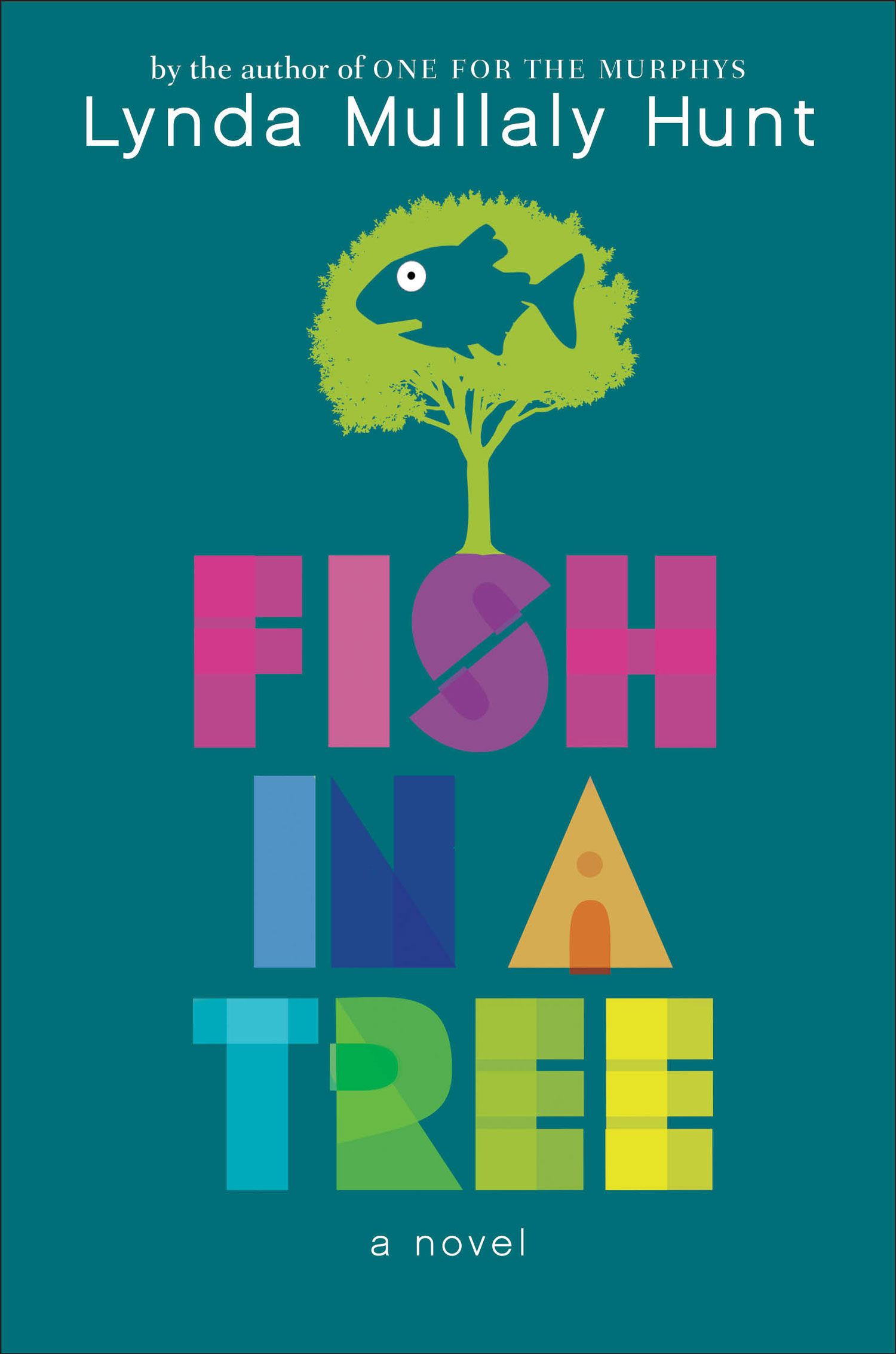
fish in a tree - final cover

If you do not have this book in your library for middle grade students, then get it now. I read Lynda Mullaly Hunt’s first book One for the Murphys and now again with Fish in a Tree, she has drawn me in to love her characters.

I read for strong characters, characters I can believe in, characters who speak to me. Ally Nickerson and her quirky friends are a group I want to hang out with. I was sorry to reach the end and have to tell them goodbye. In my mind, they continue on and do great things.

Ally is in 6th grade and struggles with dyslexia; although, she doesn’t know that her problems stem from a real disability. She believes she is just plain stupid. She plays movies in her head and draws in her sketchbook of impossible things. Until Mr. Daniels comes along and notices her. He reaches out to her and helps her to understand dyslexia. She believes in herself. Every teacher should read this book to meet Ally’s empathetic, caring teacher and see the power you have to change a life.

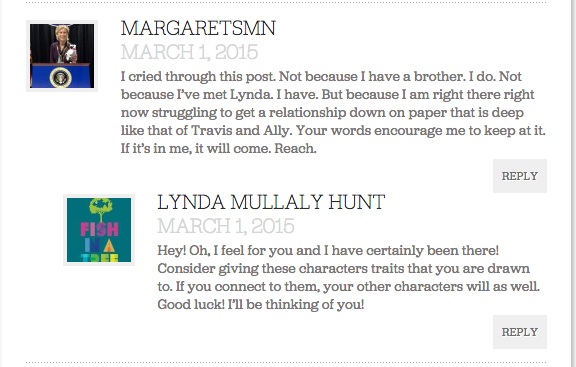
I recently read a touching post by Lynda Mullaly Hunt on The Nerdy Book Club about her own relationship with her brother which informed her creation of Ally’s brother Travis. Not only was this an awesome post, but Lynda responded to each comment. I spoke to her of my own struggle to create real characters with a deep relationship.

Nerdy book club comment

Here is a quote from Chapter 48 that shows how Lynda’s books are about more than the characters and their individual problems. They teach life lessons.

And looking around the room, I remember thinking that my reading differences were like dragging a concrete block around all day, and I felt sorry for myself. Now I realize that everyone has their own blocks to drag around. And they all feel heavy. (p. 245)

Read Full Post »

Please use this button on your site for DigiLit Sunday posts

Please use this button on your site for DigiLit Sunday posts

Boudreaux is Caroline's furry friend.

Boudreaux is Caroline’s furry friend.

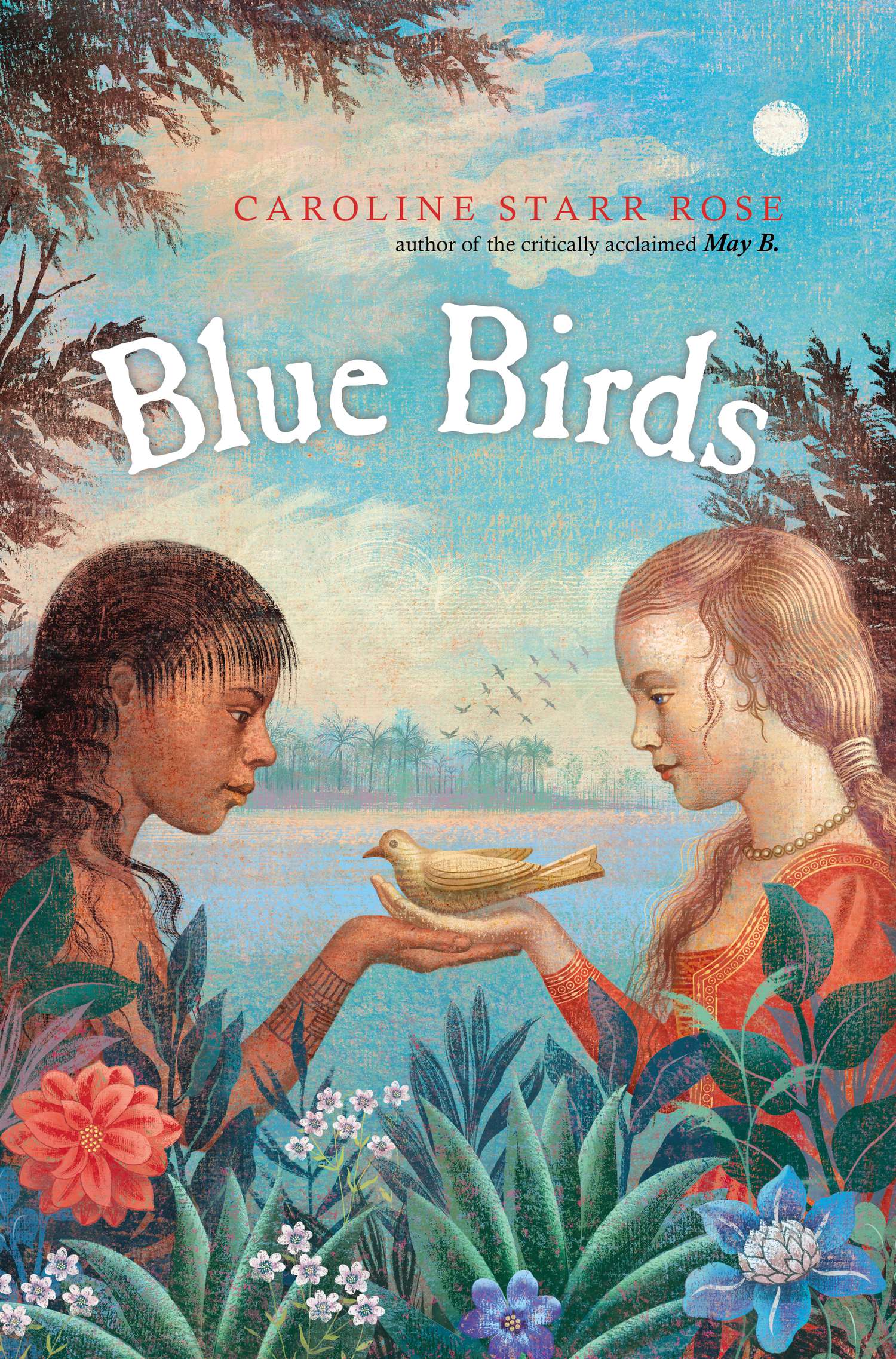
One of the greatest gifts of Social Media is the connection my students and I can make to authors. Caroline Starr Rose blogs regularly about writing. Last year, I won a 30 minute Skype interview. My students asked her for a galley proof of her next novel. We received it in August. Vannisa, already a fan having read May B, read it immediately. I read it over the holiday break. What a wonderful story! Both Vannisa and I loved the characters of Alis and Kimi. We are amazed by Caroline’s way of making history come to life in her characters. After Colby Sharp of Nerdy Book Club and SharpRead, Vannisa wrote a 5,4,3,2,1 interview.

Blue Birds cover high res

Can you tell me a little bit about the story of Blue Birds?

Alis and her family have left London to help establish a colony on the island of Roanoke. She is the only girl and lonely for a friend. Kimi watches the newcomers warily. The English killed her father and sister, but she’s curious about the girl. Alis and Kimi form a forbidden friendship that threatens to change both their worlds.

How did you manage to find all the information for the book?

I read a whole lot. I also asked experts to look over my work to see if I’d gotten things right.

What is your advice to authors writing a historical fiction book as accurate as yours?

Read, read, read. Be true to the times. But beyond the facts, think about emotions and feelings. Through the ages, these are the things that unite us.

Are you currently thinking about writing a new book?

I’m working on one now about the Klondike gold rush.

What is your advice to student writers like myself?

You have something unique to say. Your work can only improve if you keep at it! Don’t be in a hurry to be finished or move on to something new.

http://www.carolinestarrrose.com

This post is part of a week-long celebration in honor of the book Blue Birds.

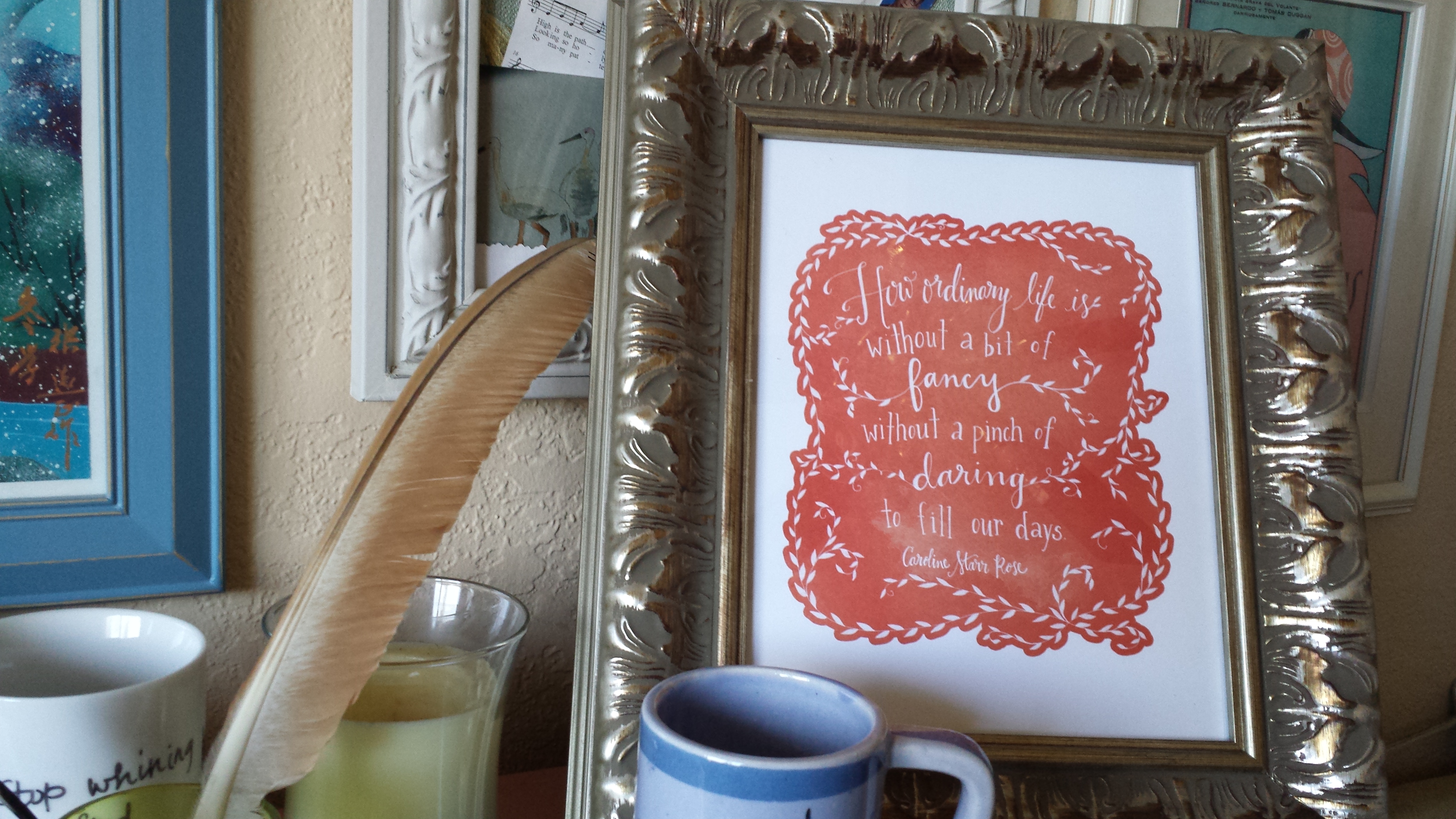
Get this free quote with pre-order of Blue Birds

Get this free quote with pre-order of Blue Birds

Author Caroline Starr Rose is giving away a downloadable PDF of this beautiful Blue Birds quote (created by Annie Barnett of Be Small Studios) for anyone who pre-orders the book from January 12-19. Simply click through to order from Amazon, Barnes and Noble, Books A Million, IndieBound, or Powell’s, then email a copy of your receipt to caroline@carolinestarrrose.com by Monday, January 19. PDFs will be sent out January 20.

Add your Digital Literacy posts:

Read Full Post »

Join in the fun of nonfiction picture books at Kid Lit Frenzy.

Join in the fun of nonfiction picture books at Kid Lit Frenzy.

Layout 1

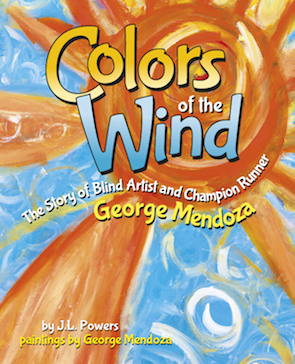
I am determined this year to get more nonfiction and more reading aloud into my daily class time. This new book about the life of George Mendoza by J.L.Powers helped me inspire my students for their dot painting on Dot Day. (See Tuesday’s post.)

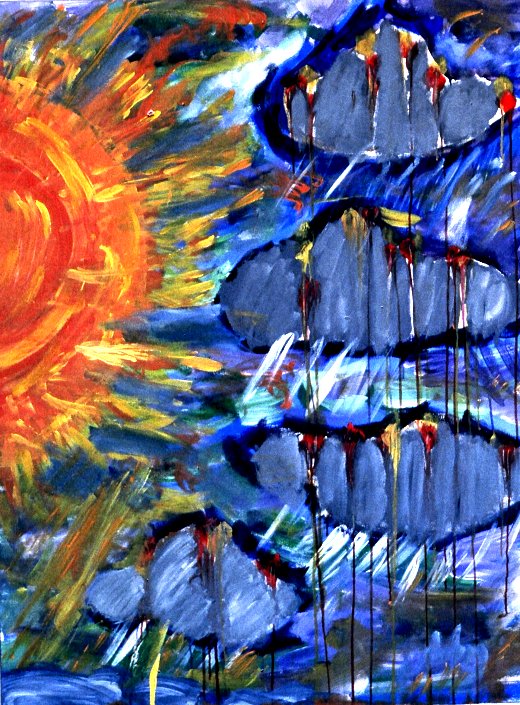
By the time George Mendoza was 15, he was legally blind. But George’s blindness was unique. He didn’t totally lose his sight. His condition caused him to see colors in an unusual way, like a kaleidoscope. This true story is inspirational on many counts. George became an Olympic athlete, setting world records as a blind runner. Later, he took up painting. A priest once told him to paint what he sees. The book is full of George Mendoza’s amazing, colorful paintings.

I paired this book with Peter Reynold’s book The Dot which tells the story of Vashti becoming an artist. Through both of these books, my students could see that anyone can be an artist. All you have to do is try. Both George and Vashti’s stories waved a creative magic wand over my students. They were primed and ready to make their own mark.

Colors of the Wind is written for an early reader. The sentence structure and word choice are easy to read. Some sentences are repeated throughout. An early reader would enjoy being able to read the words as well as look at the colorful images. As a read aloud for older students, I included the back matter, the last two pages that tell the whole story. Whichever part you read, this book will fascinate the inner artist.

"Sometimes, George uses paintbrushes.  But most days, he fingerpaints, using heavy work gloves with gobs and gobs of paint."

“Sometimes, George uses paintbrushes. But most days, he fingerpaints, using heavy work gloves with gobs and gobs of paint.”

Read Full Post »

Link up with Teach Mentor Texts

Link up with Teach Mentor Texts

Today is a big day for me. Not only is it my dog Charlie’s birthday (and Labor Day), I am the featured blogger on The Nerdy Book Club. I was excited to be invited to write a post about my reading life. Follow the link: Friend Request an Author.

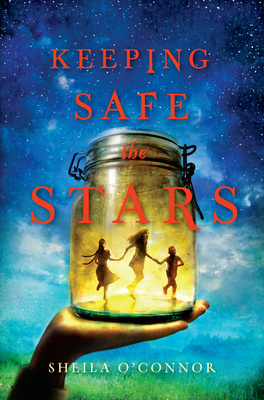
I am not a reader who believes that every book is made for every one. I have students who adore fantasy fiction. I appreciate this, but I much prefer realistic fiction. I have tried and liked many historical fiction books as well. This week I finished reading Keeping Safe the Stars by Sheila O’Connor. The Stars (Pride, Nightingale, and Baby) are orphans living with their grandfather in the year of the Watergate scandal. For students to fully understand some of the underlying themes, they would need some knowledge of this event. As I recall being a teenager during this time, the whole thing was confusing. Was Nixon a bad guy? Nobody really said so, but he did bad things. Pride is the oldest and is left in charge of the family while her grandfather is ill. She struggles with taking on this huge responsibility, and like Nixon, finds herself telling a few lies. She is only 13. The burden is huge for her. Over and over I wanted to pull her aside and give her my advice. The storyline went on too long for me. I wanted a resolution sooner than it came. Eventually, the people Pride has entrusted rally to care for them, and there is hope for Old Finn’s recovery. This is a story of resilience and independence.

Keeping Safe the Stars

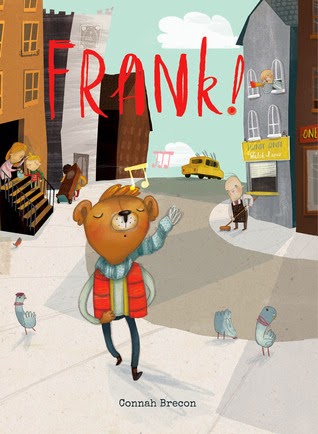
FRANK!

Frank by Connah Brecon will be on sale at the end of September. Frank is a cute little bear dressed in a blue scarf and red vest. He has a problem. He is always late for school, but he has good excuses, such as helping a cat stuck in a tree. When I turned the page, the tree was running off with Frank in it. This does not teach Frank a lesson about being late. He is late again. This time he is challenged to a charity dance-off. His reasons for being late get wackier and wackier. The illustrations are as crazy as the text. In the end, a zombie threatens the school, but Frank saves the day when he challenges the zombie to a dance off. Connah Brecon is a talented artist. The drawings are busy and full of quirky characters. The text lacks a cohesive logic, and the lesson of taking time to make friends is lost in the exaggeration of events.

What are you reading this week? Don’t forget to check out The Nerdy Book Club.

Read Full Post »

Link up with Teach Mentor Texts

Link up with Teach Mentor Texts

Join It’s Monday: What are you Reading? at Teach Mentor Texts and Book Journey.

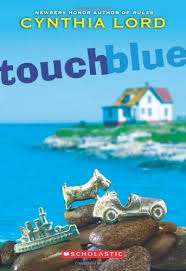
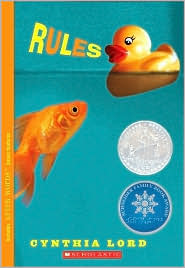
touch bluerules

After reading Cynthia Lord’s latest book Half a Chance, I decided it was time to catch up on Cynthia Lord books. I’ve found a new favorite author. Each one draws me in with a teen girl struggling to understand life and to fit into it in her own unique way. I heard much buzz about Rules. Rules was a Newbery Honor Book and a winner of the Schneider Family Book Award, which I learned this week goes to books that treat the theme of disability with respect and empathy. Within the framework of rules that Catherine has for her autistic brother, Cynthia Lord creates a touching story about a normal girl who builds a friendship with a disabled boy while waiting for her brother at speech therapy. I found myself gaining strength of confidence along with Catherine. So how does she face her normal friends and admit that her “date” to the dance cannot talk or walk? This story is empowering and real. I will add it to my book bin along with Wonder and Out of my Mind.

I’m not quite finished with Touch Blue, but I am again drawn in by Cynthia Lord’s ability to build a realistic teen character who is learning about the world. Touch Blue is framed with superstitions such as “Touch blue and your wish will come true.” Tess and her family live on an island off the coast of Maine. An older foster boy, Aaron, comes to live with them. I haven’t come to like Aaron too much; although, I understand that he has a tough exterior due to his rough life experiences. But Tess is trying so hard to build him up. She even finagles a way for him to play his trumpet at the Fourth of July picnic. In both of Cynthia Lord’s books, there is a bully. This is realistic to the times. There are bullies everywhere and our students have to deal with them. Maybe she’ll write one soon from the bully’s point of view.

In addition to reading middle grade novels this summer, I am reading poetry (always). My friend Diane Moore has come out with another collection. Departures is a departure from her usual poetry. This book is deeply personal. The kind that becomes universal. We all have those quirky relatives like Aunt Sarah Nell who always wore her stocking seams straight. We have all experienced the loss of a loved one. Diane has experienced many losses in her lifetime. Her poems express a deep longing to keep her heritage alive through her writing. I asked Diane permission to post one of her poems here. I have selected her poem Inspiration because it is a tribute to a teacher. Diane blogs at A Word’s Worth.

Being brought up to fear authority
I was not surprised
when my fingers
trembled on the keys,
fell between them,
ten thumbs wide
in one finger space
when M. L. Shaw stood
behind my desk
watching me,
the mistress of un-coordination.

Each smudged carbon copy
was the belt on my back,
my left hand never knew
what the right hand was doing,
I was be-handed by an ancient Royal.
How could I ever become a writer
with such uncertain script?

I never cut class.
She never rebuked me.

She held no ruler to my knuckles
but her raven-colored hair
with the precise side part,
matching sweater and skirt outfits,
the way she applied lipstick
with the little finger of her left hand
to make that prim cromson mouth,
placed limits on my ambition.

She breathed exactness.

And then came exaltation
the day I read that
the titans of modern lit
typed with one finger,
committed strikeovers,
and never made carbon copies
of their work.

She sent me into the world
keyed into an uncertain vocation,
but before she died,
inscribed a fat collection
of Shakespeare’s plays
in her flowing, exacting hand:
“I hope you’ll always think kindly of me.”
And my skills gained a pace,
my hands reached a standard,
the classroom was eclipsed.

I clocked out
at 80 words per minute.
–Diane Moore, all rights reserved

Read Full Post »

Link up with Teach Mentor Texts

Link up with Teach Mentor Texts

I am sporadically participating in this online book review meme for kidlit from Teach Mentor Texts and Book Journey.

This summer I committed myself to reading middle grade novels. One, because I love reading them, and two, because I want to be better prepared to be a book whisperer for my students. (#bookaday)

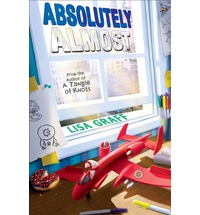
absolutely almost

Donalyn Miller recommended Absolutely Almost saying that it was an important book like Wonder. I am a huge fan of Wonder and think everybody should read it, so I thought I should read Absolutely Almost. At first I was not too sure how I was going to like Albie. The voice of the character in my opinion is too young. After reading The Year of Billy Miller, I thought Albie sounded more like a second grader than a fifth grader. Eventually I fell in love with Albie. He has the coolest babysitter Calista who does anything to make Albie more accepting of himself. Calista makes up for the shortcomings of Albie’s parents. I was a bit frustrated by their shortcomings. His father does not even remember buying the A-10 Thunderbolt model and promising to help Albie build it. In fact, Dad buys him another one for his birthday. I know some real life parents are career minded, but would a dad really be this stupid and heartless? And Albie’s mother is not too much better. She does tell him again and again that he is caring and thoughtful and good. Which he is, but I can’t help but think that Mom doesn’t see her son for who he really is. And to top off his difficulty at home, he is bullied at school. I found myself becoming more and more empathetic with Albie. He is a hero, and students should read this book. They will learn to understand that not everyone is gifted, but everyone is valuable.

Lisa Graff crafts a lovely novel with word play beginning with the title of Absolutely Almost and continuing with crafted chapters using anaphora (a repeated phrase). My favorite is “rain in New York”:

When it rains in New York, no one knows where to walk…When it rains in New York, The playgrounds are empty and the buses are full. When it rains in New York, the garbage cans at every corner are stuffed with the twisted bits of broken umbrellas. I like it when it rains in New York.

An interview with Lisa Graff about Absolutely Almost.

Albie is slower than most kids in a lot of ways, and I wanted to explore what that would be like for him in a world that constantly expects him to be smarter, faster, better than he is. In a world like that, where does a kid like Albie fit? How does he find his own worth?

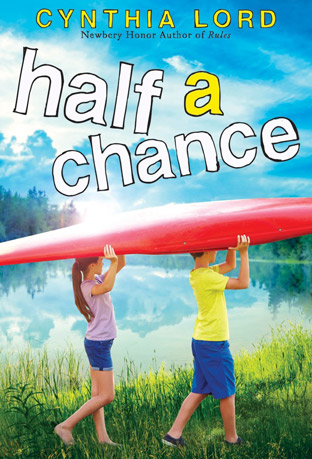
cover-half-a-chance

I am loving Cynthia Lord’s books. I finished half a chance, and I’m almost finished with Rules. In half a chance, Lucy’s family moves to a house on a lake in New Hampshire. There she meets Nate’s family and helps them track the habits of loons living in the lake. I love nature and the descriptions of the lake and the loons is beautifully done. Lucy is trying to prove to her photographer father that she has a talent for photography, too. She enters a contest that her father will be judging. For students, I like the ideas for the photo contest as metaphor. The contest calls for photos that reflect abstract words, such as secret and lost. I’d like to use these words with students as writing prompts. We could discuss how Lucy interpreted the words with her photographs and then make our own interpretations.

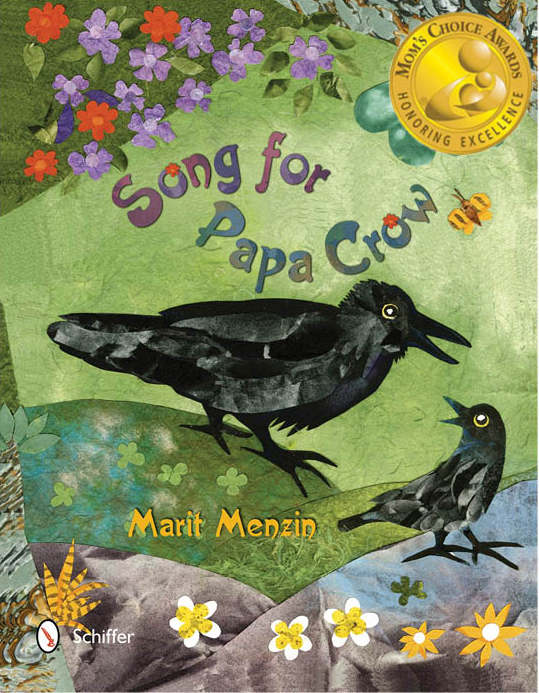
Song for Papa Crow

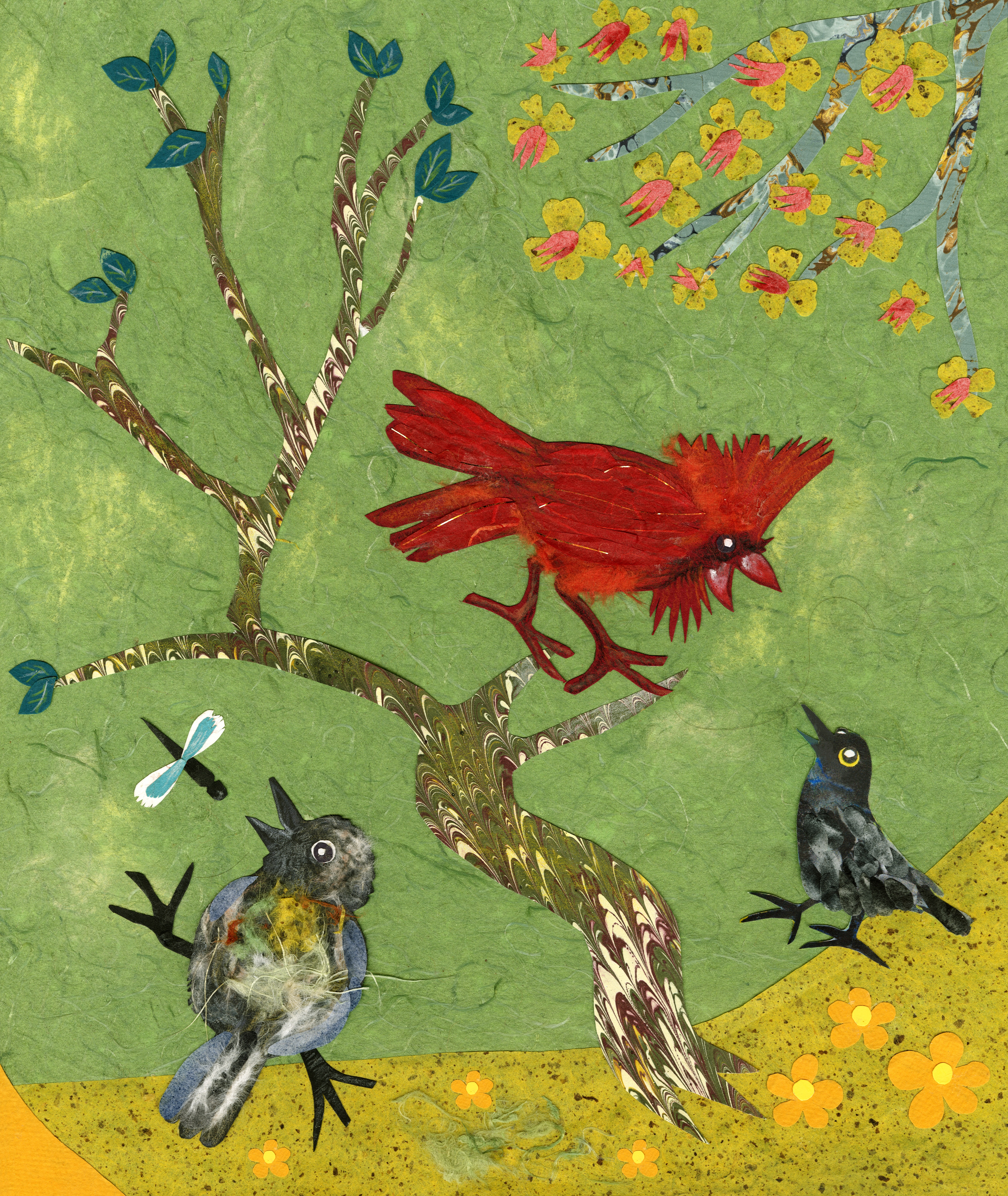
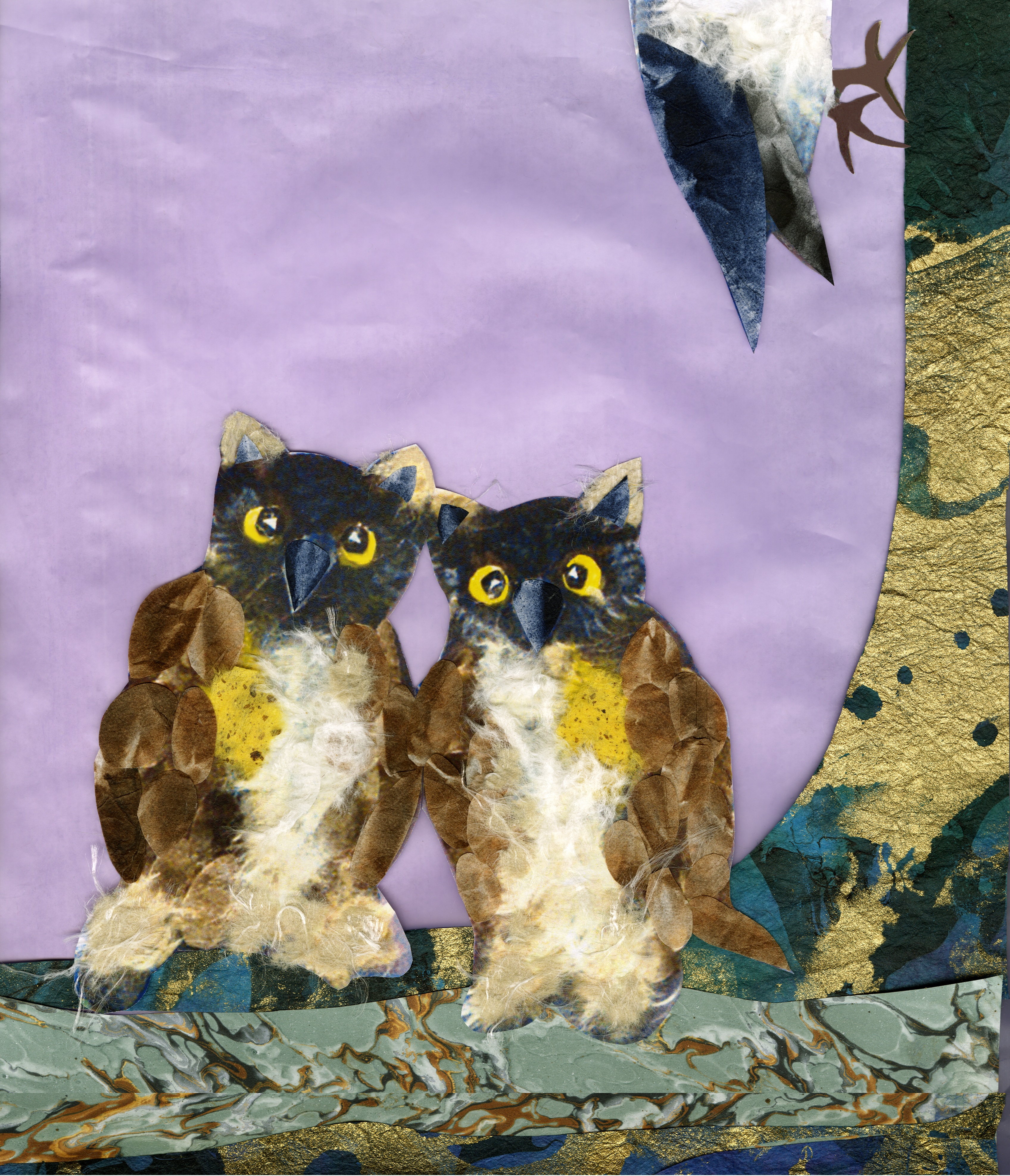
Schiffer Publishing sent me a copy of a new picture book, Song for Papa Crow by Marit Menzin. The story follows the common children’s book theme that you are special just as you are. Little Crow loves to sing until he is taunted by all the other birds who do not appreciate his “Caw! Caw!” So, a magic seed transforms Little Crows voice; that is, until he is in danger. In the end, Little Crow comes to appreciate his out of tune voice. The illustrations are made with collage. I love the art work. Marit Menzin personifies her birds. For students, they could make their own book using the common theme and use collage for illustrating. Song for Papa Crow is available at Schiffer Publishing.

Used by permission from Schiffer Publishing.  All rights reserved.

Used by permission from Schiffer Publishing. All rights reserved.

Marit Menzin, all rights reserved.

Marit Menzin, all rights reserved.

Read Full Post »

Join the Chalk-a-bration at Betsy Hubbard's site Teaching Young Writers.

Join the Chalk-a-bration at Betsy Hubbard’s site Teaching Young Writers.


Link up with Teach Mentor Texts

Link up with Teach Mentor Texts

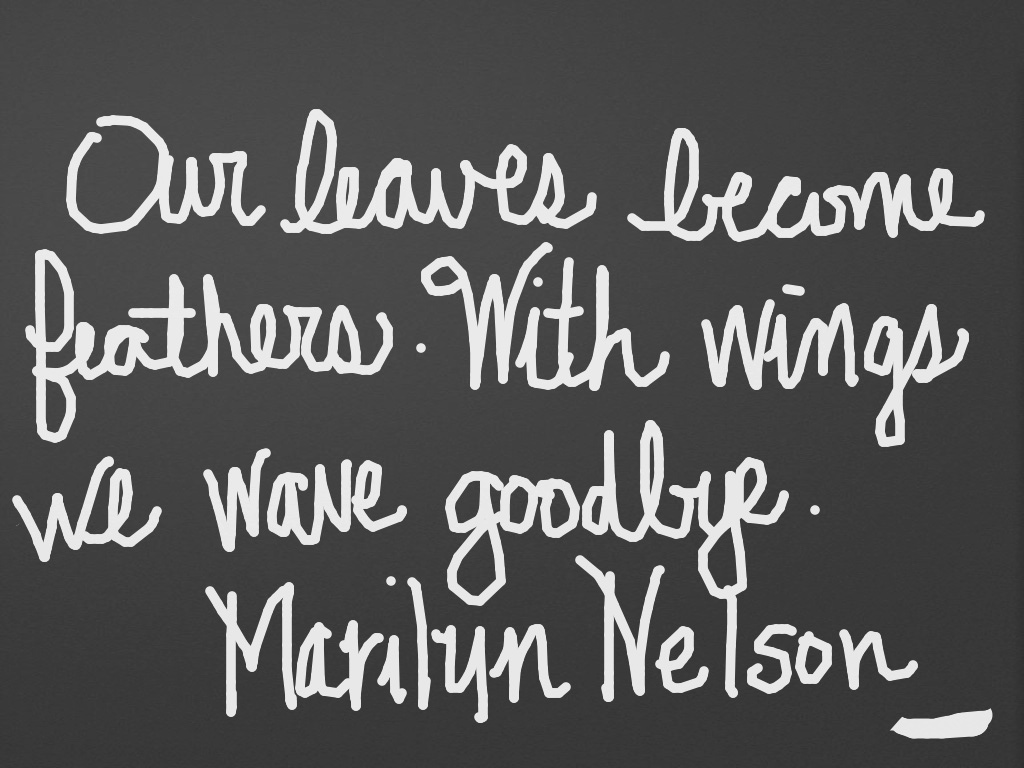
Today is the last day of June and it’s Monday, so what am I reading? I’m combining two posts today. I am missing my students because Chalk-a-bration was one of their favorite days of the month. I am at the lake with my parents with no access to kids or to a sidewalk (much less a piece of chalk), so I played with my iPad and wrote a quote from one of the books I read this week, how i discovered poetry by Marilyn Nelson.

chalk Marilyn Nelson

What a lovely book! Marilyn Nelson writes a memoir of growing up in the late 50’s with 50 intimate poems. Each poem is both deeply personal as well as universal. Marilyn’s father was in the military, so they moved often. Marilyn captures the feelings of being moved from place to place. I was touched by the poems dealing with having to leave their pets behind. “Daddy pulled a puppy from the pocket/ of his flight jacket, and we imprinted/ like a gosling to a goose. Speida’s my dog,/ though he’s impartially affectionate.”

Marilyn’s mother prided herself on being a First Negro. As they move from base to base, they are often the only black family. “Making History takes more than standing in line/ believing little white lies about pain./ Mama says First Negroes are History…That lady in Montgomery just became a First/ by sqwunching up her eyes and sitting there.”

This little book is an important one with a very personal, first hand account of living in the late 50’s. #WeNeedDiverseBooks: This one is going on my shelf for my students as we study memoir and history.

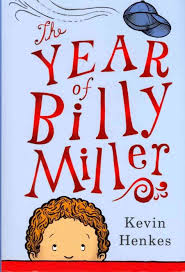
Billy Miller

The Year of Billy Miller took me back to being in second grade. There is so much to love about this book. Billy is just a fun kid to be with. He wants to be brave and stay up all night but ends up in his sister’s room falling asleep with her. Billy has to write a poem and perform it in front of an audience. I enjoyed watching the development of his poem. Kevin Henkes does not make Billy Miller a brilliant writer but shows us a real boy. He has the typical feelings of a seven year old boy and his family is most important to him. This book makes you smile.

I am currently listening to Inkheart by Cornelia Funke, a great book to listen to on my long car ride home today. What are you reading?

Read Full Post »

« Newer Posts - Older Posts »