Feeds:
Posts
Comments

Archive for the ‘Digital Learning’ Category

Please use this button on your site for DigiLit Sunday posts

Please use this button on your site for DigiLit Sunday posts

Into every day, a cloud must come. Here's hoping all your clouds are this filled with light.

Into every day,
a cloud must come.
Here’s hoping all your clouds
are this filled with light.

How often do you post on social media?  Once a day?  Once a week?  Occasionally?

I am curious about what makes us connect and why some share more than others.  And when I read a post, on Facebook or Twitter, who am I really seeing?

If I am honest, I am a pretty free sharer of my life.  I probably post at least once a day on Facebook.  I’m not as active on Twitter or Instagram, but I have a presence there.  And then there’s this blog right here.

I am partial to my blogging space.  I feel safe here.  I open the draft and spill out onto the page whatever is on my mind.

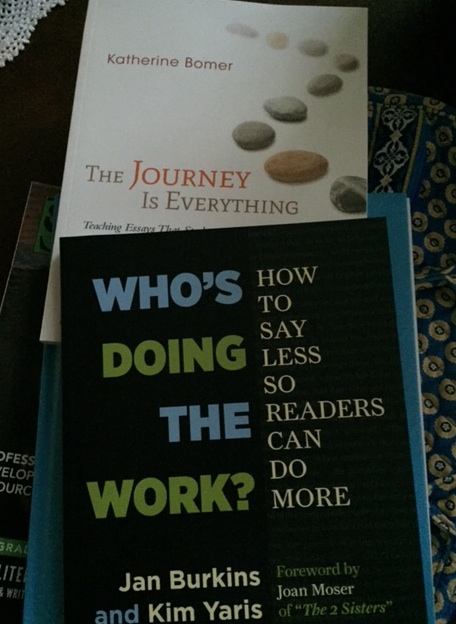
I’ve been reading Katherine Bomer’s book The Journey is Everything: Teaching Essays That Students Want to Write for People Who Want to Read Them.   In Chapter 4, Living Like an Essayist,  Katherine makes a case for the Writer’s Notebook as a place to think and generate ideas.  While I am determined to give this a good shot next school year, trying it out myself was not easy.  I have gotten better and better at typing and backspacing, type, delete, copy, paste, highlight, spellcheck.

The notebook has lost some of its usefulness to me, at least for writing rough drafts.  I still take notes in a notebook and apparently this is good for my brain.  NPR posted an article about the advantages of hand-written notes in college. But unless I need those notes for something I am writing, they get lost in the pages of my notebook.

From this chapter, I gleaned five ways to make use of notebook time.  (I think I’ll call it Notebook Time in my classroom.)

  1. Write daily for 12-15 minutes: Free writing that may lead to a good essay topic.
  2. A thinking space for slow pondering, not rushing toward an end product.
  3. Share notebook writing with a partner or small group.  Reading aloud what you have written can validate or deepen thinking.
  4. Writing leads to more writing.  Ideas lead to ideas.  Allow for this free range thinking time.
  5. Write what is true.  This space should be used to explore the deep dark corners of our lives.  Shake it all out.  Don’t write only what makes you look good. Be authentic on the page.

I truly believe in sharing our lives.  By putting our true selves out there, we can find connections in new and exciting ways.  As I read and think about what I want for my students, I am more convinced that writing your truth makes you a stronger person, reaches out to others, and creates a caring world community.

DigiLit Sunday will be on hiatus for the next 6 weeks as I will be traveling.  We will be back on July 31st.  Have a wonderful summer!

<!– start InLinkz script –>

<a rel=’nofollow’ href=”http://www.inlinkz.com/new/view.php?id=640618″><img style=”border:0px” src=”http://www.inlinkz.com/img/wp/wpImg.png”></a&gt;

<!– end InLinkz script –>
Read Full Post »

Please use this button on your site for DigiLit Sunday posts

Please use this button on your site for DigiLit Sunday posts

The past few days I have been cleaning out an upstairs “art studio.” I put art studio in quotes because that is what I call it, but it has become a gathering place for stuff. Usually artsy stuff, but the stuff was turning into clutter.

Recently I read a blog post co-written by Kari and Christina. They outlined five essential questions for cleaning out your classroom. They asked their readers to post before and after pictures to Twitter with the hashtag #ReImagineEd. While my classroom was packed away a few weeks ago, I decided to participate with my studio. It needed doing.

As I cleaned out the cabinets, I listened to podcasts. Podcasts make me feel smarter. I love listening to Penny Kittle talk about her experiences as a writing teacher. I also enjoy Krista Tippet with On Being.

In the clutter, I found a few treasures: old pictures, a bookmark made by my youngest daughter, and birthday cards. I saved some paintings I thought I could re-work. And I made piles: trash, classroom, and give-away.

A serious donut maker, my daughter in pre-K or Kindergarten.

A serious donut maker, my daughter in pre-K or Kindergarten.

There is something reflective and valuable in cleaning out. You see stuff in a different way. Is it useful? sentimental? creative? Does it bring me JOY?

Reflecting on the things we hold and store is cleansing, renewing, and relaxing. I can look up at the loft and see space for re-imagination.

Where in your life can you de-clutter and re-imagine? Join in the conversation with Kari Yates and Christina Nosek at #ReImagineEd.

Art studio Before

Art studio Before

Art studio After

Art studio After

Post DigiLit Sunday posts here:

Read Full Post »

Please use this button on your site for DigiLit Sunday posts

Please use this button on your site for DigiLit Sunday posts

I have taken a few art classes. In art, perspective is important and obvious to the eye. One of my favorite artists is Georgia O’Keefe. A series of her paintings focuses in on the center of a flower. Looking closely changes the perspective. Seeing the center without white space to guide your eye makes the image more focused.

wikiart.com

wikiart.com

My school year ended ten days ago. This period of time I have worked hard to relax and be present. I have actually avoided thinking at all about school. However, teaching is never far from my radar.

Today, I can see more clearly the white space. I understand the structure of my year and have some perspective on things.

At the center of focus is always literacy.  Writing is an important component in my class. We wrote daily about our lives, about our reading, sprinkled with poetry.

But as I look forward and begin to shift my perspective to the horizon line, I see where my focus should be next year.  I will have the same students. In many ways this makes the transition to a new grade level much smoother. They know what to expect. They know me.

Because of this, I will have to be intentional about changes and make them happen early on. I am reading Katherine Bomer’s book, The Journey is Everything. The intended audience is teachers of middle grades 6-8. The highest grade I teach is 6th, but I can see ways to incorporate her ideas in my lower grades as well.

While we need to pay attention to structure in the essay, that is not the purpose. I will continue using blogs as the main format for writing. A few points of perspective their writing will take are 1. writing to discover and 2. writing to explore language.

I want to be more aware of my students’ perspectives and allow them to discover them safely in our classroom. When we focus on the single poppy in the field, we can see more clearly the unique individual. We can honor their voices and work toward developing authentic, valuable writing.

In order to prepare to teach essay differently, I am experimenting with my own writing.  I am trying out “writing for discovery” and “exploring language” with more intention in my blogging.

Perspective as a writer gives me a clearer lens for teaching writing.

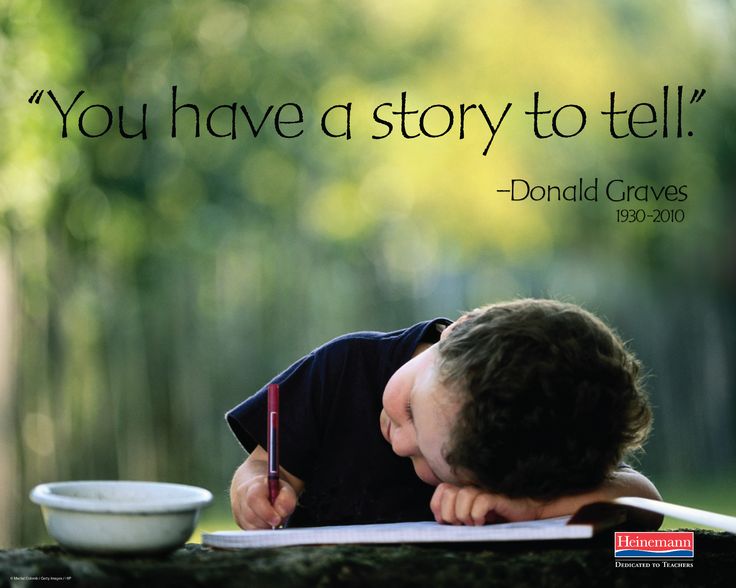
you have a story to tell

Please add your blog post link below:

Read Full Post »

Please use this button on your site for DigiLit Sunday posts

Please use this button on your site for DigiLit Sunday posts

The school year has ended for me. The end isn’t a celebration for me. I try to feel excited about summer, but my heart is hurting. I miss my kids. I wonder what they are doing. I miss our daily connection. I hear their voices in my head. Eventually this fades, and I fit into my days like they were meant for me.

This weekend in order to tender the depression I know is coming, I traveled home to my parents’ house on the lake. This is a beautiful place to reflect, read, and relax.

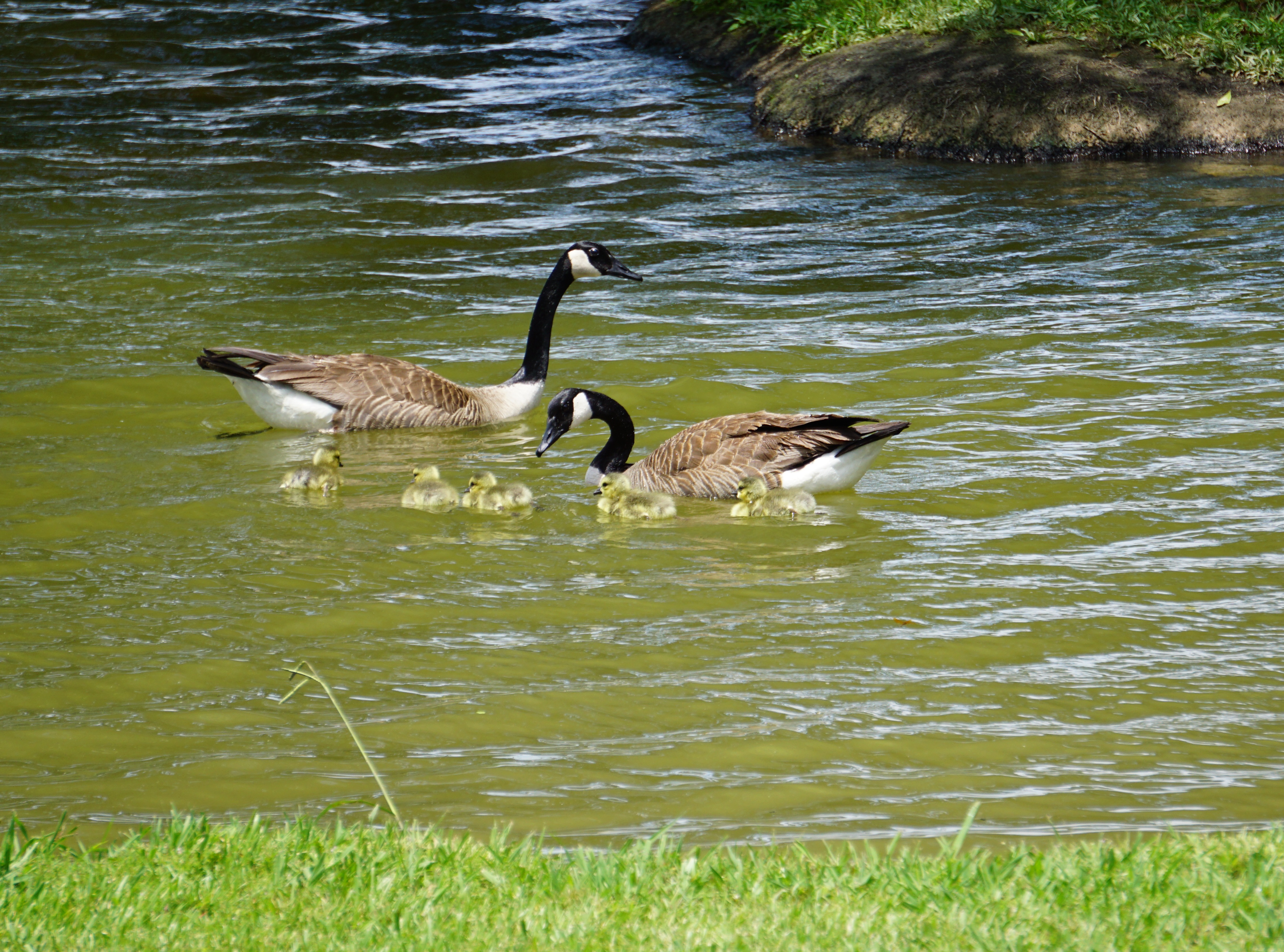
Canada geese

While at the lake, these Canada geese hatched five goslings.

Teachers need this time as much as our students do. Time to not worry about the next lesson or the necessary evaluations. Time to look out at nature and just be present.

This is my intention: Presence.

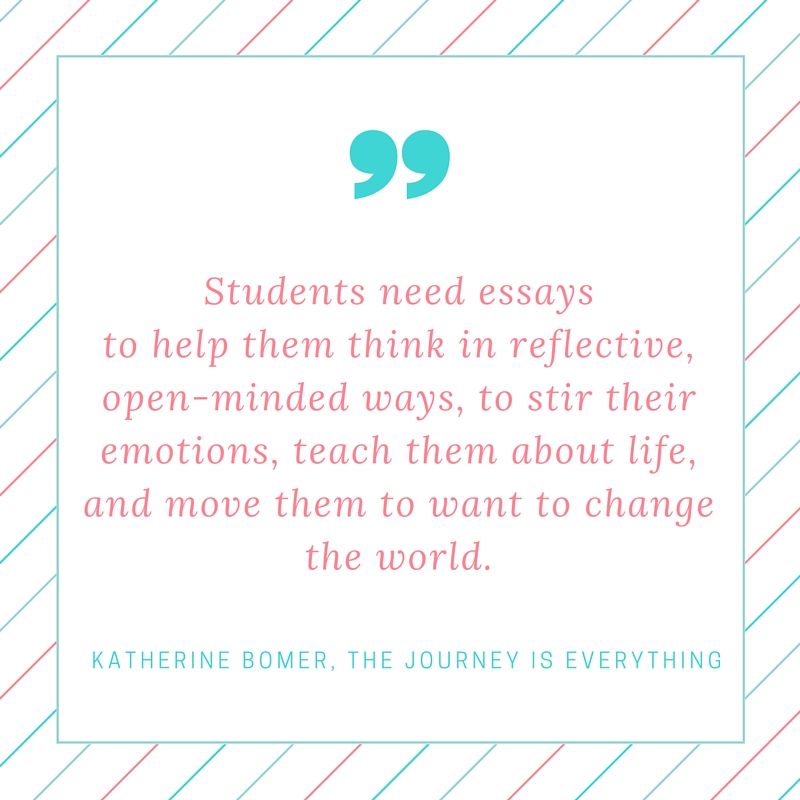
My other intention is professional reading. I have started Katherine Bomer’s book The Journey is Everything. What I love about this book is Katherine writes as if she is speaking directly to me. Her tone is easy and conversational as she marvels in the wonder of the essay. I think her book will transform me personally as a writer as much as it does me as a teacher. The very things I love about writing this blog, writing to know what I’m thinking, is central to her theory about essaying. I grabbed the following quote to keep.

Students need essays

In order to read with more intention, I will be joining a book study group. Let me know in the comments if you want to join us. I am planning a Twitter chat with Katherine Bomer for later in the summer, so stay tuned.

If you have written a DigiLit blog post this week, please click the link below.

Read Full Post »

Please use this button on your site for DigiLit Sunday posts

Please use this button on your site for DigiLit Sunday posts

I have three days left of school. That statement gets stuck in my throat. I’m not ready. In my position as a gifted teacher, I have the privilege of teaching my students year after year. But the sixth graders move on to middle school. This will be a week of goodbyes.

My students wrote their final blog posts for the year. Our space on Kidblog has become a meaningful, safe place for writing. I asked a 5th grader last week to do a graph of our blog posts this year. The most blog posts went to 6th grader, Kielan, with 139! We’ve written a total of 1121 posts this year!

Here is a sample of a few goodbye posts. I am proud to read that they feel like writers.

Sorry everyone, but this is the last week of GT. Soak it in while you can. Good-bye blankets, read aloud, parties, and GT and Mrs. Simon in general.

We have all learned so much from past writings to now. We have learned grammar (by force, AKA Grammarly), we have learned phrases and metaphors and similes, we have learned everything a poet and writer must know in life. Tobie

Today is the last day of Gt and I will miss Mrs. Simon and GT. I have learned many new forms of poems, like Abecedarian and Diamante. What I will hate about summer is summer reading. I will miss all the art projects and the forts and the pillows and read aloud, but I will not miss the Sol’s. Andrew

This site has let me talk to Mrs.Simon about problems that I had when I couldn’t talk to her face to face. This site has given me ideas from my classmates and connections. This site has let me share my life story with the world. This site has made me who I am today. This site has let me give ideas to my classmates and connections. This site has made my day or made me want to scream. But this site has so many memories that I hold so close to my heart. Erin

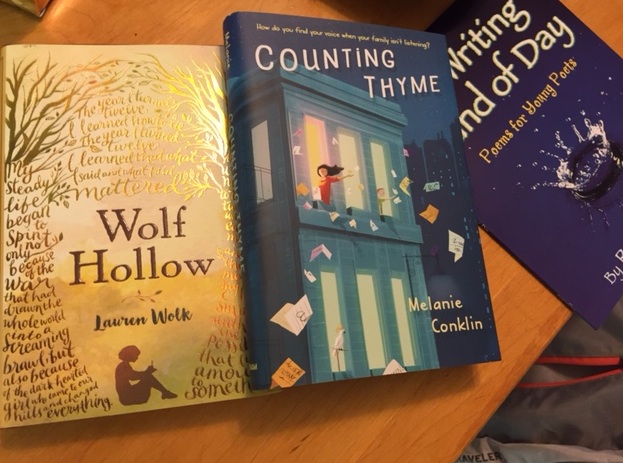
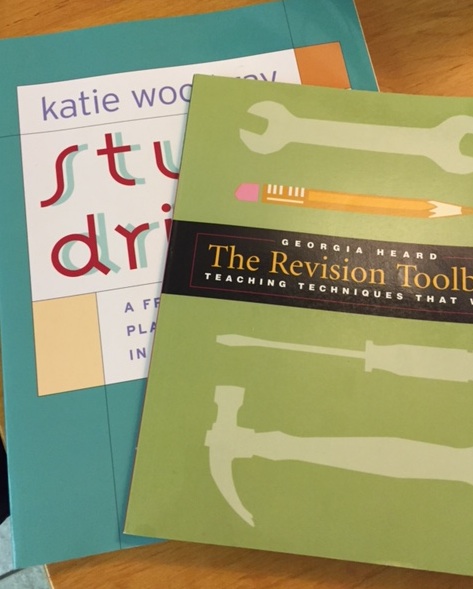
It is time to hit the refresh button, time for winding down, relaxing, reading, and reflecting. I have books ready for my summer reading. Here are a few of the books I’ve got waiting for me.

books 3books 2books 1

How will you hit the refresh button? Please join our conversation by leaving your blog link below.

Read Full Post »

Please use this button on your site for DigiLit Sunday posts

Please use this button on your site for DigiLit Sunday posts

I follow Kim Douillard’s blog, Thinking Through my Lens, and she posts a weekly photo challenge. Yesterday the challenge word was Curves. She wrote, “When your week throws you curves…take photos of them!” And I thought, if your week throws you curves, write about it. So I am going to combine the two, DigiLit and Photo Challenge.

May is a stressful time for me as I’m sure it is for most teachers. As I thought about this month and the many stresses, I realized I needed a new perspective.

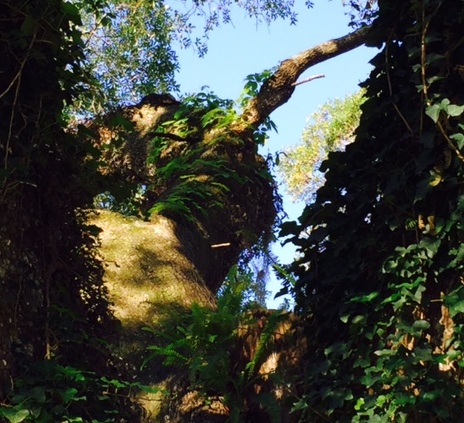
There is a large old oak in my front yard. I look at it every day. Yet this image shows a new perspective, looking between the branches.

between the branches

If I turn my perspective to the curve between the branches, I can see a new design. The branch that was trimmed has new growth. Some curves may be tough to take, but later allow for new growth.

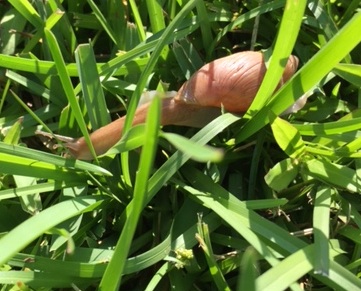
On a walk with my dog, we came upon this snail in the grass. Small and slow, the snail curved his slick body, stretching out as far as he could go, lugging along his shell. When we stopped to look, Charlie didn’t see it, so he stepped on it. The snail retreated back into his shell.

snail in grass

When I complain about May, my wise husband says, “May is followed by June.” So I can make it. I can stretch out and lug along because I am heading toward a safe harbor, a time of renewal, “the big weekend!”

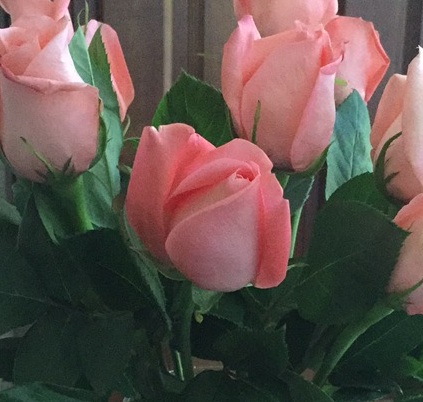
a single rose

The curves of a single rose fascinate me. These are my Mother’s Day flowers. They remind me that I am in this with others. I am not alone. I can turn to colleagues and friends. They will listen to my rants and my complaints and tell me that all will be well. And it will be.

Please consider joining the Digital Literacy conversation. Place your link by clicking the button.

Read Full Post »

Please use this button on your site for DigiLit Sunday posts

Please use this button on your site for DigiLit Sunday posts

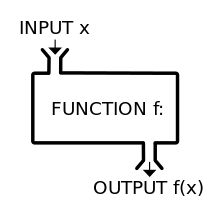
220px-Function_machine2

Last week for DigiLit Sunday, I wrote about form. I was pretty deep into teaching and writing poetry, grappling with form or no form. Julianne suggested that we follow form with function this week. When I googled function, the images suggested one right answer. That answer leads to points on a graph. Points on a graph remind me of testing.

Testing is the necessary evil, in my book. I teach gifted kids, and for the most part, the reason they are in my class is they can take tests well. They’ve figured out the function, so to speak.

So my question is how do I further my students learning beyond what the standardized test is going to require? My students are outside-of-the-box thinkers. I have to find ways to keep them thinking this way while, at the same time, capable of going back into the box come test time.

There is much grumbling in my class about testing. I have had students enjoy this time because it is quiet, and they get to read for long stretches. But one student complained that her teacher-proctor punished her for recess because she finished the session in 20 minutes. I’m sure the logic was “There is no way you can get all the answers right in 20 minutes.” That very well may be true, but my thinking tells me this teacher did not know this child.

The function of a teacher is to know her students. If you were to ask me about any of my students, I could tell you their favorite books, what genre they prefer to write, and their favorite activity to do outside of school.

The only thing about my kids that I could plot on a graph would be their reading levels. Yet their reading levels say nothing about their interest levels. And interest is everything when it comes to reading.

I take my function seriously, but I will never function to produce a right answer or a point on a graph. I strive to make my classroom one of discovery and development, creativity and caring.

How do you interpret function as it pertains to literacy? Be sure to leave a link to your own blog post today.

Read Full Post »

Please use this button on your site for DigiLit Sunday posts

Please use this button on your site for DigiLit Sunday posts

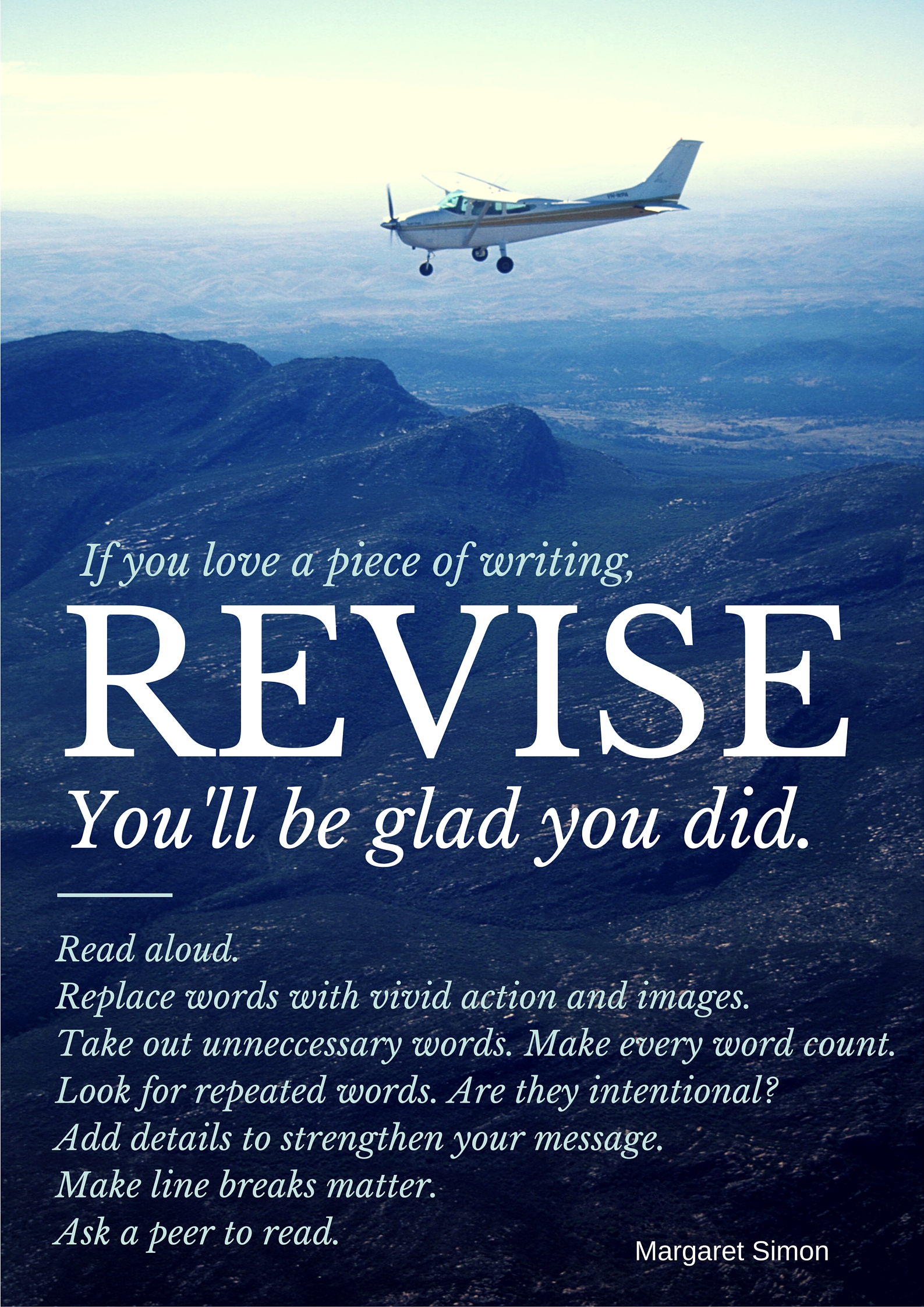
In my world of teaching and writing, revision is a constant companion. I look at my teaching and revise. Rarely am I following the lesson plan I wrote. I revise based on the direction my students need to take. And last week revision was something we needed to talk about.

I believe that revision is a mature behavior. Revision is having the confidence in a piece of writing to take the risk of changing it. Without even realizing it, I write in constant revision. As I write this post, I backspace. I save and read. Go back. Rephrase.

My students do this, too, as they type their pieces into the blog. Many of them are resistant to the two steps of rough draft in their notebooks, then typing into a final draft. But as I watch them, I see that revision becomes organic to this process.

Sometimes, revision comes from talk. We read the piece together. Discuss what we like. And look at where the words can be stronger.

I sat down with Kaiden to revise his abecedarian about wonder posted here. For the most part, this was an excellent piece of writing. The repeated word, wonder, was intentional and served a purpose. Yet there were a few words that weren’t quite working. So we looked at a list of Shakespeare words. This elevated Kaiden’s poem. There we found kindle. What a great word for K and for wonder! Engaging in this work with him was fun for both of us.

Ralph Fletcher tweeted:

revision by Ralph Fletcher

Let’s relax about revision. If a piece of writing is a stepping stone to another piece, let it be. Use revision strategies on those gems, the ones you want to embrace and hug a little longer.

Revision canva

Read Full Post »

Please use this button on your site for DigiLit Sunday posts

Please use this button on your site for DigiLit Sunday posts


For National Poetry Month, I am not only writing a poem a day myself, but I am also asking my students to do the same.  Something I have noticed this week as they go from the written form to the typed form, my students are thinking about line breaks.  They are making their poems look like poems on the page.

Attention to form is made easier by digital media.  When they type into a blog post, they can press shift enter to make the lines fall directly below each other.  To create stanzas, they simply press enter.

They haven’t all caught on to this easy solution.  Kielan made a note in her post “Every stanza ends when the text color changes.”

We haven’t had explicit conversations about line breaks.  I talked with Erin about her poetry style.  She tells me she is using a list poem style.  “Today I am going to stick with my list poem style.  I like the way it looks on the page.”

Kaiden said he didn’t think his poem was a poem.  “It’s more like a story.”

I said, “That’s OK.  When you type it, think about line breaks.”  His line breaks made the difference.  He was proud of the result.

Every day I am providing some sort of prompt, but I am allowing freedom of form.  I think, for now, that is working well.  I like to see my students experimenting with form and sounds and styles in poetry.  Poetry is like that.  Freeing and fun!


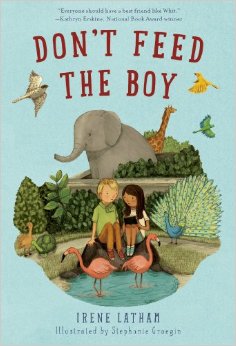
Don't feed the boy

Madison’s poem response to Don’t Feed the Boy by Irene Latham.

Do not feed
me. I’m like
a zoo animal.

Yes. That is true.
And I moo at you
like a cow.

And snap at
you like a
snake.

I care
like a
cat.

I’m fat
like a
pig.

I cluck
like a
chicken.

I spread
my tail feathers
like a peacock.

I stick to
things like a
snail.

I am
strong like
an elephant.

Madison, 2nd grade

Enter your link below:


Read Full Post »


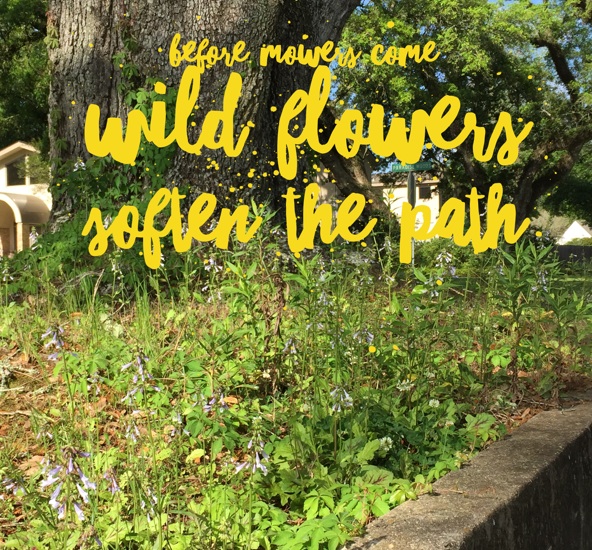
Poem-a-day #3, lune by Margaret Simon, image poems

Poem-a-day #3, lune by Margaret Simon, image poems

napo2016button2


Please use this button on your site for DigiLit Sunday posts

Please use this button on your site for DigiLit Sunday posts

Yesterday was a glorious day to spend outside. But inside there was a valuable video conference, free PD in PJs at The Educator Collaborative.  So many rock stars in the education field all in one place.  I couldn’t pass it up, so after a walk with my dog, I came inside to watch and learn.

Some of my online friends were there, too.  I saw their Tweets.  I’ve invited them to reflect on this conference as well, so I am hoping we will have other DigiLit link-ups today.

The first hang-out presentation that I watched was #PoetryLove with JoEllen McCarthy, Amy Ludwig VanDerwater, Janet Wong, Alan Katz, Kim Doele & Members of the Poetry Club.  I enjoyed hearing some poems read aloud and the talk around how poetry has a place in the curriculum all year long.  Amy is writing a poem a day to Wonders from Wonderopolis.  My students love Wonderopolis, and I will show them Amy’s work this week as we begin our own poem a day writing projects. 

Kim Doele shared how she leads a Poetry Club at her school and writes grants to get visiting poets to her school.  Here is her post on hosting a poet at your school.

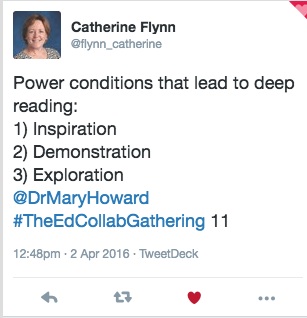
Catherine Flynn captured Mary Howard’s three power conditions that lead to deep reading.

tweet deep readingMary Howard repeated often that passion is important to reading.  If we don’t have a passion for what we are reading, we will not be able to do deep thinking.

 “Passion drives the deep thinking bus.”  –Dr. Mary Howard 


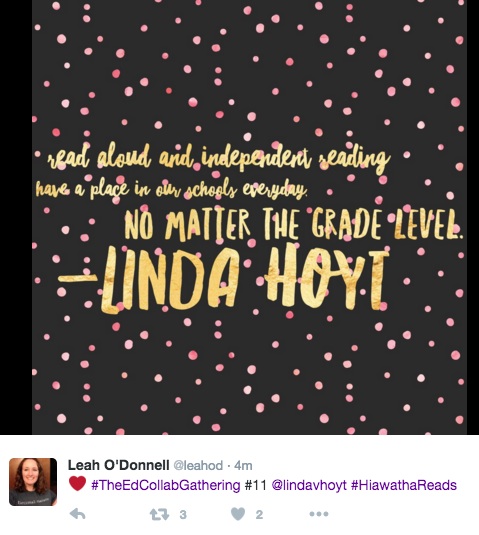
read aloud tweet

Joining Dr. Mary Howard was Linda Hoyt who discussed the importance of read aloud in every grade level.  I loved how some Tweeters were capturing quotes in fancy backgrounds.  The above Tweet was created by Leah O’Donnell.

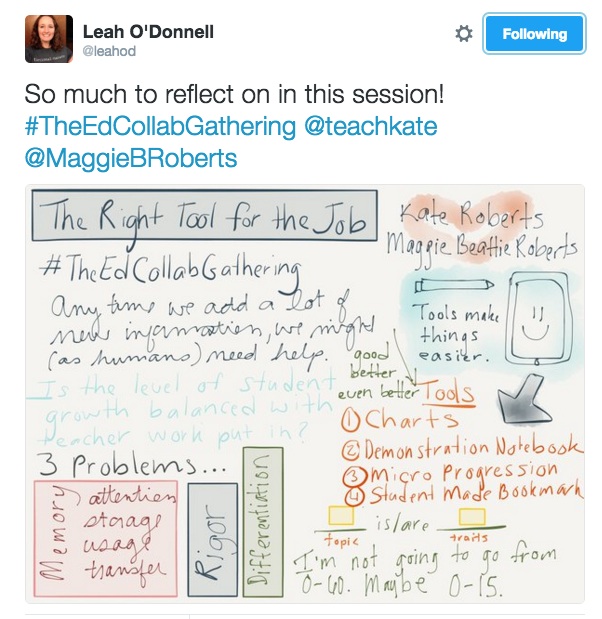
Leah also captured her reflection about Kate Roberts and Maggie B Roberts’ closing session.

Notes from Leah O'Donnell

Notes from Leah O’Donnell

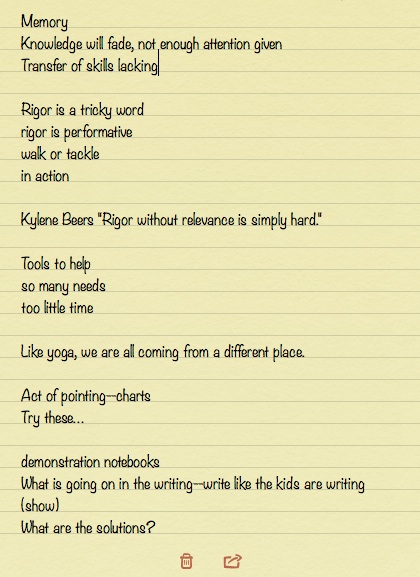
I used the notepad on my computer to capture thoughts.

notes on ed collab roberts

After the closing session, I went to Walmart to buy a sketchbook to make a demonstration notebook.  What a practical idea!  Kate and Maggie have a video about this teaching tool on their website here.

This rich conference went on in my kitchen, my living room, and in my bedroom.  It went wherever my laptop would go.  I ate lunch, folded clothes, and took notes and notes. I will go back to the archived sessions that I didn’t see.  Thanks to Chris Lehman and his fabulous team for this free and amazing video series.

If you have written a post reflecting on the Ed Collaborative Gathering or on any aspect of digital literacy, link up below.  Please read and comment on other posts.


Read Full Post »

« Newer Posts - Older Posts »