Feeds:
Posts
Comments

Archive for the ‘Teaching’ Category

Discover. Play. Build.

Ruth Ayres invites us the celebrate each week. Click over to her site Discover. Play. Build. to read more celebrations.

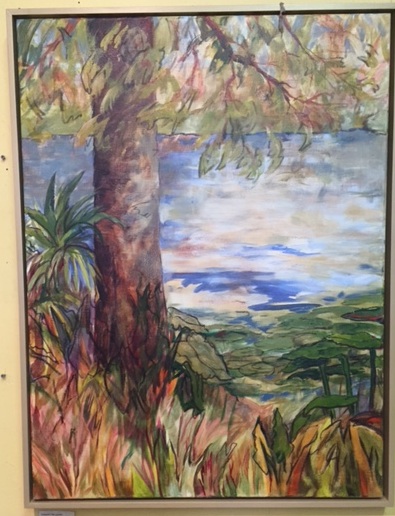
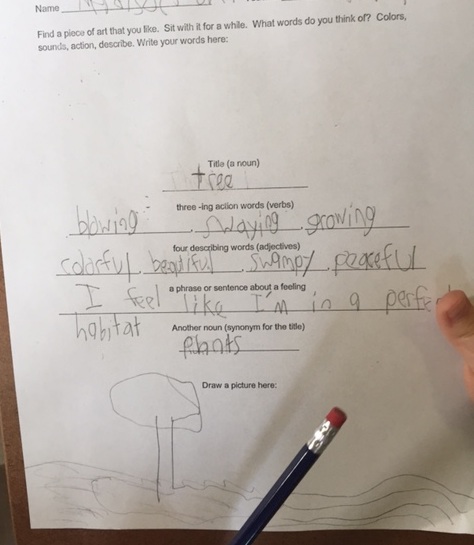
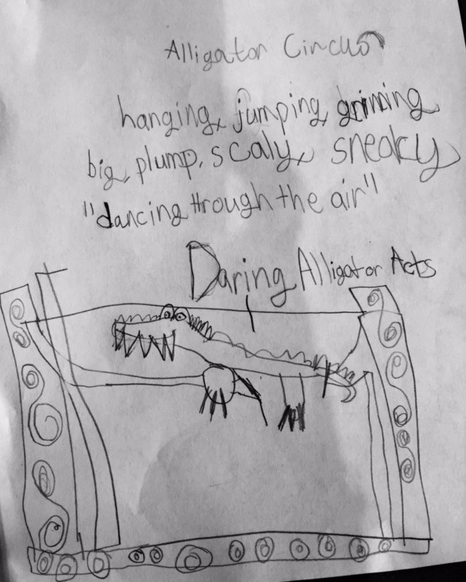
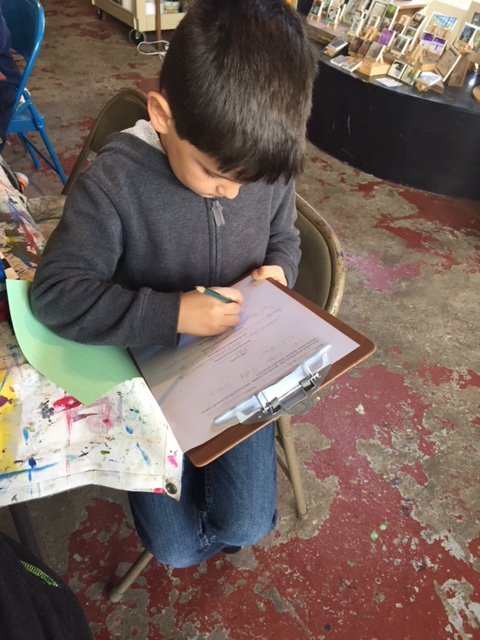
On Friday we took our youngest gifted students on a field trip. The day started at A&E Gallery. Paul Schexnayder, the owner, is an artist and teacher in our talent program. He opened up this old historical building to the wandering eyes of 1st-3rd grade kids. I asked them to find a piece of art that makes them amazed. I had made a form for them to use for a cinquain poem. After they wrote, they created a final draft to give to Mr. Paul. He will place the poems next to the art piece for visitors to see.

Gwen Voorhies, artist.

Gwen Voorhies, artist.

Madison wrote about the peaceful painting above.

Madison wrote about the peaceful painting above.

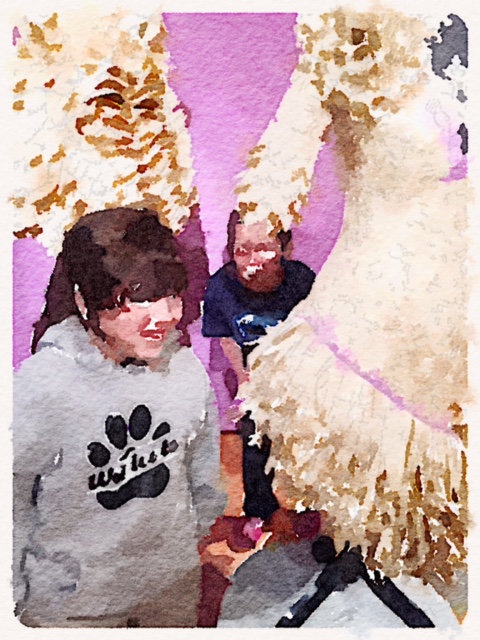
Lynzee wrote about a 3-D piece of an alligator on the high trapeze.

Lynzee wrote about a 3-D piece of an alligator on the high trapeze.

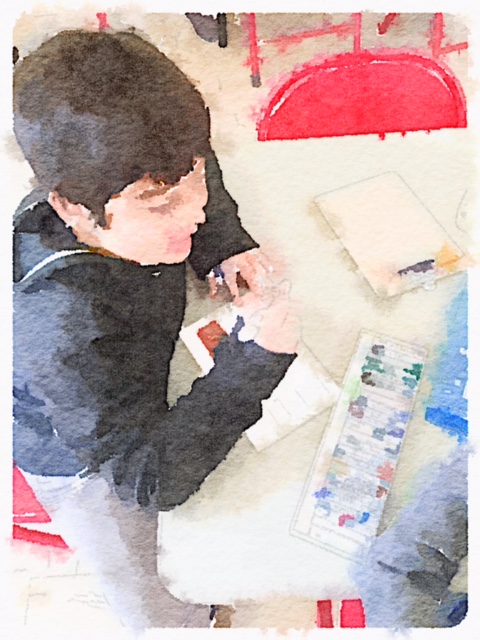
Jacob writing

We ventured onward to the Hilliard Museum in Lafayette. This museum is a fine art museum, different from the co-op gallery in New Iberia. The children drew a postcard of a painting and wrote as if they had visited the place. The docent then brought them to an art room where they could color their pictures with oil pastels and colored pencils. My students enjoyed exploring these art materials.

Exploring drawing with oil pastels.

Exploring drawing with oil pastels.

An art display of dresses made from cut up romance novels.

An art display of dresses made from cut up romance novels.

Our final stop (after lunch in the park) was the Lafayette Science Museum where the kids were allowed to roam freely to see dinosaur bones, insects, magnets, and a favorite of all, video games.
Field trips are a great way to expose our students to new things like art. As I was chatting with the docents, they shared with me that not many teachers take advantage of their program. This is disappointing to me. We need to take our students out of the school and into the world of ideas and creativity. This field trip was inexpensive, too. We only charged the students $5. They brought their own lunches and our gifted program procured the school bus.

I celebrate the beautiful day (temps in the 70’s), art, enthusiastic docents, and students writing, learning, and playing. An added bonus: Our students are all from different schools, so they made new friends, too.

Read Full Post »

Please use this button on your site for DigiLit Sunday posts

Please use this button on your site for DigiLit Sunday posts

I have been “under the weather” lately. After I wrote that sentence, I had to tab over to Google search where that idiom comes from.

“To be under the weather is to be unwell. This comes  from a maritime source. In the old days, when a sailor was unwell, he was sent down below to help his recovery, under the deck and away from the weather.”

This cold that came on with laryngitis sent me below deck. Our gifted program is a pull-out academic program, so my students just stay with their regular teacher when I am not there. I sent an email to all the teachers asking that my students be allowed to use the computer. There I can keep connected with them through our kidblog site.

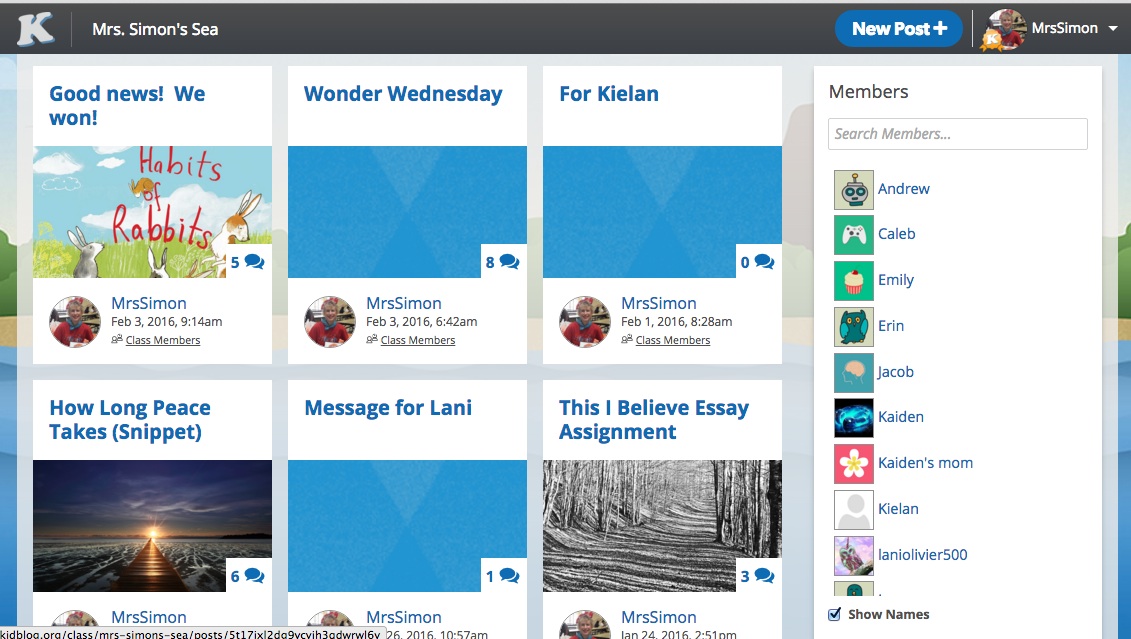
I know a lot of schools have become Google schools, but our district isn’t there yet. But kidblog works. Here is the screen to my posts this week. I can send an assignment with links as well as individual messages for students. And I shared that we won Douglas Florian’s book on Today’s Little Ditty! Yay!

Kidblog screen

Through our kidblog site, we can also connect across the miles with other kidblog classrooms. As we approach the March Slice of Life Challenge, I am pushing my students to pay more attention to these connections. If you want to connect your class with mine, let me know.

In what ways do you stay connected to your students?

Do you know about Digital Learning Day? Sponsored by the Alliance for Excellent Education, #DLDay is scheduled for February 17th, 2016.

Share your digital literacy posts below.

Read Full Post »

Poetry Friday round-up with Catherine at Reading to the Core

Poetry Friday round-up with Catherine at Reading to the Core


Discover. Play. Build.

Ruth Ayres invites us the celebrate each week. Click over to her site Discover. Play. Build. to read more celebrations.

Over at Today’s Little Ditty, Michelle has posted the wrap-up of nothing poems from this month’s ditty challenge posted by Douglas Florian. I have a poem in the collection.

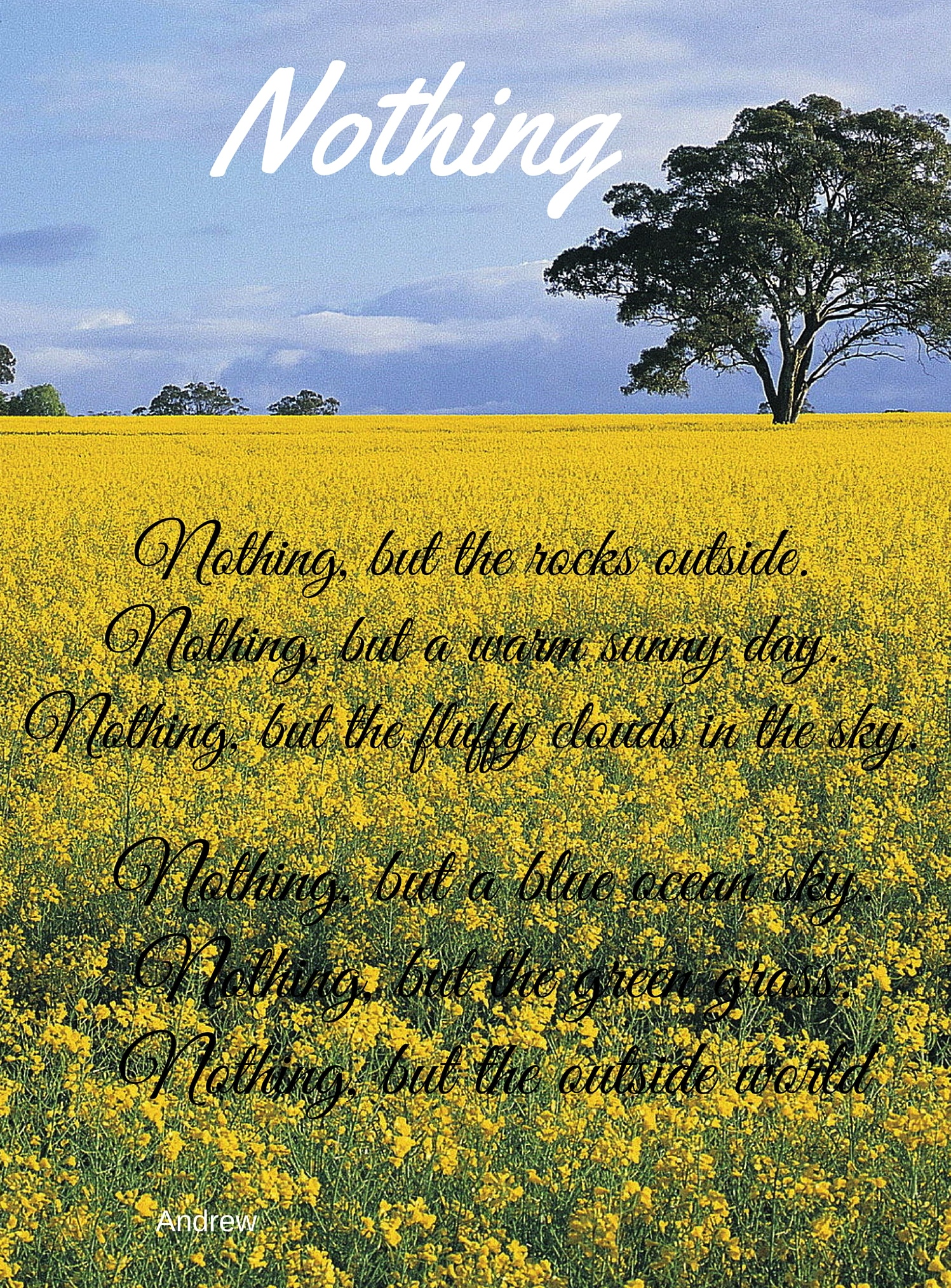
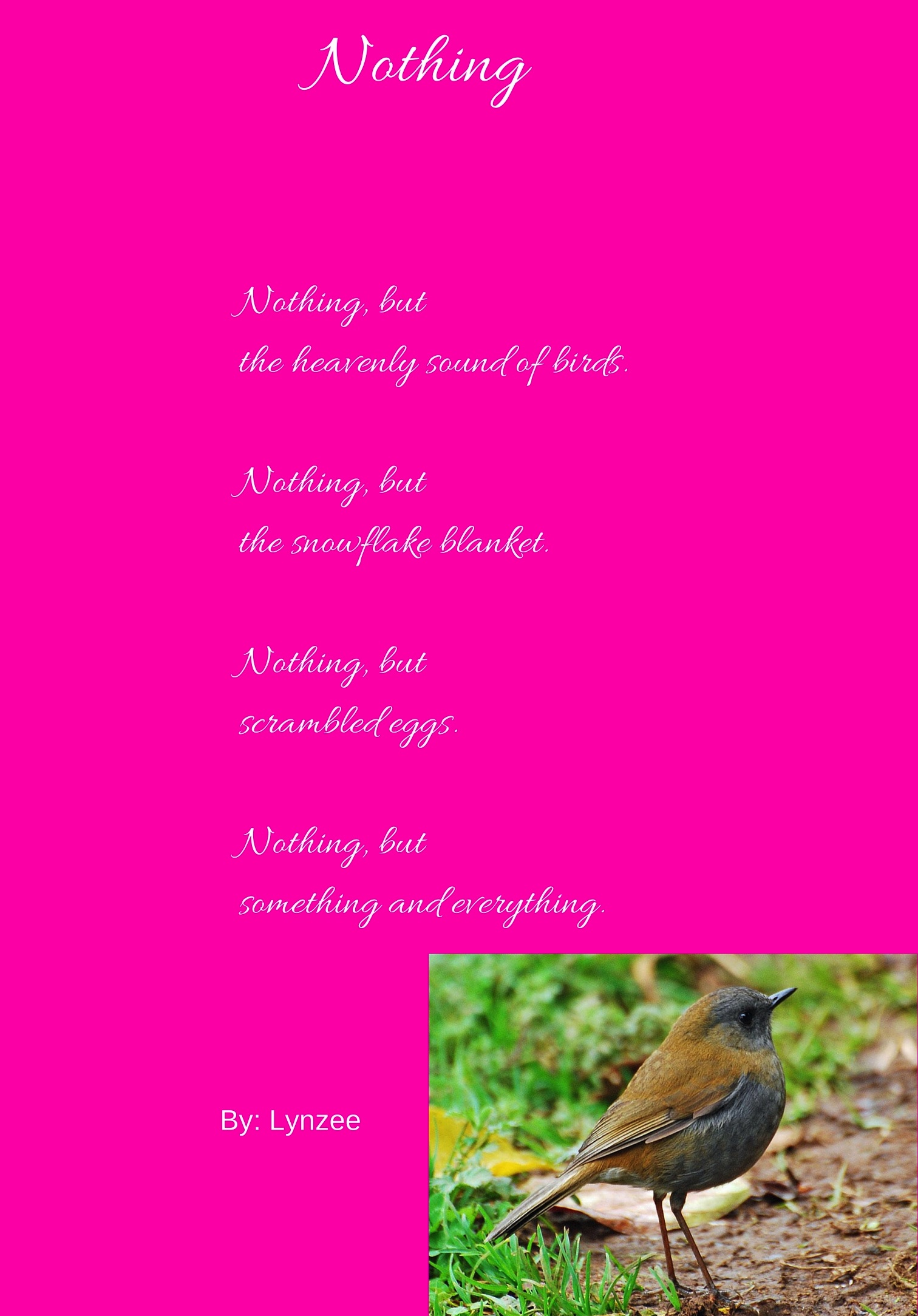
I challenged my students by sharing Diane Mayr’s nothing poem. She used anaphora, a repeated line, “Nothing, but…” This prompt generated a lot of thought. I was excited by the results.

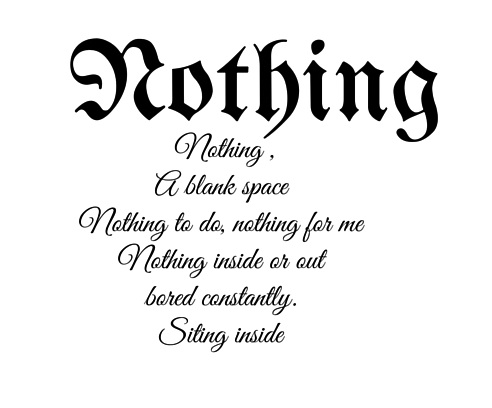
Today, I have a dual post: I celebrate the nothing poems my students created and add them to the Poetry Friday Ditty collection. The digital images were created on Canva.

Love this nature nothing poem from Andrew, 3rd grade.

Love this nature nothing poem from Andrew, 3rd grade.

Lynzee loves the songs of nightingales, 1st grade.

Lynzee loves the songs of nightingales, 1st grade.

Nothing by Kaiden

Nothing poem by Kaiden, 5th grade

Nothing poem by Kaiden, 5th grade

Kielan’s poem is about a classmate, Erin.

Nothing but rainbow narwhals

Nothing but rainbow butterfly unicorn kittens

Nothing but unicorns

Nothing but love

Nothing but a helpful heart

Nothing but imagination

Read Full Post »

Please use this button on your site for DigiLit Sunday posts

Please use this button on your site for DigiLit Sunday posts

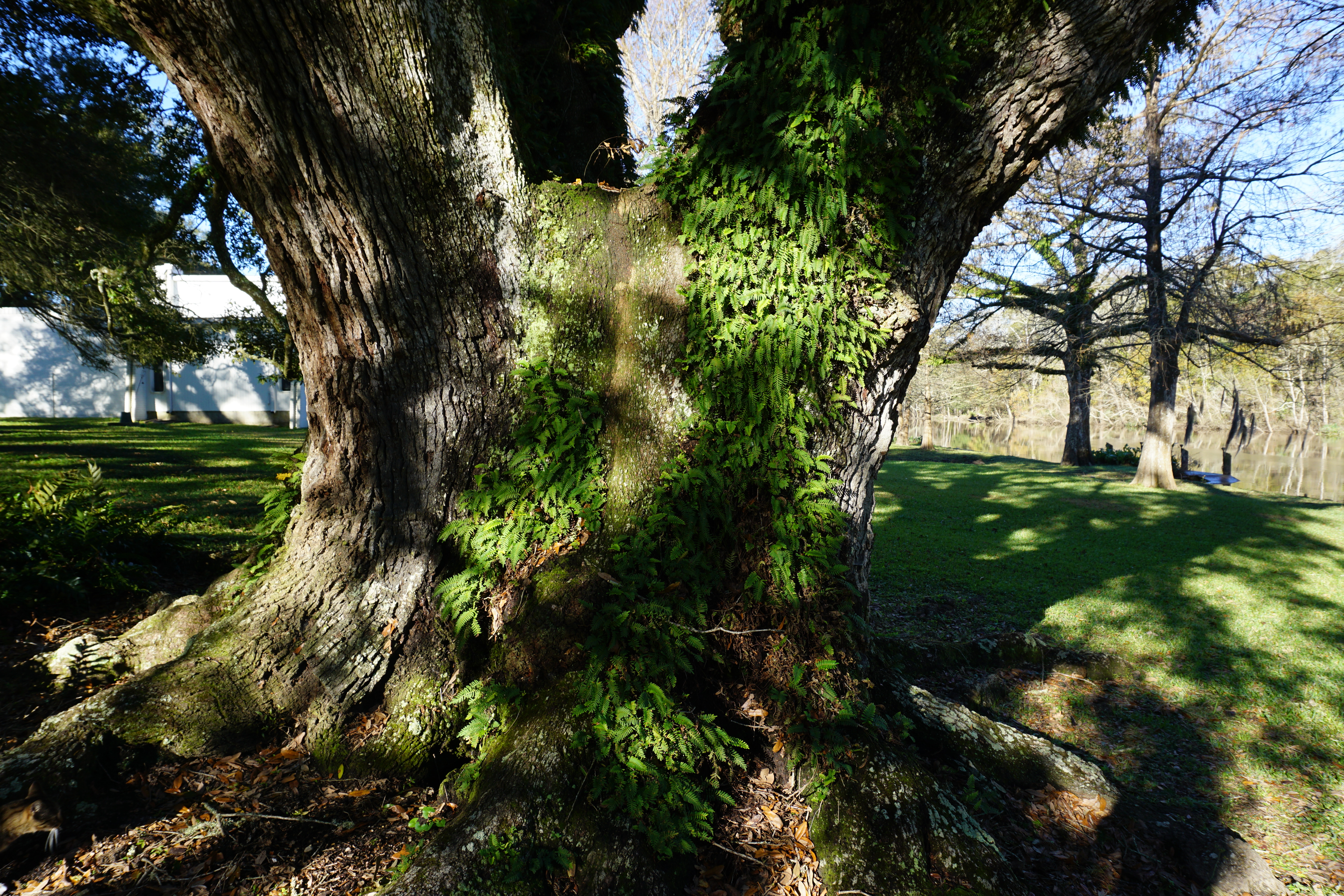
Being present is easy when the light shines on resurrection fern making shadows  to fascinate me.  --Margaret G Simon, OLW

Being present is easy
when the light shines
on resurrection fern
making shadows to
fascinate me.
–Margaret G Simon, OLW

For this new year of blogging about digital literacy, I decided to use prompts to get us thinking and reflecting. If you have any topic ideas, please share them with me. This week we are discussing digital versus nondigital.

In my classroom we have stopped having conversations about digital vs. nondigital writing. Writing is writing, whether you are typing on a blog site or writing in a notebook. We utilize each as a tool for writing. The choice is theirs. Some choose to brainstorm in a notebook. Some will go straight to the blog and open a draft. Some will type in a word document first, then copy and paste to the blog. Some print out each draft. The choices are as varied as there are students in the room.

The computer should be a tool that is available as a choice. In my classroom, we make use of every space: the desk for writing, the corner for reading, the computer tables for blogging.

This week my students wrote Harris Burdick stories. The Mysteries of Harris Burdick was originally a collection of black and white illustrations by Chris Van Allsburg including a title and a caption. The story was left to your imagination. In 2011, The Chronicles of Harris Burdick was published. This book includes short stories written by well-known middle-grade authors, such as Jon Scieszka, Kate DiCamillo, and Walter Dean Myers.

I shared The Chronicles of Harris Burdick with my students. We read a few of the stories aloud. Then they each picked an illustration to write about. I was amazed how well this worked for even my youngest writers. Madison wrote the most words she’s ever written in her life. (She’s a second grader.) Jacob incorporated a retelling of Jack and the Beanstalk. Kielan would not be distracted. She sat at the computer for three days typing furiously.

MrLindenslibrary

One night a girl named Ruby, who was 10 years old, went to the library to get a book because she loved books. The librarian named Mr. Klein warned her not to get the ancient book because it killed a boy named Jack. She didn’t hear him because she was playing music on her headphones. She took her book home and read it. As she was reading it, the vine pulled her right into the book. As she was dreaming about candy canes and gumdrops, it all changed into a story. The only way she could get out of the book was beating the fairy tale in the book. The first fairy tale was Jack and the bean stalk. (Jacob, 2nd grade)

Madison and Emily wrote their first drafts in their notebooks. Tobie just opened up a draft post on the blog and dove right in. Kielan typed directly into a word document. I observed my students go through the writing process in their own way. Some of them needed talk time. When Lynzee was stuck, she chatted with Emily about where her story could go.

Eventually, though, every story will be typed into our Kidblog site. Because this is how we share our writing. We have Kidblog connections out in the world. I’ve encouraged my students to “hack” into other blogs and write comments. They are getting a glimpse into the marvel of “meeting” people online. These connections have not caught on like I had hoped, so I have put a new blog connection on the board each week and required my students to connect to at least 3 other students. They give me a sticky note with the three names on them (accountability).

Would an old-fashioned pen pal letter be more meaningful? I’m not sure. When I was teaching back in the 90’s, we did pen pal letters. The students would wait weeks and weeks for their letters. Then they would write the minimal in a response. I never quite got them gung-ho about this project either.

Today, the world is digital. Nondigital is not going away. I still have about 5 journals floating around. I have stacks of books to read. I even managed to hand-make and handwrite thank you notes for Christmas gifts. Whether digital or not, literacies are about reading, writing, connecting, expressing, and being present.

Please add your blog link. Thanks for stopping by.

Read Full Post »

Please use this button on your site for DigiLit Sunday posts

Please use this button on your site for DigiLit Sunday posts

In an attempt to get more participation in DigiLit Sunday, I tweeted out a topic this week, One Little Word. My students worked on their OLW projects the first few days of our return from break. I think this helped them focus and get excited about a new year.

As usual, I offered choices for their project. But for their blog posts, I had three requirements: an image, commentary, and poem. Many chose to write acrostic poems. Most of them chose to use Canva after I showed them how it worked.

Canva is a platform where you can create posters. We did not print the posters, but I uploaded them into their blog posts. Using thesaurus.com, they found synonyms for their words and in some cases, changed their word to one found in the search.

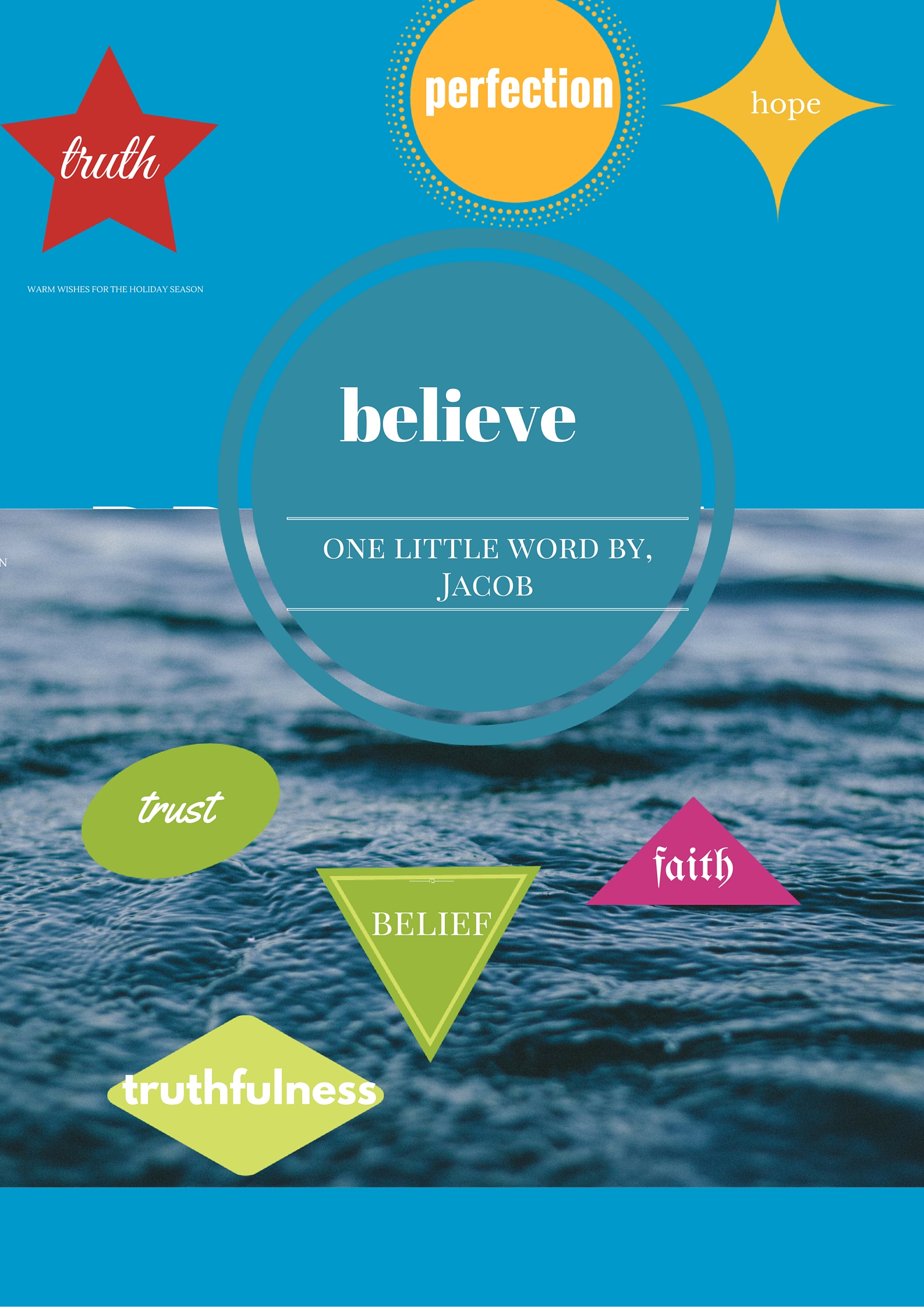
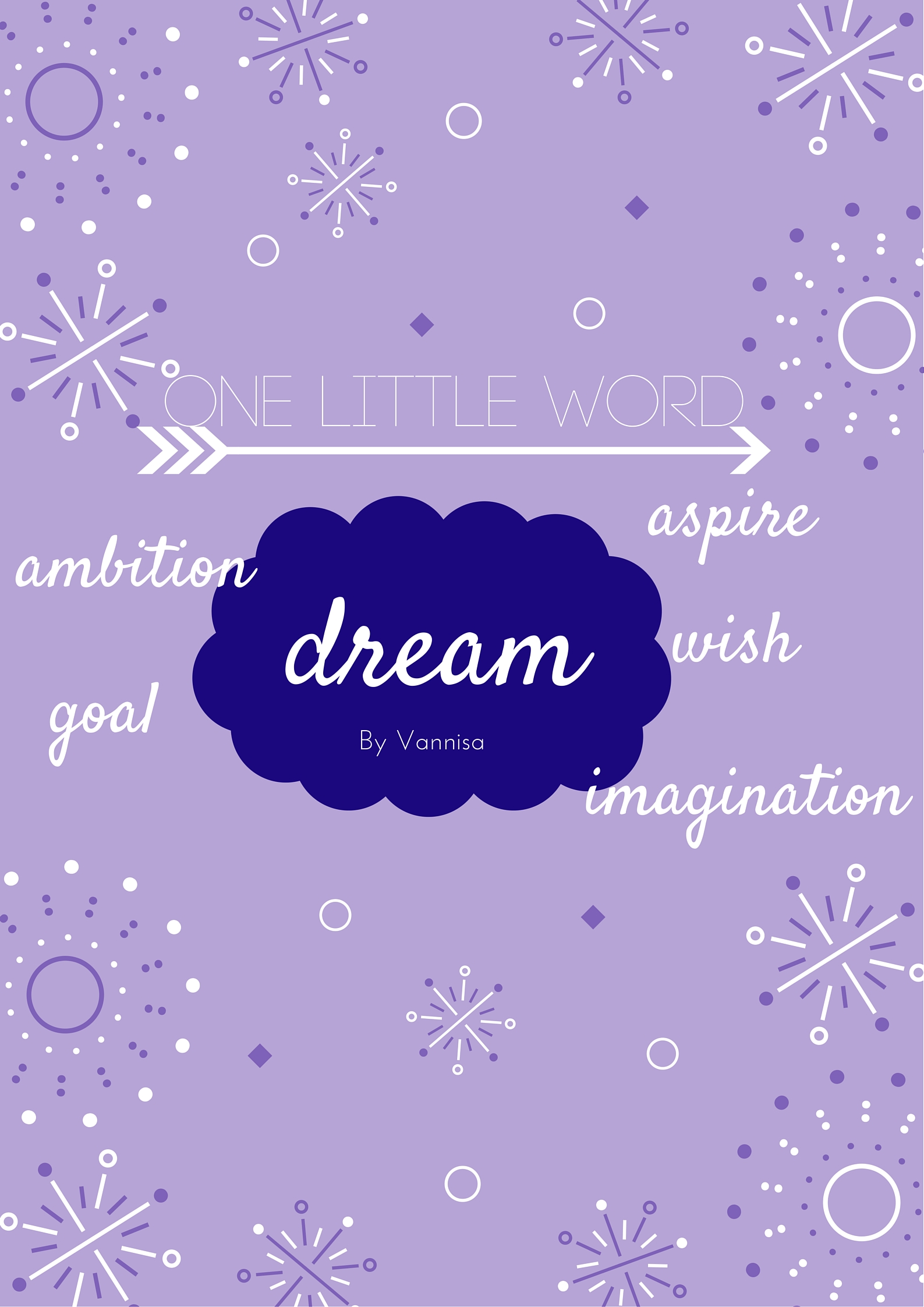
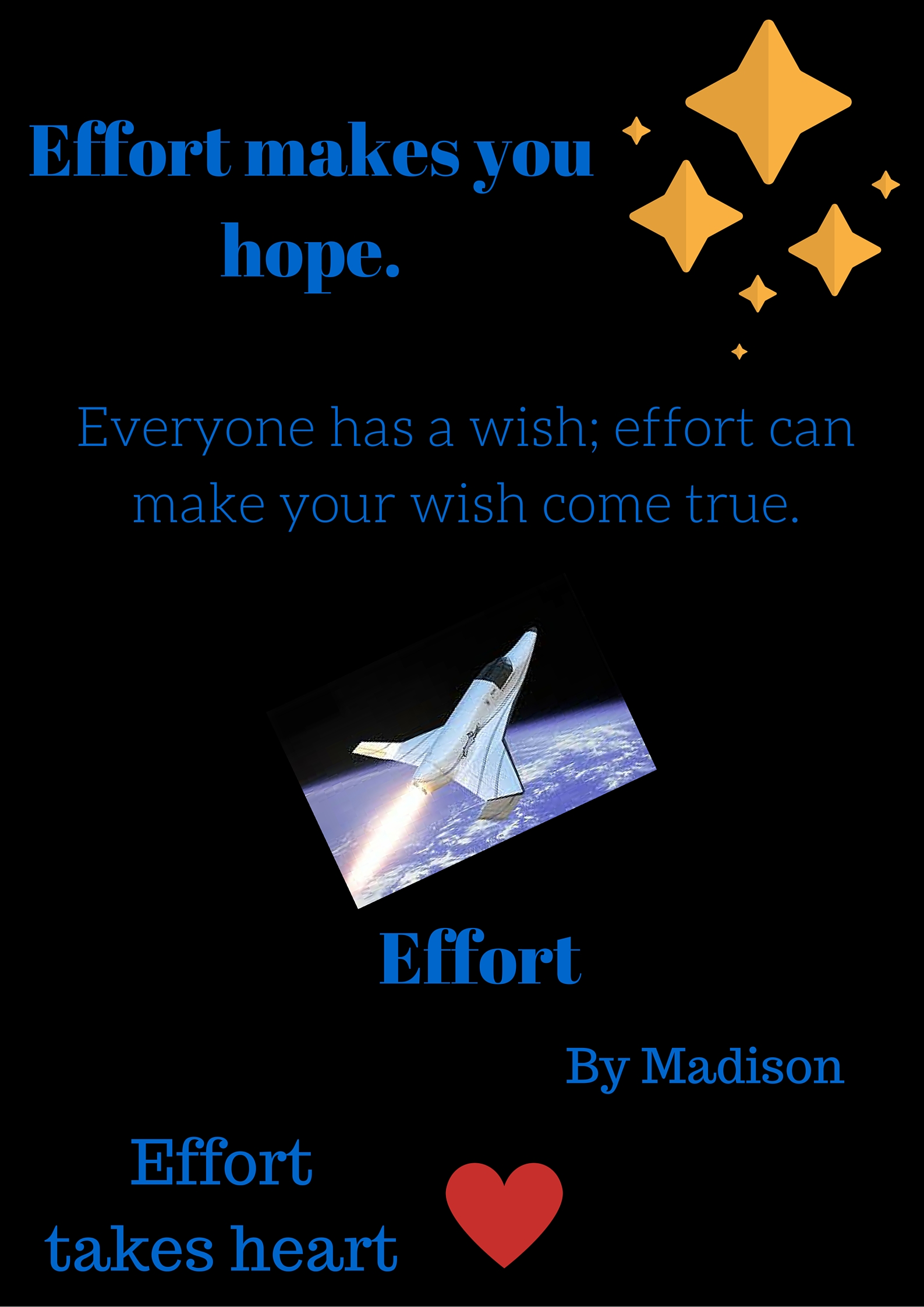
I have been thinking a lot about digital literacies, in particular visual literacies. How does the image convey meaning? I was careful to ask my students, “When you think of your word, what is the image you see?” For Jacob, his word Believe meant blue ocean water. For Madison, her word Effort was communicated by a rocket. Vannisa found a word that connected her interest in sleep (her passion project topic) and her zodiac sign (Pisces) by choosing Dream. She worked with the shape tools of Canva to create a cloud behind her word.

Kielan supported her choice of a star image (her word is Sparkle) with this piece of writing: “There are over a billion stars in the sky. Out of all those stars, there is one particular star that stands out from the rest. All those stars are one color, but this star is all colors. Blue, Red, Green, Purple, you name it. I want to be just like that star. I want to be bold, stand out, sparkle, and be like no other.”

Believe by Jacob

Believe by Jacob

Dream by Vannisa

Dream by Vannisa

Effort by Madison

Effort by Madison

Link up your DigiLit Sunday posts. Topic for next week: Balance (of digital and nondigital)

Read Full Post »

Poetry Friday round-up with Buffy at Buffy's Blog

Poetry Friday round-up with Buffy at Buffy’s Blog

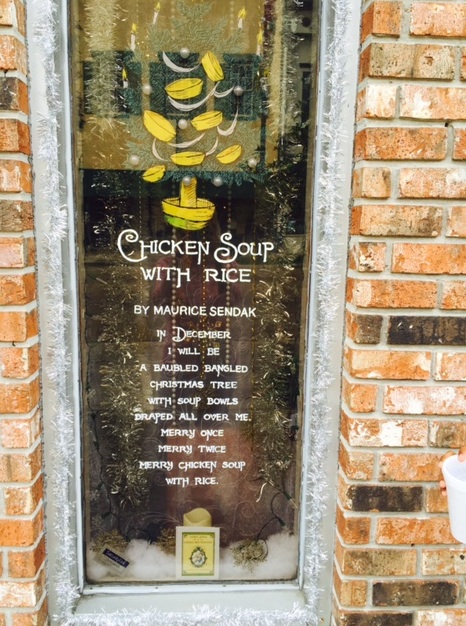
Walking down Main Street you may find a poem in a window.

Christmas window

Or you can stop in at A&E Gallery and see that poets have been there.

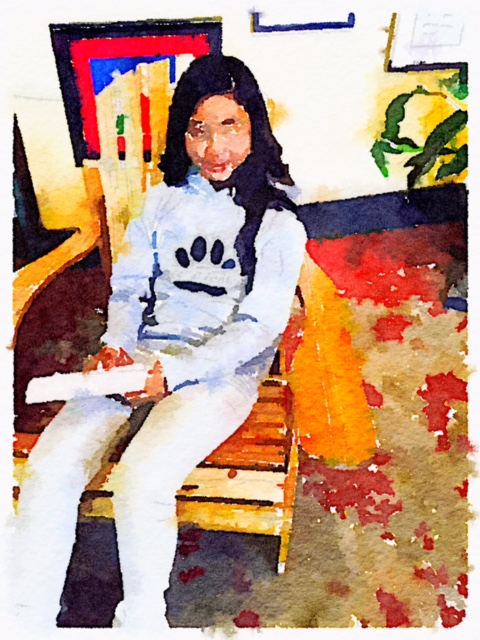
Vannisa in the gallery

Space Man and Space Dog
walk the moon alone,
with only each other
to keep company
on the long way home
–Vannisa

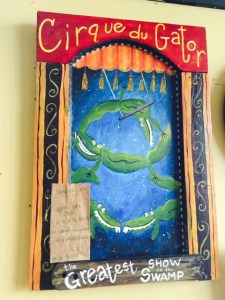
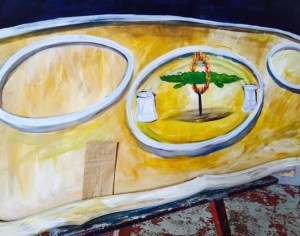
Paul Schexnayder has started a series of Circus Gators in his paintings. This makes for a crazy circus poem.

Cirque du GatorFullSizeRender
a green gator circus,
a scaly trapeze,
two mingy gymnasts,
and a sharp-toothed dancer.
–Emily


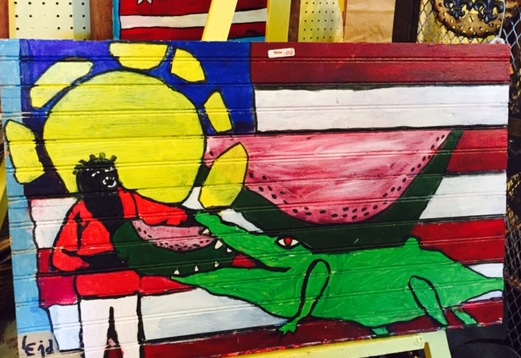
flag gator painting
$100 is the price
for a patriotic watermelon sunrise.
A alligator
stealing a watermelon from a chubaka?
Greedy green gator
masking the red white and blue.
–Kaiden


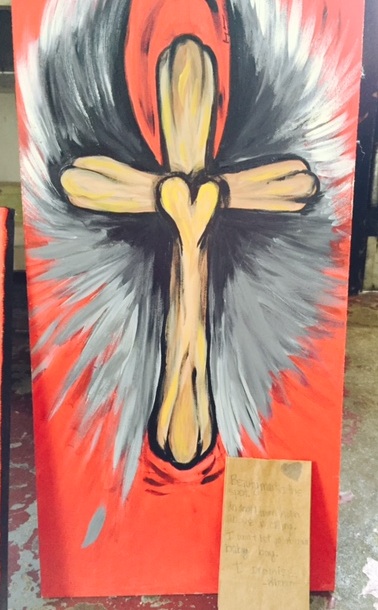
Beauty marks the spot.cross angel
An angel from high above is calling.
I won’t let go of your baby boy,
I promise.
–Kielan


I joined in the secret poem walk and wrote to the work in progress.

An empty framePaul painting poem
waits
layers
of color
build
a world,
a circus
of imagination.
–Margaret Simon

A field trip down Main Street can be a poetic treat.

Read Full Post »

Poetry Friday round-up with Mary Lee at A Year of Reading

Poetry Friday round-up with Mary Lee at A Year of Reading

Do you know about the famous Fibonacci Sequence? The ages old sequence that creates a spiral, a shape found in nature? The mathematical sequence is 0, 1, 1, 2, 3, 5, 8…Do you see the pattern? More information (including algebraic equations) can be found at Math is Fun.

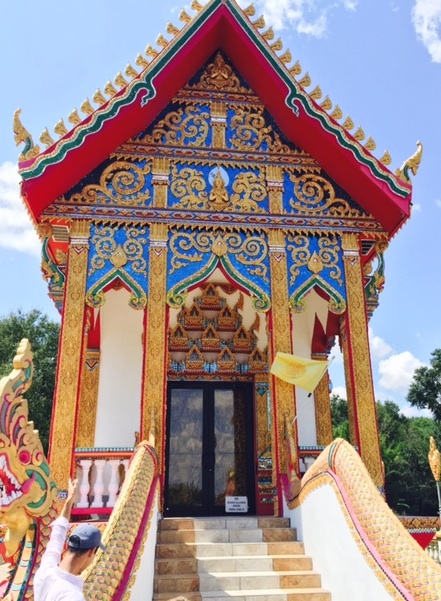
I had forgotten about using the sequence in poetry until a colleague introduced it to our 6th grade enrichment group. We are working on Unsung Hero projects. Our previous meeting had been a field trip to see and hear about heroes in our own town. She asked the students to recall the field trip by writing a Fib poem. I wrote about the Buddhist Temple in our local Laotian community.

Wat Thammarattanaram, New Iberia, LA

Wat Thammarattanaram, New Iberia, LA

Stands
tall
above
Buddhist monks
humbly giving self,
Temple of golden ornaments,
Temple of sacrifice,
meditate on lasting love.
–Margaret Simon

A Fib poem follows the syllable count as in the mathematical sequence, 1, 1, 2, 3, 5, 8. And if you are feeling wordy, you can tack on a line of 13 and 21.

A few years ago I had used this form with my students when we were sharing The 14 Fibs of Gregory K by Greg Pincus.

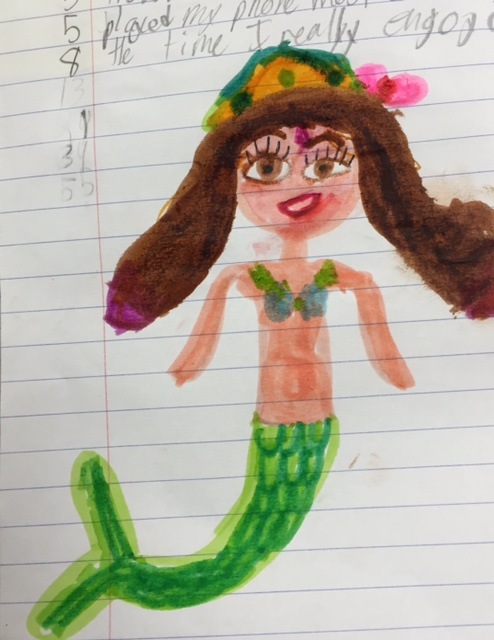
I tried out the form on my other students. I asked them to write about our field trip to New Orleans, the Aquarium and Insectarium, last week. The exercise was quite a challenge. I, too, struggled. But that’s what writing is all about, right? We made a padlet.

erin's mermaid

Each afternoon, I read aloud another chapter of Fish in a Tree. We usually write notices and wonders to add to the Voxer chat with other classes, but yesterday, I asked Jacob to write a Fib poem with me about Ally, the main character. We started over 3 times. Jacob was being very patient. Each time he’d write the syllable count down the margin of his journal page. Finally we liked what was coming, but we couldn’t quite get that last line. Then Jacob just blurted it out. Some days my young students blow my mind. We recorded it on the Voxer chat.

Why?
Why?
Ally
thinks she’s dumb,
so afraid to tell,
hates being locked up in her brain.
–Jacob

Using strict forms can be frustrating, but when it works, when we discover a winning line, we can say “Boom, Gotcha” to that Fib!

Read Full Post »

Please use this button on your site for DigiLit Sunday posts

Please use this button on your site for DigiLit Sunday posts

When my student Vannisa wanted to write a fall poem, she looked to the skies. She wrote this poem including the science of meteor showers that occur in fall.

As We Fall

As we fall into winter,
the weather chills
and the leaves come down.
They fill the ground with
a fiery red
and blazing orange.

As we fall into winter,
we can no longer watch fireworks
like 4th of July,
but we can watch
the shooting stars of
Orionids and Leonids
and watch the days get shorter
until Spring comes back again.
–Vannisa

She had a blog comment on her poem asking her more about the Orionids. When she was looking for something to research for her Wonder of the Week, I suggested the meteor shower. Each week I have my students use Wonderopolis to read nonfiction and respond by writing about what they learned. They then have the option to create a class presentation using technology.

Vannisa had to expand her research beyond Wonderopolis and this was my intent all along, that some little spark would send my students into real, authentic research.

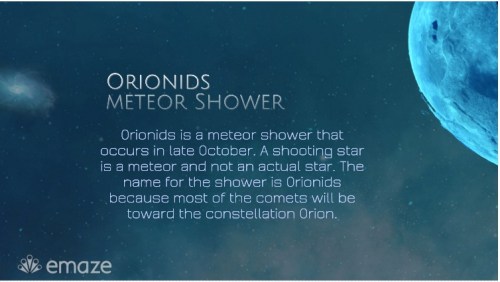
Click the image to view the Emaze.

Click the image to view the Emaze.

Know: Orionids is a meteor shower that occurs in late October. A shooting star is a meteor and not an actual star. The name for the shower is Orionids because most of the comets will be toward the constellation Orion.

Wonder: What Causes a Shooting Star?, Where Is the Big Dipper?, How Many Stars Are In The Sky?

Learned: A meteor is formed from rock that burns up in Earth’s atmosphere, causing it to look like a streak of light in the sky. A piece of a meteor is called a meteorite. The Big Dipper is mostly referred to as a constellation, but it’s actually an asterism. Our galaxy has about 200 billion to 400 billion star. Scientist predict that there are 100 billion to 200 billion galaxies in the universe. Based on the latest estimates, astronomers guess that there are 300 sextillion stars in the universe which is 300,000,000,000,000,000,000,000. That is 1 billion times 1 billion times 3!

Burning Question: How did they find out how many stars there are?
https://www.emaze.com/@AICIROTW/orionids

Days when learning and creativity come together I realize the true joy of discovery. I strive to give my students the open door that will lead them on their own journey of learning, not down a path I have designed, but one they have chosen. It doesn’t happen every day. But with Vannisa and her spark of interest in meteor showers, these two paths converged and made meaningful learning. Through blogging, she was able to share it with others. Win. Win.

Add your own Digital Literacy posts here:

Read Full Post »

Join the Two Writing Teachers blog for Tuesdays Slice of Life Challenge.

Join the Two Writing Teachers blog for Tuesdays Slice of Life Challenge.

I largely believe that my blog audience is fellow teachers, but sometimes I meet readers on Main Street, and sometimes they call me on the phone. Both happened to me this weekend. I saw Mac at a local art gallery for Art Walk on Saturday evening. He started up a conversation about reading aloud and how he was happy I was doing that with my students. He told me about how his family read aloud, and he passed it on to his kids and grandchildren, and now even great grandchildren.

I got a phone call from a friend who wanted to tell me that she appreciated the work I was doing with kids to connect reading to their own lives. She shared that she is going through something very difficult, and my posts help her. What? Really? I was moved to tears.

Receiving praise for writing reaches farther and deeper than any other kind of praise because writing is so personal. I want to bring this type of understanding to my students along with the joy and pride of knowing their writing touched someone else. I work to build connections for them. On our kidblog site, we have connected to other classes. I encourage them to find a student from another class to connect with.

We teachers talk with our readers about making text to self connections. Usually these connections seem false. When we make those connections together around a shared text and then share them globally, this writing holds more meaning. The stakes are higher. The voice is authentic.

On Padlet, I posted this question for students to write about in connection to the Global Read Aloud, Fish in a Tree: “In Fish in a Tree, Ally doesn’t tell anyone about her trouble with reading. She has an opportunity in Mrs. Silver’s office and even with her mom, but she resists out of fear. Have you ever had something so troublesome that you just didn’t know how to or were afraid to tell the truth?”

To get them started, I posted my own story.

When I was very young, maybe around 6, I was playing with matches outside with the neighbors. Before we really knew what was happening, the yard was in flames. The blanket for our “campout”, my favorite doll, the pillows from my brother’s bed…in flames. Fear sent me inside. I climbed in my mother’s lap and cried and cried. She got very angry because she was on the telephone. Finally I squeezed out the word “Fire!” and she went running. I don’t remember much after that moment, but to this day I feel very guilty about that accident.

When my students read it, they immediately gasped, “Matches? You played with matches?” My mother now knows the whole story, but I still cannot shake the guilt and trauma of burning the front yard. That spot in the grass seemed to stay black forever.

I sent out a Voxer message to colleagues in California, Ohio, and Illinois. They responded by writing their own stories. So my students had 4 adult models to read Monday morning before writing their own. Thanks Julianne, Julie, and Phyllis.

Click on the image to see the Padlet.

padlet FIAT

I am excited our writing is becoming richer and holding more meaning. Making connections with text, then having someone else connect to our own writing is a powerful way to communicate and spread kindness and understanding.

Read Full Post »

Poetry Friday round-up with my dear friend, Amy, at The Poem Farm.

Poetry Friday round-up with my dear friend, Amy, at The Poem Farm.

writing secrets

Mrs. Simon, I don’t know what to write.
Oh, no! I don’t have anything to write about!
I have writer’s block today, Mrs. Simon.

These words echo in my classroom regularly. Why? Because we are all writers. And we all know that writing is hard.

I asked my students to write long about a book we are reading. (Global Read Aloud: Fish in a Tree by Lynda Mullaly HUnt.) You could hear the sighs. For some reason, that bad word…long…sent them into total fear. So I saddled up to the computer connected to the board. After stumbling over the necessary technology to get them to see what I was writing, I set about modeling a long writing.

I actually surprised myself that I could do this on-demand-in-front-of-everybody writing from nothing. But I realized that it all comes from practice. I just started typing and the words came. My students laughed at my typos as I was trying to type quickly. They noticed that my long writing was only 140 words. The assignment became less intimidating.

Yet, one of my best writers sat in front of her computer not typing. And it seemed the longer she stared at the blank page, the harder it got for her to start. I didn’t have a very good answer for her. It happens. We’re writers. We are going to have those days when nothing comes to mind. So I let her leave class with this instruction, “Think about what you may want to write about and we’ll start again tomorrow.” Some writers need time to think.

I know this is Poetry Friday, and you are asking yourself, “Where’s the poem?” Sometimes with writing, you need to write about what you need to write about.

Kielan is a writer. She is in 6th grade, and I’ve taught her since she was in second grade. She’s had her share of writer’s block, but she is connecting with Ally in Fish in a Tree. This is her long writing about how she was bullied like Ally.

In Lynda Mullaly Hunt’s book Fish In A Tree, Ally’s at the restaurant where her mother works. Her mother is a waitress there. While Ally is at the restaurant suddenly her “friends” walk in. Shay and Jessica walk in the restaurant and start talking to Ally.

Ally tries to resist them, but her mother thinks she should talk with them. Her mother doesn’t know what Shay and Jessica do to Ally. They talk to her about the sympathy card Ally gave to their teacher. Something similar like this happened to me too.

I was in 4th grade when it happened. A girl named Emily was in my class. Every time a teacher was near she was nice to me, but when there was no teacher near she was mean to me. When she was nice to me I would reject her and then I would get in trouble.

She sat right in front of me in class and we were kind of enemies. I had to read aloud in class and answer the question. I read the passage right, but I got the answer wrong. Then she got called on and she got the question right. She looked at me, gave me a mean look, and then rolled her eyes. After school she saw me in Mcdonald’s at Walmart. She called me smart, her friend, pretty, and nice, only because my mother was around, but then the next day at school, she called me dumb, mean, her enemy, and ugly. She made me think I was dumb. Just like Ally felt in the story.

I made my own quote. “Trust no one” and “Never trust a phony with anything”.–Kielan

Read Full Post »

« Newer Posts - Older Posts »