Feeds:
Posts
Comments

Archive for the ‘This Photo Wants to be a Poem’ Category

Prayer candles in St. James Episcopal Church, 2024 by Margaret Simon

I was in my childhood home church on Sunday. While the scent of incense lingered, I walked over to the columbarium to say hello to my dad. I saw the metal rack of votive candles. I decided to light a candle for my mother, in hospice care at the end stages of Alzheimer’s, and one for my daughter’s mother-in-law who is battling cancer. To light a candle for someone symbolizes the prayer intention. Do we need this symbols? I believe we can pray without them, of course, but something in me was comforted by the act of lighting.

I invite you to consider holy moments, whether they be in church or out in nature, perhaps even in the quiet of your day. We can set intentions and practice mindfulness. What are your intentions today? Write a small poem in the comments and encourage others who write with us.

Instead of empty…
fill
Instead of fallow…
fertile
Instead of loss…
love
Instead of lies…
truth
Instead of hopelessness…
faith
Read Full Post »

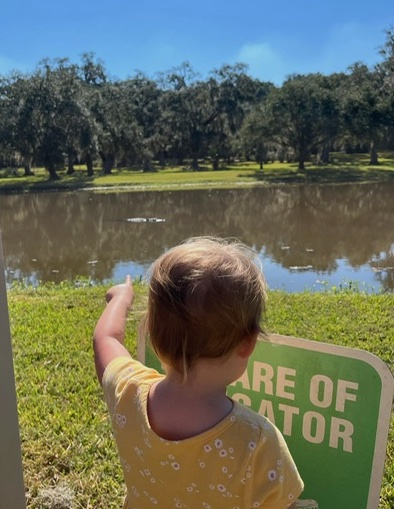
Granddaughter June, 22 months, pointing at an alligator at Avery Island, Louisiana.

My daughter joined my older daughter and her kids at Avery Island, Louisiana, a few miles south of us. It’s the home of the Tabasco plant. The place is beautiful, set on an inlet from the Gulf of Mexico. The water is fresh water and yes, there are gators there. Alligators are generally not aggressive animals. They peacefully float along the surface. I’m not sure, but this might have been June’s first time to see an alligator out in the wild.

Let’s play with enjambment today. Enjambment is a poetic element in which a sentence or phrase continues from one poetic line to the next, without end punctuation. Enjambment can create a surprise or suspense.

Here’s an example from Maggie Smith’s poem “First Fall”:

“I’m your guide here. In the evening-dark
morning streets, I point and name.
Look, the sycamores, their mottled
paint-by-number bark. Look, the leaves”

Here is my draft:

Your finger is the guide here, pointing,
noticing, identifying first gator.
You say, “Foggie,” and Mom
repeats, “That’s an alligator!”
You point again, fumble over
new syllables, soaking up
space, place, and being
a toddler on tour.
Margaret Simon, draft

Read Full Post »

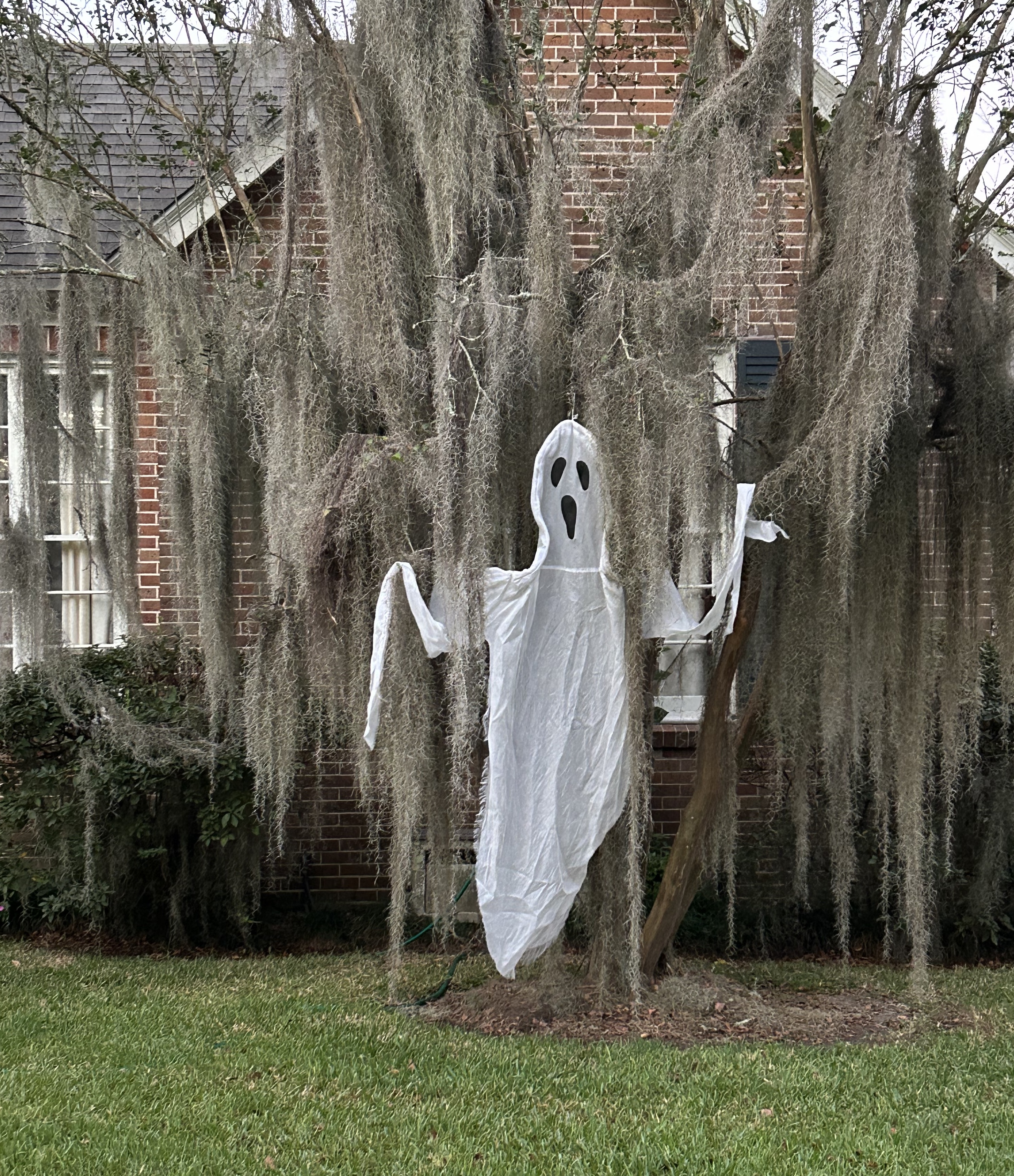
Mossy Ghost by Margaret Simon

If you have a tree covered in moss, then you must hang a ghost there.

I’ve taken a number of pictures of Halloween decorations thinking about the photo for this week. This one is the winner. In my neck of the woods (South Louisiana), moss covered trees are common. My husband grew up calling it “spooky moss”. It is the common Spanish moss, and on some trees, the stuff practically takes over the tree, even though I’ve read that moss is a bromeliad in the pineapple family and does not harm the tree.

“Many homeowners think that Spanish moss kills their trees. This is not the case because the moss is not parasitic. The only thing Spanish moss uses trees for is support.” University of Florida.

Yesterday as we were writing metaphors for artifacts in nature (#WriteOut), Avalyn created this form:
The (A, An) object in nature
is/is like …
describe how it is like
end with a connection to life

I tried the form when writing about milkweed seeds. I combined it with a prompt from Ethical ELA to write with words from paint chips here.


A milkweed seed
is a great white egret
showing off its lacy wings
to the mirrored pool in the sky.

Margaret Simon, draft

Spanish moss
are stalactites
hanging on a crepe myrtle
hosting ghostly terrormites.
Margaret Simon, draft

Now it’s your turn. You can try Avalyn’s form or use your own. Please encourage other writers with your responses. Happy Halloween!

Read Full Post »

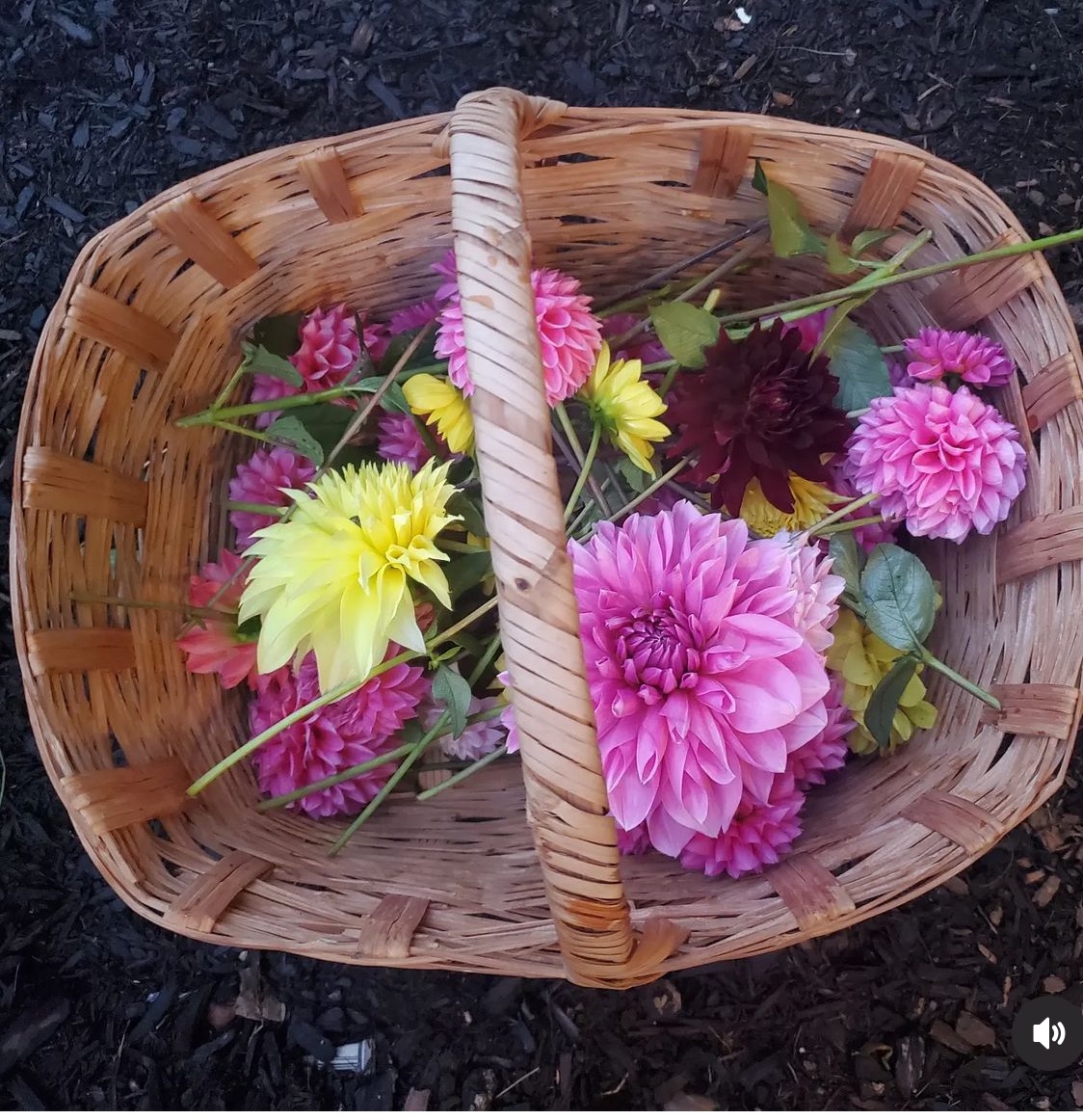
Bringing in the Dahlias by Amy Ludwig VanDerwater

The air turned cool overnight. The cats are hunkered next to the door. My friend in upstate New York, Amy Ludwig VanDerwater, posted a photo of a basket of dahlias. She gathered them to place in a vase since the cold front would surely wilt them.

We wait and wait for the air to turn cool. Then when it does, we gather flowers, fruit, caterpillars to save. Yesterday I released 3 new monarchs into the air. Today they are blown south by the cold front. Seasons change. Sometimes gradually. Sometimes suddenly. Write a small poem today about this changing time. What does it mean to you?

This week is the first week of the National Writing Project Write Out, so if you can, go outside. Let nature speak to you. Catch a poem.

Daisy’s cousin
Asteraceae family name
Heat loving plants
Light of morning sun
Invite them inside
A guest for the dining table
Margaret Simon, draft

Read Full Post »

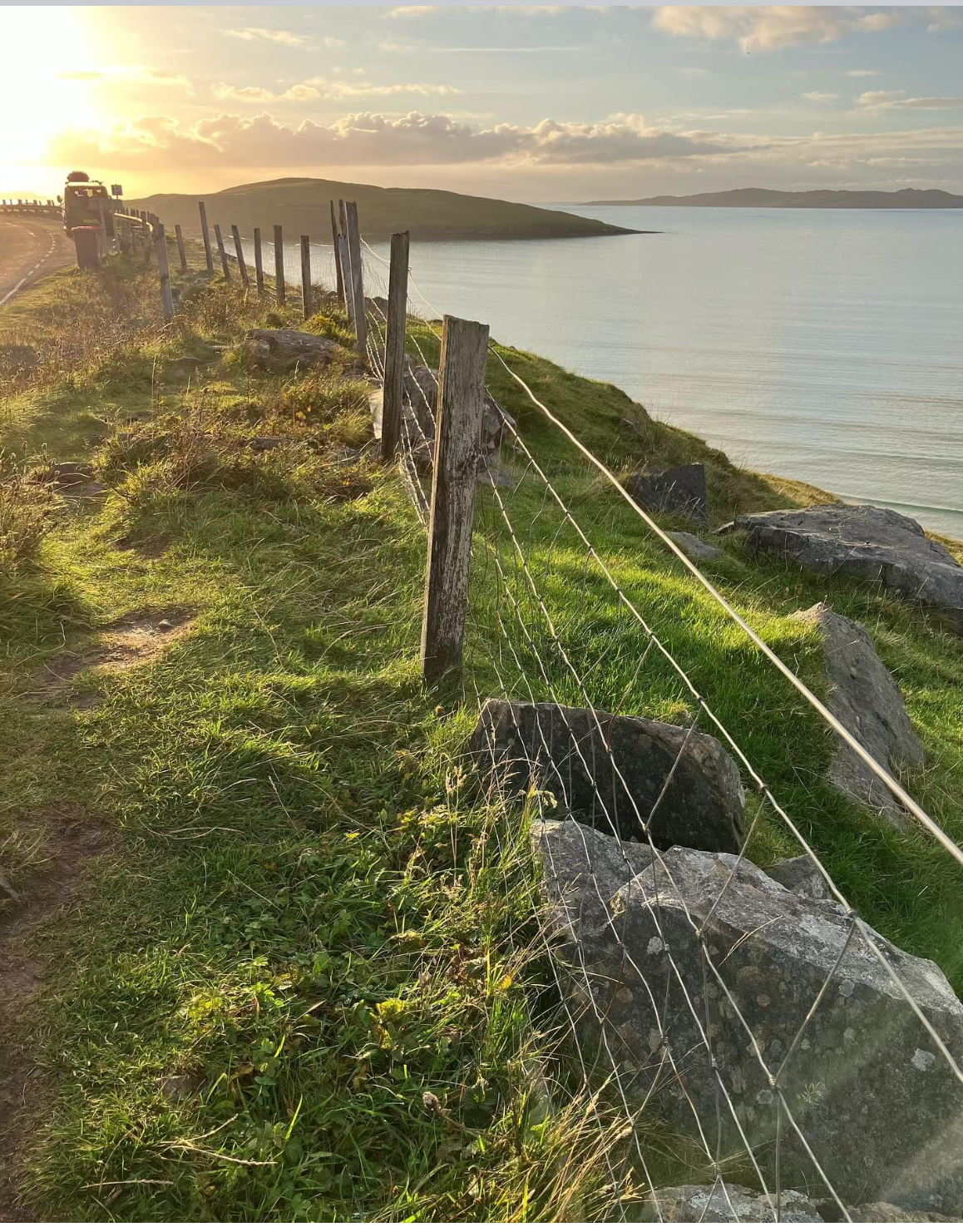
by Mary Lee Hahn on the Isle of Harris, Scotland.

Recently I’ve had three different friends travel to Scotland. I think it’s a sign that I am meant to travel there. And, of course “Outlander” on Netflix is my current binge obsession. Mary Lee has been posting daily albums on Facebook of her travels. I chose this one, but they are all amazing. Can’t you just hear the bagpipes and feel the cool breeze?

Let’s travel today in our poems. Where would you like to go? Maybe a stay-cation is all you need. Close your eyes and dream. Please leave a poem in the comments and respond to other writers.

Mary Lee is writing daily cherita poems of one line, two lines, three lines that tell a complete story. So I chose the cherita form.

Scotland calls me

to hear the wind
roar across the sea

and be a traveler
wondering isle to isle
seeking Skye.

Margaret Simon, draft

Read Full Post »

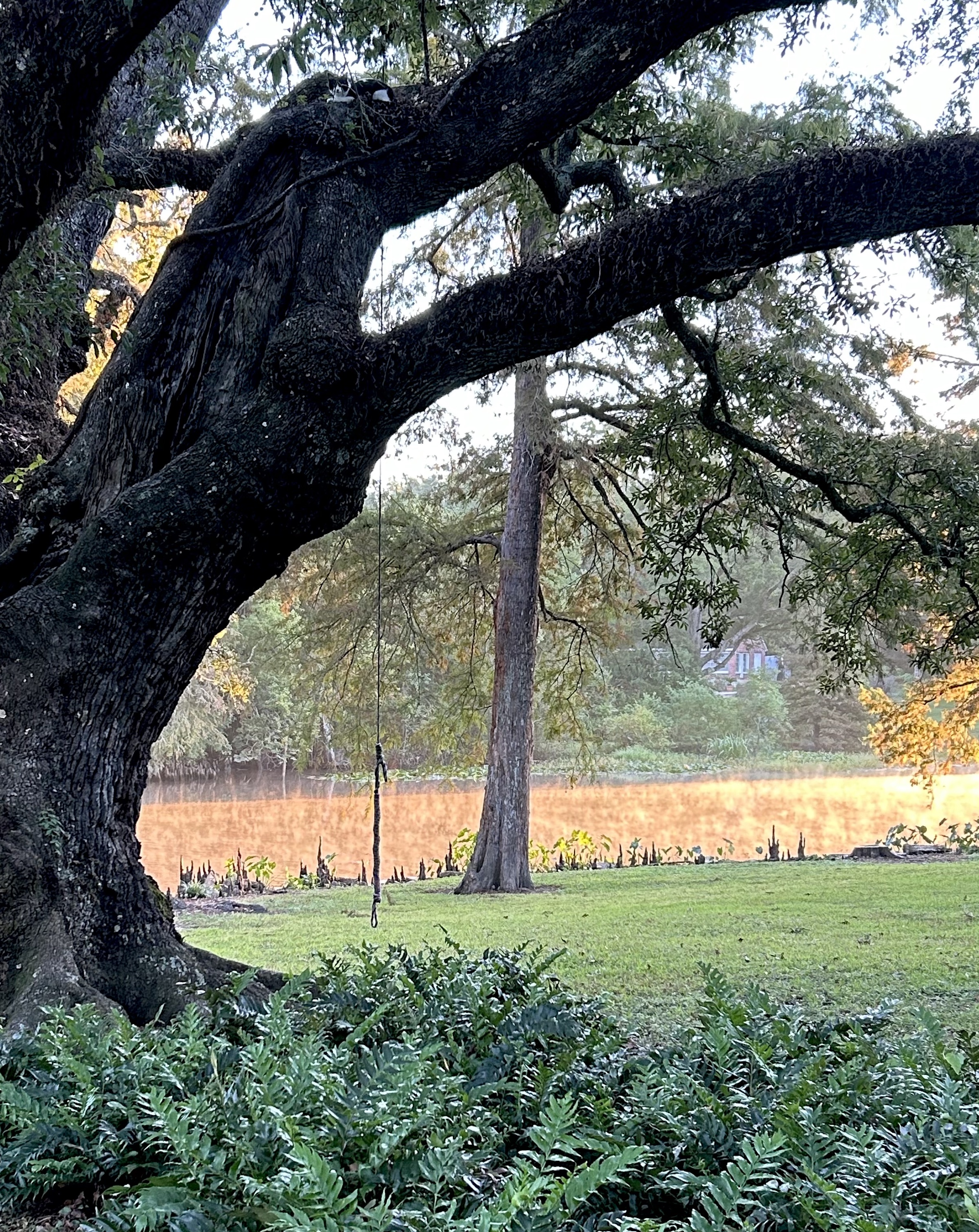
Bayou morning with rope swing, photo by Margaret Simon

I’ve been working through the new book 90 Ways of Community by Sarah Donovan, Mo Daley, and Maureen Young Ingram of Ethical ELA. Daily I’ve been reading a prompt to my students and writing alongside them. Today’s prompt comes from Linda Mitchell. Her original prompt suggests to find a list of words in our notebooks to write along to. Her sample poem is “Wishing Well Price List” which led me to think of the song from the musical Oliver, Who Will Buy?.

I took this photo at sunrise on Sunday morning. Hanging from our grandmother oak is a rope swing. I began to imagine how many people over the years have swung on that rope. My grandchildren don’t have the strength yet in their toddler bodies to hold on, but they love swinging the rope and running to keep it from hitting them, a game they made up.

This photo may take you on a journey to another place in your memory. Let it go and write a small poem in the comments. Respond to others with encouraging words.

Who will buy
this sunglow on water?

Who will buy
the fallsteam rising?

Who will buy
a twist of rope to swing on?

Who will buy
this changing of seasons?
I find a reason to keep my spirits high
wondering who will buy.

Margaret Simon, draft

Read Full Post »

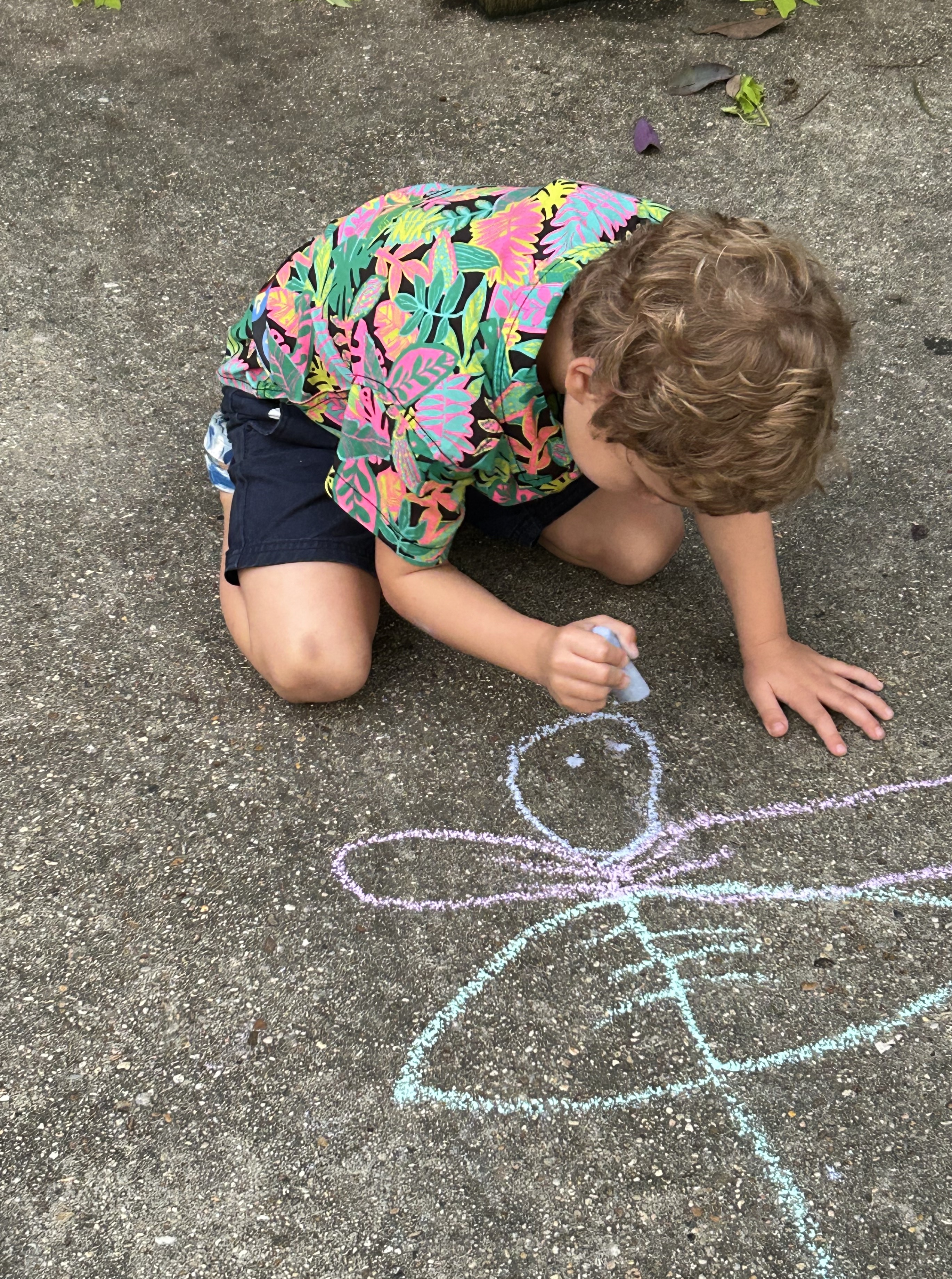
My grandson drawing with chalk while we wait for our table at a restaurant.

I’ve long been a fan of chalk art. Years ago Betsy Hubbard led a weekly chalkabration in which bloggers posted chalk poems. I’m not sure why we stopped doing this.

Chalk art is temporary. Perhaps that is freeing to the artist, allowing for freedom from perfection. We know the next rain will wash it away.

There is an old Tibetan Monk tradition of making sand mandalas. “These sacred cosmograms are said to transmit different positive energies to the environments that they inhabit and the people that come to view them.” I believe this is true on a smaller scale with chalk art. The act of doing the art itself is meditative. And the viewer is pleased by the art’s energy.

Today I want to offer the form called “cinquain.” The form is five lines and follows the syllable or word count or 2, 4, 6, 8, 2.

Artist
patterns petals
with a stroke of his hand.
He walks away, letting his mark
spread joy
Margaret Simon, draft

Please leave a small poem in the comments and give encouraging responses to other writers.


Read Full Post »

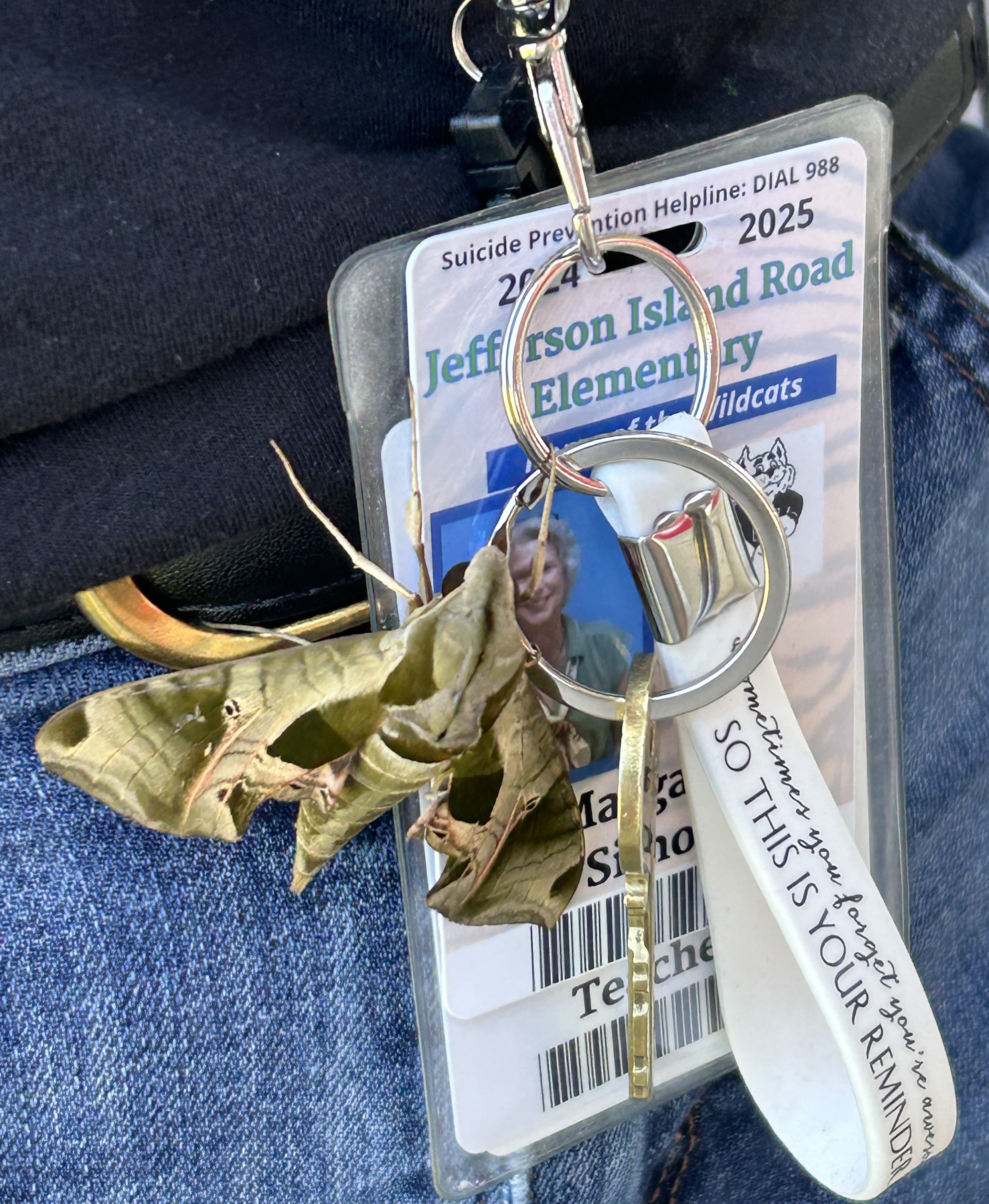
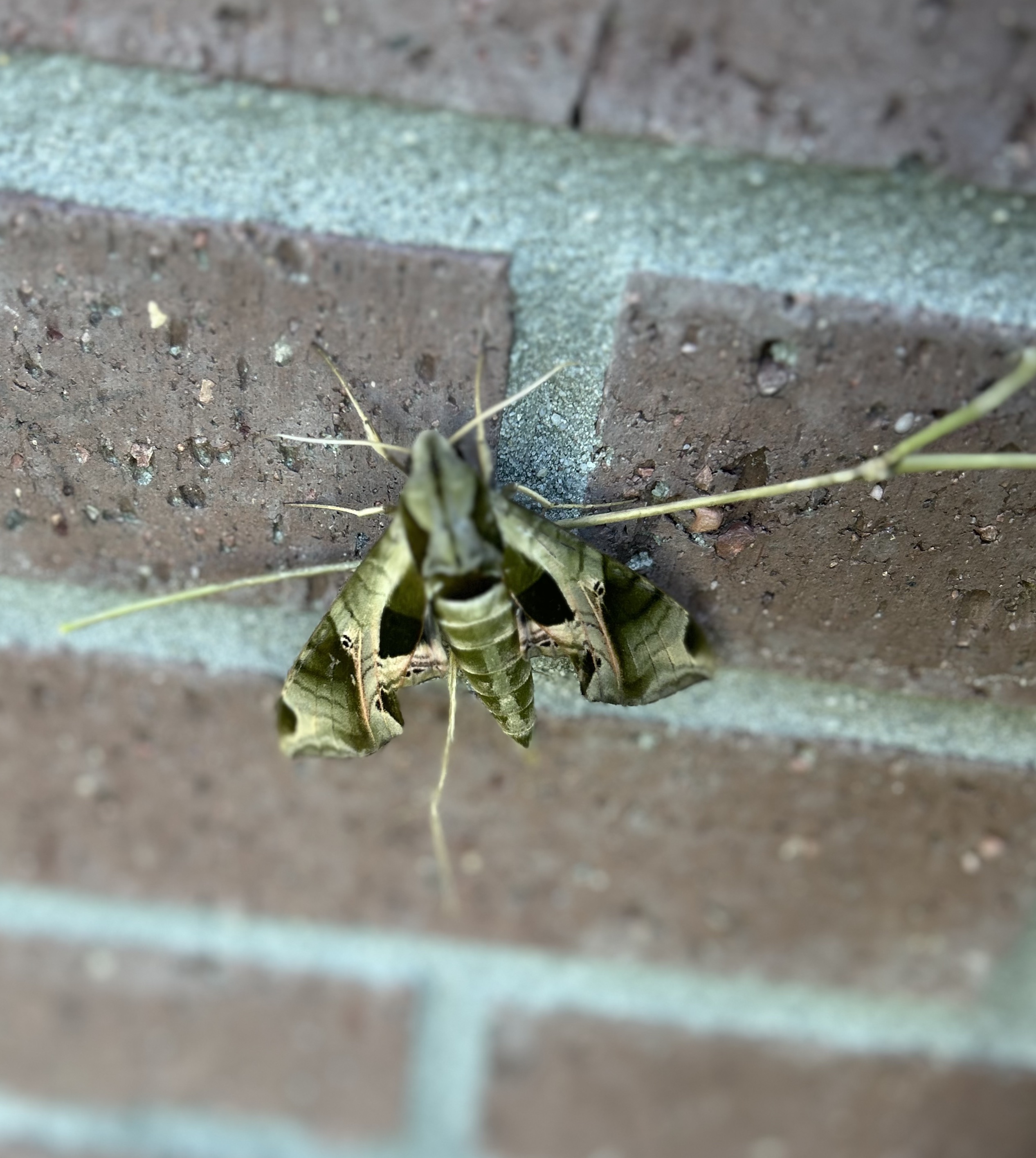
My colleague Erica knows I like to raise butterflies. After recess, she came into my classroom exclaiming “You Have to see this moth on the playground!”

My students and I rushed out to find it. At first it was poised on the brick post of the pavilion. Then one of them stimulated it with a stick and it flew to me. Fascinating large creature that is camouflaged as a leaf. Who knew?

With my students, we researched and found out that it was a Pandorus Sphinx Moth. I wrote a found poem from the information on the website Insect Identification. In this poem, each word in the poem comes from the article in the order it was found.

Playground Discovery

Hawk moth
boasts– robust
fast fliers on
aerodynamic wings.

The Pandorus Sphinx Moth
blending in
inside woodlands
at dusk or dawn.

Read Full Post »

I don’t usually choose stock photos for this poetry prompt; however, today I am listening to the downpour that is the early bands of Hurricane Francine, and I can’t help but think about the helpers. Today is the 23rd anniversary of 9/11. I am not with my students to do any kind of lesson due to our weather. I always struggle with teaching on September 11th. To me it is a day that changed everything. I can remember our fairly innocent and carefree life before. This scene is poignant. Firefighters running toward disaster. That is what helpers do.

Take a few minutes today to remember. Then write a small poem in the comments. Depending on power and internet, I may or may not be able to respond. Try to respond to each other.

Our collective history
is marked by single moments–
a gunshot that kills a president,
a footstep on the moon,
a plane crashing into a tower.
We are moved and changed forever.
Remember the helpers.
Thank the helpers.
Be a helper.
Margaret Simon, draft

Read Full Post »

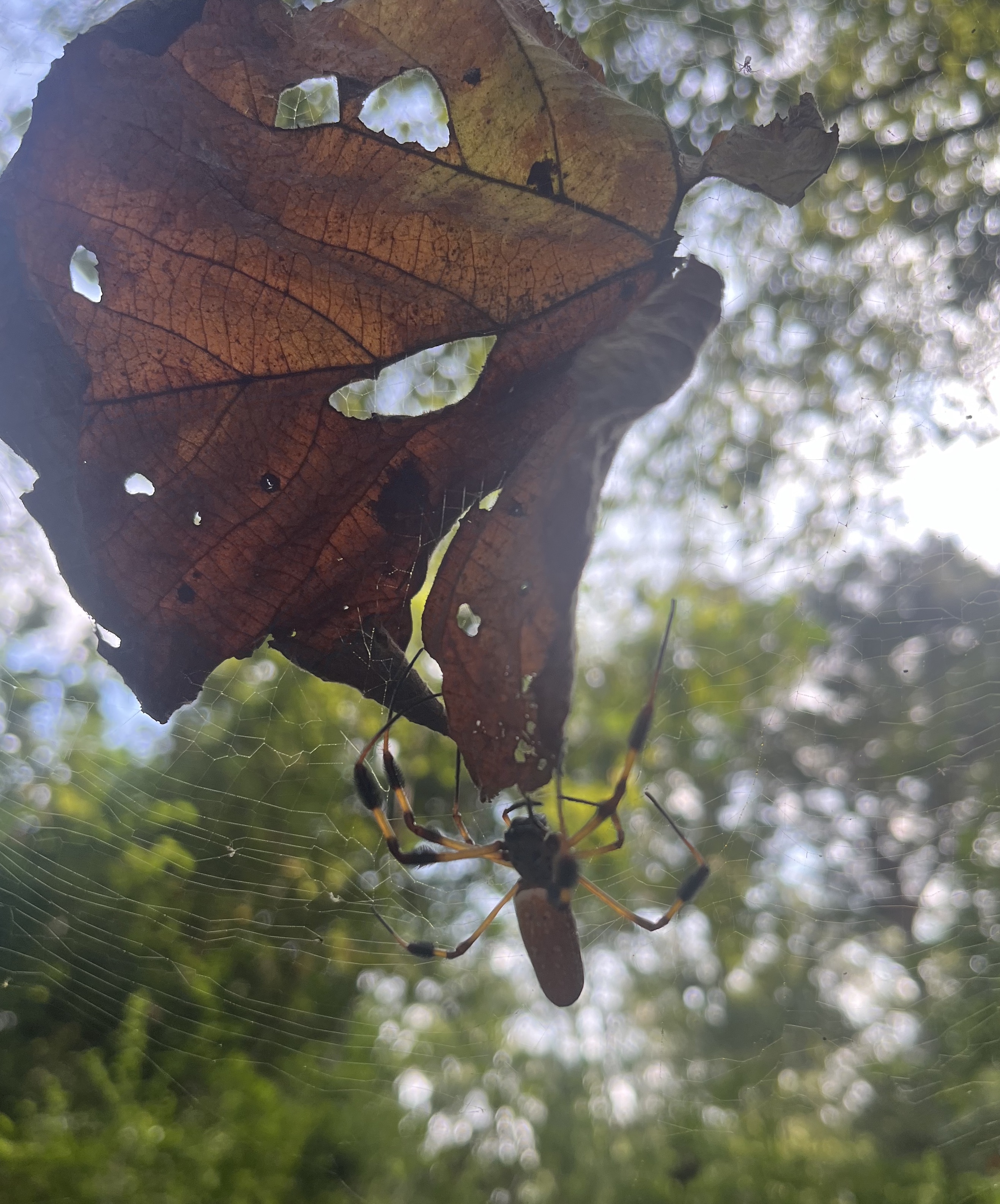
Golden Orb Weaver Spider (aka banana spider) by Maggie Simon

I was looking at the photos on my daughter Maggie’s phone and came across this spider. She had taken the photo on a nature walk along the bayou with her children while attending a birthday party. It is commonly known as a banana spider. Can you see its web? I featured a golden orb weaver in my yet-to-be-published book Swamp Song. I wrote the poem as a golden shovel for the golden orb weaver.

A golden shovel is a poem that uses the text of a line from another poem or text.  Align the words of the quote down the right hand margin.  Use these words to create a poem written around the words of the quote.  The poem may or may not be of the same topic of the quote.

Today you can choose to find a quote you like to write about in a golden shovel or write your own ekphrastic poem about the photo. Please post your poems in the comments and give encouraging feedback to other writers.

“Surrounded, detached, in measureless oceans of space”

A Noiseless Patient Spider by Walt Whitman

Golden threads surrounded
her throne, detached
from her banana-abdomen, woven in
curious ways, measureless
vibrations like waves of oceans
swallowing flying insects of
space.
Margaret Simon, all rights reserved

Read Full Post »

« Newer Posts - Older Posts »