Feeds:
Posts
Comments

Archive for the ‘Writing’ Category

I am writing a series of posts about my recent trip to Tanzania, Africa.  You can find the first post here about ceramic water filters.

The second day of our tour led us to our first safari experience on the Tarangire.  Tarangire means “river of the warthogs.”  Geographically, it is classified as a wooded grassland savannah.

I was fascinated by the movement of the animals.  They do not seem to care at all that their territory is being invaded by these monster safari vehicles.  They just carry on with the business of eating and drinking.

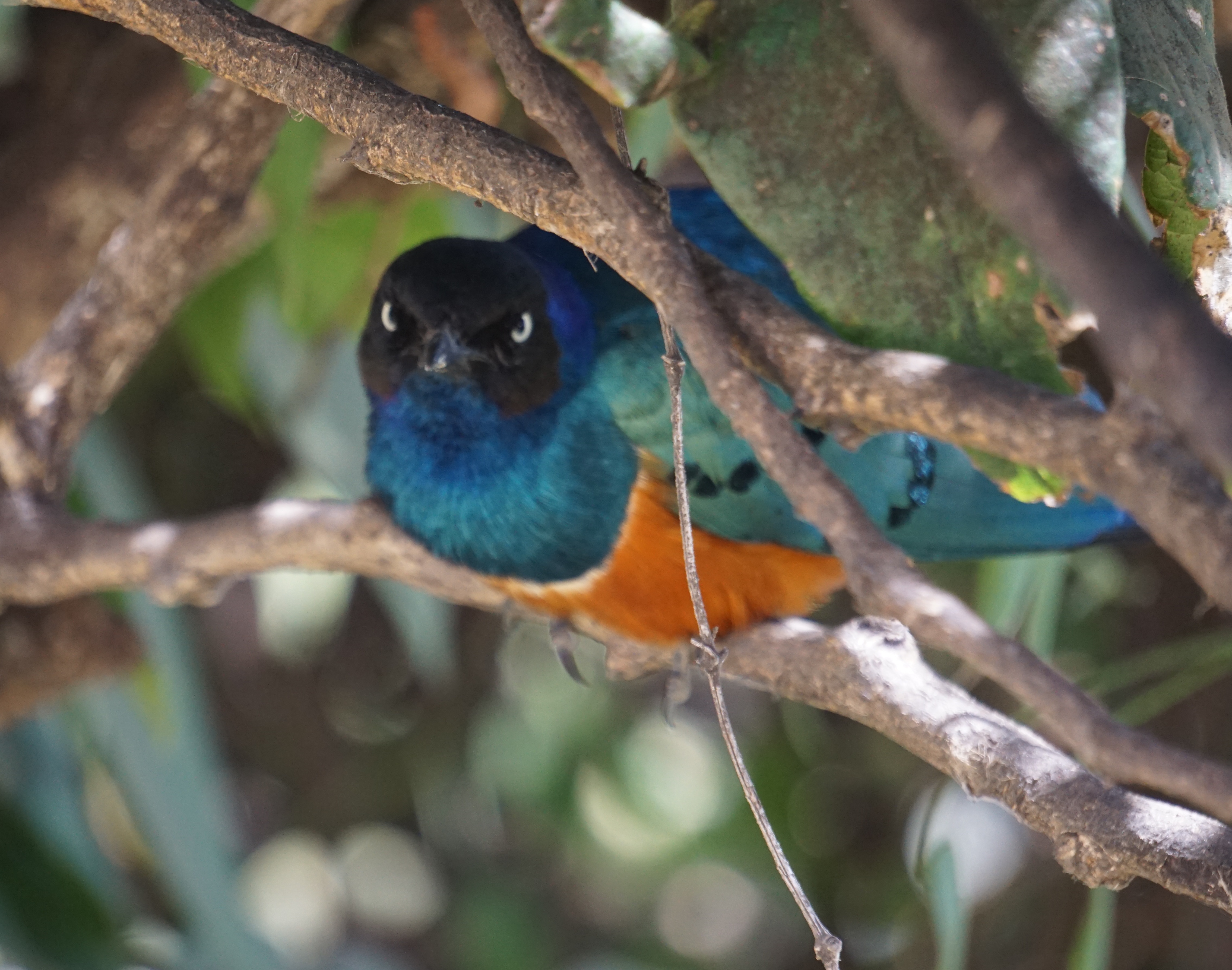
The birds are beautiful here.  Even the pesky birds that peck the ground at the picnic area are amazing.  They are called the superb starling.  And they are truly superb.

Splendid starling

Superb starling

In the Tarangire, we witnessed a part of the great migration with zebras and wildebeests rushing to a watering hole.  I captured this movement on video.


zebra with wildebeest

zebra with wildebeest

The guides communicate by radio.  We would hear quick Swahili words then drive to something amazing.  One of these sights was a python that had obviously eaten something really large.  It lay still under a bush.  We were told it would not be able to move for a month.  Thank God.  After that sight, I stopped drinking water.  I was not going to have to go in a bush (water the flowers) for anything.

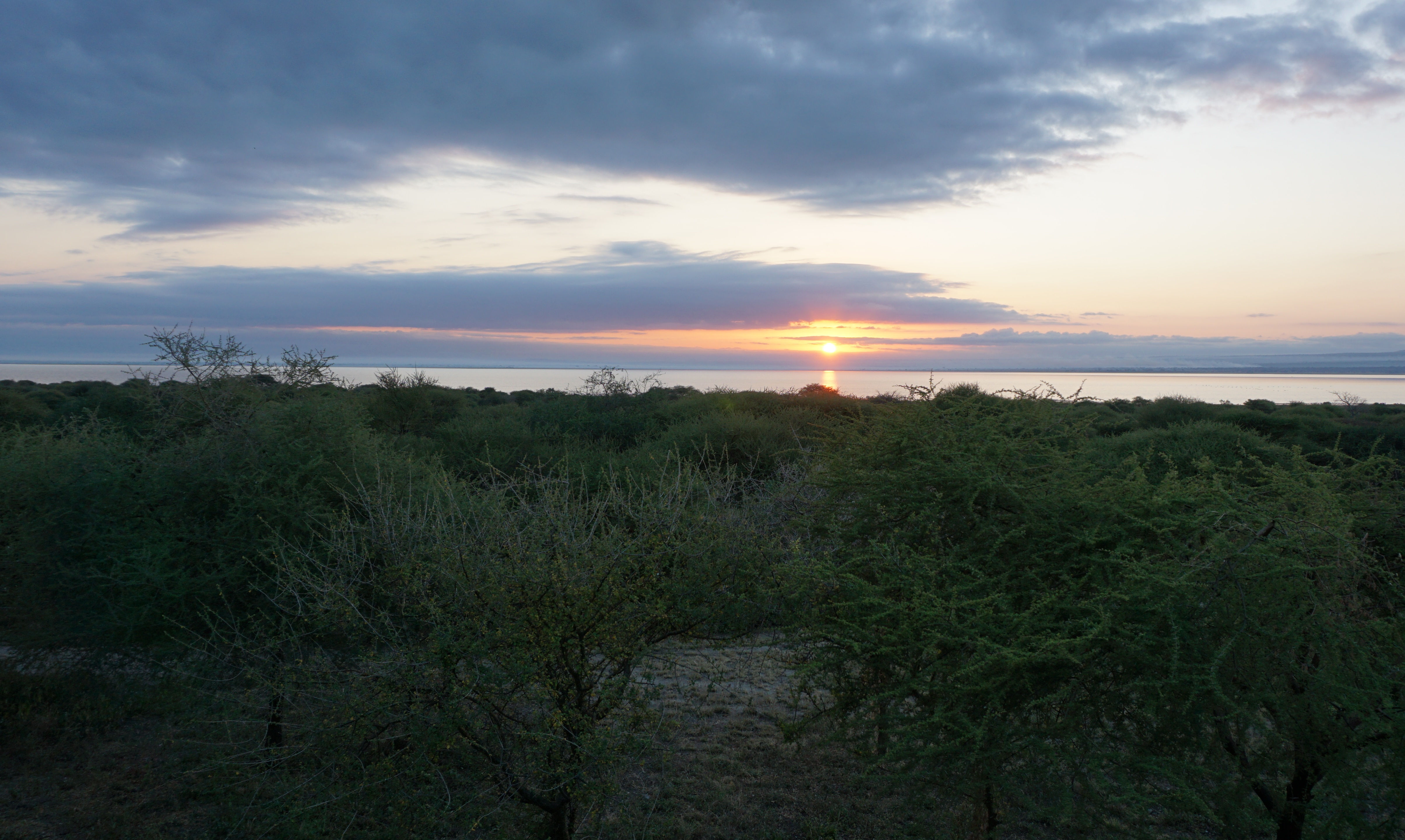
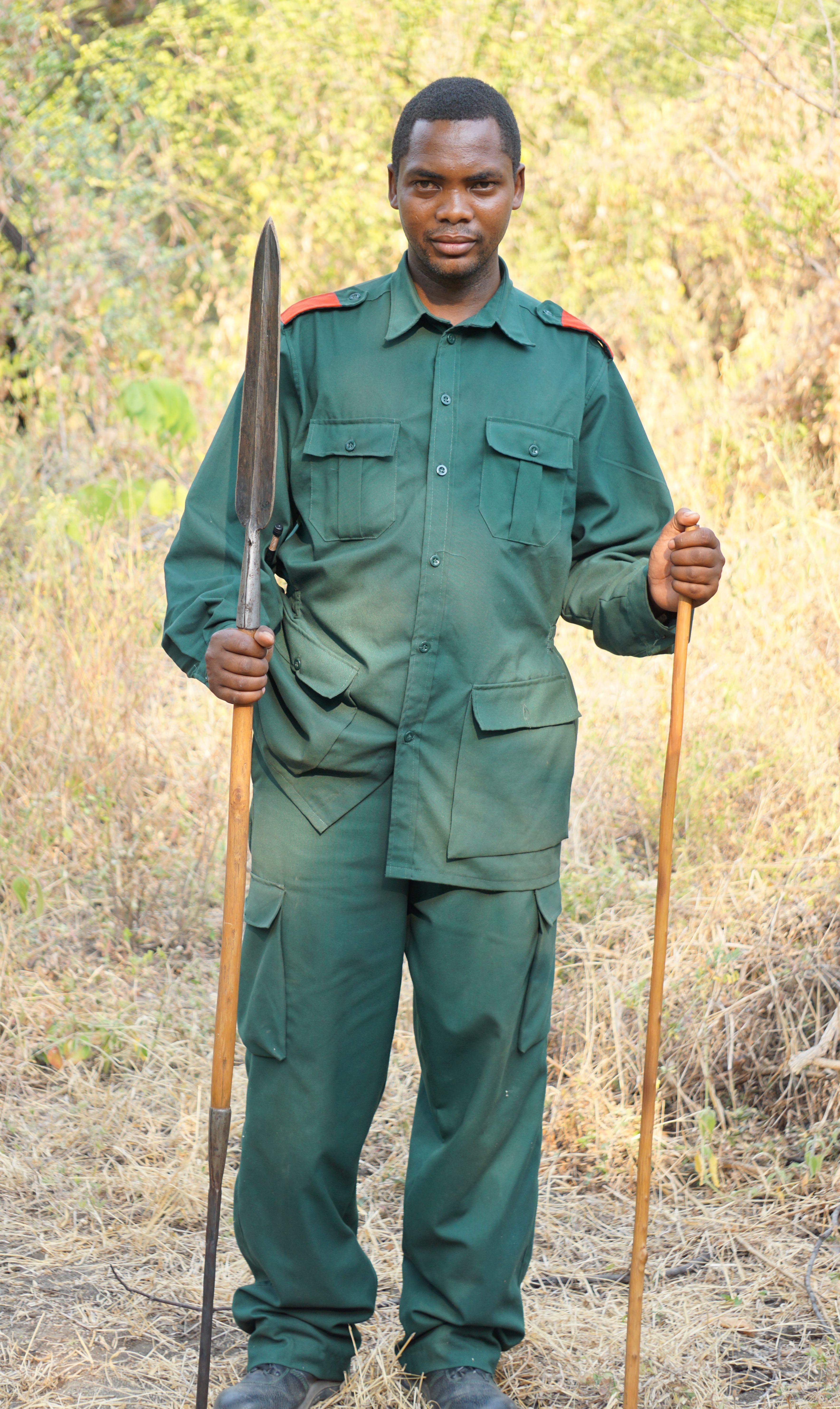
For these next few days we stayed on Lake Burunge.  The dining area overlooked the lake where thousands of pink flamingoes waded.  We had a nature hike to view these birds closer up.  We were accompanied by a Maasai warrior with his spear in case we encountered any dangerous animals.

Lake Burunge sunset

Lake Burunge sunset


flamingoes

flamingoes


Maasai guard

Maasai guard

Our guide assured us that Maasai are trained at a very young age to defend their animals.  We could hear hyenas in the distance and were told the following morning that our guards were awake all night chasing them from our camp.  These tents were permanent solar-powered structures up on wooden platforms.  I was not afraid.  I trusted the guards would keep us safe.

Click on the video to view the zebras and wildebeests flocking to the watering hole, a family of elephants crossing our path, and a harem of ostriches.  I thought about toying with the sound but decided to leave it in for you to have an authentic experience.  Enjoy!


Read Full Post »

I have returned from the trip of a lifetime.  For my mother-in-law’s 85th birthday, she treated me and my sister-in-law to an Overseas Adventure Travel tour of Tanzania, Africa.  O.A.T. is a tour company that prides itself on providing a total cultural experience.  You don’t just view a country, you experience it.

Our trip to Tanzania began on June 25th, but we did not arrive into Kilimanjaro airport until the night of June 26th after two lengthy flights, Houston to Amsterdam, Amsterdam to Tanzania.  There is no way around it.  Africa is far away!

This experience was so full that I will be writing multiple blog posts to share as much as I can with you.

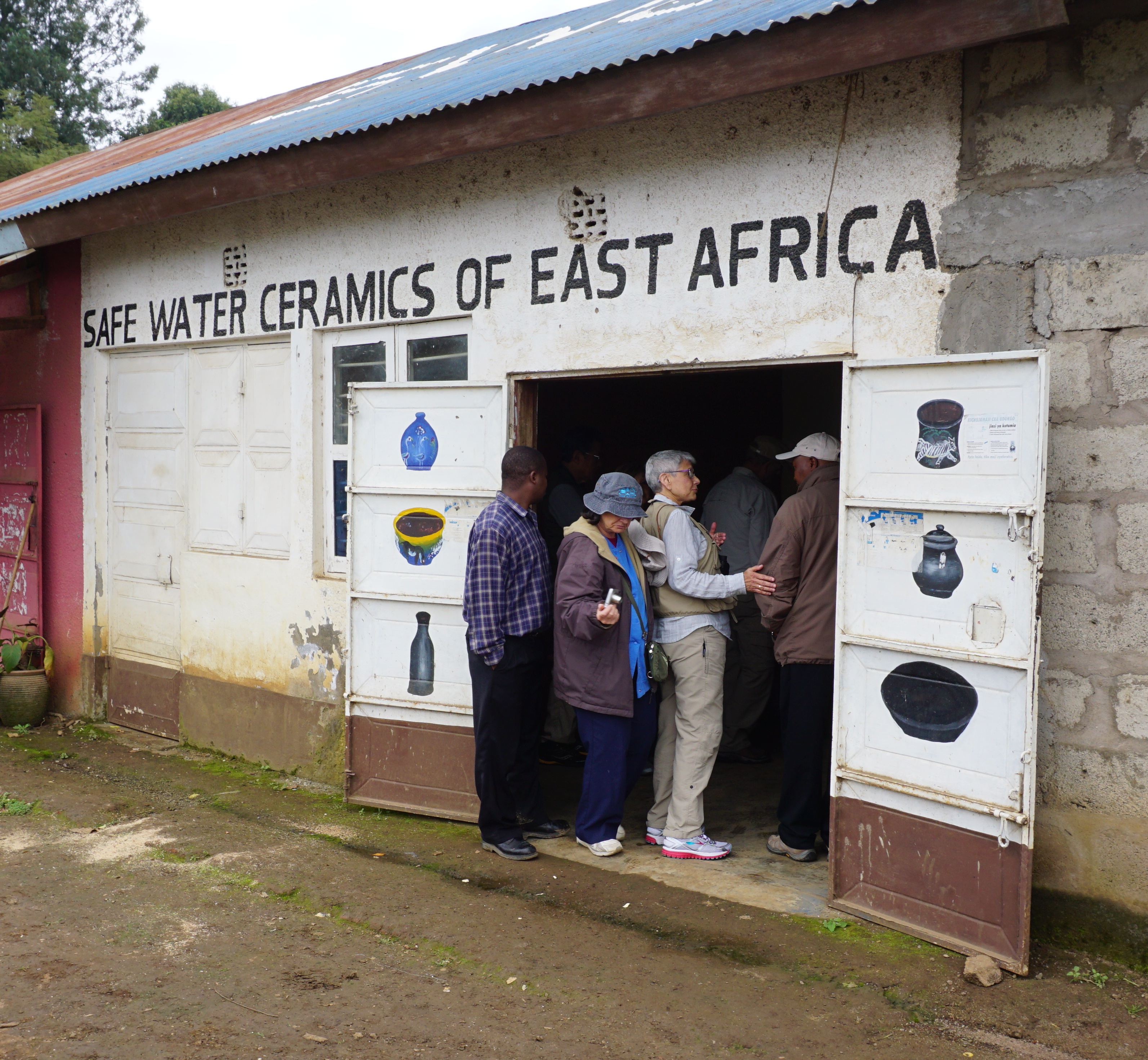
We spent the first few days in Arusha.  Arusha is a bustling city.  Our first stop was a clay water filter project.

Front of Safe Water Ceramics in Arusha, Tanzania.

Front of Safe Water Ceramics in Arusha, Tanzania.

The Safe Water Ceramics of East Africa produces clay water filters to provide clean water to families and schools around Tanzania and Kenya.  The number one health problem in Africa comes from limited access to clean water.  We were fascinated by the process of creating these filters.

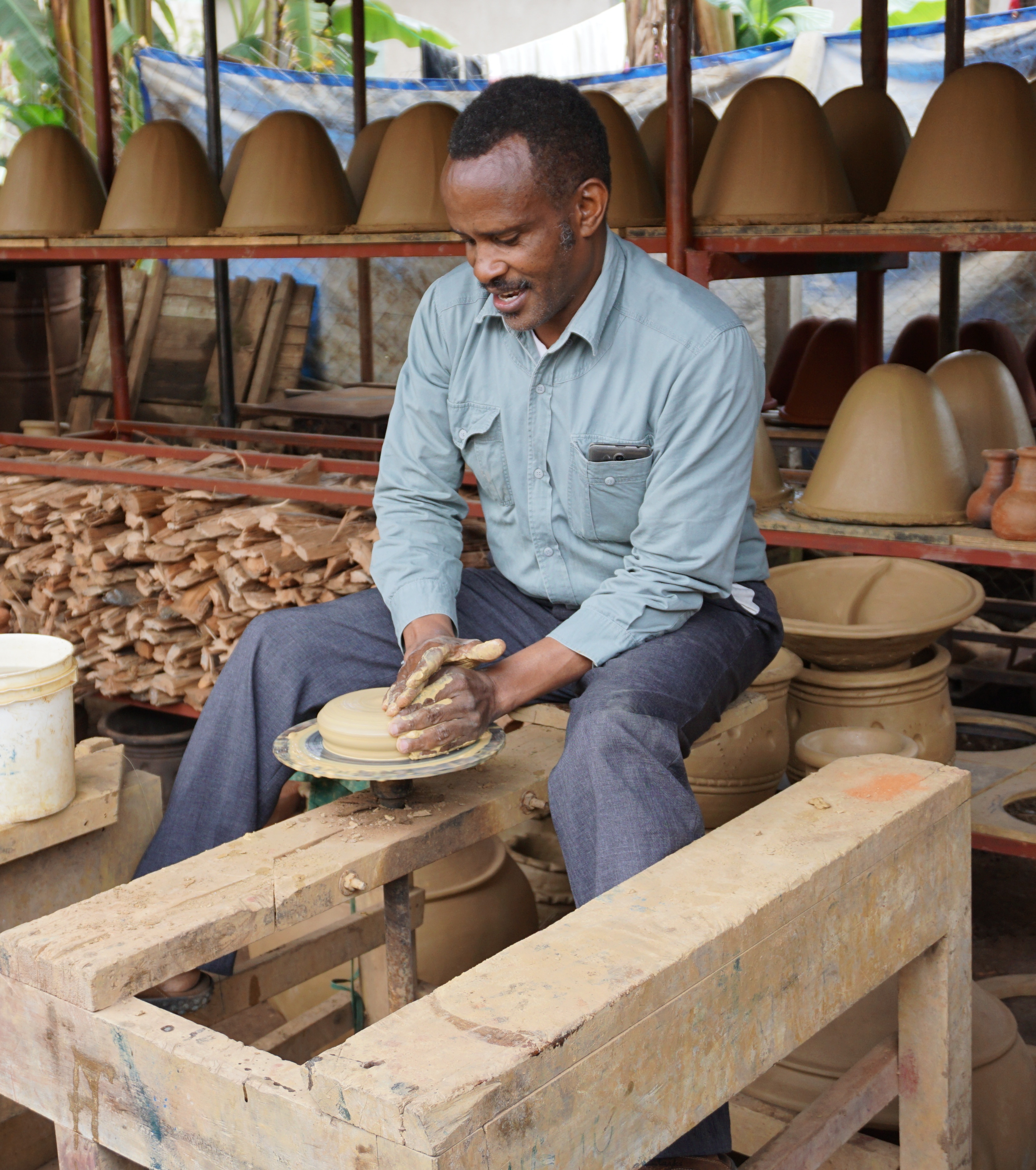
Surrounded by drying water filters, Mesiaki demonstrates his foot powered pottery wheel.

Surrounded by drying water filters, Mesiaki demonstrates his foot powered pottery wheel.

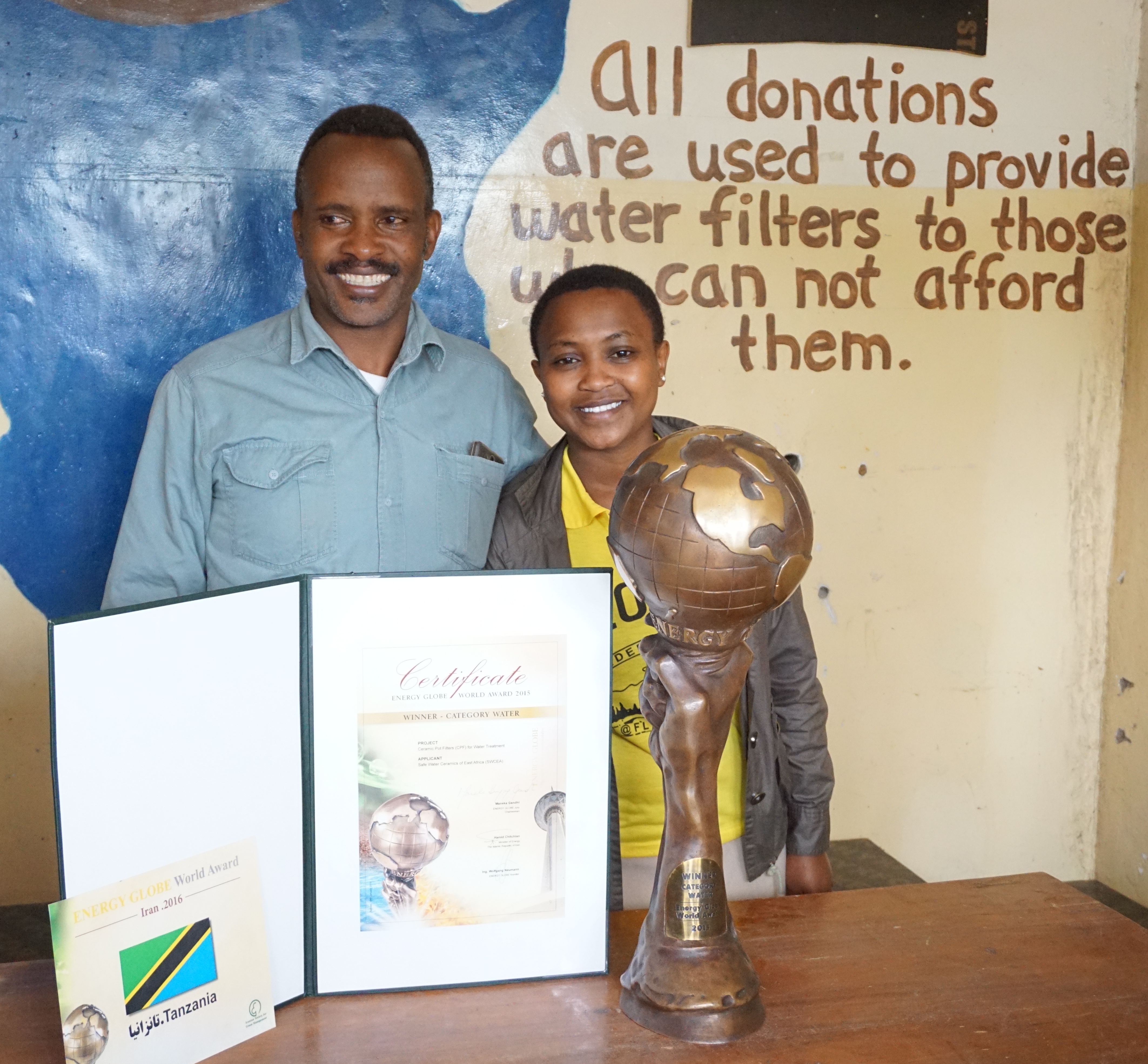
In 2005, Tracy Hawkins met Mesiaki Kimerei, a master potter in Arusha, Tanzania.  After learning of the dire need for filtered water and the process for making these clay water filters, she teamed up with Mesiaki to produce these ceramic filters.  In 2015, Safe Water Ceramics won the Energy Globe Award.

Proud of his Globe Award, Mesiaki is passing the skills to his daughter.

Proud of his Globe Award, Mesiaki is passing the skills to his daughter.

Eleven people in our group lined up to donate.  One water filter for a family or school costs $40.  You can learn more about the project and donate here.   Already, on the first day, I knew that this experience would have a profound effect on me.  Something that we take for granted, clean water, is a privilege in the country of Tanzania.

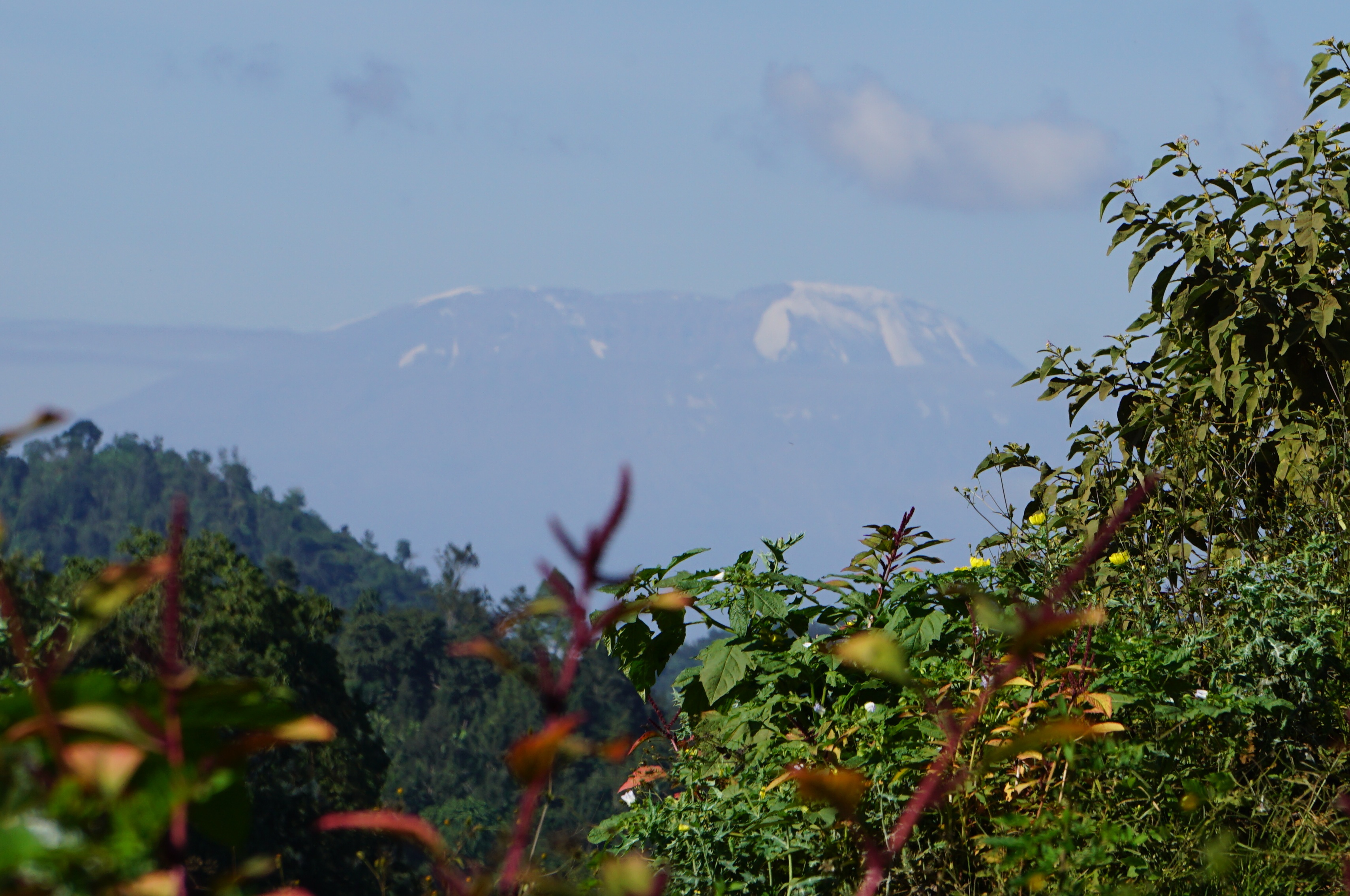
At the end of our first day, we were treated to a view of Mt. Kilimanjaro peeking out and saying “Jambo!”

Mt. Kilimanjaro in the distance.

Mt. Kilimanjaro in the distance.


Read Full Post »

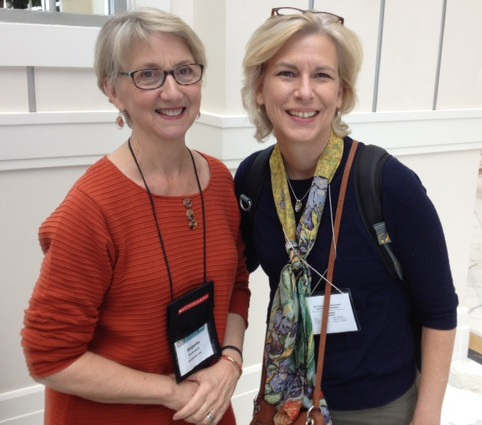
On the left is Augusta Scattergood. We met in person at NCTE '14.

On the left is Augusta Scattergood. We met in person at NCTE ’14.

I met Augusta Scattergood face to face at NCTE in 2014, but I knew of her and her writing back in 2012 when a neighbor and friend of my parents came to a book signing for my book Blessen. He told me about growing up with her in Cleveland, MS. and how she had had a book signing for Glory Be just a few weeks before. I had to get the book and wanted to meet her from that moment on.

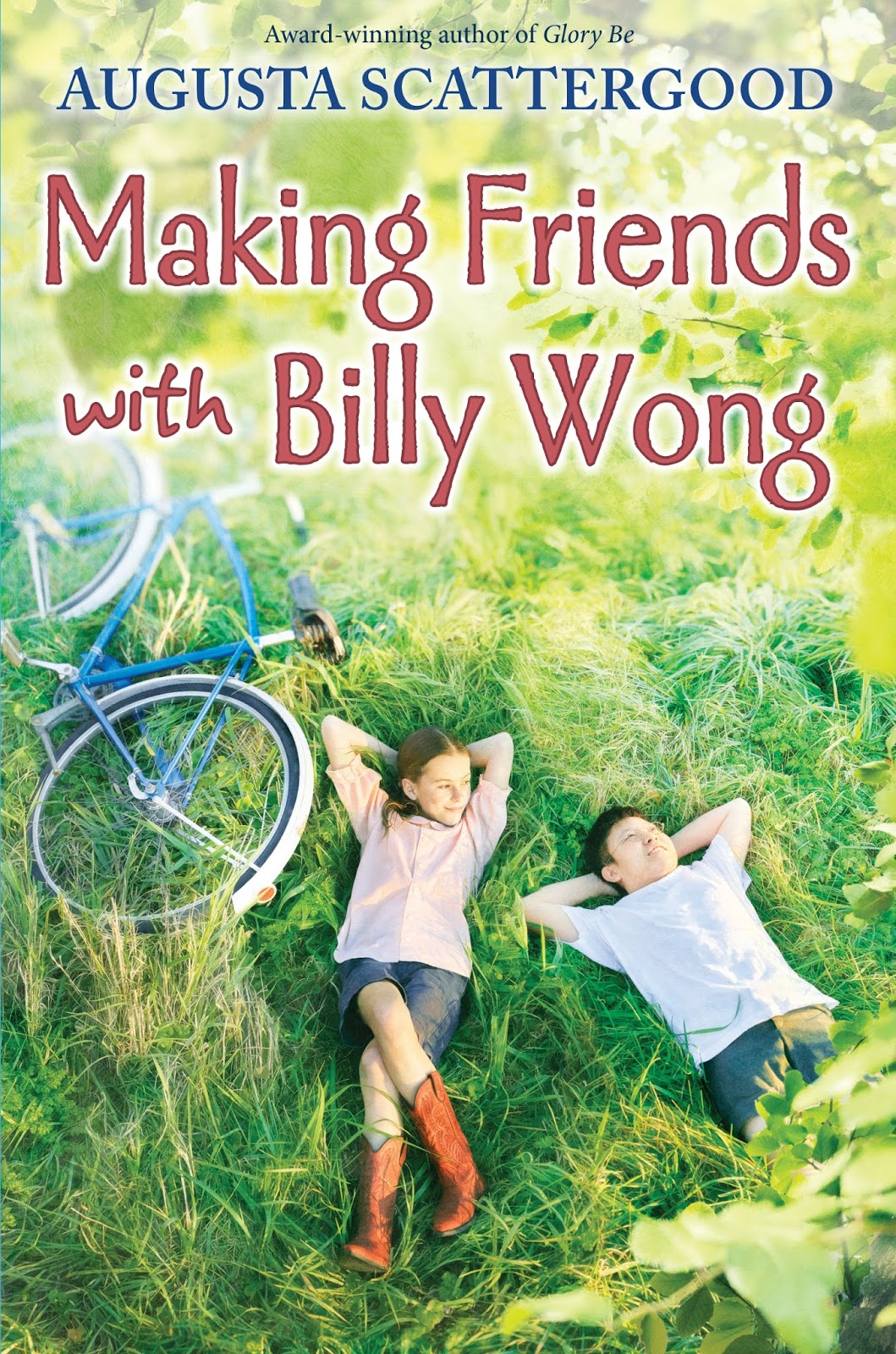
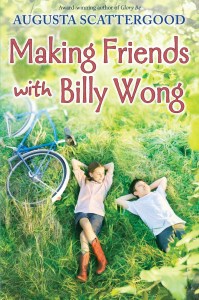
I sent her a message letting her know I would love an ARC of her latest book, Making Friends with Billy Long. Officially, the book will be out in August. You can pre-order a copy here.

My Goodreads and Amazon review:

Making friends sounds like it would be easy, but there is nothing easy for Azalea Morgan. Azalea starts her summer resenting the fact that she must leave her home and friends in Texas to help her grandmother who lives in Paris Junction, Arkansas. When Grandma Clark gathers a group of children to help in her garden, Azalea feels like an outsider. She is cautious of Willis DeLoach, a bully, and doesn’t warm up to Melinda Bowman, a girly girl. Yet Billy Wong is an outsider like her.

As Azalea adjusts to life in Paris Junction, she comes to understand her grandmother and enjoy spending time with Billy. Willis appears grumpy and mean, but Azalea knows his real problem is finding a safe place to live with his younger sister. While Azalea looks forward to going back home to Texas, her life is forever changed by her summer in Paris Junction.

This book will appeal to children ages 8-11 as they, too, navigate complicated relationships and learn how to accept others for who they are.
 

new Billy Wong hires Cvr

I am always curious about the decisions authors make in writing their books. I interviewed Augusta Scattergood about the writing of Making Friends with Billy Wong.

I am a collector of good opening lines for books, my favorite being E. B. White’s opening line for Charlotte’s Web, “Where’s Papa going with that ax?”

Your first line for Making Friends with Billy Wong is “All it took to send my summer on the road to ruin was a fancy note and a three-cent stamp.” Can you talk about your process of getting to that line and if you had any other contenders?

What a great question! I also love first lines and yes, there were many contenders. What helped me settle on that final first line was the three-cent stamp mention which hinted at the time period, and the worry Azalea felt about meeting her grandmother and spending time with her.

Until I read something from somebody about not starting with a “Hello, my name is” opening, this was one of my early favorites. (I’m terrible about reading writing advice and thinking I must follow it. I need to work on this.) Though I do still like this one of (many) early drafts, it was possibly too abrupt to announce this tidbit before we actually know much about the story or the characters:

My name is Azalea Ann Morgan, and I’ve already heard all the jokes. Yes, I was named for a pink-flowered bush blooming outside the Kings Daughters’ Hospital room when Mama first laid eyes on me.

Making Friends is written mainly from the point of view of Azalea, (great name, BTW); however, we hear from Billy Wong in small sections of verse. What made you decide to include his voice and why verse?

Originally, I tried to write in THREE points-of-view, and a character named Noble was the third. He was much too strong to take a back seat to anybody. He was taking over the story! I’m saving him for another day. My critique group often comments on how I give characters the ax. Or combine their traits with another’s. I do a lot of wandering around before I figure out my stories.

I started writing Billy’s voice as straight narrative. It was awful, a huge info dump. I gave up. Now I was down to Azalea telling the story, but I despaired of losing Billy. There were certain things, events, impressions that only he could tell us. Plus, such a nice kid!
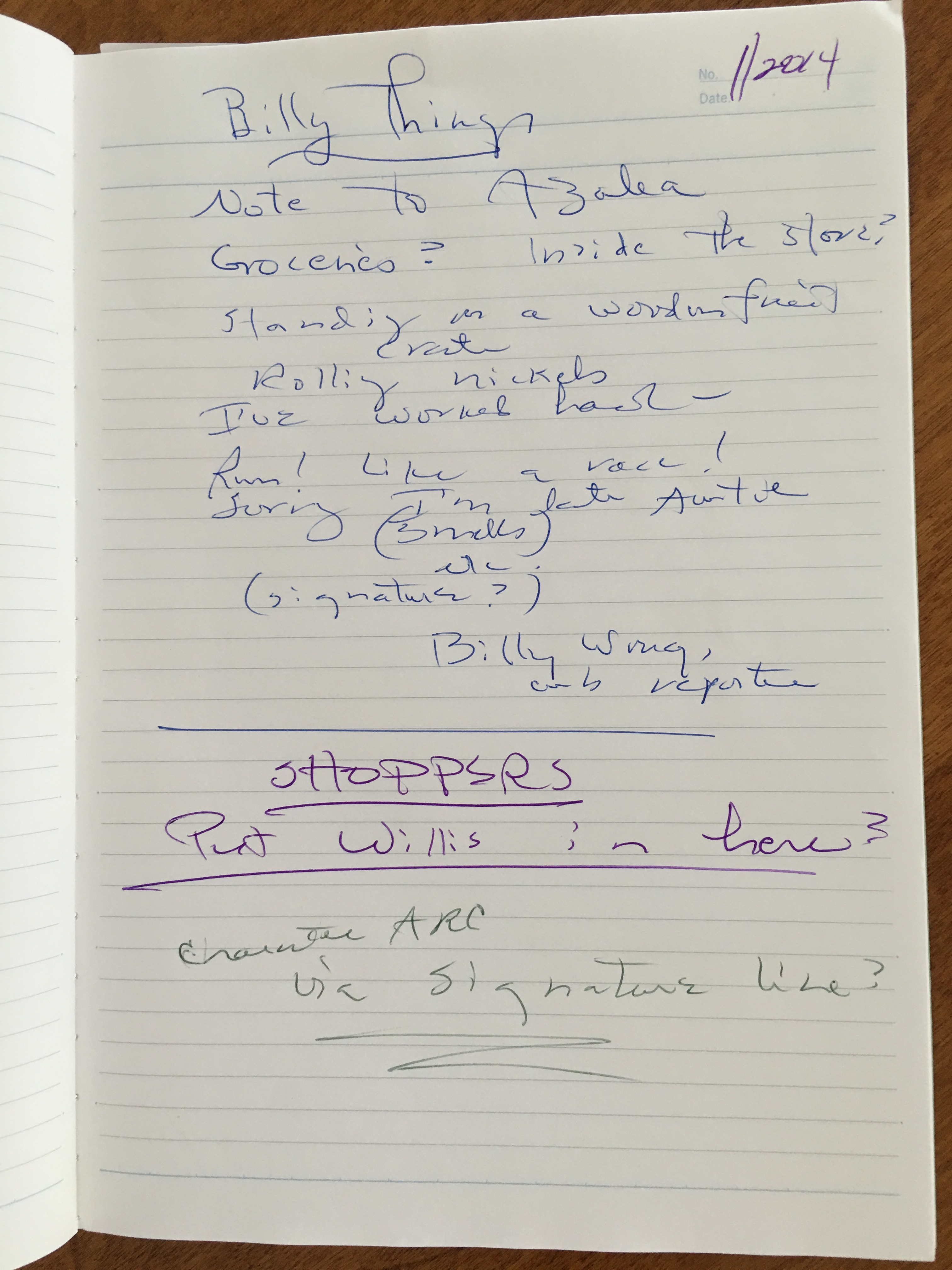
One day, I sat with a notebook doodling Billy Things (I even wrote that at the top of the page). What would Billy Wong be interested in? I doodled lists, newspaper notes, letters, Billy’s dreams, and I filled up a notebook with ideas. A true aha! moment.
I don’t think of them as verse exactly, but they spilled out with a certain poetic quality, and I liked that.
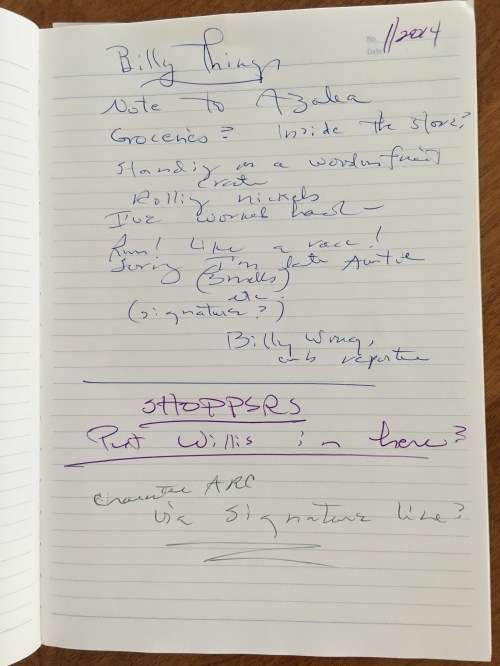
A peek into Augusta's notebook as she thought about Billy.

A peek into Augusta’s notebook as she thought about Billy.

You grew up in the segregated South. Billy Wong lives in Arkansas and Azalea is from Texas. Were you intentional about the setting? How does the setting influence the events in the story?

I love reading books where setting is a crucial part of the story. Right now, I’m reading THE HIRED GIRL, which takes place in Baltimore where I lived for a while. And that city is so wonderfully portrayed.

For me, setting is a huge part of my own writing. I don’t think I could set a book in the frozen north (though I did live in New Jersey for over 25 years, come to think of it), if I tried!
My childhood was bike rides, climbing trees to read a book, playing kick-the-can till it got dark. I can still feel the mosquito bites (and smell the DDT truck, sadly). Those are the details I know, and yes, they seem very southern.

But there were other things we didn’t see, or took for granted. There was a white side of my town and a black side. I learned from research that the Chinese often fit into both worlds. Even if I’m not describing some of these details, they slip subtly into my writing.
Perhaps I don’t write the kinds of books that could take place anywhere. But I think I write about family and friendship and feelings that are universal.

Willis DeLoach is an unlikable character, yet you build in some obvious reasons for his meanness. Willis does not change during the course of the novel. I was hoping he would somehow “see the light” and change his ways. Can you tell us about your impression of Willis and his character arc?

In my mind, Willis has small hints of seeing the light! But he’s a product of the times (1950s) and his environment. He worries that somebody’s going to take his place in his small world, replace him in school sports, usurp his tree hideaway. Unlikeable yes, yet he has a soft spot for his little sister. I think his eyes will open this year in school. Remember, before that time most people had never crossed paths with anybody who was different from them. Cross cultural and interracial friendships were not encouraged, and actually, there was little opportunity for someone like Willis DeLoach to truly know a boy like Billy Wong until the schools allowed Chinese American students to attend. I had to make his story true to the times.

Also, my book only spans a few weeks at the end of a summer. I decided it would be unrealistic to have Willis do a complete about-face and change his ways in that brief moment.

In the author’s note, you write about the research you did for historical context. Were there any surprises for you as you did this research?

As I mention in my note, I started writing after reading a very poignant essay written by a friend, Bobby Joe Moon, who also grew up in Cleveland, Mississippi. Children and even teenagers in the early 1960s in small southern towns could be oblivious to what was happening all around them. Bobby’s essay about the difficulties of growing up Chinese in the Deep South surprised me and made me think about sharing this story with young readers.

Many readers of my author’s note may be surprised to learn how many Chinese immigrants came to the south to open grocery stores. I’d shopped almost every day with my grandmother or my mother at those same stores and I knew they were there. But I was fascinated to discover why this happened. My research and my unrelenting questions posed to Chinese American friends uncovered so many fascinating details. I could not have told this story without asking a lot of questions.

All three of my novels have been historical fiction, requiring reading and digging deep, which I love. Uncovering surprises is really the best part of research, isn’t it?

IMWAYR 2015

Read Full Post »

Poetry Friday round-up  is with Carol at Carol's Corner.

Poetry Friday round-up is with Carol at Carol’s Corner.

Deer in woods near New Castle Lake.

Deer in woods near New Castle Lake.

I’m feeling a little guilty sitting on the porch on the lake in Mississippi surrounded by my loving family and a blanket of warmth (highs already reaching upper 90’s). There is so much happening in the world that feels out of control, out of my reach of consciousness. And yet I look at nature and see the connections.

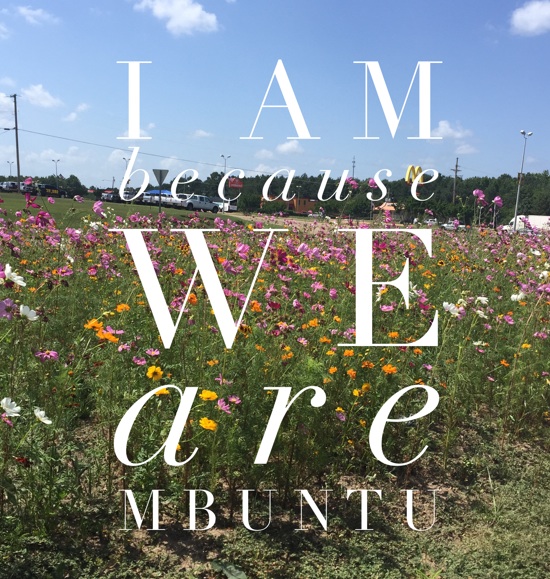
On my drive here to my parents’ house, I listened to podcasts. On the TED radio hour episode titled Becoming Wise, I heard the word mbuntu. In this story, South African Boyd Varty speaks about how animals already know this concept, that I am because we are.

I think we all need more mbuntu in our lives. We need to turn our focus on each other to be fully who we are.

The kayaker doesn’t look up
to see me watching him,
seeing how his body,
his paddle,
the water are one.
Stroke right, stroke left
sends a ripple from the water
to the trees,
where light dances like fine feathers.

Branches spread from bald cypress
to shade the grass,
hide the tree frog,
nest the swallow.
A bird calls
Here-a-here-a-here.
Cicadas buzz
like maracas at a Spanish festival.
The sun rises
to the sound of Samba.

–Margaret Simon

mbuntu

Read Full Post »

Join the Two Writing Teachers blog for the Slice of Life Challenge.

Join the Two Writing Teachers blog for the Slice of Life Challenge.


As many of you are, I am having trouble getting my head around another mass shooting.  What scares me most is the rhetoric that surrounds this tragic event. The talk of intolerance that perpetuates racism and fear.

I decided to look for hope.  In the midst of tragedy, we must have hope.  Hope is not denying the fear or the sadness.  Hope allows for something new to come forth.  Hope is like opening a window and hearing the cardinal singing.  Hope is smelling the fresh air after the rain and knowing a rainbow is up there somewhere.  Hope never fails.


Lin-Manuel Miranda’s acceptance speech at the Tony’s gives voice to what I am feeling.

We rise and fall and light from dying embers, remembrances that hope
and love last longer
And love is love is love is love is love is love is love is love
cannot be killed or swept aside.

From a letter written by R. J. Palacio, author of Wonder, to the school district of Round Rock on disinviting Phil Bildner to their schools:

The truth is, I’m tired of intolerance. I’m tired of the unkindness that breeds intolerance. I’m tired of the ignorance that fuels it and the fear that spreads it. We must all—authors, publishers, teachers, librarians, and school administrators—work together to stop intolerance in its tracks when we see it. Kindness can never grow where intolerance has taken root.

If all you did was watch TV news or scroll through social media, you may think that our world was in dire trouble. Terrorism, racism, hatred, intolerance…

But I look to my students, my own children, my colleagues, my friends and I see love, hope, and light. Please, please, please look for the light. Find the helpers. See the good in others. Hope is everything, my friends. Hold on tight to that feather.

hope quote

Read Full Post »

Please use this button on your site for DigiLit Sunday posts

Please use this button on your site for DigiLit Sunday posts

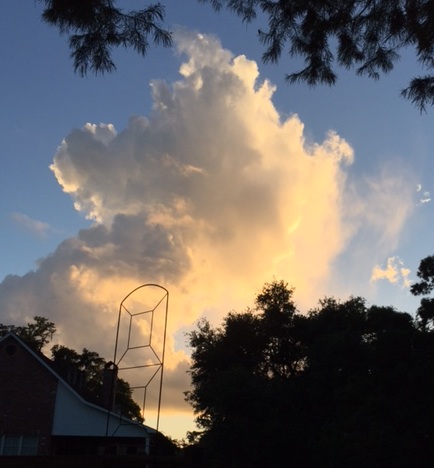
Into every day, a cloud must come. Here's hoping all your clouds are this filled with light.

Into every day,
a cloud must come.
Here’s hoping all your clouds
are this filled with light.

How often do you post on social media?  Once a day?  Once a week?  Occasionally?

I am curious about what makes us connect and why some share more than others.  And when I read a post, on Facebook or Twitter, who am I really seeing?

If I am honest, I am a pretty free sharer of my life.  I probably post at least once a day on Facebook.  I’m not as active on Twitter or Instagram, but I have a presence there.  And then there’s this blog right here.

I am partial to my blogging space.  I feel safe here.  I open the draft and spill out onto the page whatever is on my mind.

I’ve been reading Katherine Bomer’s book The Journey is Everything: Teaching Essays That Students Want to Write for People Who Want to Read Them.   In Chapter 4, Living Like an Essayist,  Katherine makes a case for the Writer’s Notebook as a place to think and generate ideas.  While I am determined to give this a good shot next school year, trying it out myself was not easy.  I have gotten better and better at typing and backspacing, type, delete, copy, paste, highlight, spellcheck.

The notebook has lost some of its usefulness to me, at least for writing rough drafts.  I still take notes in a notebook and apparently this is good for my brain.  NPR posted an article about the advantages of hand-written notes in college. But unless I need those notes for something I am writing, they get lost in the pages of my notebook.

From this chapter, I gleaned five ways to make use of notebook time.  (I think I’ll call it Notebook Time in my classroom.)

  1. Write daily for 12-15 minutes: Free writing that may lead to a good essay topic.
  2. A thinking space for slow pondering, not rushing toward an end product.
  3. Share notebook writing with a partner or small group.  Reading aloud what you have written can validate or deepen thinking.
  4. Writing leads to more writing.  Ideas lead to ideas.  Allow for this free range thinking time.
  5. Write what is true.  This space should be used to explore the deep dark corners of our lives.  Shake it all out.  Don’t write only what makes you look good. Be authentic on the page.

I truly believe in sharing our lives.  By putting our true selves out there, we can find connections in new and exciting ways.  As I read and think about what I want for my students, I am more convinced that writing your truth makes you a stronger person, reaches out to others, and creates a caring world community.

DigiLit Sunday will be on hiatus for the next 6 weeks as I will be traveling.  We will be back on July 31st.  Have a wonderful summer!

<!– start InLinkz script –>

<a rel=’nofollow’ href=”http://www.inlinkz.com/new/view.php?id=640618″><img style=”border:0px” src=”http://www.inlinkz.com/img/wp/wpImg.png”></a&gt;

<!– end InLinkz script –>

Read Full Post »

Join the Two Writing Teachers blog for the Slice of Life Challenge.

Join the Two Writing Teachers blog for the Slice of Life Challenge.

Reading, reading, reading...

Reading, reading, reading…

The unmistakable voice of my daddy checked me out of the Anxious Hotel and back into reality. Elizabeth Tow, 8th grade

In the midst of the stacks of student-written stories about monsters and disasters and parents dying in car crashes, there were a few gemstones.

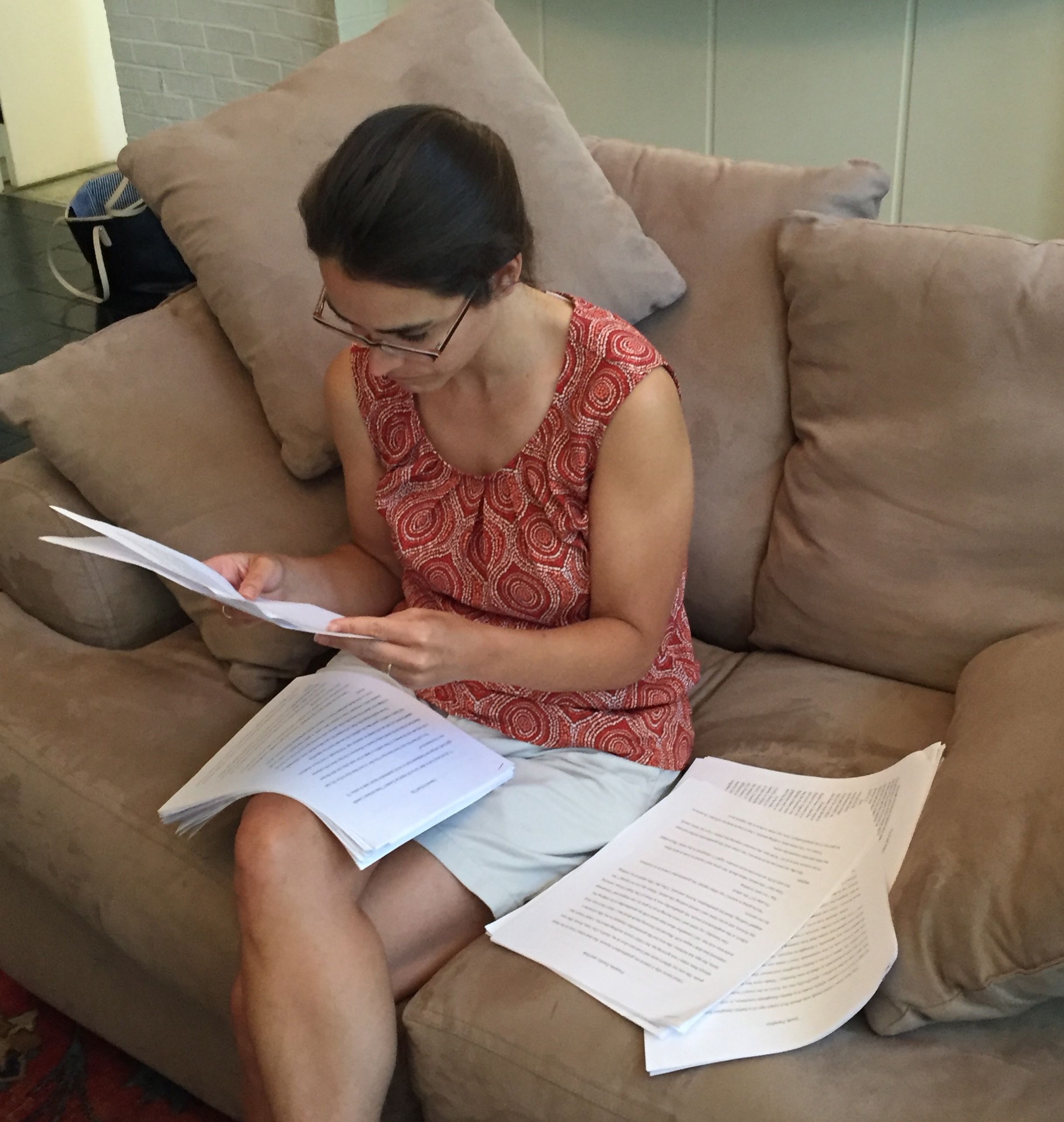
Monday was the annual LA Writes judging at my home. Teachers gathered around fruit and muffins and coffee to read 622 entries from Kindergarten to 12th grade writers from around our state.

Amidst the state standards and curriculum mandates, we writing teachers hold out hope that someone is cultivated creative writing in their classrooms. Interestingly, most of the best writers came from only a few teachers. Either these are the teachers keeping writing alive or these are the teachers who take the time to enter students in contests.

I have been coordinating the LA Writes contest for a dozen years, and I look forward to this day every year. I get to see some of my favorite teacher-friends and share my home with them. We talk and read, read and talk.

We find favorite lines. My friend, Nettie picked these lines to share.

The radio comes alive like low heeled boots. By Lily Adam

Alone together in a room for all
A kiss meets lips like stroking midnight buds. by Jasper Koelbel

Resting on the back of a goose wing, trying to blend into the cream colored feathers. By Rangasri Narayanamoorthy

When we started this contest, we created an acronym for our judging criteria with the word VOICES.

Voice
Originality/ surprise
Imagery/ figurative language
Clarity
Economy
Significance/ insight

As a teacher, I am in tune to these elements and encourage my young writers to reach not only for clear and precise writing, but writing that sings and makes the reader look at something in a new and surprising way. These elements are hard to teach, but we all know good writing when we see it. My students know good writing. They don’t always know how to name it, but they know it when they see it.

Yesterday we culled the stacks and stacks of writing down to 5-10 in each category in each grade-level division. It was hard work. It was good work. We will send these finalists on to our author judges, authors from our state including our new state poet laureate. We hope that they will see the gemstones that we saw and enjoy the looking.

Read Full Post »
Please use this button on your site for DigiLit Sunday posts

Please use this button on your site for DigiLit Sunday posts

The past few days I have been cleaning out an upstairs “art studio.” I put art studio in quotes because that is what I call it, but it has become a gathering place for stuff. Usually artsy stuff, but the stuff was turning into clutter.

Recently I read a blog post co-written by Kari and Christina. They outlined five essential questions for cleaning out your classroom. They asked their readers to post before and after pictures to Twitter with the hashtag #ReImagineEd. While my classroom was packed away a few weeks ago, I decided to participate with my studio. It needed doing.

As I cleaned out the cabinets, I listened to podcasts. Podcasts make me feel smarter. I love listening to Penny Kittle talk about her experiences as a writing teacher. I also enjoy Krista Tippet with On Being.

In the clutter, I found a few treasures: old pictures, a bookmark made by my youngest daughter, and birthday cards. I saved some paintings I thought I could re-work. And I made piles: trash, classroom, and give-away.

A serious donut maker, my daughter in pre-K or Kindergarten.

A serious donut maker, my daughter in pre-K or Kindergarten.

There is something reflective and valuable in cleaning out. You see stuff in a different way. Is it useful? sentimental? creative? Does it bring me JOY?

Reflecting on the things we hold and store is cleansing, renewing, and relaxing. I can look up at the loft and see space for re-imagination.

Where in your life can you de-clutter and re-imagine? Join in the conversation with Kari Yates and Christina Nosek at #ReImagineEd.

Art studio Before

Art studio Before

Art studio After

Art studio After

Post DigiLit Sunday posts here:

Read Full Post »
Join the Two Writing Teachers blog for the Slice of Life Challenge.

Join the Two Writing Teachers blog for the Slice of Life Challenge.

I just got off the phone with my mother-in-law who asked me if I was bored yet.  I laughed.  Well, I did clean the grout on the bathroom floor.  Does that mean I’m bored?

Actually, my summer list is long and growing.  This morning I accomplished one of my goals, blueberry picking.  I do this every year the week after school gets out because this is the time when the blueberries ripen.  In 2014, I wrote a poem about this ritual that begins with…

Some things wear their becoming,
like this blueberry, for example,
plump and perfectly indigo
surrounded by pinky-red brothers and sisters,
it boasts to be chosen
falls easily into my palm
joyfully plinks the plastic bucket.

See the rest of the poem here.

My friend Suzanne came along.  She couldn’t believe she had never done this before.  It was fun to share the joy of fresh blueberries with her.  Here is the Facebook page for Bayou Blues Blueberry Farm. 

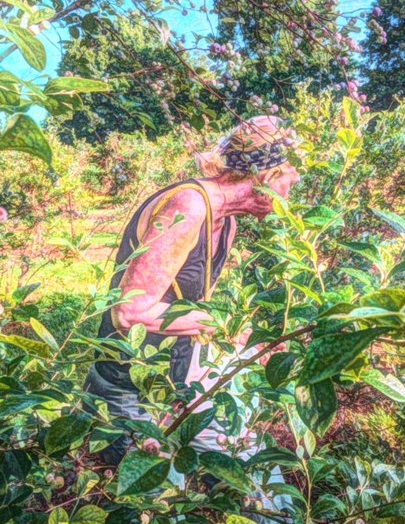
A Painteresque view of me picking blueberries.

A Painteresque view of me picking blueberries.

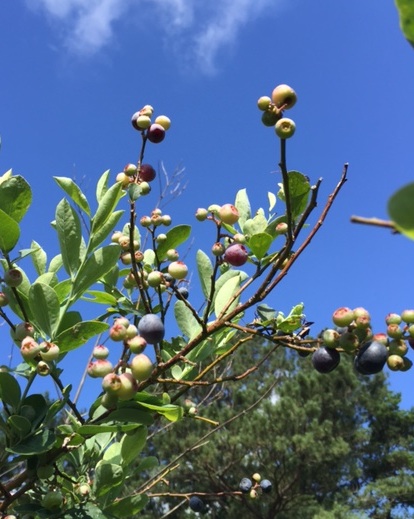
Blueberry sky

Blueberry sky

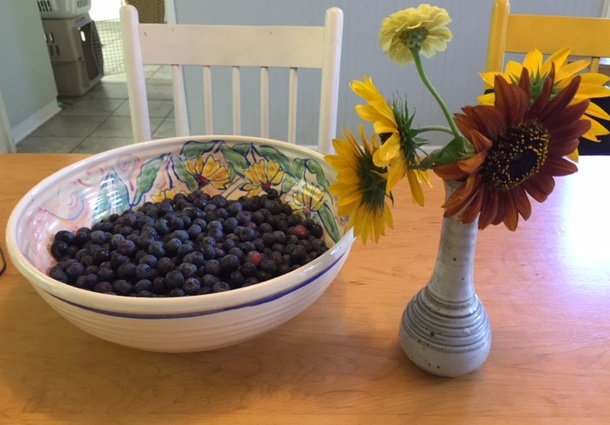
Kitchen brightened by fresh fruit and fresh flowers.

Kitchen brightened by fresh fruit and fresh flowers.

Slowing down, enjoying simple things, and savoring summer days.  No, I’m not bored yet.


Read Full Post »
Please use this button on your site for DigiLit Sunday posts

Please use this button on your site for DigiLit Sunday posts

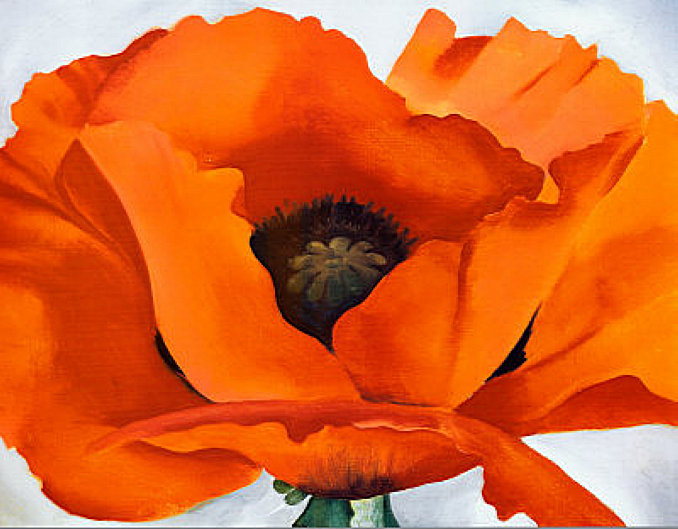
I have taken a few art classes. In art, perspective is important and obvious to the eye. One of my favorite artists is Georgia O’Keefe. A series of her paintings focuses in on the center of a flower. Looking closely changes the perspective. Seeing the center without white space to guide your eye makes the image more focused.

wikiart.com

wikiart.com

My school year ended ten days ago. This period of time I have worked hard to relax and be present. I have actually avoided thinking at all about school. However, teaching is never far from my radar.

Today, I can see more clearly the white space. I understand the structure of my year and have some perspective on things.

At the center of focus is always literacy.  Writing is an important component in my class. We wrote daily about our lives, about our reading, sprinkled with poetry.

But as I look forward and begin to shift my perspective to the horizon line, I see where my focus should be next year.  I will have the same students. In many ways this makes the transition to a new grade level much smoother. They know what to expect. They know me.

Because of this, I will have to be intentional about changes and make them happen early on. I am reading Katherine Bomer’s book, The Journey is Everything. The intended audience is teachers of middle grades 6-8. The highest grade I teach is 6th, but I can see ways to incorporate her ideas in my lower grades as well.

While we need to pay attention to structure in the essay, that is not the purpose. I will continue using blogs as the main format for writing. A few points of perspective their writing will take are 1. writing to discover and 2. writing to explore language.

I want to be more aware of my students’ perspectives and allow them to discover them safely in our classroom. When we focus on the single poppy in the field, we can see more clearly the unique individual. We can honor their voices and work toward developing authentic, valuable writing.

In order to prepare to teach essay differently, I am experimenting with my own writing.  I am trying out “writing for discovery” and “exploring language” with more intention in my blogging.

Perspective as a writer gives me a clearer lens for teaching writing.

you have a story to tell

Please add your blog post link below:

Read Full Post »
« Newer Posts - Older Posts »