Feeds:
Posts
Comments

Morning Walk

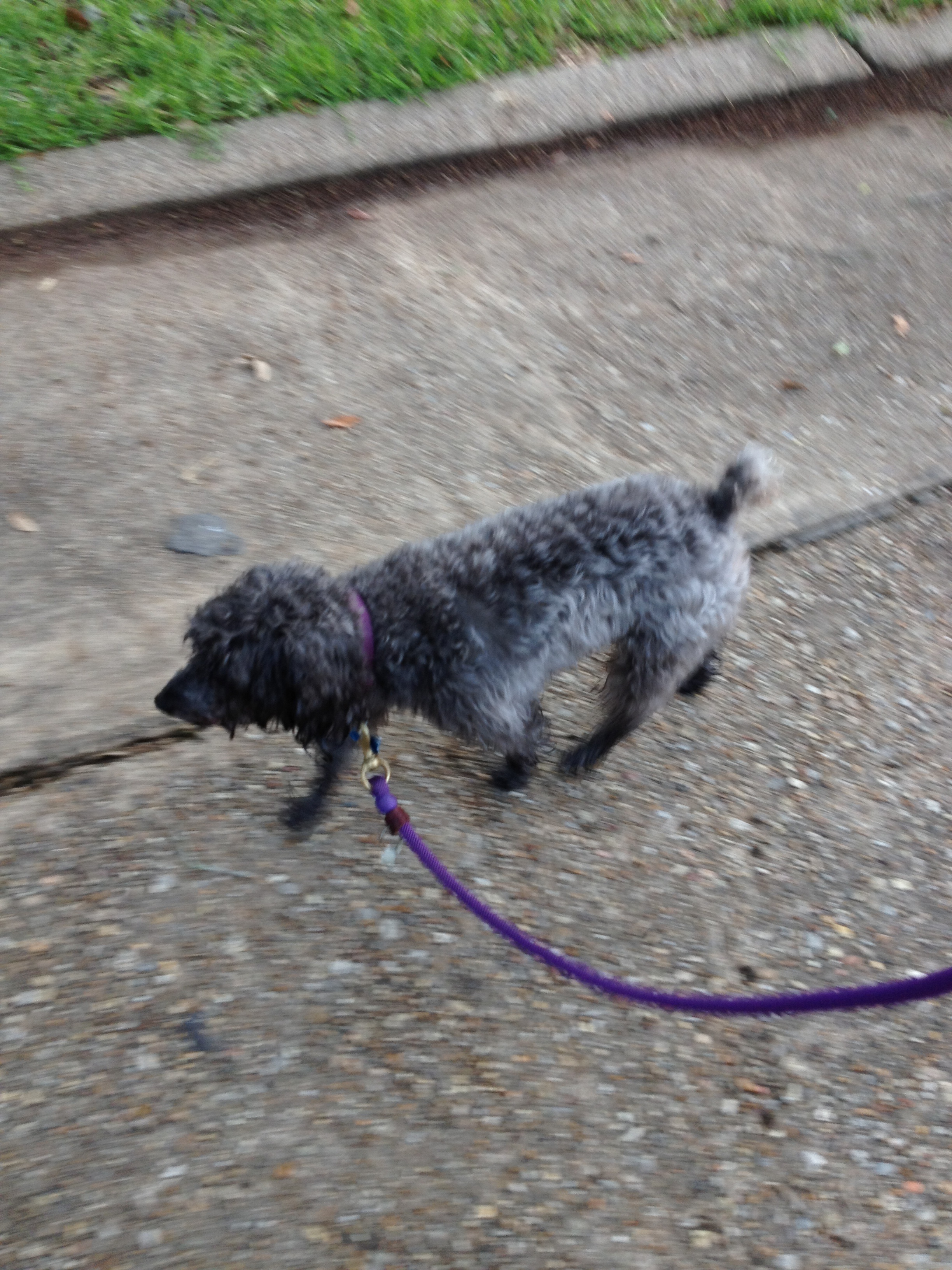
The poetry prompt this week from Poets and Writers The Time is Now asked me to collect six images and to use two to create a poem. I collected images on my morning walk using my iPhone.

Then I read the prompt from Teachers Write. Using two lenses, examine your landscape, panoramic and monocular, and write a description of the two views.

The sun rises over the oak trees,
a spotlight on the landscape.
Shadows painted on scaly trunks
guard my path like silent soldiers.
The distant bayou draws a border
on this land, this soft, soggy space
softened by the glowing rays of morning sun.

My companion trots like he belongs here,
black fur saturated and slinky after a romp
across an empty field.
He doesn’t pull or tug,
keeping the rhythm of his step in time with mine.
Never mind the cawing crow;
never mind the passing car.
We are happily walking, enjoying the morning,
drinking in new light and life.

At dinner last night we were discussing the chicken research I have been doing. See Raising Chickens for Dummies. My daughter said she remembered that a friend in high school raised chickens, and he talked about hypnotizing his chickens. She said, “Google it.” So I did, and I found this funny video of some kids hypnotizing their chicken. Chicken research continues…

Join the Tuesday Slice of Life

So you published a book, what now? The answer keeps coming to me as “write more.” After 471 free downloads from Kindle when Blessen was free for the 4th of July holiday, I wondered what it may mean for book sales. An author friend said, “Your readers will want more.” This is a tremendous burden. And terrifying! In an attempt to embrace this burden, I decided to do some chicken research.

In Blessen, her chicken Blue dies quickly, attacked by a hawk. In the next book, Sunshine, Blessen’s new life chicken, will not die, I promise. But that means I need to know more about the actual raising of chickens. In our household, we have had fish, cats, and dogs. No chickens. But my neighbors, Harvey and Opal Broussard, in their retirement are raising 6 hens.

As a young girl, Opal participated one year in 4-H. She got 50 chicks to raise. They were of the butchering variety. She didn’t name her chickens, but she cared for them. She fed them, kept their coop clean, and was committed to proper record keeping. She was ready for the Chicken of Tomorrow contest. All 50 of her chickens were ready to go to the LSU Ag Center, but for some reason that she does not remember today, they didn’t go. And sadly, one day when she returned home from school, her mother had butchered all 50 chickens and placed them in the freezer. Opal told her mother she would never again eat chicken out of the freezer.

Needless to say, Harvey and Opal’s brood of 6 hens are laying hens and will die of old age. They each have names and unique personalities. They are Stella, Rhoda, Lacey, Estelle (nicknamed “Big Mama”), Buffy, and Laura.

Opal told me that there is really a “pecking order.” In my opinion, Harvey is on the top rung. The chickens watch and follow him where ever he goes. Stella likes to be held, so she walked up to Harvey, pecked his shoe, and he gently wrapped his hands around her feathered breast and cradled her in his arms. I took this opportunity to pet her. How can I describe this softness? Softer than silk. Softer than my kitten’s fur. The softest thing I have ever felt.

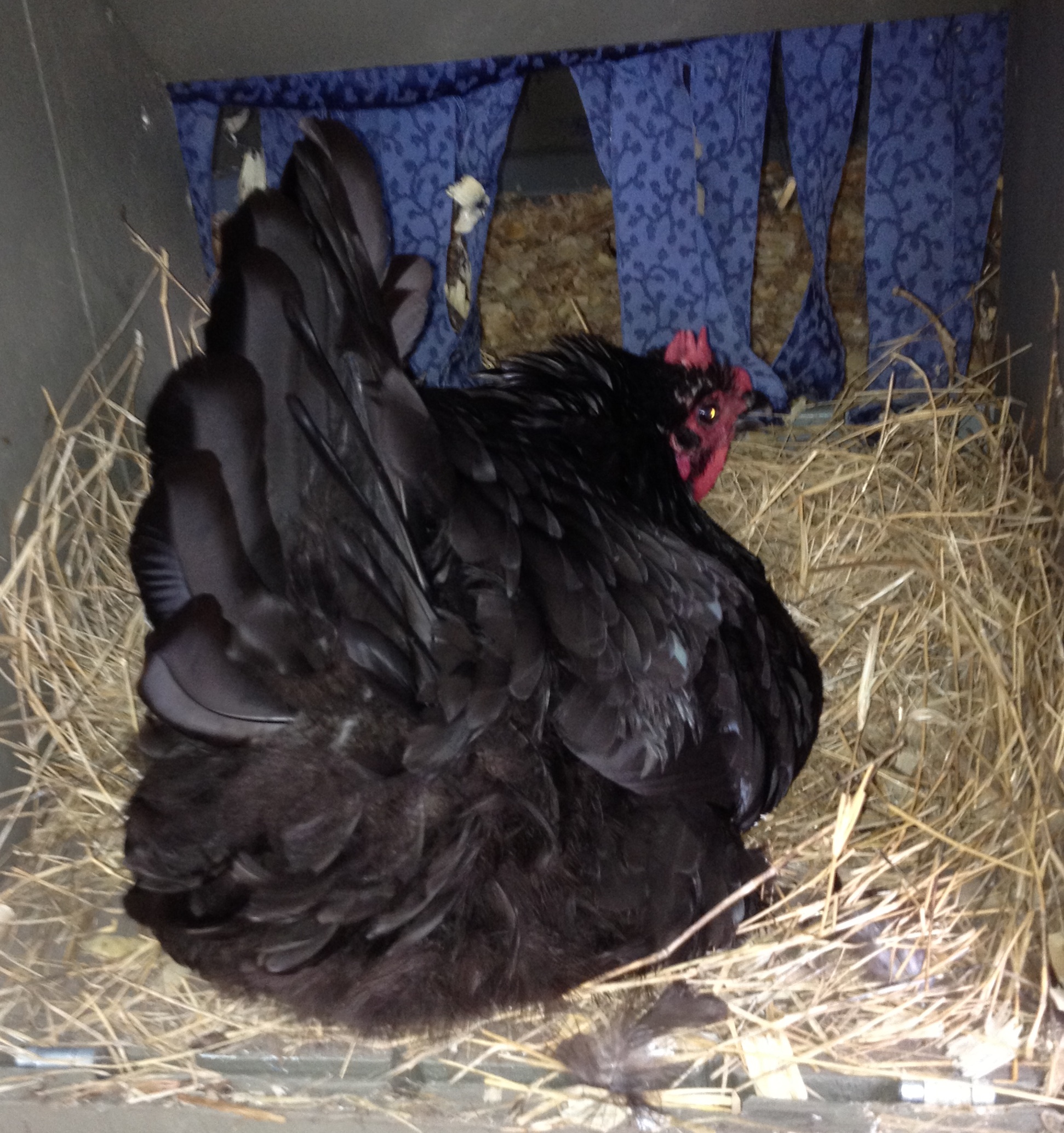
Harvey was most concerned over his Austrolope hen, Laura. She was “broody.” Broody means she wants to nest on an egg. These hens usually lay daily, but there is no rooster around, so their eggs are unfertilized. Instinctual, however, they occasionally want a family of their own. This behavior can be detrimental to the broody hen. She wants to sit on the nest all day, no eating or drinking. Harvey being the careful papa would take Laura off the nest about 15 times a day and put her in a pool of water to cool her off and try to influence her to eat. She did not run around and cluck like the others. With tail feathers poofed out, she stopped and dug in one spot making a rumbling growl. She could not be satisfied until she could rest on her nest. Then here comes Harvey again. She was one miserable momma. I know how she feels.
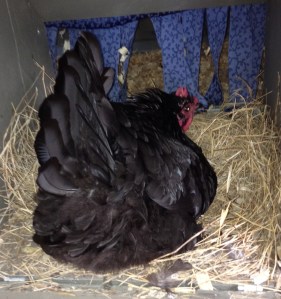
Broody Laura

I learned a lot about raising chickens and think that at least one chapter may need to be dedicated to the subject. Do you think young readers will enjoy learning about taking care of chickens? Blessen and her author need a copy of Raising Chickens for Dummies.
The Day

In the Teacher’s Write Online Writing Camp, I wrote a poem. The prompt came from guest author D. Dina Friedman, whose titles include ESCAPING INTO THE NIGHT and PLAYING DAD’S SONG. Dina grew up in New York City and can be found online at http://ddinafriedman.com/.

Her prompt was one I use often to jump start my own writing and my students’ writing. I call it “stealing a line.” Thumbing through a book of poetry, you find a line that jumps out and wants you to write about it. My post Fallen Oak came about when I borrowed a Mary Oliver line. The line I used today was Richard Hugo’s ” The day is a woman who loves you.” Here’s my poem.

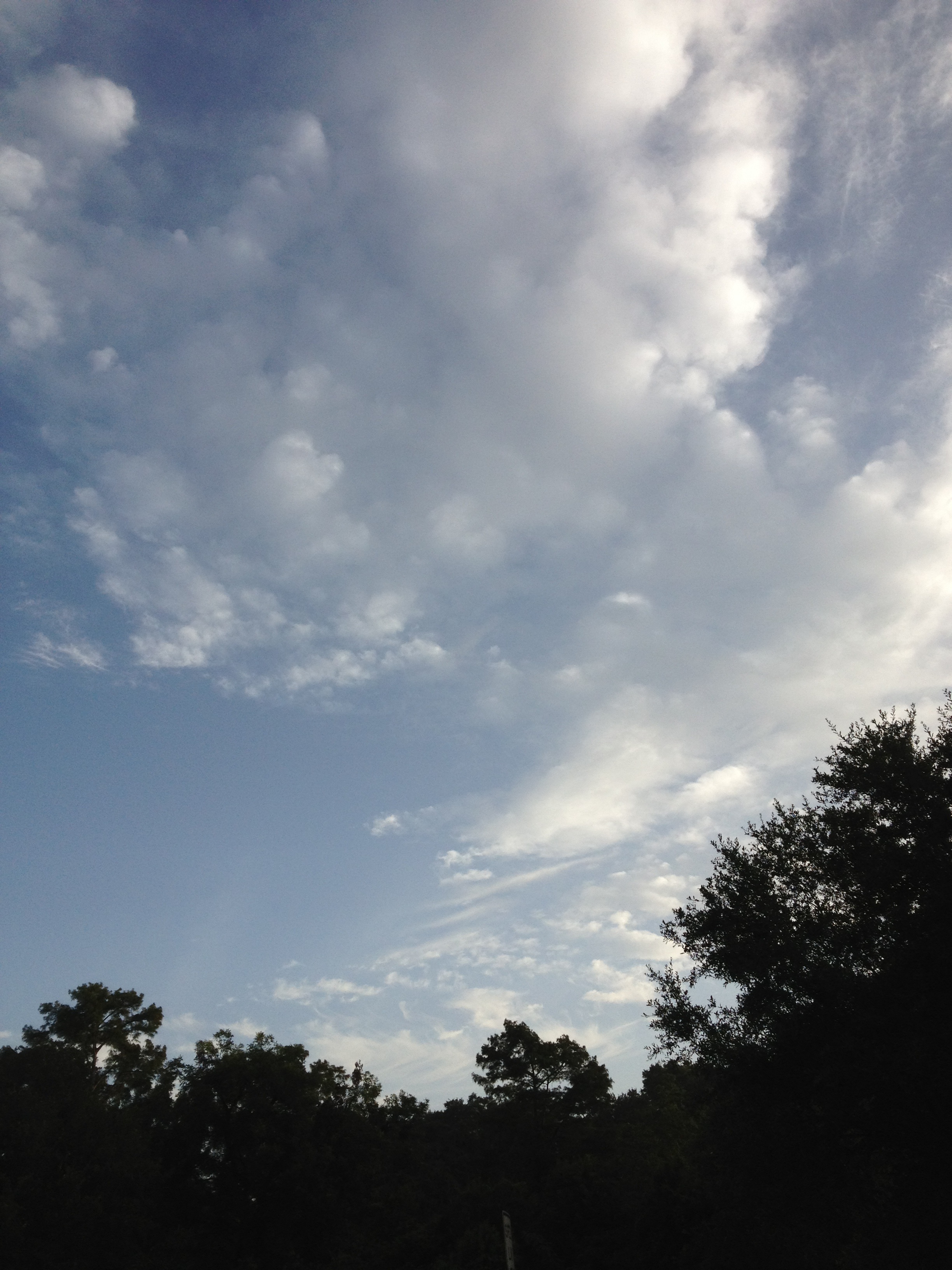
The day is a woman who loves you.

Like the grandmother oak who
stretches her arms wide
offering a rope swing
for your very own pleasure.

Jump on and sway
or pump your legs until they ache.

This day offers you this kind of joy,
the joy of an open blossom–
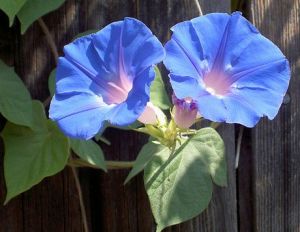
morning glory blue
as deep as the Aegean Sea, the color
of your mother’s eyes.

She looks at you now,
hoping you will notice
her loving glance
and embrace this new day
as a gift.

The Dovekeepers

Join the Tuesday Slice of Life

Here it is Tuesday again. I committed to writing a blog every Tuesday for the Two Writing Teachers’ Slice of Life Tuesdays. Last week we were on our family trip to Chicago, so I skipped writing. All week I have tried to start a new post about our trip. Why is a family vacation so hard to write about? A lot happened. We had a great time. We made up a few new family sayings like “Get on the train,” and “He’s right off the Pirate Float,” but it’s a kind of woulda-hadto-been-there situation. Not easy to convey, you know.

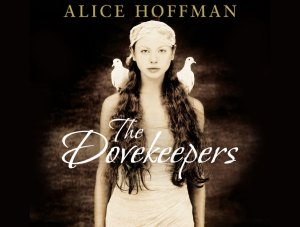
Inspired by other slicers today (one was inspired by a billboard, the other by Hallmark magnets), I decided to write about a book I am reading. The Dovekeepers by Alice Hoffman is a beautiful novel set on Masada two thousand years ago. Written from the point of view of 4 women, it is rich in historical and mystical details. One of the exercises I enjoy doing with my students when they are reading a novel is a “found” poem. Using the text of the book, the writer finds a poem. Using Alice Hoffman’s beautiful language, I found this poem:

The Dovekeepers

People say our mother walked on water.
She traded rubies for a boat.
Pure, elemental, hot to the touch
given by your father’s blood.

A storm rose like stones
set out to block our way.
Our mother saw our destiny
saying water will heal
and protect us.

Mountains became our vision.
Our journey scented with fire and metal,
I could hear the beating
heart of the world,
the center of creation.

Our mother released the doves.
Those winged creatures
rise upward.

(Borrowed words from pages 293-294 of The Dovekeepers by Alice Hoffman)

Fallen Oak

Join the Tuesday Slice of Life

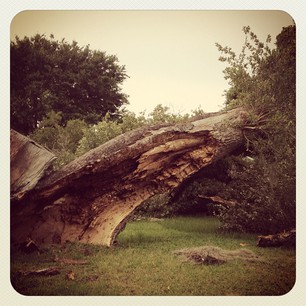
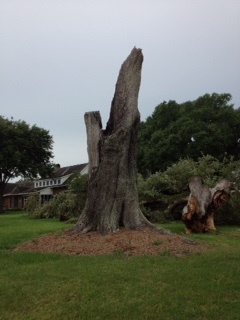
Ever since this old oak fell more than a week ago, I knew it had a poem to give me. I have learned and continue to learn to wait for writing. First, I walked down to the empty lot where it lay and took pictures. I played with Instagram for the one here. Then I sat with a favorite poet, Mary Oliver. Mary doesn’t fail me. I felt like we were writing side by side. I opened her book, Red Bird, to the poem Night Herons, and one line jumped off the page, “what do we know/ except that death/ is so everywhere and so entire–” Using her form of four lines per stanza and borrowing this line, I wrote a poem about the tree.

An oak tree
fell in the night
while we were sleeping,
unknowing.

Its body broken
by invisible flames,
trunk separated
from leaves, from life.

Happy resurrection fern
clings, even as
clouds form
rain again.

This keeper of stories,
survivor of hurricanes,
fell in a summer storm,
just tired, I guess.

That was the end of growing
as we know it, yet
what do we know
except that death

is so everywhere and so entire–
culling and clearing,
sometimes taking
an old friend.

One strike, one boom,
and the lot fills up
with sprawling branches.
How long

will we walk by
and watch the decomposing?
How long until the chainsaw
destroys?

Until then, I will stay
pray to this sacred sculpture
and to its sculptor:
Rise and sow again.

On the Lake

Join the Tuesday Slice of Life

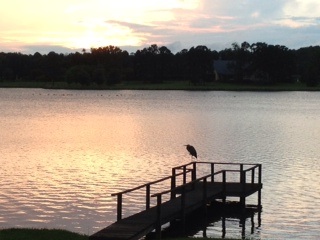
I spent the weekend on New Castle Lake with my parents. I never get tired of this place. Every night the sun set is new and beautiful. There is a great blue heron that hangs out on the peer fishing and guarding. Canada Geese, an unwelcome invasion, litter the far side of the lake while a mother duck swims by with her brood of five in a perfect line behind her. This place is inspiration for relaxing, reading, sleeping, and writing.

Because I was at home for a book signing at Jackson’s landmark independent bookstore Lemuria, conversation often turned to writing.

At lunch on Sunday, my father offered this wisdom, “When you don’t know what to write, WRITE.”

Mom echoed that Hemingway said there is no such thing as writer’s block.

Minka, their friend and priest, said, “I sometimes have to write, ‘Stay, Minka.'”

We all value the time and commitment writing takes.

At church, I was asked by a former high school classmate, “What possessed you to write a book?” I had to laugh out loud at the question. As though to be a writer one must be possessed.

I am possessed by a love of language.
I am possessed by the belief that a teacher of writing should be a writer.
I am possessed by the story, the poem, the words that want to be written.
So, yes, I guess I am possessed.

The great blue heron guards this lake
standing on wrought-iron legs firm and tall
while his blue-grey wings fan the breeze.

Mother mallard leads her paddling through
the canal, picking at the grassy border,
feeding class for the day.

At sunset, I fish with my brother.
His casts are smooth and long,
Mine awkward and clumsy.

Cast on this side
Don’t release your thumb until you swing,
Fishing class on the dockside.

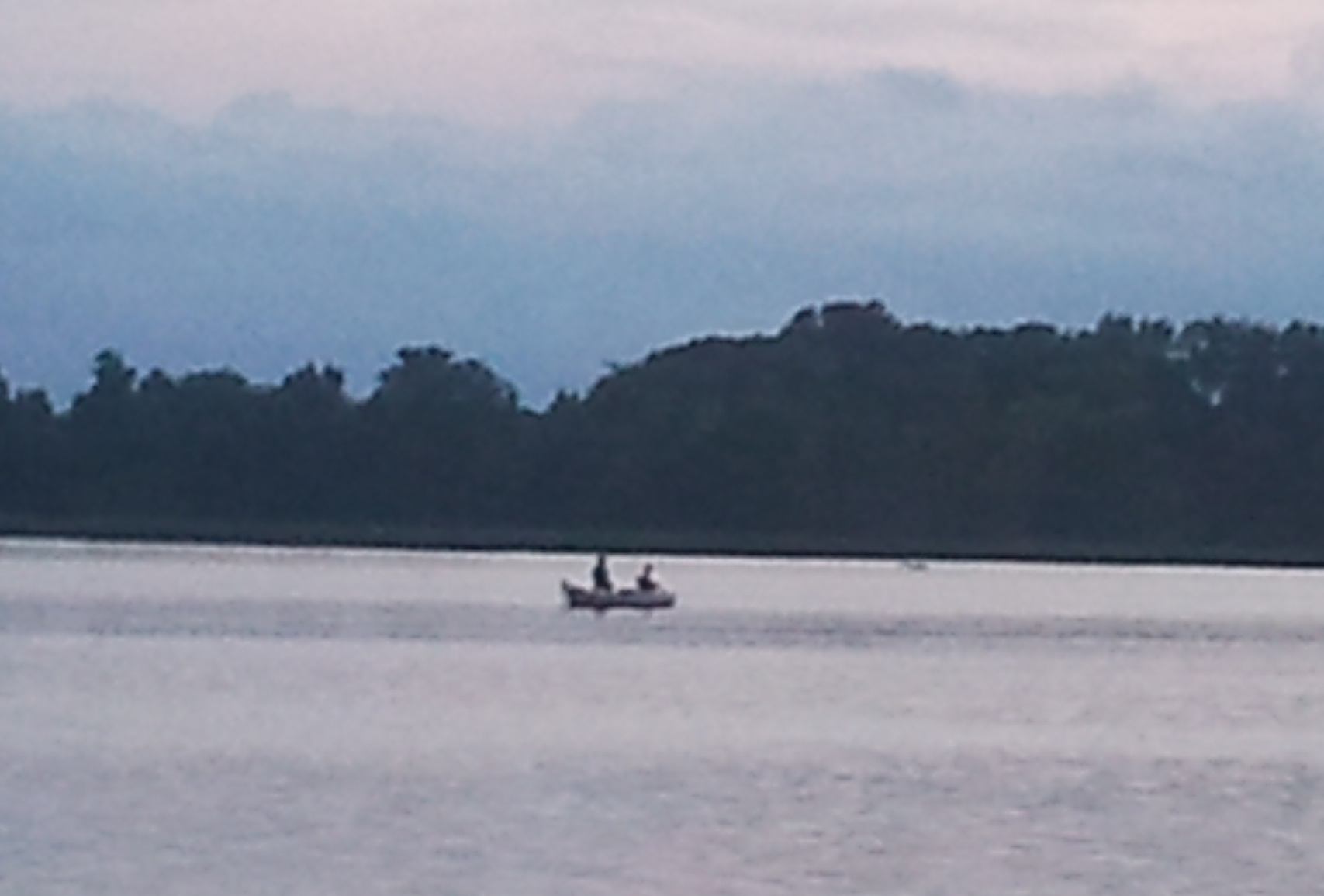
In the distance, a boat anchored with a father and son
creates a silhouette on the horizon.
We cast and draw in silence.

It has taken this long life to learn
fishing is not about catching fish.

Poetic Walk

On my early morning walk today, I was alone. My cell phone came along to track my mileage and pace, but it ended up recording my poem. Later when I checked the text, I discovered some funny misinterpretations. “High in the sky” became “Pie-in-the-sky.” “Workday” became “birthday.” The words didn’t really work with the poem I was trying to speak-write, but I had to smile at the idiosyncrasies of language.
After I worked on it, the poem became a grossblank, 12 lines with 12 syllables.

If you want to study the skeletons of frogs,
take a walk after the storm when the sun comes up.
Listen to the mockingbird song, high-pitched grating
like fingernails on the chalkboard. I walk the path
of the fallen limbs and clustered puddles of leaves.
We are washed yet still unclean. New day sun breaks
deepening the green, solid, and strong earth. Red spots
glitter after I glance at the spotlight. God’s eyes
peak through the ghost of a waning moon. Wren gathers
twigs for nesting, flutters off like a thief with goods.
No need for imagination here; all life breathes.
The beat of my footsteps become my prayer.

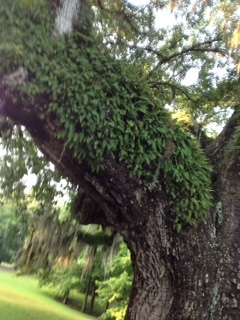
After a storm, resurrection fern fluffs up and becomes a green blanket on the live oaks.

Here I go on another writing adventure with teacher bloggers. Today’s prompt was to write about a place, then go there and add details from what you experience. What was suppose to be a quick writing exercise took me all afternoon. I wrote about The Goat Lady’s Farm in St. Martinville.

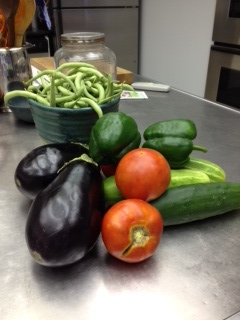
On the way there, I stopped by the Farmers’ Market downtown, visited with a few people I knew, and bought a bunch of veggies: eggplant, snap beans, tomatoes, bell pepper, and cucumber. All for $6, such a bargain.

I traveled about 15 minutes down Highway 31 to Belle Ecorce Farms. I can never remember the name, so I just call it The Goat Lady’s Farm. I think I like taking field trips for writing. Here is my short piece:

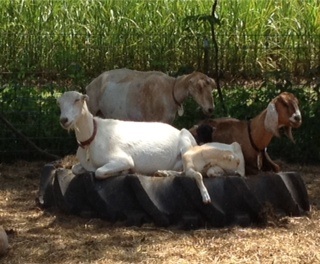
Nestled down a gravel road off the Main Highway is a farm of sorts, an exotic farm, not the usual run of the mill pig, cow, and sheep farm. A South Louisiana farm down by the Bayou Teche, the goat lady’s farm where goats gather on an old tire to rest in the shade. A visitor is greeted by the Amazon Parrot who calls out, “Hello” with his head cocked upside down. The crown of yellow shines above his lime green feathers. “Hello,” I answer. He gurgles out something that sounds like, “Whatcha’ doin?”

Wanda Barras, the owner and head caretaker, shouts to a couple walking from the barn with a small goat, “If you have any more questions, just call me.” She turns to me as I write under the canopy of draping oak trees, “I’ll be right with you.”

I sit a while longer listening to the background sound of the country music and the trickle of a nearby fountain. In this small piece of heaven, Wanda makes God’s goat cheese, smooth as silk. She flavors it with herbs that grow in pots near her little shop. I’m thinking I may have to come back for some more research on another day. Wanda tells me, “Next time, bring some friends and we can pull out the table cloth and have a picnic.”

Morning Song

I get a weekly writing prompt from Poets and Writers called The Time is Now.  This week’s nonfiction prompt was as follows:  “In Bird by Bird (Pantheon, 1994), Anne Lamott’s classic instructional treatise on writing and life, the author writes: “Writing a first draft is very much like watching a Polaroid develop. You can’t–and, in fact, you’re not supposed to–know exactly what the picture is going to look like until it has finished developing.” Keeping this in mind, write the beginnings of an essay whose direction and ending you don’t yet know. Start small, focusing closely on a single place, person, or incident, without thinking ahead. Then keep going: Allow the writing tell the story, and see what develops.”

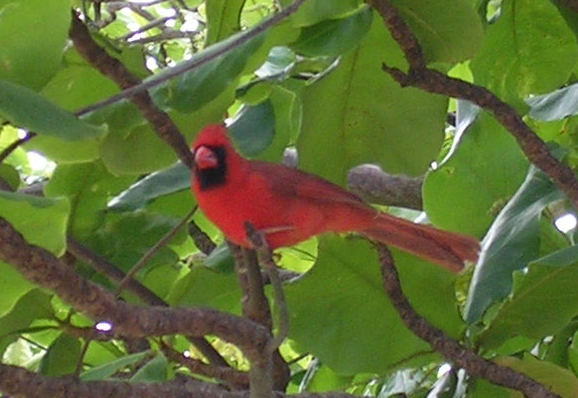
This morning was a beautiful summer morning.  After walking my dog, I sat on the back deck eating my breakfast and drinking coffee.  A cardinal hopped into a nearby tree and starting singing loudly.  I wrote as I listened.

The red bird calls
from the crape myrtle branch
while the cat prowls,
Tee who, tee who, tee
who, who, who, who

He flutters higher into the cypress tree.
The cat jumps in, crouches
in the valley of trunk and branch.
The cardinal call is echoed across the water–
a conversation for soul mates
staccato notes in harmony
with the rising song of cicadas

As the breeze blows, the wind chime
joins the tune. I am the audience only
writing alone while
June rises with the sun
dancing with patterns on the bayou.
Cerulean sky domes the shapes of trees,
a horizon to this landscape.

Thich Nhat Hanh tells me to be mindful of the moment,
to tune in to my breath, in and out.
This moment of mindfulness
full of sounds, the cardinal and his mate,
makes me wonder
of the Almighty Hand
who created my world and guides my breath.
How am I so privileged to be here?
I hear this song so clearly;
I feel the breeze so softly,
an embrace from God,
my everlasting mother.


Audio of Morning Song