Wednesday is here again. I feel like I’m in a whirlpool heading for Christmas, the calendar is full, and I’m forgetting what day it is. Wednesday already? I did have the forethought on Saturday to save a photo from our friend-poet-teacher Molly Hogan. As you know, she is an avid photographer of wildlife. She posts her photos on Instagram and Facebook. In Maine, apparently bluebirds are still there. We start to see them down south around Christmas. I really don’t know how Molly takes such fine photos of birds. I asked her once and she said, “I just take a lot of them, so one or two come out good.” I also think she has patience for the good shot that I don’t have.
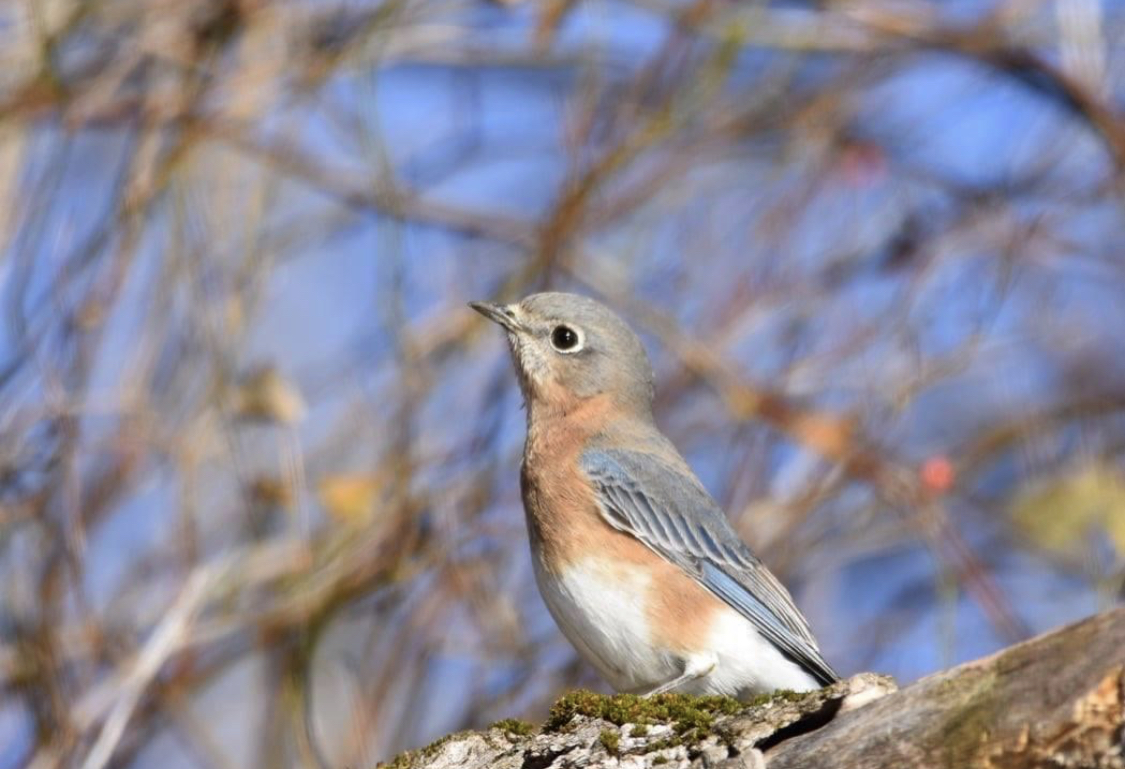
female bluebird by Molly Hogan
This female bluebird has an attitude. She seems to have a teacher’s stance, wide alert eye with her beak in the air, on the verge of letting out a loud call. So I did a quick search and found this video of an Eastern bluebird call.
Take a moment to take in the sound. How would you describe it in a poem?
Write a small poem in the comments and support other writers with encouraging comments.
Warble World in tune– Harmony heals us.
Margaret Simon, draft #haynaku #gratitude #poemsofpresence
Thank you to Two Writing Teachers for creating an amazing community of writers and a safe, welcoming space to write and share.
On Saturday as part of the Festival of Words, I had the privilege to attend a small workshop with Aimee Nezhukumatathil. She led us through a number of writing exercises and ended with a discussion of the haibun.
From Poets.org: “Haibun combines a prose poem with a haiku. The haiku usually ends the poem as a sort of whispery and insightful postscript to the prose of the beginning of the poem. Another way of looking at the form is thinking of haibun as highly focused testimony or recollection of a journey composed of a prose poem and ending with a meaningful murmur of sorts: a haiku.”
Aimee added to this definition with two concepts: Aware, a Japanese concept similar to natsukashisa, a type of nostalgia with a fondness for what is gone but also slight optimism for what’s ahead and a sense of calm because this is the natural course of things. She also Nezhukumatathiled the form with the addition of scent. She spoke about scent as a way to activate the reader’s mind to a memory.
On Monday, I went to a former school to screen a student for gifted. They put me in my old room to do the testing and while the child took her test, I wrote this poem.
I enter the spacious classroom, and you are not here. So many hard days in masks and social distance defined our relationship then. Your desk is gone. The smell of pencil shavings is sharp mixed with musty-mold of an old school. Today I am testing a girl like you, bright and edgy with a little swagger to her walk. But she isn’t you. No one can be you but you. This chair, the small blue square that lost its cushion years ago, holds me again. I trip over its wobbly wheels wishing you were here to laugh at me. Where are you now? In another classroom, another school, same masked face, same suspicious eyes. I want to know if you are OK. I only ever wanted you to be OK.
Students come in Twist my heart into a knot And leave it longing
The Inklings challenge this month comes from Linda Mitchell. She charged us with writing “a poem that includes the idea of percentage or percent. Percentages are all around us in recipes, prices, assessments, statistics. Include the idea of percentage in your poem in some way.”
I put off this challenge for a while until a muse slapped me in the face from Brain Pickings (which is now called The Marginalian). This article is beautifully written: Every Loss Reveals What We Are Made Of by Maria Popova. Incorporating inspiration from Maria Popova and a quote from Maria Mitchell, I crafted a poem container of loss, aging, and rebirth.
The way we stand at the mirror and see strands of hair overnight lose their color, devoid of fresh light gone gray in the way a leaf loses the green of chlorophyll.
We lose our vigor.
The way I collapse on the sofa after the grandchildren leave– how it sags from years of holding us.
The way, like branches, we reach forth and strain every nerve, but we seize only a bit of the curtain that hides the infinite from us.*
How 96 percent of the universe is dark matter invisible to us, how can we know what tomorrow will bring?
The way we shed more color, fall to the ground, crush into mulch, then hatch from darkness and find light find light find light.
*Maria Mitchell
Margaret Simon, draft
Below are links to my fellow Inklings and their responses to the % challenge:
Spiritual Journey First Thursday Posts are being gathered today by Denise Krebs at Dare to Care.
Gratitude should be a daily practice, and I believe, for the most part, it is, but the month of November tucked gently between the wildness of Halloween and the frenzy of Christmas gives us an opportunity to find grace and gratitude.
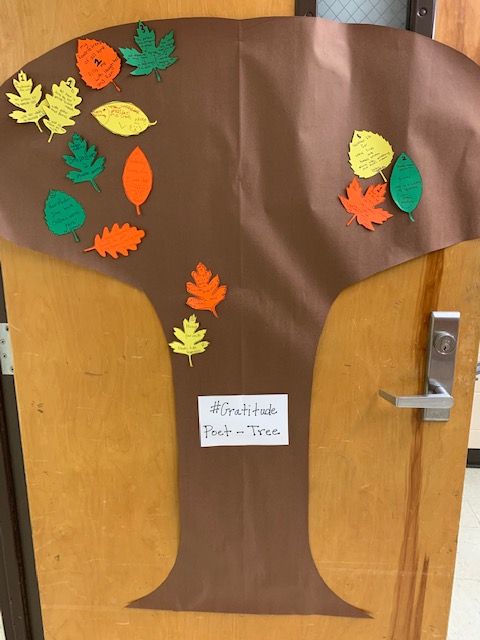
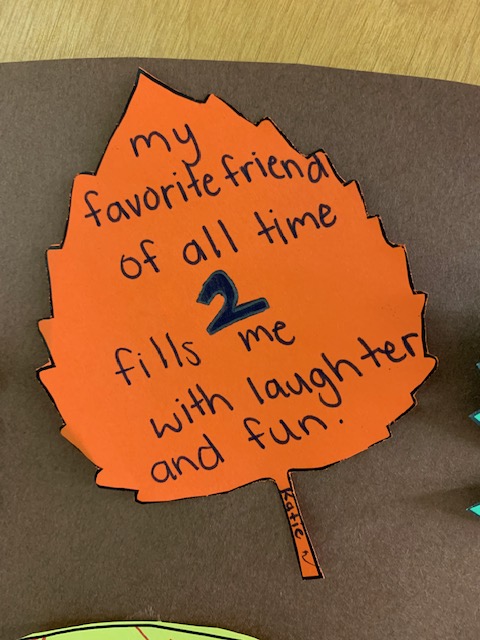
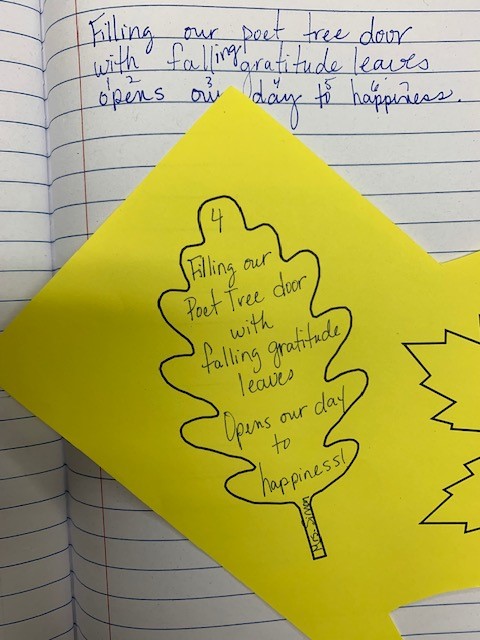
On Monday, I decided to start a monthlong project of gratitude poems with my students. When they walk in and open their notebooks, I ask, “What are you grateful for today? What is making you happy right now?” We have a quick discussion and then write small poems. I’ve printed leaves on colored paper. We write our #gratitude on a leaf, cut it out, and add it to the “Poet-Tree” on the classroom door.
Gratitude Poet Tree
I’m posting my poems on social media with #gratitude. I’m drawn to the small poem form hay(na)ku that Denise Krebs introduced me to. Here are the #haynaku that I’ve posted so far this month.
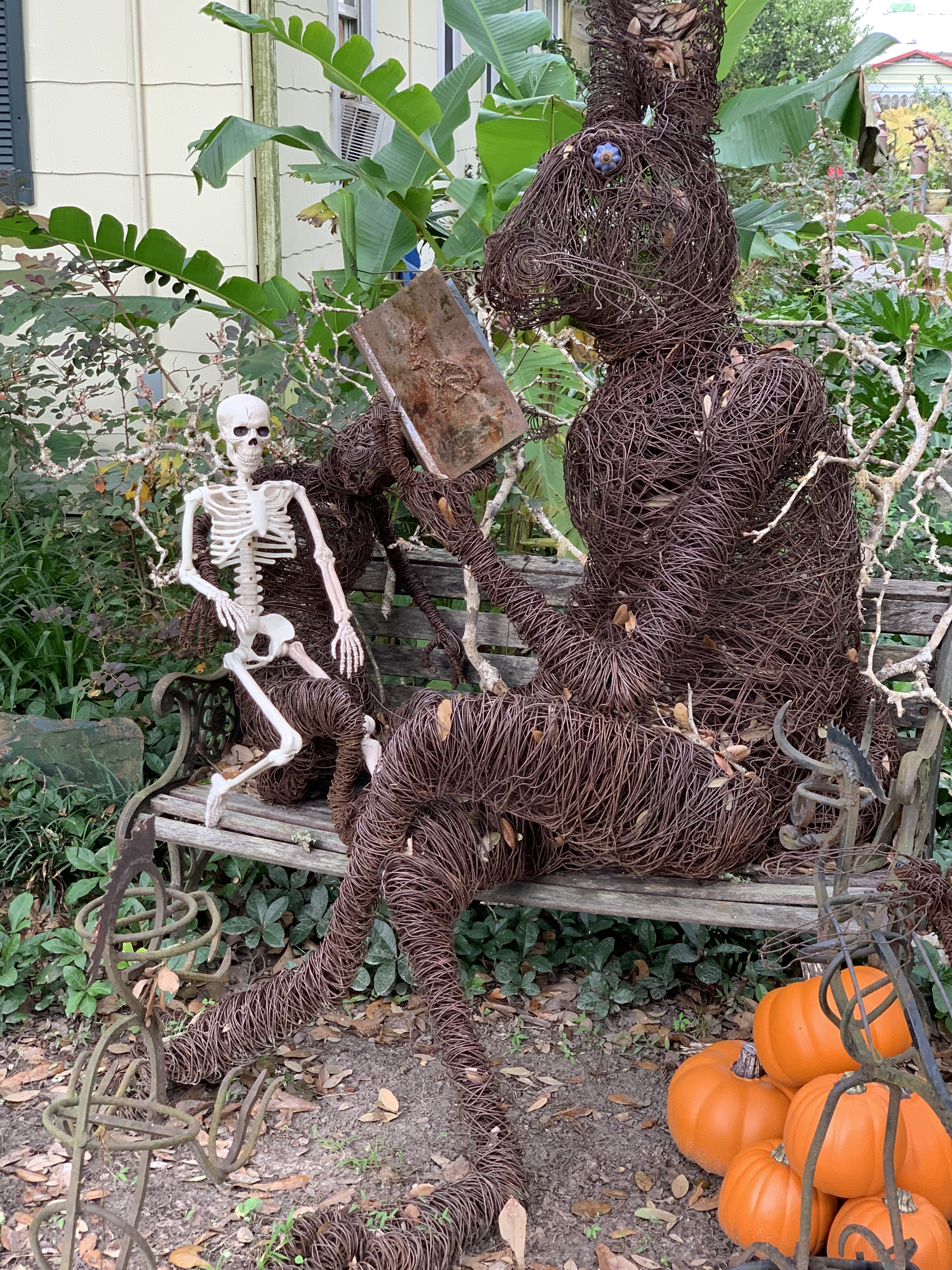
Yesterday I wrote about taking a walk with my two-year-old grandsons through our neighborhood. One of my neighbors collects folk art. Their collection has been shown in museums and is quite extensive. Their yard is no exception. As soon as Leo could walk on his own, he enjoyed meandering into this yard to see all the sculptures. One of his favorites is the gigantic bunny sitting on a bench reading. It is made of thousands of wires. And of course, around Halloween, he has a skeleton companion.
Studious Wire Rabbit, collection of Becky and Wyatt Collins. photo by Margaret Simon
I may twitch I may rust Up on my bench My story you can trust
Margaret Simon, draft
In keeping with the tradition of 15 words or Less, I have written a 15 word ditty-on-the-spot. Write your own quick poem in the comments and respond to other writers with kindness. You can also participate in our Facebook group.
Thank you to Two Writing Teachers for creating an amazing community of writers and a safe, welcoming space to write and share.
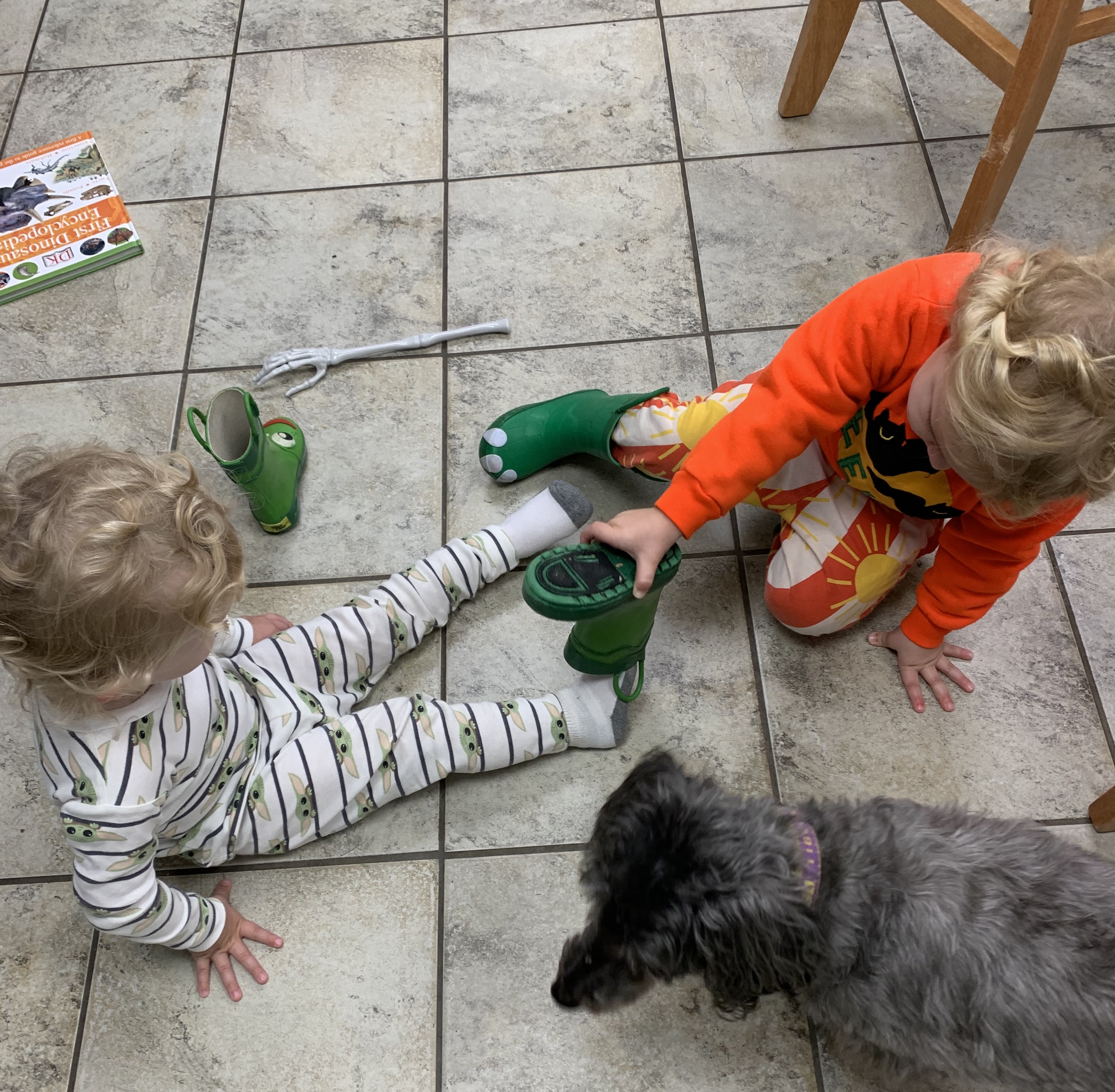
We have rubber boots for both boys. Here, Leo helps Tuffy put on his boots for our walk. Charlie looks on.
On Sunday morning, I was in charge of my two grandsons, both 2 years-old, 9 months apart. We started out with a goal of walking to CeCe’s house. CeCe lives on the next block about half a mile from my house. For the first little while, the walk was adventurous. The boys walked together, but then Tuffy (Thomas, T-monster, T-bird) trailed off into a field of tall grass. I had to fetch him out and in so doing, realized he had left a prize in his diaper. We had to go back home and change him.
Back on the road, each boy carried a skeleton hand. I got these plastic skeleton salad tongs at the dollar store last year. They each had one tong, so no arguments or need for “sharing.” Every once in a while Tuffy would want Leo’s, and they would trade. When Leo discovered that banging on the gutter caused a loud percussion, the boys pounded out a rhythmic tune that echoed across the quiet stillness of Sunday morning.
Moving on, Leo saw another gutter, “Look, another one!”, but I said, “Let’s keep moving. It’s a long way to CeCe’s house.” I called CeCe, and she told me she would be going to church at 10:30. This was 9:30, so I told her we would just stop for 5 minutes. I estimated we’d get there by 10. Well, not so much.
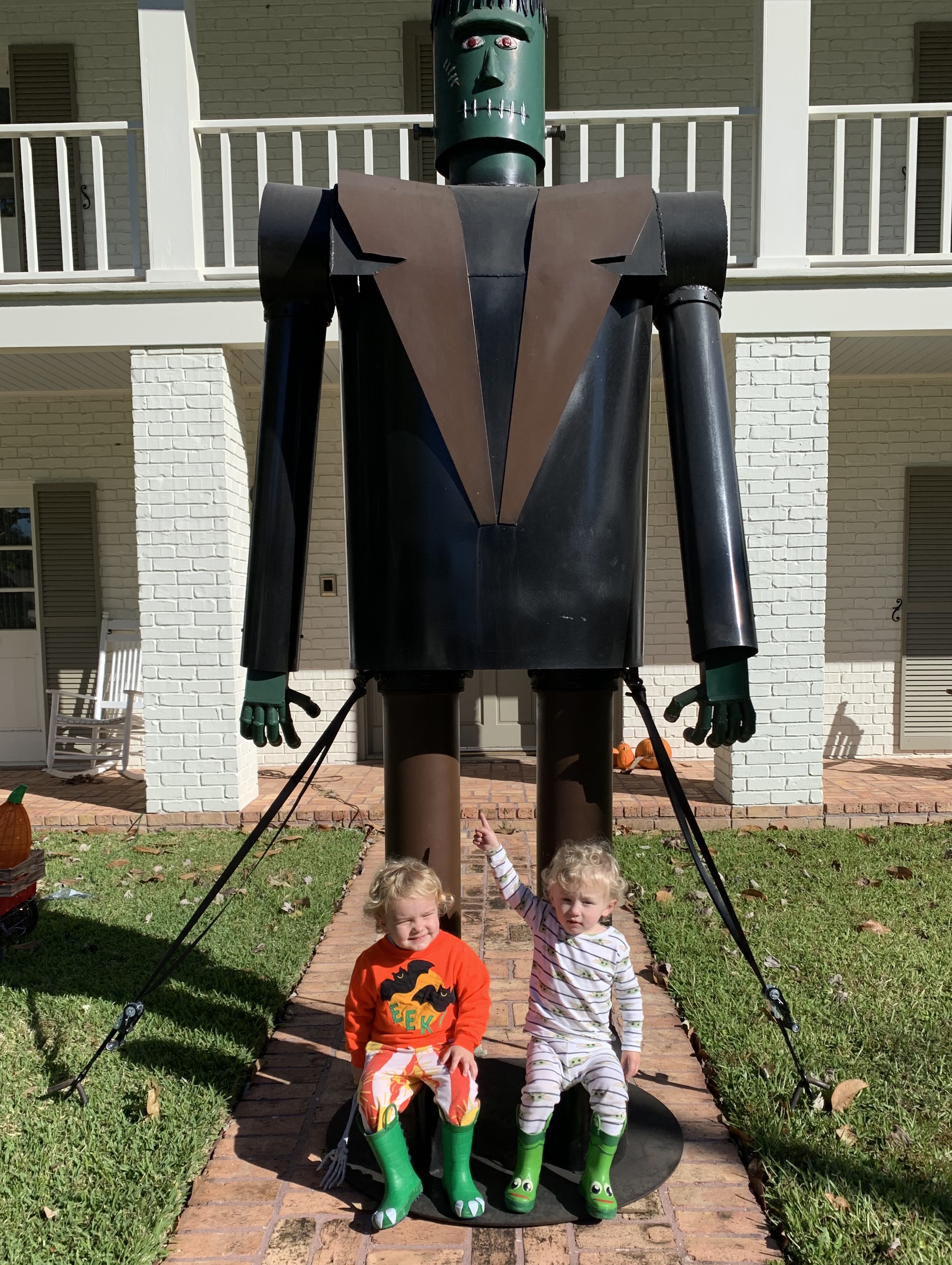
I put Thomas in the stroller which he cried about, but once I started singing, he was OK. I was making up songs right on the spot. It went something like this, “We are marching, marching, marching to the Frankenstein.” I promised we would get to see the humongous Frankenstein statue on the next block.
I texted CeCe when we hadn’t made it to her street by 10:00. “We’ll have to see you later.” Then I ran into some friends out for a morning run. We stopped to talk. It’s funny how my toddlers were very talkative until someone asked them a question.
We finally made it to Frankenstein. I called Katherine who was just out of the shower after her run with Papère. She came with her car and picked us up or I may still be out there coaxing these boys along with a drum and a song.
Frankenstein with Leo, left, Thomas, right.
Walking with a Toddler
I open my eyes to your wonder as you discover everything new– a fallen limb, a world over and under. I open my eyes to your wonder, reach for your hand at the sound of thunder, follow your gaze, engage your view. I open my eyes to your wonder as you discover everything new.
Margaret Simon, draft triolet
I am joining a daily writing of gratitude poems for the month of November. Three lines a day.
Poetry Friday round-up is with Linda Baie at Teacher Dance.
I am reading poetry for Round One of Cybils. To see the nominations for 2021, click here.
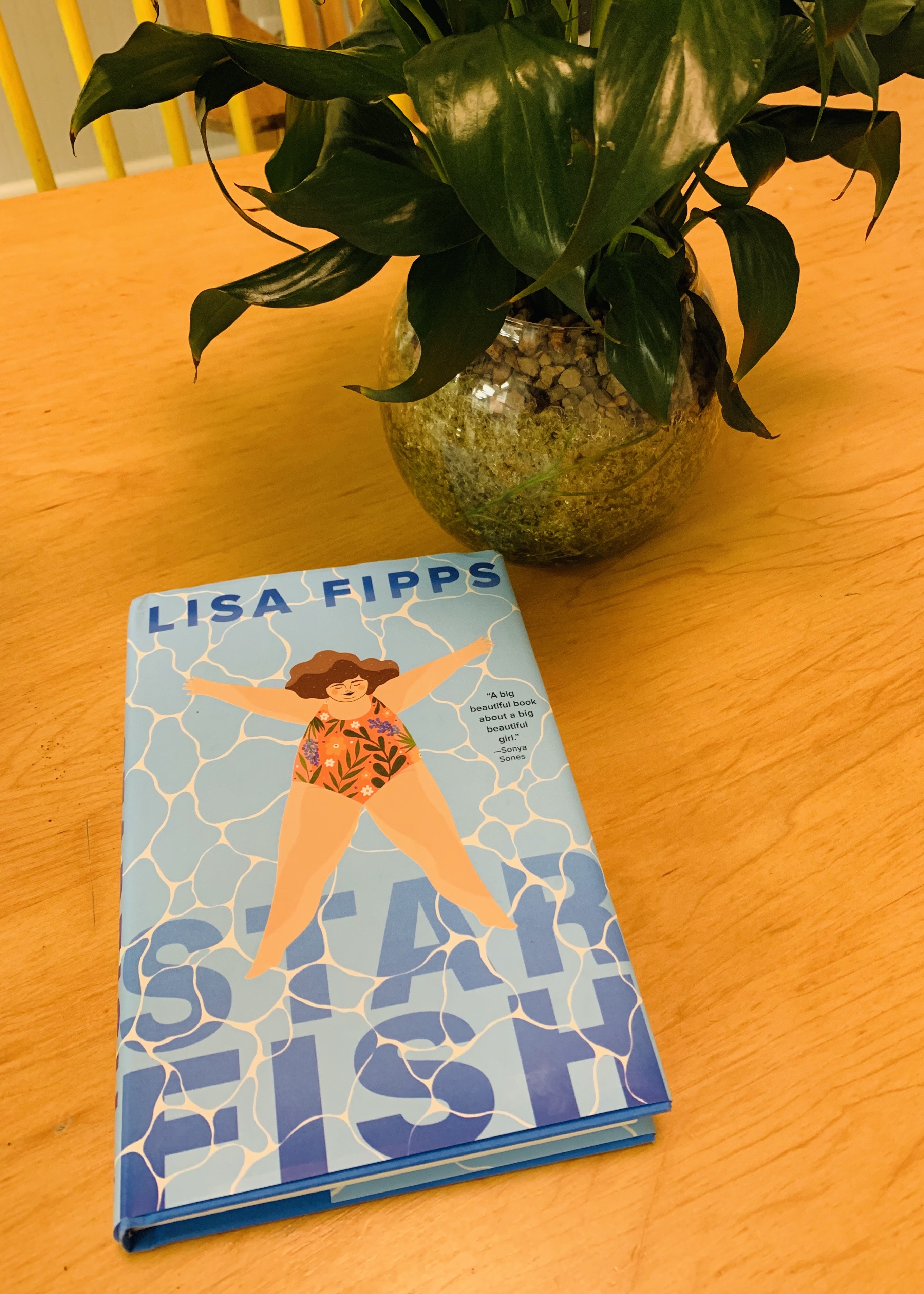
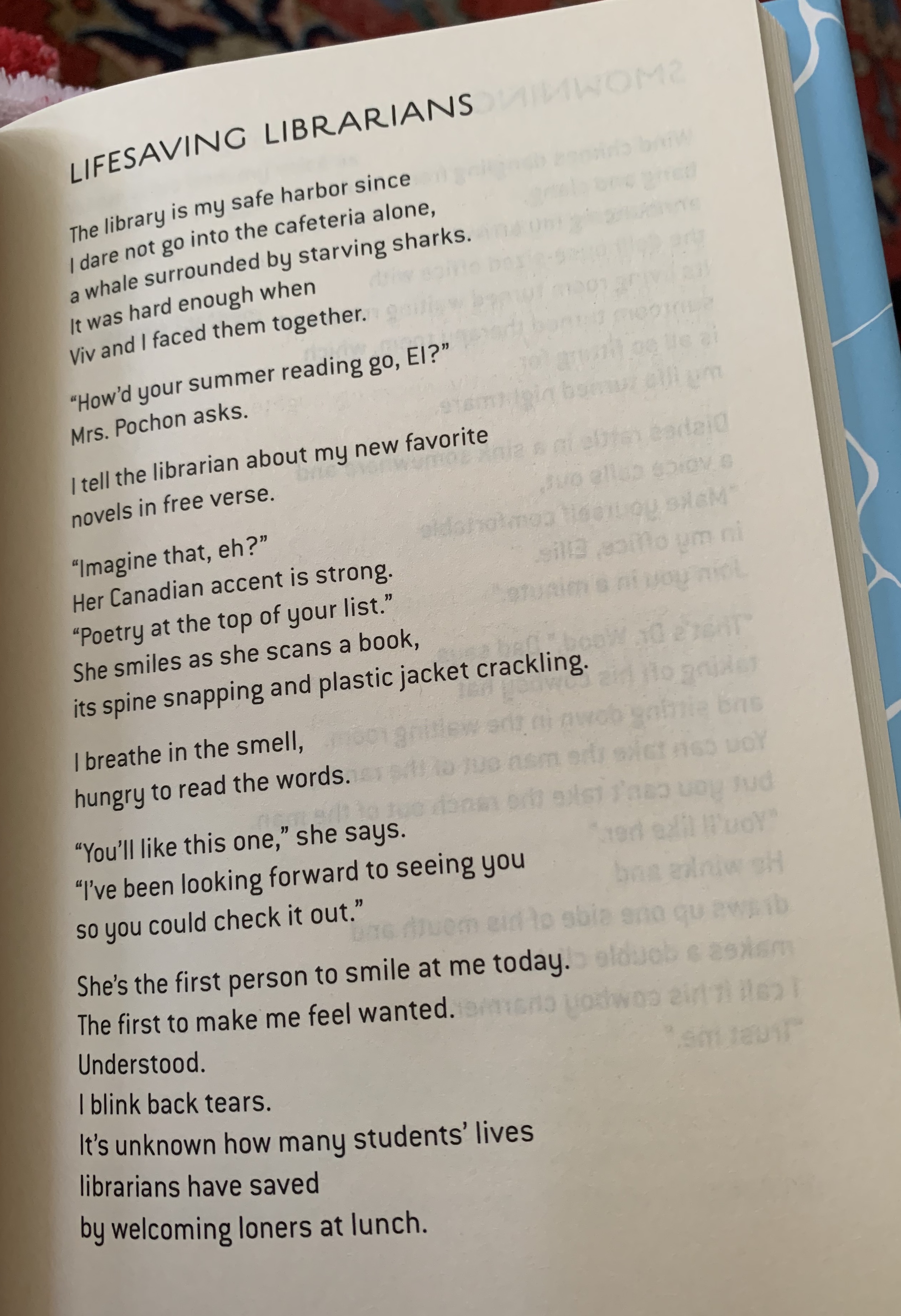
This week I read the verse novel Starfish by Lisa Fipps. I’m amazed that this is her debut novel. She uses verse effectively; It’s not a prose story told with line breaks. I was drawn in by the story and by the character of Ellie, but I also enjoyed each verse as its own poem.
Starfish by Lisa Fipps
I sent this poem to my friend- Inkling writer Linda Mitchell. She is a librarian in a middle school in Virginia and I know she is the type of librarian who would create a safe place for kids like Ellie.
I have never been a fat person until I read Starfish by Lisa Fipps. I became Ellie and felt every pain of the torture her family and classmates put her through. Reading this book, I was reminded of the bullying I endured as a skinny teenage girl with a flat chest. No bullying is pretty and it happens to lots of different people for lots of different reasons.
The way that Lisa Fipps can magically place you into the body and mind of Ellie through sparse, yet powerful verse is transformative. It made me as an adult examine the language that I use to talk to others. Like Wonder by R.J. Palacio, I want to place this book into the hands of all my students in middle grades. There is an important message here: “I deserve to be seen./ To be noticed./ To be heard./ To be treated like a human./ I starfish./ There’s plenty of room/ for/ each/ and/ every/ one of us/ in the world.” You matter. Ellie matters. I matter.
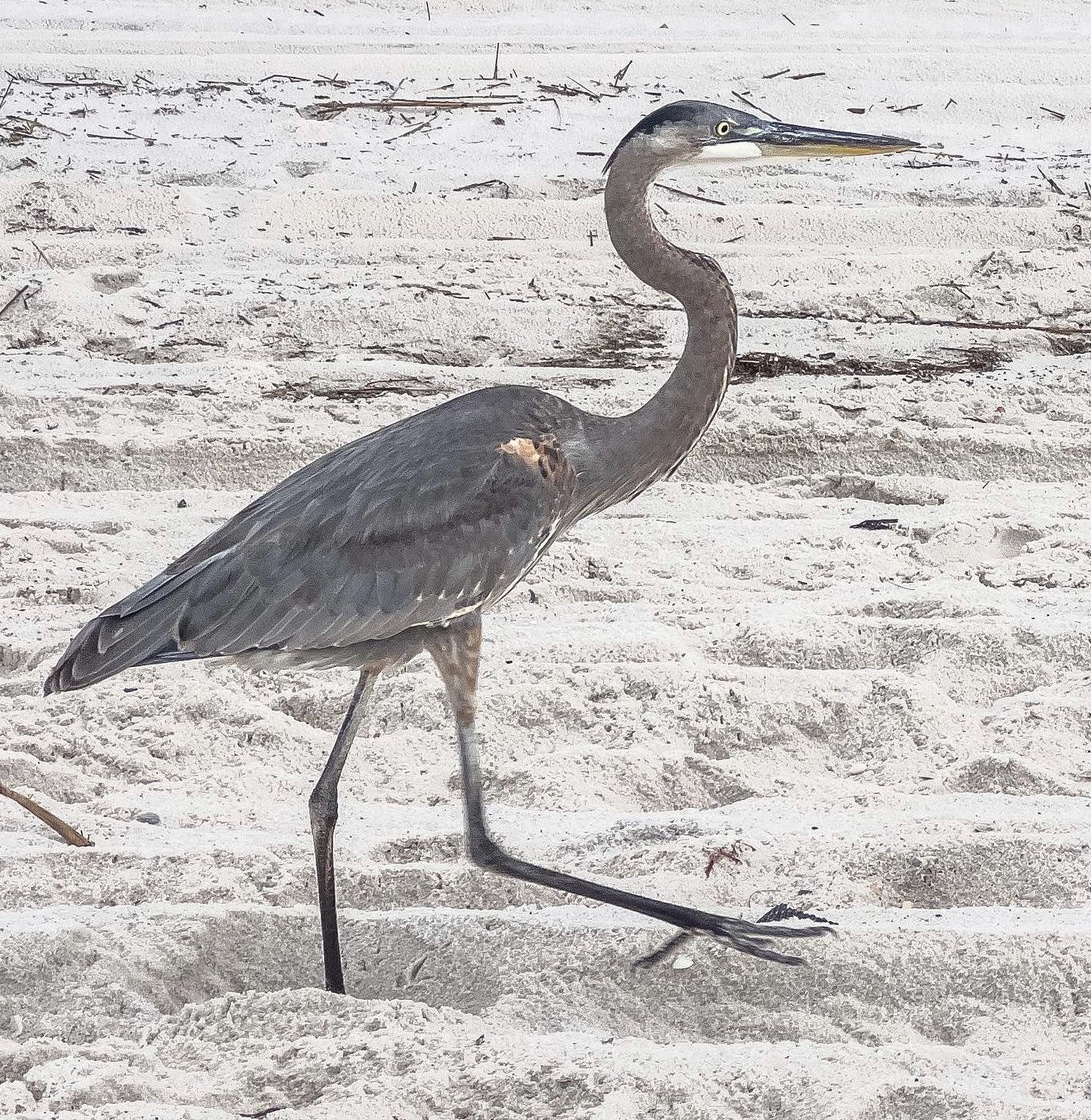
Always on the lookout for a photo wanting to be a poem, I pay attention to photography on Instagram. James Edmunds often posts amazing photos from his travels with Susan. James and Susan live in my neighborhood and have been friends of ours for years. James has a wit comparable to his good friend, author Calvin Trillin. He posted this photo of a heron taken in Gulf State Park, Alabama on his most recent jaunt into nature with Susan. Not only did the picture attract my eye, but his clever wordplay caption made me chuckle.
Inside every heron is… hero! by James Smith Edmunds
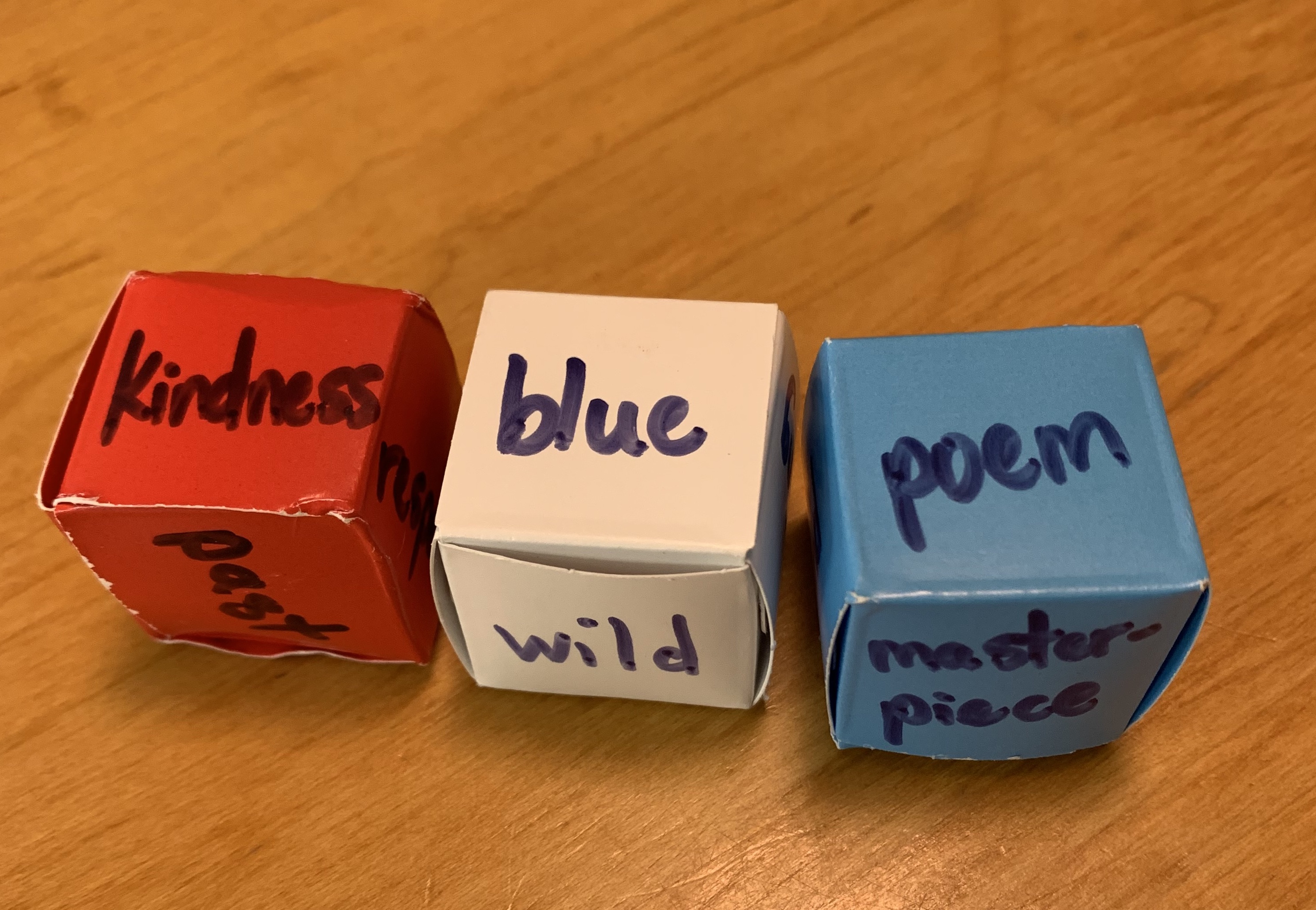
I’ve been playing with metaphor dice lately, and thanks to Taylor Mali, now have a set of make-your-own dice. I rolled and got this metaphor. “Kindness is a blue poem.” Even when you make your own, they stretch the brain cells.
Kindness is a blue poem written for the hero who makes me smile.
Margaret Simon, draft
Now it’s your turn. You can use the metaphor dice roll or not. As always, support other writers with comments. I am considering making a Facebook group to expand our horizons a bit. Let me know your thoughts. If you don’t already, follow me on Facebook @MargaretGibsonSimon.
Thank you to Two Writing Teachers for creating an amazing community of writers and a safe, welcoming space to write and share.
The last two weeks have offered a wealth of writing inspiration as we participated in #write0ut, a National Writing Project and National Park Service collaboration. Teaching gifted kids challenges me to find quality writing activities that will inspire, motivate, and engage my young students. #Writeout 2021 did not disappoint. And the resources will remain available on the website here.
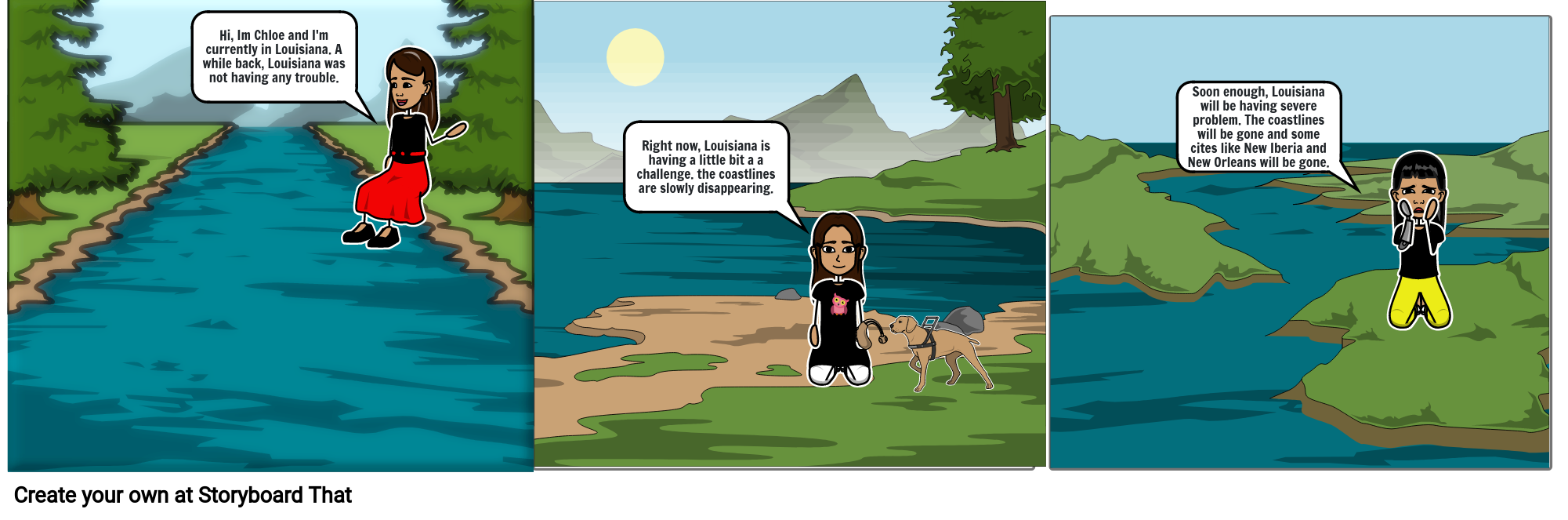
My students have created storyboards with Storyboard That about geological changes over time.
Chloe’s storyboard about Louisiana’s loss of wetlands.
They wrote poetry. Things to do if you’re a puppy by Avalyn:
Pound on a window when you want to go on a walk, purr when you want pets. Go outside and dig when you’re bored. Lastly only bark when you’re in danger.
Avalyn, 2nd grade
On Friday, we ventured outside to the playground. At one school, there is a large live oak. My students sat underneath the tree for writing inspiration and gathered natural materials to create an art piece.
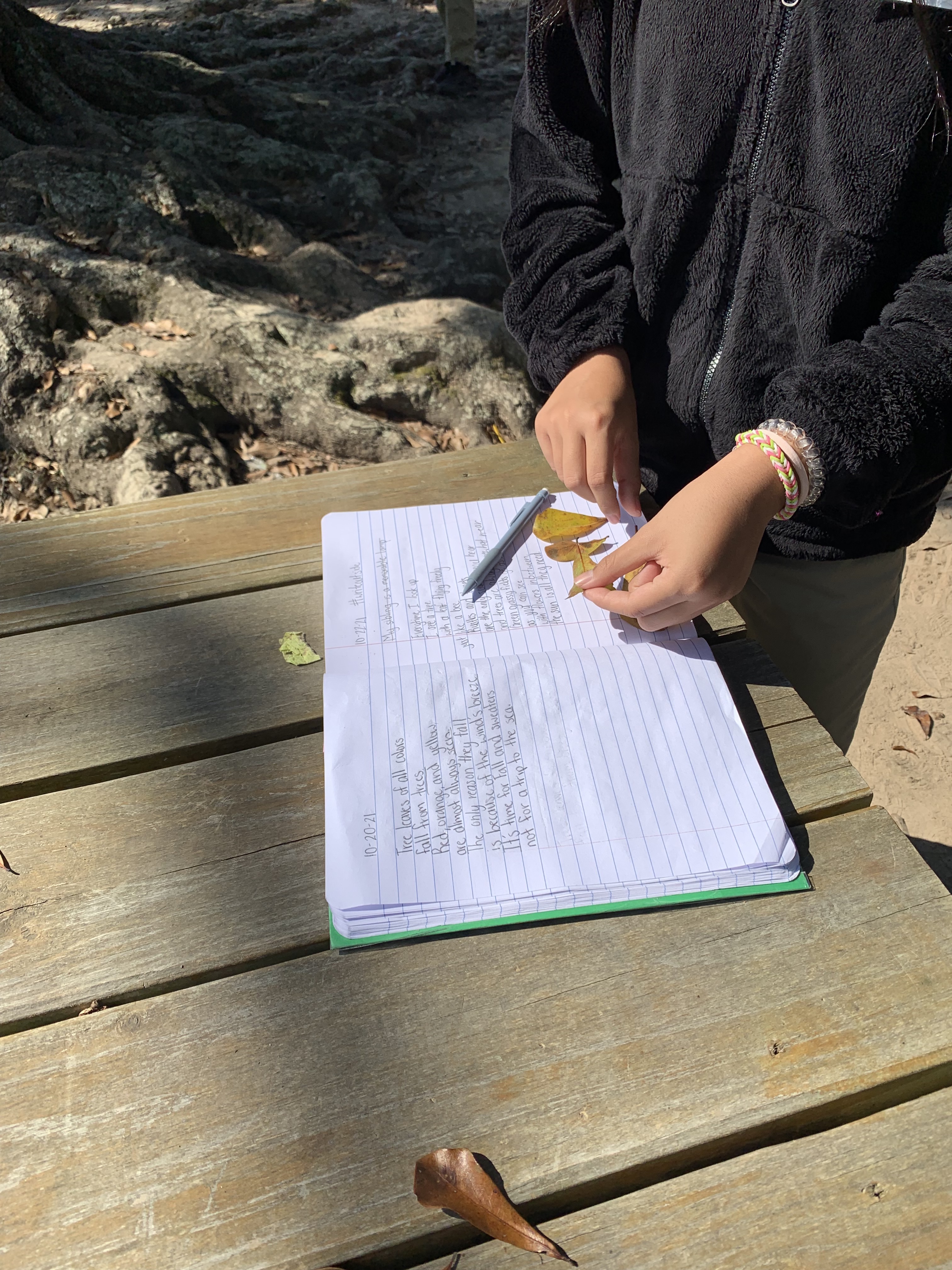
Katie gathers leaves for her notebook.
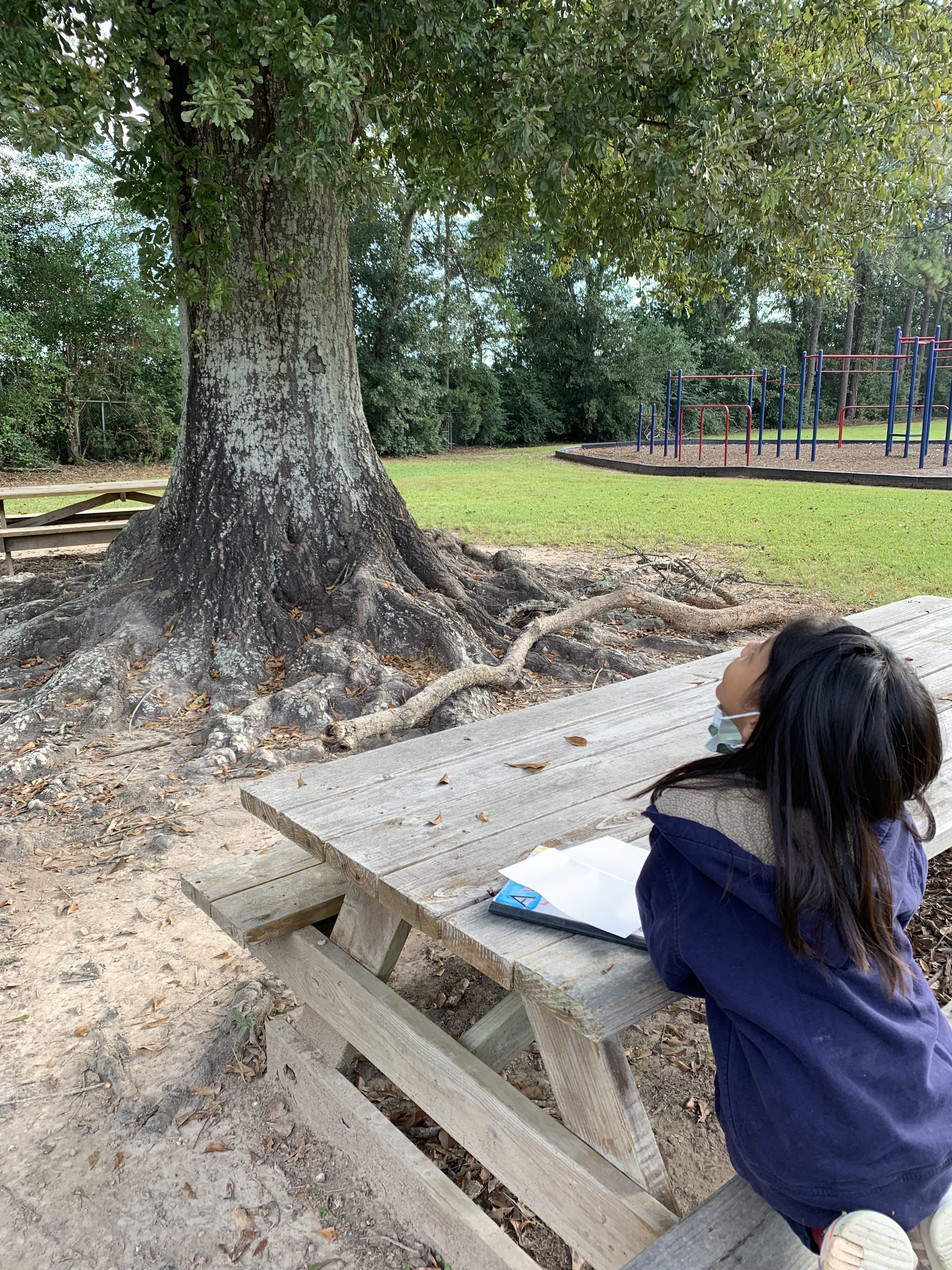
Avalyn observes a live oak tree.
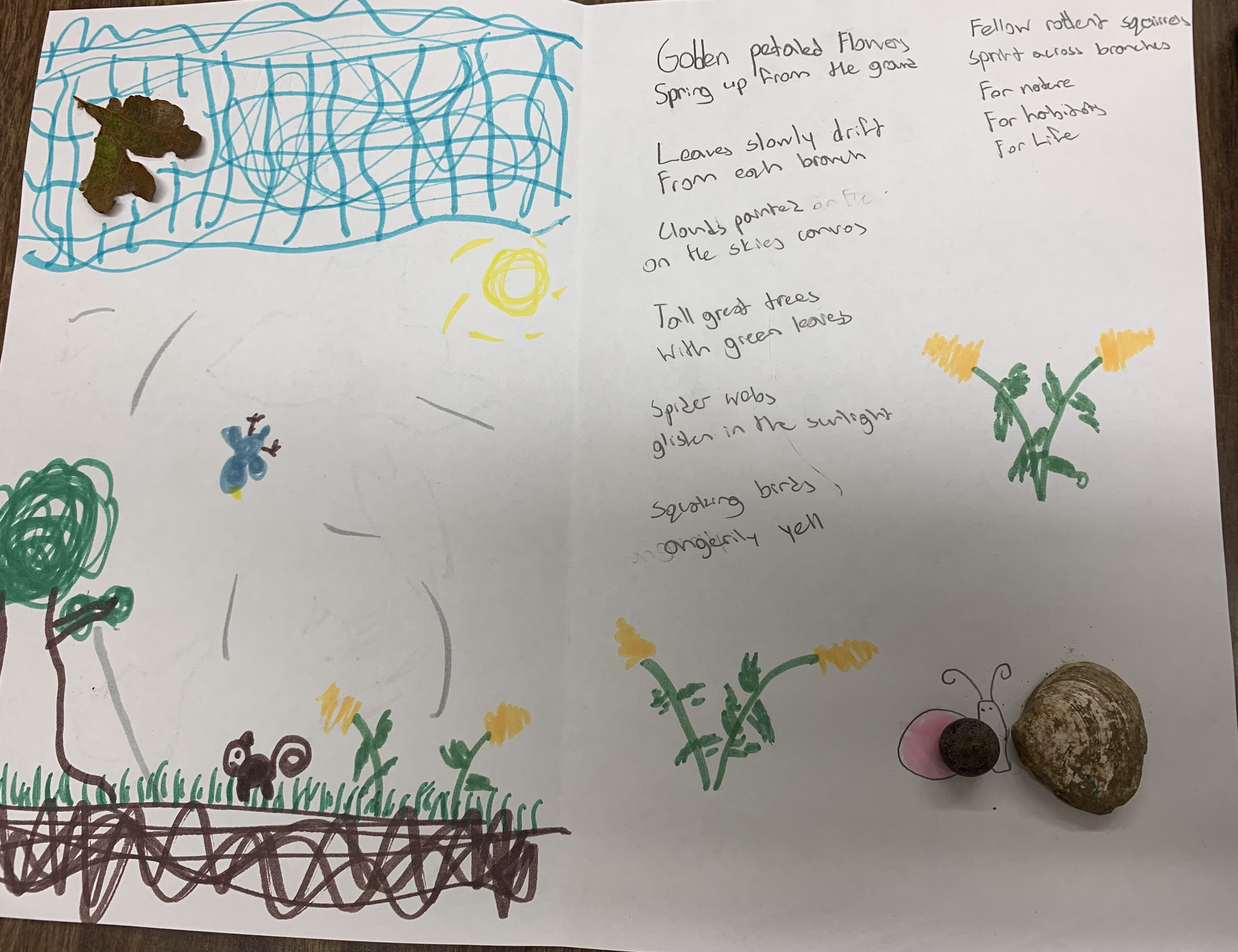
Jaden’s are collage and poem
Golden petaled flowers spring up from the ground
Leaves slowly drift from each branch
Clouds painted on the sky’s canvas
Tall great trees with green leaves
Spider webs glisten in the sunlight
Squawking birds angrily yell
Fellow rodent squirrels sprint across branches
For nature For habitats For life
Jaden, 6th grade (form inspired by Irene Latham)
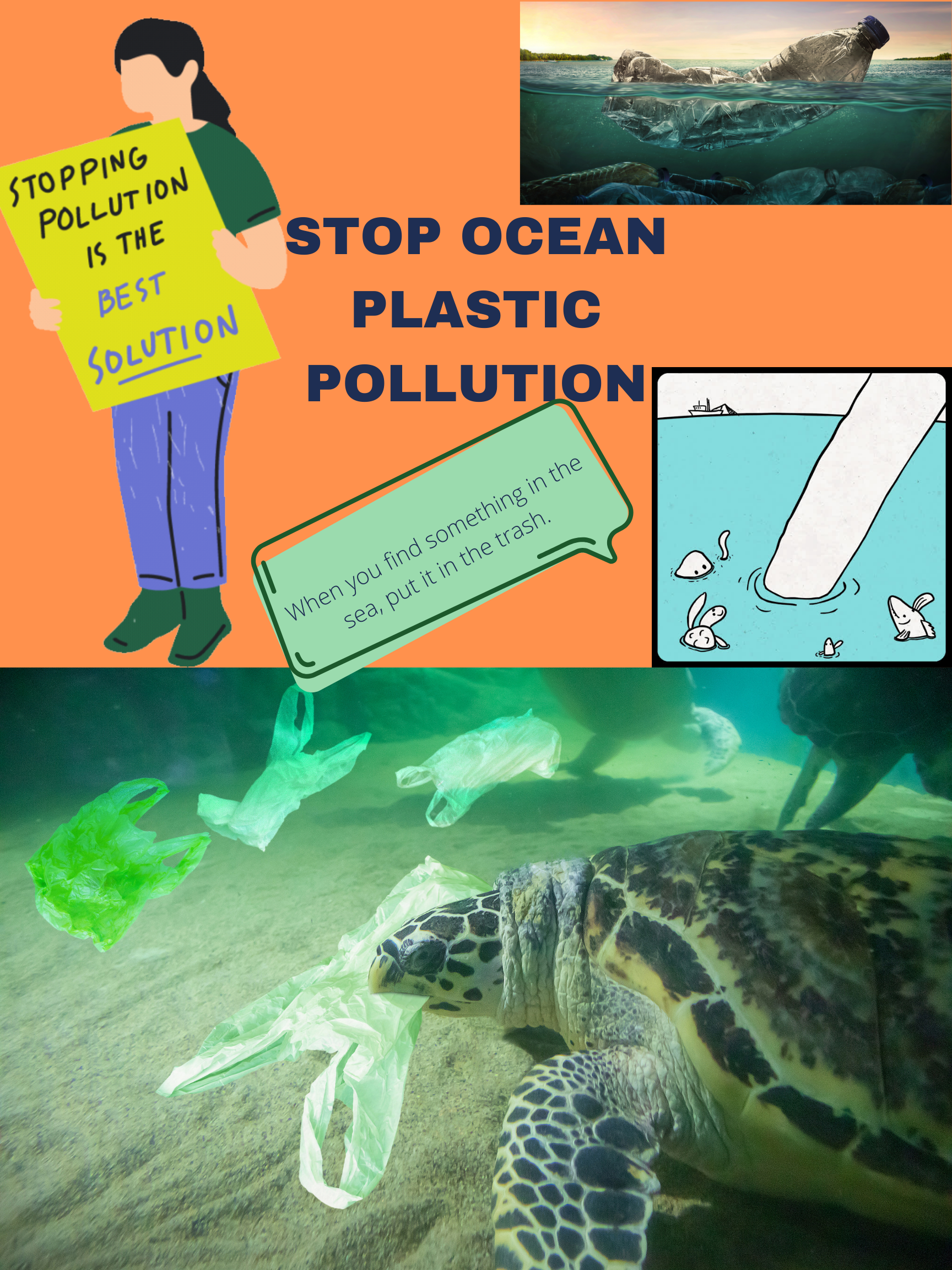
Another #writeout prompt asked students to make a poster. We used Canva and Adalyn create this one. On Canva it’s animated. You can view the animated version here.
Reading has begun for Cybils Round One. I am judging once again in the poetry category. This is such a treat, to read new poetry books and select my favorites. Stay tuned…
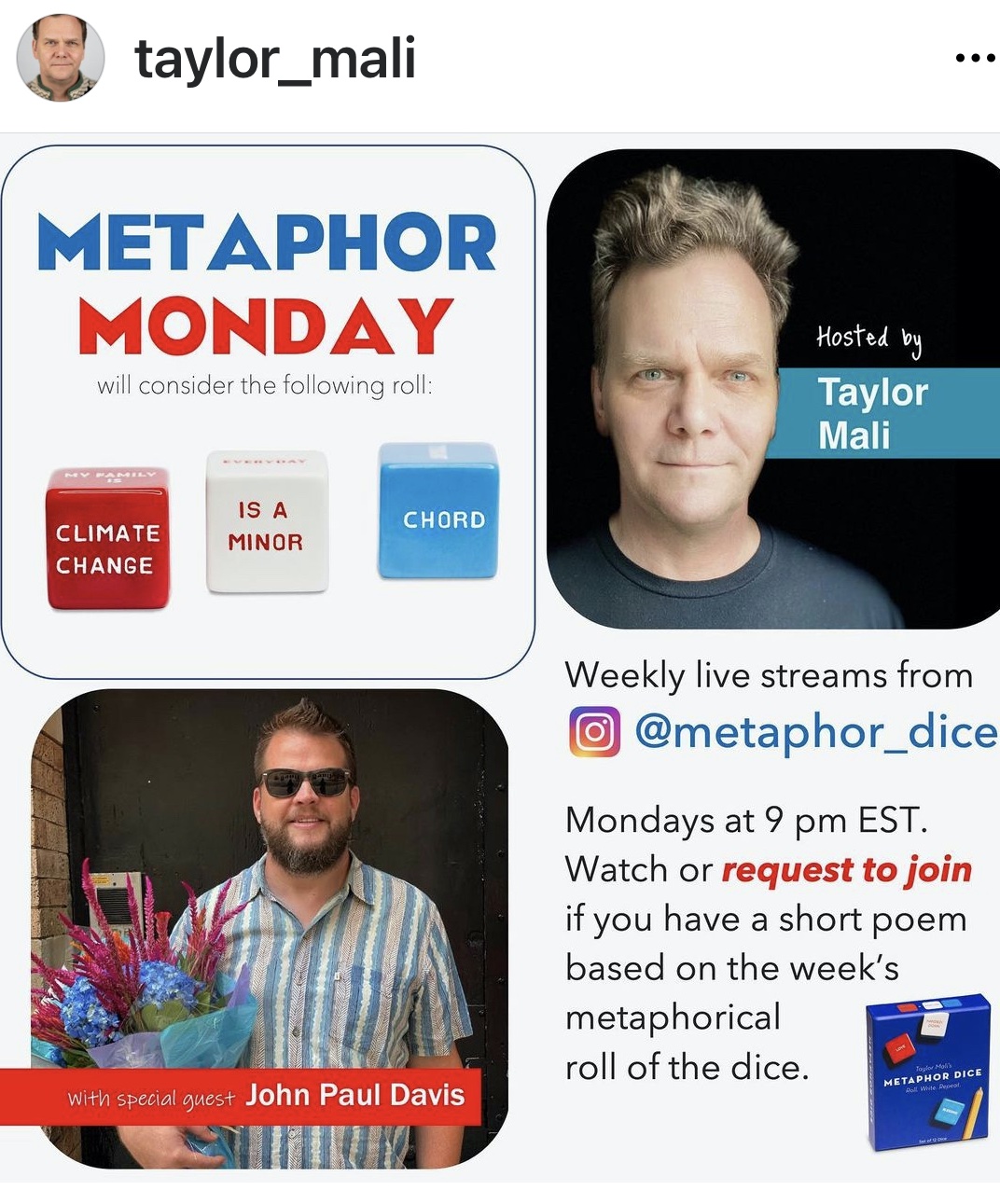
This week we had a special visitor in my 6th grade gifted classroom. One of those serendipitous things about blogging and connecting with authors is exposing my students to real authors doing the work. Taylor Mali joined us on Tuesday. Prior to the visit, he sent a package of create-your-own metaphor dice. Here’s a link to order some. We struggled with deciding which words to put on our own set of dice. We made lists in our notebooks of concepts, adjectives, and objects. I’m glad we had a little struggle because we could ask questions of the master.
Jaden asked, “What is the difference between a concept and an object? Isn’t “father” an object?” Taylor was quick with the answer. He explained that many people like to write about their fathers and mothers in a metaphorical way, more like a concept than an object. He went on to tell the story of a student of his who wrote about their father as shattered glass. “I can still see myself in the shattered pieces.”
We shared our own metaphor poems and he offered feedback. One of the things he noticed in my students’ poems was the absence of their own lives. He talked about how poetry should be beautiful language, yes, but also should be the truth. He suggested ways that they could put more of their own life experience into the poems they wrote.
I tried this idea myself with a roll of my own homemade metaphor dice. The roll I got was “The past is a soft wind.” I was pleased that Taylor’s advice to my kids resonated with me, and I tapped into a true story from my childhood.
The Past is a Soft Wind
blowing wind chimes in the old cypress tree, ringing like a distant train that left the station years ago.
The year we drove to Morton, Mississippi for Thanksgiving and gathered pecans with great grandfather. We thought he was 100 years old. He knew things–
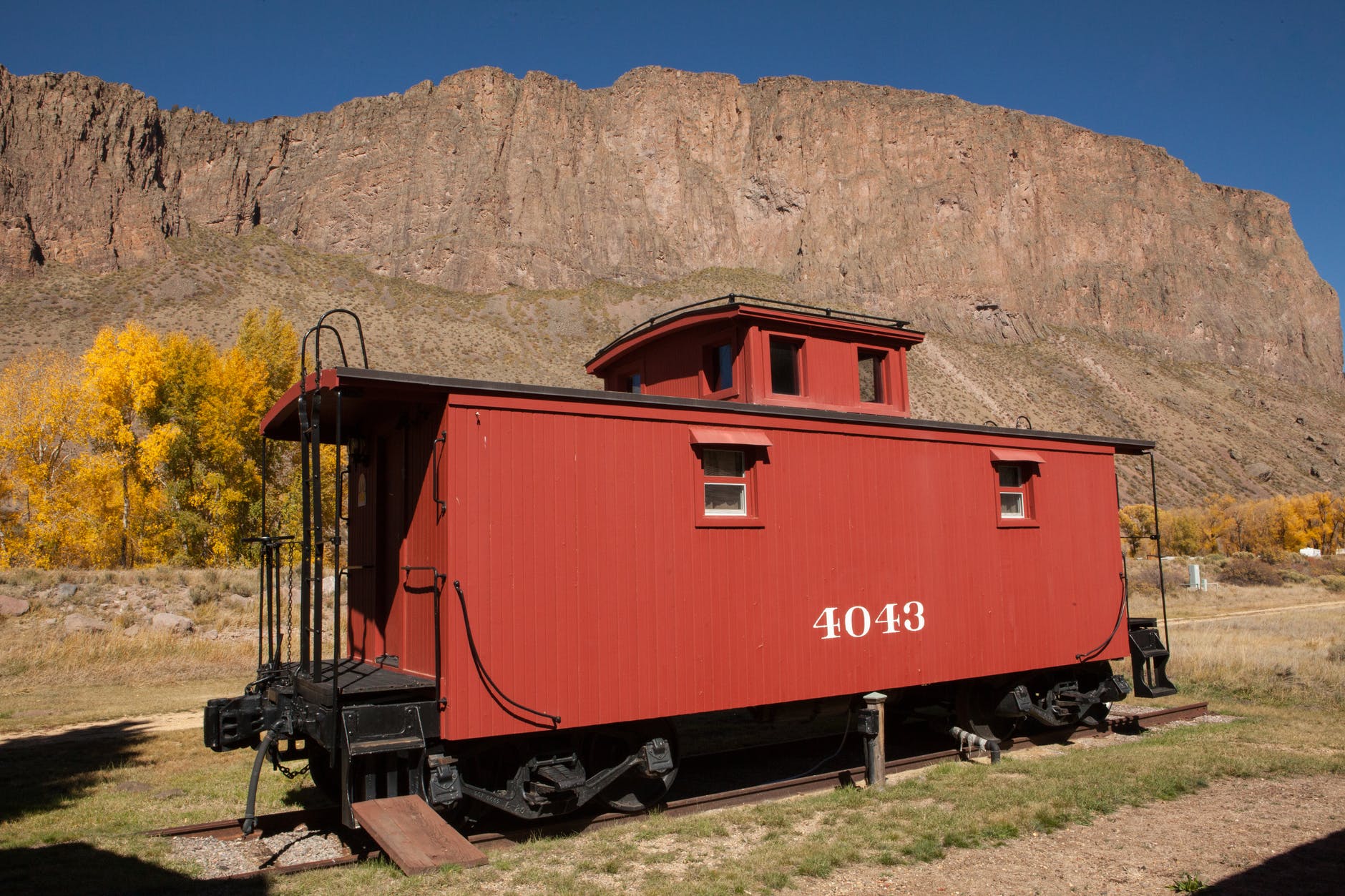
How to crack pecans in the palm of his hand and how many minutes from the engine to the caboose. We stood together watching, counting, waving to the conductor who, as that red house rounded the curve, always waved back.
Margaret Simon lives on the Bayou Teche in New Iberia, Louisiana. She is a retired elementary gifted teacher who writes poetry and children's books. Welcome to a space of peace, poetry, and personal reflection. Walk in kindness.







 Reflections on the Teche