Feeds:
Posts
Comments

Archive for the ‘Digital Learning’ Category

Please use this button on your site for DigiLit Sunday posts

Please use this button on your site for DigiLit Sunday posts

Participating in the Global Read Aloud has changed the tone in my classroom. As I’ve mentioned before, we are reading Fish in a Tree by Lynda Mullaly Hunt. The story is realistic and takes place in a 6th grade classroom where there are all types of kids, the cut-up, the bully, the follower, the smart one, and Ally who believes she is dumb. My students are getting a good long look at these characters. They talk about them as if they know them. We are starting to even use them as labels, “Don’t be a Shay.” (Shay is the smart-aleck bully.)

This week was Global Read Aloud Random Acts of Kindness week. We watched a video from Amy Krouse Rosenthall, an author whose book is also part of Global Read Aloud. In her video, she does kindness pranks by leaving a box of Ding Dongs at random houses, ringing the doorbell, and running away. My kids loved this idea. They wanted to do it to the teachers, Teacher Pranks.

One student brought in two containers of rocks from Walmart. Her idea came from Cynthia Lord, to write a word message on each rock. They wrote words like love, brave, kindness, etc. on each rock. I brought in brown lunch bags, and with the help of the art teacher, they decorated them. We also had candy and made a batch of lavender bath salts using Epsom Salt. Would you like to get a gift bag like this? My kids made their Halloween party into a Kindness party. They even managed to be sneaky without being crazy.
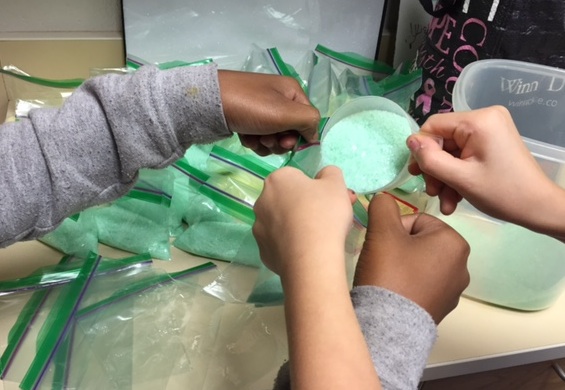
Bath salts: Epsom salt, food coloring, and lavender scent.
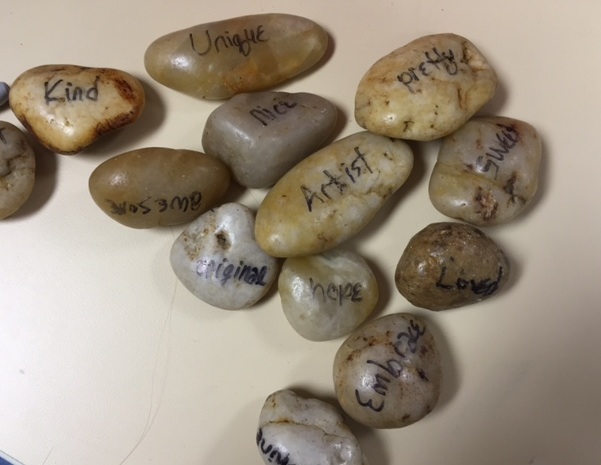
Bath salts: Epsom salt, food coloring, and lavender scent.

Kindness rocks

Kindness rocks

Last week we wrote Fib poems. I posted about them here. I invite any class reading Fish in a Tree to write Fib poems about the characters and add it to our padlet.

If you have written a recent Digital Literacy post, please leave a link.

Read Full Post »

Please use this button on your site for DigiLit Sunday posts

Please use this button on your site for DigiLit Sunday posts

When my student Vannisa wanted to write a fall poem, she looked to the skies. She wrote this poem including the science of meteor showers that occur in fall.

As We Fall

As we fall into winter,
the weather chills
and the leaves come down.
They fill the ground with
a fiery red
and blazing orange.

As we fall into winter,
we can no longer watch fireworks
like 4th of July,
but we can watch
the shooting stars of
Orionids and Leonids
and watch the days get shorter
until Spring comes back again.
–Vannisa

She had a blog comment on her poem asking her more about the Orionids. When she was looking for something to research for her Wonder of the Week, I suggested the meteor shower. Each week I have my students use Wonderopolis to read nonfiction and respond by writing about what they learned. They then have the option to create a class presentation using technology.

Vannisa had to expand her research beyond Wonderopolis and this was my intent all along, that some little spark would send my students into real, authentic research.

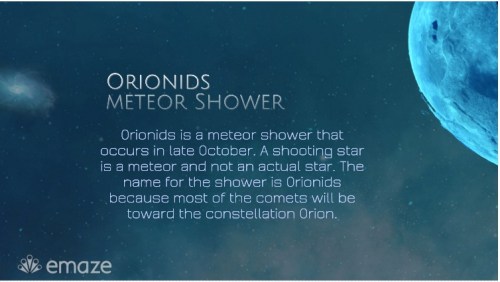
Click the image to view the Emaze.

Click the image to view the Emaze.

Know: Orionids is a meteor shower that occurs in late October. A shooting star is a meteor and not an actual star. The name for the shower is Orionids because most of the comets will be toward the constellation Orion.

Wonder: What Causes a Shooting Star?, Where Is the Big Dipper?, How Many Stars Are In The Sky?

Learned: A meteor is formed from rock that burns up in Earth’s atmosphere, causing it to look like a streak of light in the sky. A piece of a meteor is called a meteorite. The Big Dipper is mostly referred to as a constellation, but it’s actually an asterism. Our galaxy has about 200 billion to 400 billion star. Scientist predict that there are 100 billion to 200 billion galaxies in the universe. Based on the latest estimates, astronomers guess that there are 300 sextillion stars in the universe which is 300,000,000,000,000,000,000,000. That is 1 billion times 1 billion times 3!

Burning Question: How did they find out how many stars there are?
https://www.emaze.com/@AICIROTW/orionids

Days when learning and creativity come together I realize the true joy of discovery. I strive to give my students the open door that will lead them on their own journey of learning, not down a path I have designed, but one they have chosen. It doesn’t happen every day. But with Vannisa and her spark of interest in meteor showers, these two paths converged and made meaningful learning. Through blogging, she was able to share it with others. Win. Win.

Add your own Digital Literacy posts here:

Read Full Post »

Please use this button on your site for DigiLit Sunday posts

Please use this button on your site for DigiLit Sunday posts

This week I joined a Voxer book club organized by Kathleen Sokowolski from the Two Writing Teachers around Lise Eickholdt’s book Learning from Classmates. The conversation is inspiring and thoughtful. I am getting many ideas about supporting the writing in my classroom. I am also able to share in a safe place about my own triumphs and failures.

(We’re only one chapter in, so if you want to join, contact Kathleen.)

In the book, Lisa encourages us to use student work to notice, name, and note a craft move within a student’s writing. Her book features real images of real writing done by kids with all the flaws and the filled in bubble exclamation points. Most of the writing my students do is on their blogs, so this is typed. I actually love this because when I am looking for text to use to mentor a writing move or to teach a grammar skill, it’s there at my finger tips. When I want to feature student writing here on my own blog, I can copy and paste it straight on over.

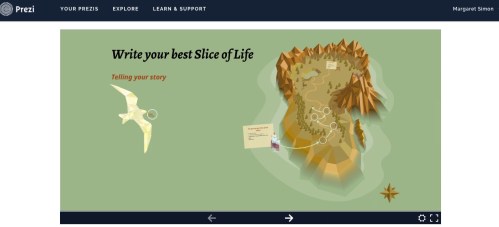
My students write a Slice of Life story each week. I am trying to push them to elaborate more and one of my students just point blank asked me for a lesson on how to do that. I have not been a huge fan of Prezi as a tool for presentations in the past. The other day I opened it up just to give it another shot. I chose a pre-formatted background, so the rest was easy.

Feel free to share and use this presentation. You may even be able to edit and add in your own student mentor text.

Click on this image to go to the Prezi.

Click on this image to go to the Prezi.

If you want to join this week’s round up of Digital Literacy posts, please leave a link.
Read Full Post »

Please use this button on your site for DigiLit Sunday posts

Please use this button on your site for DigiLit Sunday posts


Choice is very important in my classroom. By giving gifted students choice, I honor them as learners. When they make their own choices, they are more apt to move through the process willingly and motivated to create a good product.

This week was the final week of our first nine week grading period. Each quarter I require a book talk. My students are avid readers and enjoy the opportunity to share with their classmates about their reading. The rubric includes use of technology as well as basic book talk points, such as plot, characters, setting, and theme. Within the rubric is choice about the technology used.

Powtoon was the favorite this week. It’s not mine, but my students love all the animated characters. They even sing along with the ending, “Created using Powtoon!” I cannot tell you much about how to use Powtoon. My students figure it out, though. It is kid-friendly, especially those kids who spend a lot of time playing computer games.

Tobie’s Powtoon about The Lost Hero by Rick Riordan.

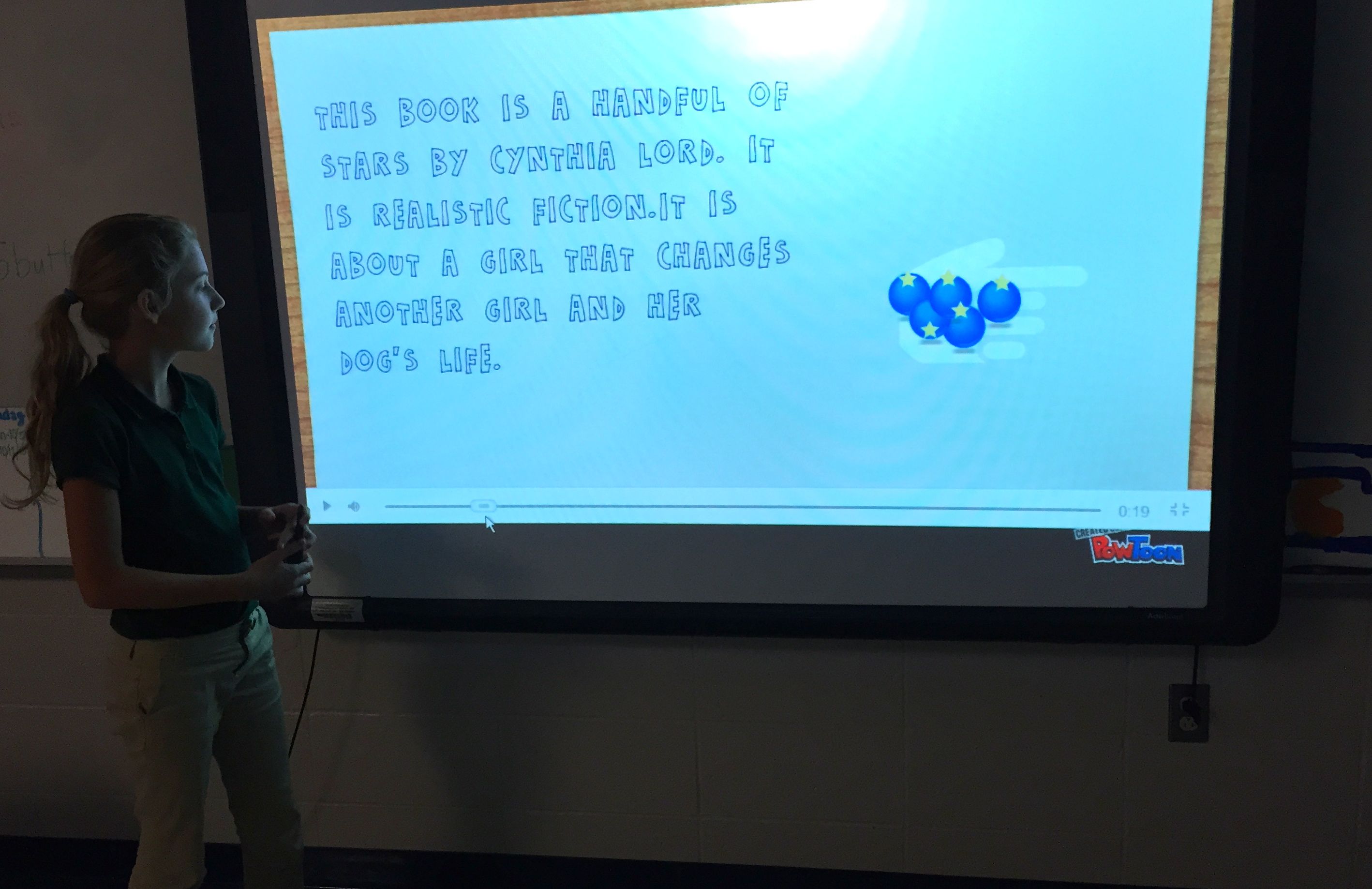
Emily presents A Handful of Stars on Powtoon. Notice the hand with blueberries.

Emily presents A Handful of Stars on Powtoon. Notice the hand with blueberries.

Powtoon is free. There is a premium version that I don’t pay for. My students adapt well. When Emily couldn’t find two girl figures for her characters, she used a boy and labeled his head with the character’s name. She also figured out how to layer images to create an image she wanted, a hand full of blueberries. I love how Powtoon allows for creativity of design and makes the students feel like animators. They were all proud of their Powtoons.

If you are writing about Digital Literacy, link up your post below.

Read Full Post »

Please use this button on your site for DigiLit Sunday posts

Please use this button on your site for DigiLit Sunday posts

Voxer is my current favorite app on my phone. It’s like having a Walkie-Talkie to all your friends in your PLN. Last week, Kathleen Sokolowski from the Two Writing Teachers site posted about her use of Voxer. She then invited us to participate in a Voxer book club around Lisa Eickholdt’s book Learning from Classmates: Using Students’ Writing as Mentor Texts. My copy arrived yesterday. Kathleen is currently collecting participants, so if you’d like to join a lively bunch of writing teachers talking about classroom practices, email Kathleen at mrs.sokolowski at gmail.

Another Voxer group that I love is my Writing about Reading group. This week I had a triumph and a fail, and this group was there for me. I had a place to celebrate and a place to vent.

On Voxer, you can leave text messages or voice messages. The voice is a powerful tool. I’d like to explore this tool with my students. I am participating in Global Read Aloud reading Fish in a Tree by Lynda Mullaly Hunt. My kids can’t wait to get started. I would like to connect with a class through Voxer. I haven’t quite wrapped my head around how it would work, but my thinking as of now is this. We could pick one student each day to speak for the class. The message could be a notice or a wonder about the book. What do you think? Please email me if you would like to connect our kids through Voxer.

If you are blogging about Digital Literacy, please link up your post.

Read Full Post »

Discover. Play. Build.

Ruth Ayres invites us the celebrate each week. Click over to her site Discover. Play. Build. to read more celebrations.

chalk button 14

Fall is in the air…Whew Hoo! Morning temperatures almost require a jacket. Yesterday morning one of my students exclaimed, “It’s freezing!” I laughed. Because after daily temps in the 90’s, the 60’s feel like freezing.

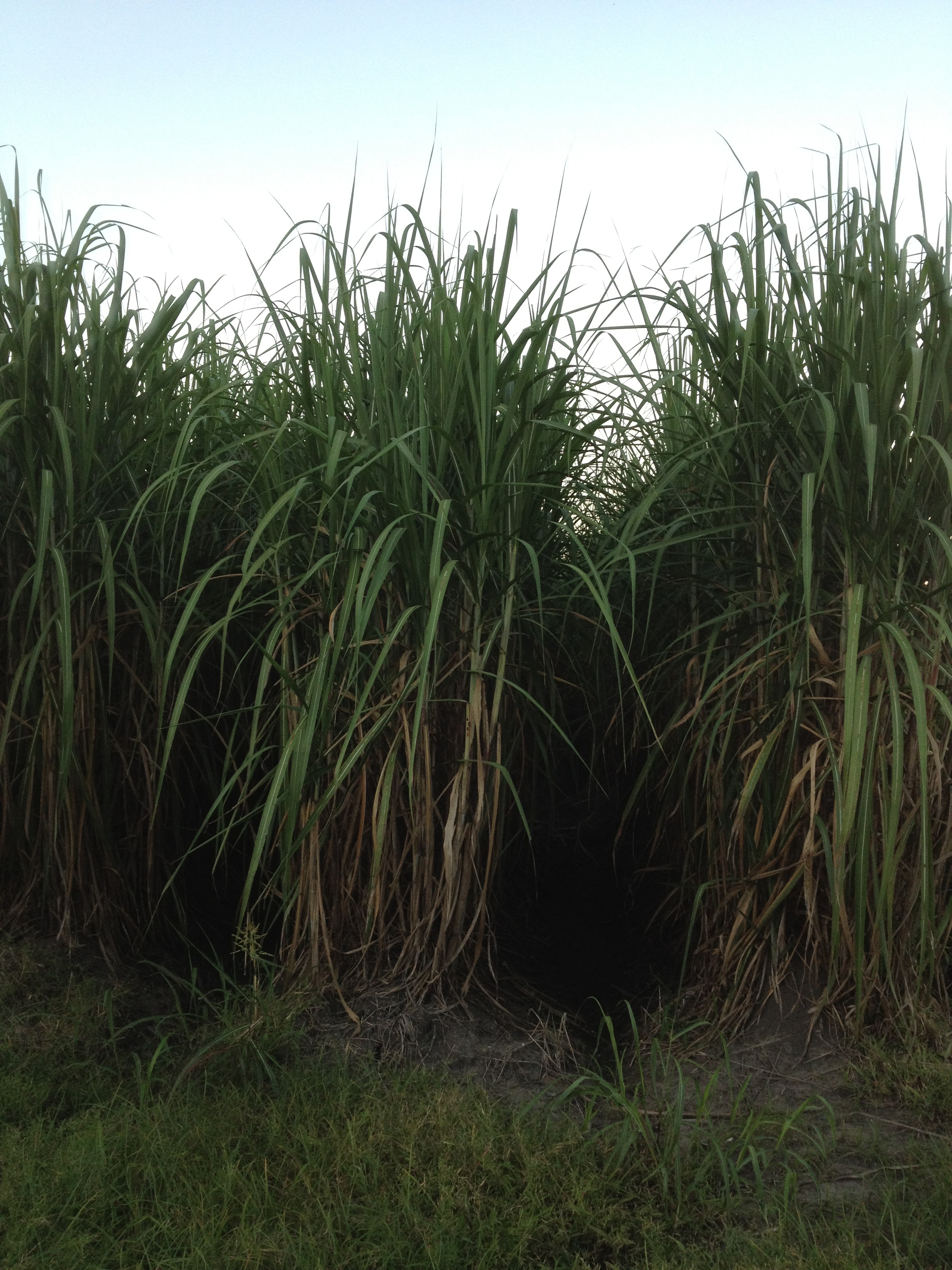
The sugarcane is at its tallest. I drive to school through walls of tall sugarcane. Soon it will be harvested and the fields burned and the scent of sweet smoke will make fall-scented wind.

sugarcane 1

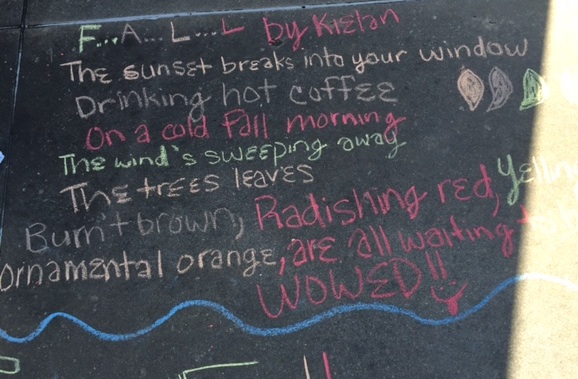
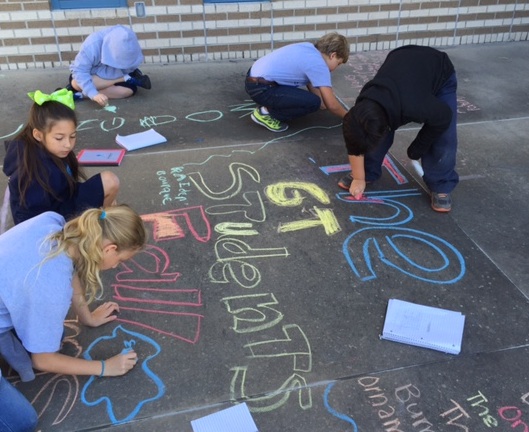
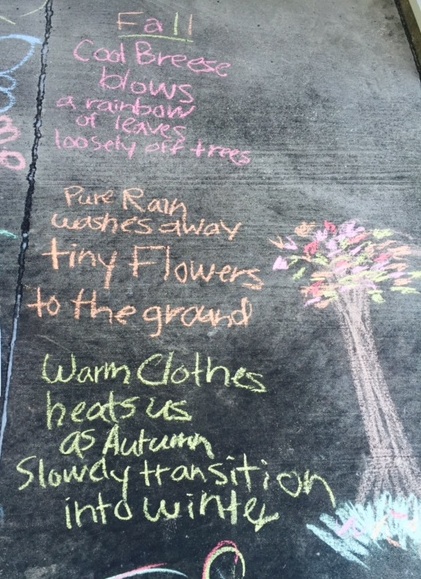
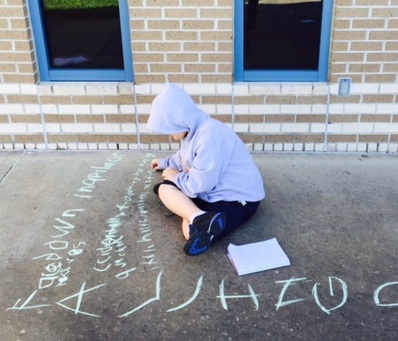
My students love the end of the month Chalkabration time. We pulled out the colorful fall colors and chalked poems. We had been discussing imagery in writing, so I was pleased to see imagery in their writing.

Kielan fall chalk

Chalkabration group

Emily fall poem

Tobie chalking

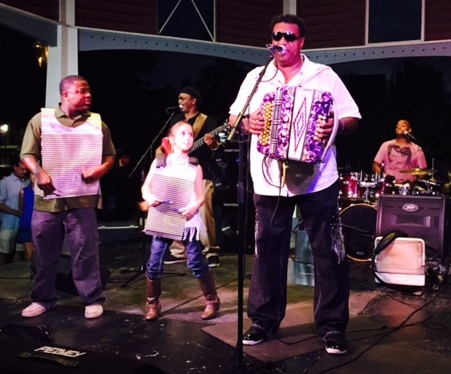
My husband and I love to dance. Thursday night we actually skipped our dance lesson to go dancing. One of our favorite bands was playing. The night was perfect. The crowd was amazed by the young rubboard player. She was incredible, dancing and playing along in beat with the band.

Chubby Carrier

Chubby Carrier

A shout out to my blogging friend, Holly Mueller. She wrote about her students responding to Malala Yousafzai’s Nobel Peace Prize speech with a hashtag. We watched the speech this week. My students were enthralled. They created hashtags and wrote passionately about her influence.

My hashtag is #inspirational because Malala gives the best advice in my point of view. Here are some of my tough questions and the answers to them. My first question is ”Why should girls go to school?” This is a question that Malala asked. I would say that the answer to this question is: girls should go to school because they should be and hopefully will be treated like every one else in humanity!!! Why do they even need a reason to go to school???? WE GIRLS MATTER!!! –Lani

#TakeALeap

“We have already taken many steps. Now, it is time to take a leap.” Malala believes that we have a done a lot to fight for children’s right to education. She believes that this should be the last time to fight for education. Every child deserves this because we are the next generation in the world and we can’t make it great if we can’t simply go to school to learn. –Vannisa

Read Full Post »

Please use this button on your site for DigiLit Sunday posts

Please use this button on your site for DigiLit Sunday posts

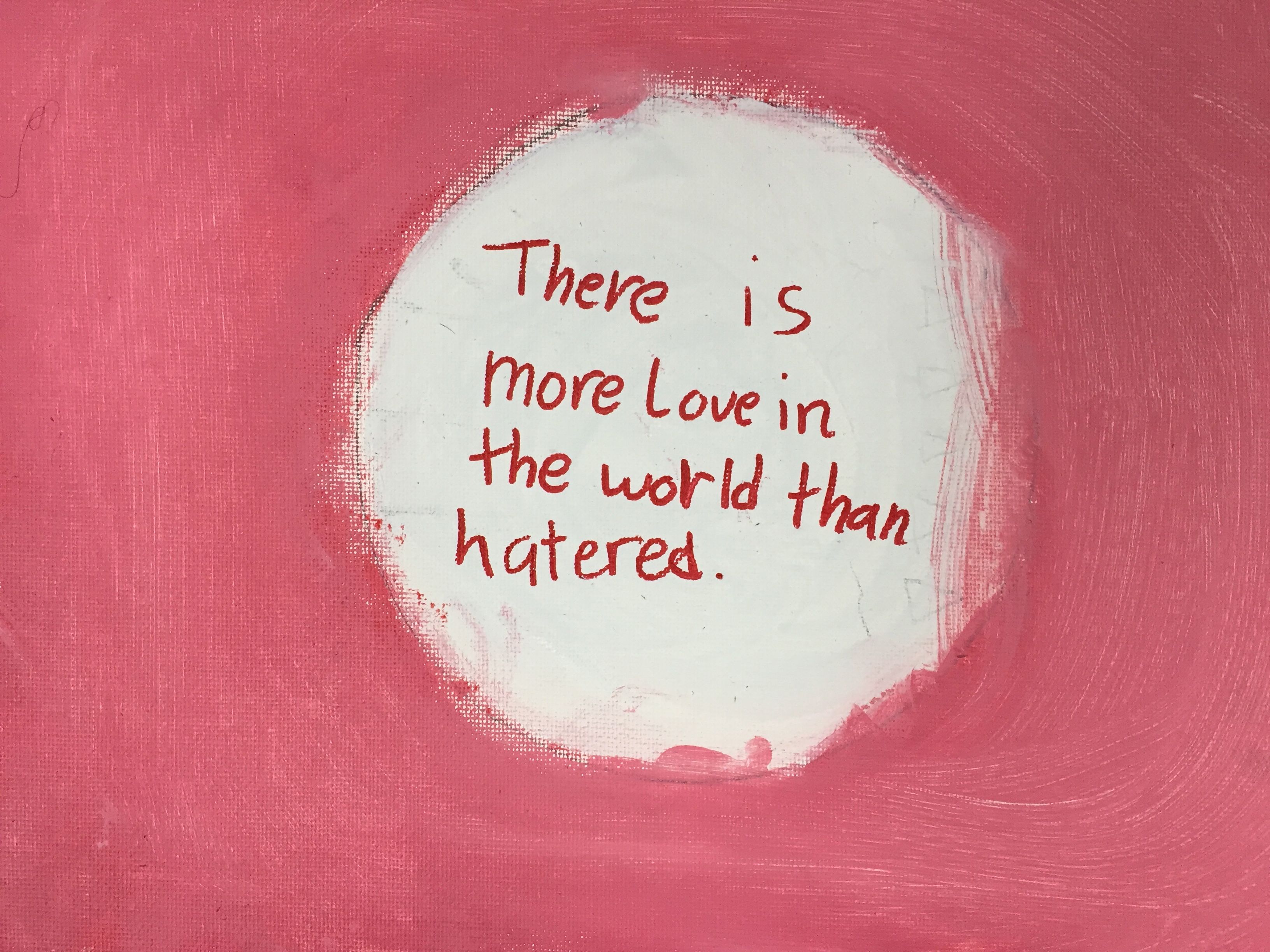
more love Erin

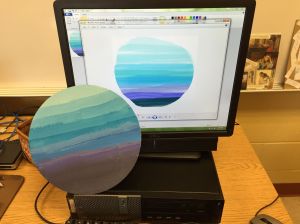
If you came by here in the last few days, you’ve seen that we celebrated Dot Day this week with younger students. We created a collaborative poem about our dots, and I made an Animoto video. The post is here.

In my Voxer conversation about Writing about Reading, someone (I think it was Phyllis Sutton, but I’m not sure) suggested trying out Sway as a presentation platform. Sway is new to me. I wanted to give it a try before telling my students (and you) about it.

The platform is similar to PowerPoint in that you add slides. The slide can contain a graphic and text. I saved my Dot Day pictures in Dropbox. It was easy to navigate back and forth using tabs. The end product looks like a board similar to Padlet. To navigate to each slide, you scroll.

I plan to introduce my students to this new app and add it to our ever-growing list of presentation apps.

Click on the picture to go to the Sway. Because of the private images, I set it so that only those with a link can view it. That’s yet another cool feature of Sway. Try it out. Let me know what you think.

Click here to see our Dot Day Sway.

Click here to see our Dot Day Sway.

https://sway.com/GxT4H-TAydjrL6be

Next week, there will be no Digital Literacy Sunday because I will be traveling.

Read Full Post »

Please use this button on your site for DigiLit Sunday posts

Please use this button on your site for DigiLit Sunday posts

This year I am trying out a new weekly assignment, Wonder Wednesdays. My students are required to choose their own wonder from Wonderopolis, read the information, and write a paragraph or two about their topic. I thought this would give them practice in nonfiction reading along with practice in writing informational paragraphs. I also wanted the element of choice involved. The students have been getting so excited about what they are learning that they can’t help but want to share. So I told them they could do a Wonder Presentation once each grading period.

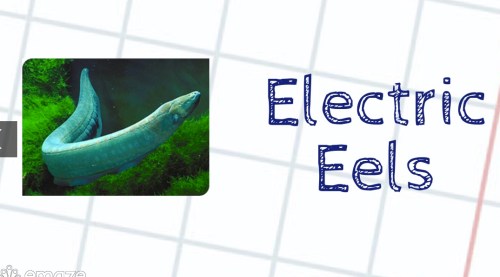
Emily was the first to present this week. She became interested in electric eels. This proves how important choice is. I would never have thought she would be interested in eels, of all things, but her family went to the Aquarium this summer, and she saw a live one. When she discovered from Wonderopolis that electric eels are not actually eels, she wanted to “trick” the class. Not only that, she created a quiz and kept up with points making the whole presentation totally engaging.

electric eels

https://app.emaze.com/@AIRTFIRQ/are-electric-eelsPowered by emaze

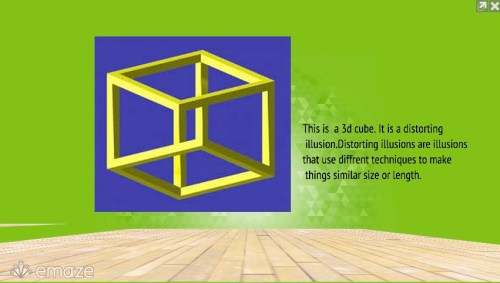
Andrew, 3rd grade, researched optical illusions. I had no idea there were different types. I encouraged him to try Emaze as a format for presenting his topic. Andrew is a gamer who is no stranger to technology. He created this presentation with ease. I love that this is a format that even my youngest students can use. Click on the image to see his presentation.

optical illusion

I am pleased that Wonder research has materialized into a student-led classroom. I value learning that is student-driven, when I can stand on the sidelines coaching, troubleshooting, and cheering them on.

Link up your digital literacy posts.

Read Full Post »

Please use this button on your site for DigiLit Sunday posts

Please use this button on your site for DigiLit Sunday posts

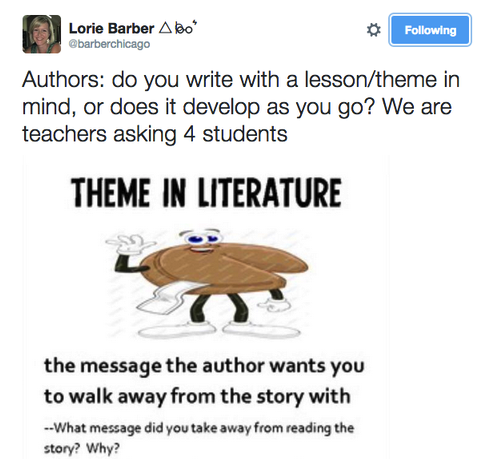
I have been having a Voxer conversation with some teachers on the subject of Writing about Reading #WabtR. Last week we discussed theme and the difficulty students have in identifying the theme of a given story. So I wondered, what if we give them the theme up front? Julianne responded with 5 common themes she had gathered from Cornelius Minor at Teachers College Reading and Writing Project #TCRWP this summer.

Lori tweeted out to authors this question.

author theme tweet

The responses flowed in, so I retweeted and tagged some of my favorite authors. I just have to comment here on how cool it is to connect with authors in this way.

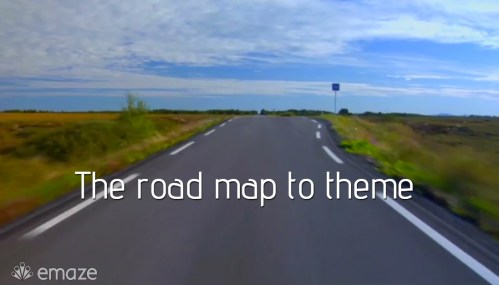
These seeds were planted, so I decided that students needed to see all of this in an interesting way. I created an Emaze presentation. As the week went on, I got more advice from the group and added slides. Students can see the 5 common themes, the progression from topic to theme involving a character change or a problem and solution. I added in a student reader response sample from a 4th grader along with some of the author tweet responses.

Feel free to use this Emaze in your classroom to teach, review, or reinforce the concept of theme. (Note: On the slide with the video, you have to pause the presentation to be able to watch the video.) I’d love to hear your results. Tweet @MargaretGSimon with the hashtag #WabtR.

Click on the image to go to Emaze.

Click on the image to go to Emaze.

Join in the DigiLit Sunday conversation with a link to your blog post.

Read Full Post »

Please use this button on your site for DigiLit Sunday posts

Please use this button on your site for DigiLit Sunday posts

Unlike my outside plants that are dying from lack of water, my professional learning network (PLN) is healthy and growing. I have been nurturing my PLN this summer. I joined a group of teachers from around the states discussing writing about reading. We started a Voxer group.

I am totally new to Voxer. It’s novel and fun. Voxer is a phone app that acts like a text message or walkie-talkie. Within the conversation, you can leave a voice or text message. I love hearing the voices of my friends as we ruminate about the process of writing about reading. Now that school has started I am able to use this group to bounce ideas off of and to ask for help and guidance.

This week one of my students wrote about the book he was reading. I wasn’t familiar with the book, so I just sent a message in the Voxer group asking for help in analyzing his reader response. The help came immediately and we used Google docs to communicate further about the writing. How cool is that?

With another group, we’ve started a conversation about student blogging. We met yesterday by Google hangout. We are planning to connect students throughout the year using kidblogs. The connections are still in the planning stage. If you’d like to connect your middle grade kids (grades 4th-6th), let me know.

My PLN is becoming a group of friends. I can call on them with any kind of situation with my students. Last week I received many messages of support and love about the death of a former student. This meant so much to me. Kevin Hodgson responded with a poem. He posted this on Twitter.

Kevin Hodgson

Kevin Hodgson

My digital world is healthy and alive. We are working together to make positive choices about our work with kids. Julianne Harmatz is the pro who can connect you with our Voxer conversations. The Twitter hashtag is #WabtR. This is not a closed community. We are open to new friends, new ideas, and new connections.

If you have a digital literacy post, please link below.

Read Full Post »

« Newer Posts - Older Posts »