Feeds:
Posts
Comments

Archive for the ‘Gifted Education’ Category

Thank you to Two Writing Teachers for creating an amazing community of writers and a safe, welcoming space to write and share.

On Fridays, I usually post a poem for my students to read and discuss. This week we looked at Billy Collins’s poem Today. This has been a favorite of mine for a long time. When I looked back on my blog, I found a poem I wrote after Today in 2011. (See the post here.) My students were shocked by this because none of them were even born at that time.

Today begins with a wonderful line for getting into a poem, “If ever there were a spring day so perfect,” As the poem continues with two lined stanzas, there is no end punctuation until the last line, “today is just that kind of day.” The whole poem is one sentence. I love how this works to make the poem sound more urgent and energized.

I invited my students to use these lines to create their own poems about a perfect day.
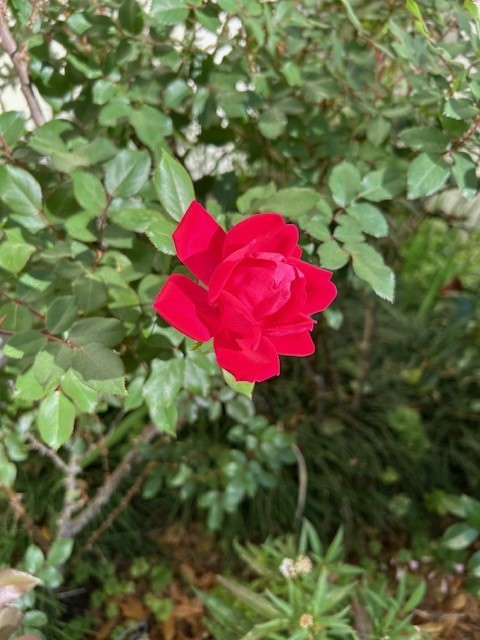
Spring 2025
after Billy Collins 

If ever there were a spring day so perfect,
so full of bird song

that it made you want to join
with your own singing

and open your whole mouth
to the world of nature,

a day when dew drops cool grass,
and the garden roses popping

with red reflect the sun, so much light
that you feel like breathing,

releasing the grief you’ve held in
and cry real tears at the beauty

of it all, walk with light
pink and orange rising before

you, welcoming you with open arms
of rose and green and sky.

Today is that kind of day. 

Margaret Simon, draft

As we head into spring, Avalyn and some other students are still dreaming about the amazing snow we had this winter. She asked if she could write about a winter day. “Of course, it’s your poem.”

If there were a winter day so perfect
so cold with icy air

Could I pretend to hunt ghosts
while drinking a warm cup of hot chocolate

Could I put on layers of clothes
and roll in the snow

Could I sit in my warm bed
watching TV and “being productive”

Could I play outside bands
performing plays

Could I read a book
my best days

Dreaming of presents can you imagine?
Well you can because today is that day.

Avalyn, 5th grade

Read Full Post »

Thank you to Two Writing Teachers for creating an amazing community of writers and a safe, welcoming space to write and share.

If you are a blogger and would like to add a line during National Poetry Month to our Kidlit Progressive Poem, please make a comment or send me an email with a date choice and a link to your blog. Everyone is welcome to play!

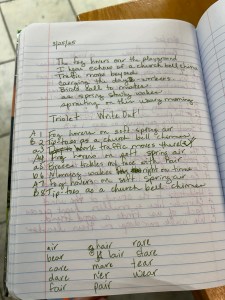
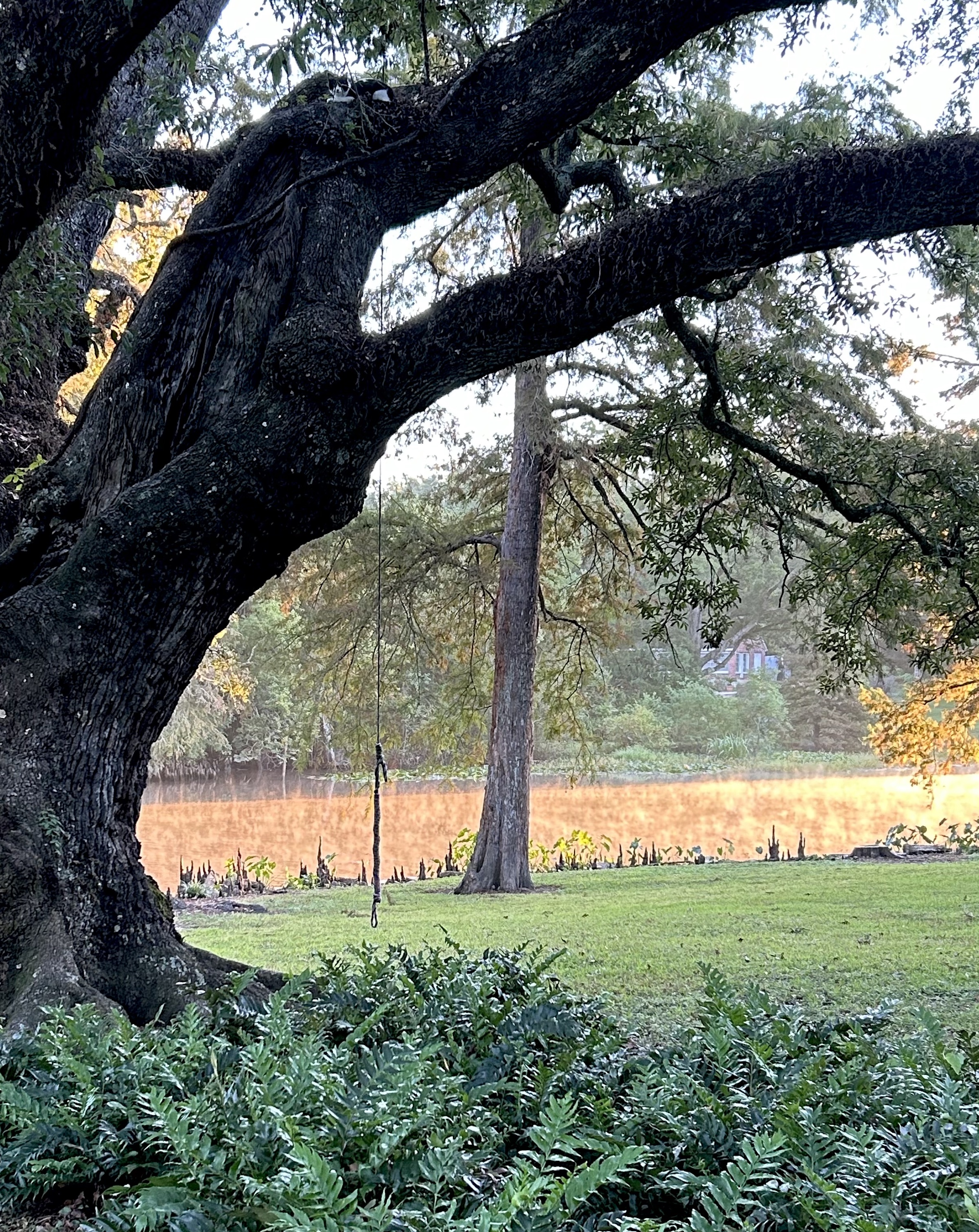
The early morning school playground was covered in a sheet of fog. Avalyn and I went outside to write. This is something she often requests. There is an old oak with a picnic table in a just right spot for writing in our notebooks. I wrote about my surroundings, observations of the morning.

The fog hovers over the playground.
I hear echoes of a church bell chime.
Traffic moves beyond
carrying the day-workers.
Birds call to mates
as spring slowly wakes
sprouting on this weary morning.

Form can give us a container for our words. I looked up the triolet form. I labeled my paper with the number of lines and the rhyme scheme. The poem changed shape while still holding the mood.


Fog hovers on soft spring air,
tip-toes as a church bell chimes.
Work day traffic moves on everywhere.
Fog hovers on soft spring air.
Breeze tickles my face with hair.
Morning wakes right on time.
Fog hovers on soft spring air,
tip-toes as a church bell chimes. 

(Margaret Simon, draft)

I used these two drafts to discuss revision with my students at the next school in the afternoon. I suggested they go back to a poem and revise it.

Max who is a humble poet will rarely share his poems out loud, so I asked his permission to share his revision here. He wrote it on Fanschool, and you can leave comments specifically for him there.

“Insects buzzing all around,

Bugs are feeding on the ground,

For there is no need for them to hurry,

So why should they need to worry?”

March 25th, 2025: I absolutely despise the quality of this poem. REVISE!

Insects hover in the air,

Gracefully, glide without care.

Spot a flower, beautifully white.

Harvesting energy, basking in the sunlight.

Insects, bugs, air and the ground.

Moving, flying, all around.

To hurry is not a worry, for them.

Unless by something, they’re found.

Then Scurry!

I would add something else, but this is just about it.
(Max, 6th grade)

How do you approach revision? Is it hard for you? I think students don’t usually like to revise. They like to write and move on to the next thing. Honestly until I read Max’s post, I thought the class didn’t think much of my little revision lesson. Modeling our own writing process with our students makes us vulnerable, but in the long run, shares how we all are in this together, writing side by side.

Poetry Friday is hosted today by Marcie.

Read Full Post »

Thank you to Two Writing Teachers for creating an amazing community of writers and a safe, welcoming space to write and share.

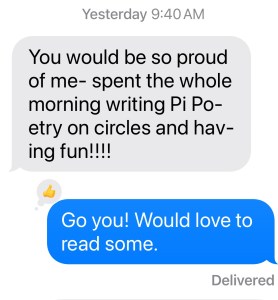
Yesterday on March 14th, I received this text from a colleague who teaches gifted math:

Every year my students and I write pi-ku on Pi Day. I literally have to look up the definition each year. I’m a writing teacher, not a math teacher and for that matter, not a math person.

Some of my gifted students want to show me (in full song) that they have memorized the first 100 digits of pi. This year I banned the song. It’s a complete ear worm.

But I did encourage a pi-ku poem. These are short form like haiku except the syllable count follows the digits of pi. (3, 1, 4, 5, 1, 9)

Circumference
Earth
a peppermint
pizza
diametric ride
all of us have Pi Day every year
(Carson, 3rd grade)

Happy Pi
day! 
March the fourteenth.
Hey
come with us to
celebrate the day with some good pie.
(Kailyn, 6th grade)

Read Full Post »

Thank you to Two Writing Teachers for creating an amazing community of writers and a safe, welcoming space to write and share.

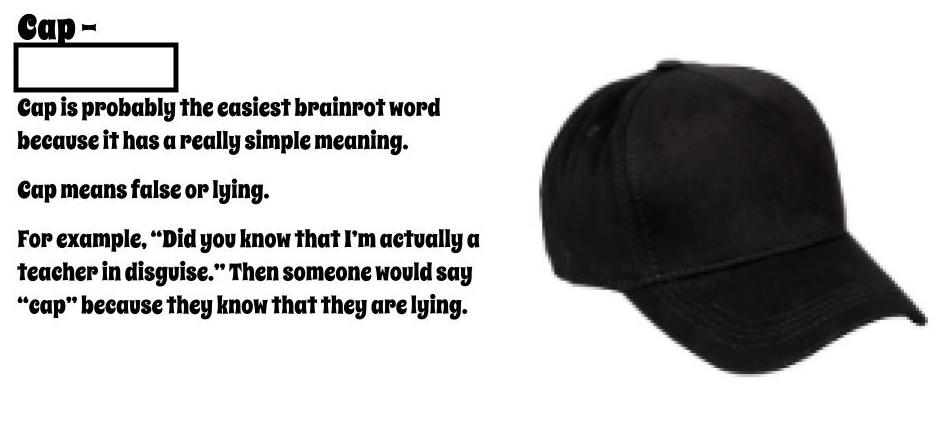
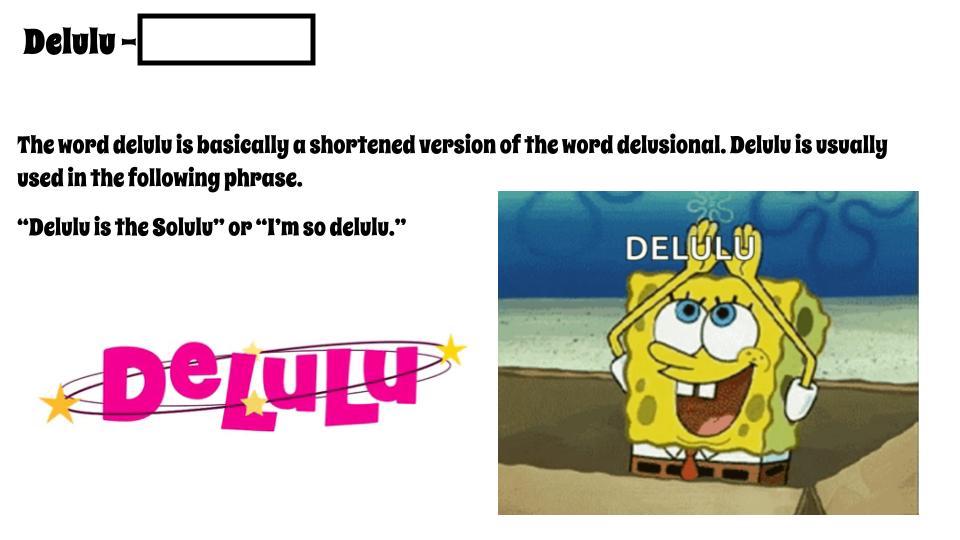
I am a “Baby Boomer” while my students are all in “Gen Alpha”. Admittedly they would have a totally different slang system that I don’t know and honestly, don’t care to learn. Two of my students, a 5th grade and a 6th grade girl, teamed up to make an instructional slide show. They also made a multiple choice quiz.

I think they were surprised at how well I did on the quiz, but I pointed out that while I won’t remember any of this tomorrow, I know how to study for a test: Take notes! I wrote each word and the definition on a sticky note.

While we were watching the slide show, I continually asked, “If the principal walks in right now, would he be OK with this?” I kept getting the feeling from them that they were doing something wrong, and I was oblivious to it. They assured me that there was nothing above PG rating in the slide show. But there were a few that were cringy.

Here is a list of the words. (Let me know in the comments which ones you knew.)
1. sigma
2. hyperpigmentation
3. nonchalant
4. cap
5. rizz
6. girl math
7. goat
8. delulu
9. baddie
10. low taper fade
11. mewing
12. bussin
13. Ohio
14. aura
15. skibidi toilet
16. fantum tax

How did you do? I only knew 4 of them because they are words that have been around a while. The most cringy for me was “girl math”. I think it’s time to stop this stereotyping of girls. In truth, all of them have a bite of stereotyping and sass. They don’t give me confidence in our Alpha generation that are way too tech savvy and on their phones 24/7. I guess that’s why the title of the slideshow was “Brain Rot Words.”

What did impress me was the level of time and work these girls put into creating the slideshow and how serious they were about informing me. I hope I made a decent grade on the test. It’s been a long time since I’ve had to take a test.


Read Full Post »

Thank you to Two Writing Teachers for creating an amazing community of writers and a safe, welcoming space to write and share.

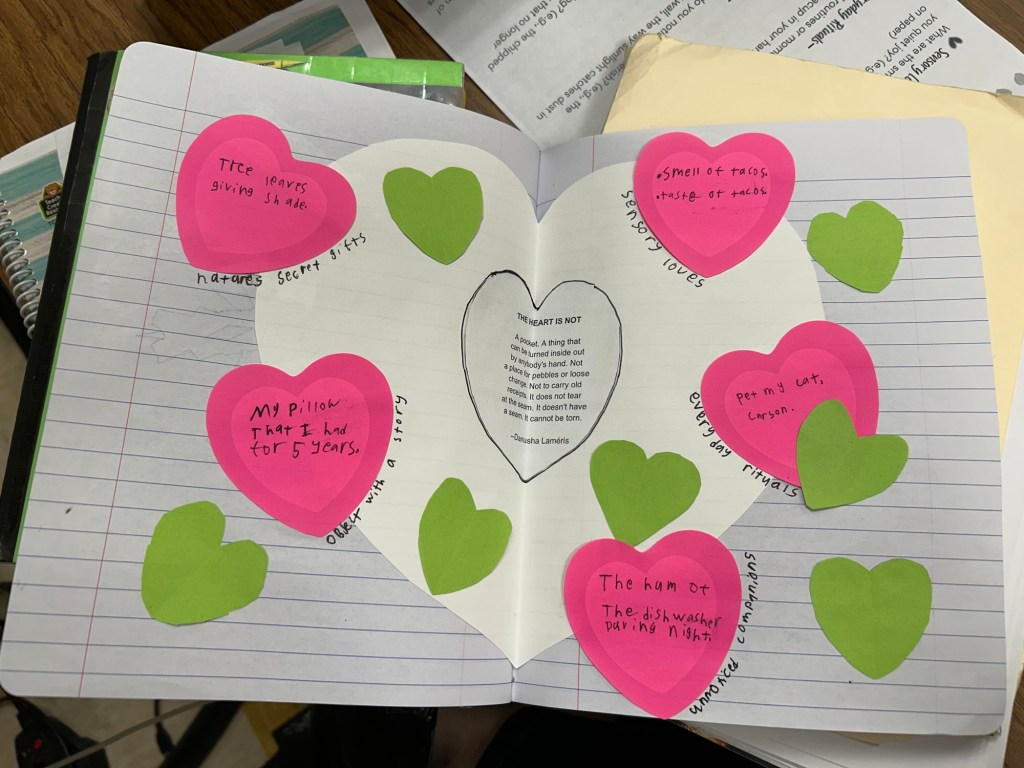
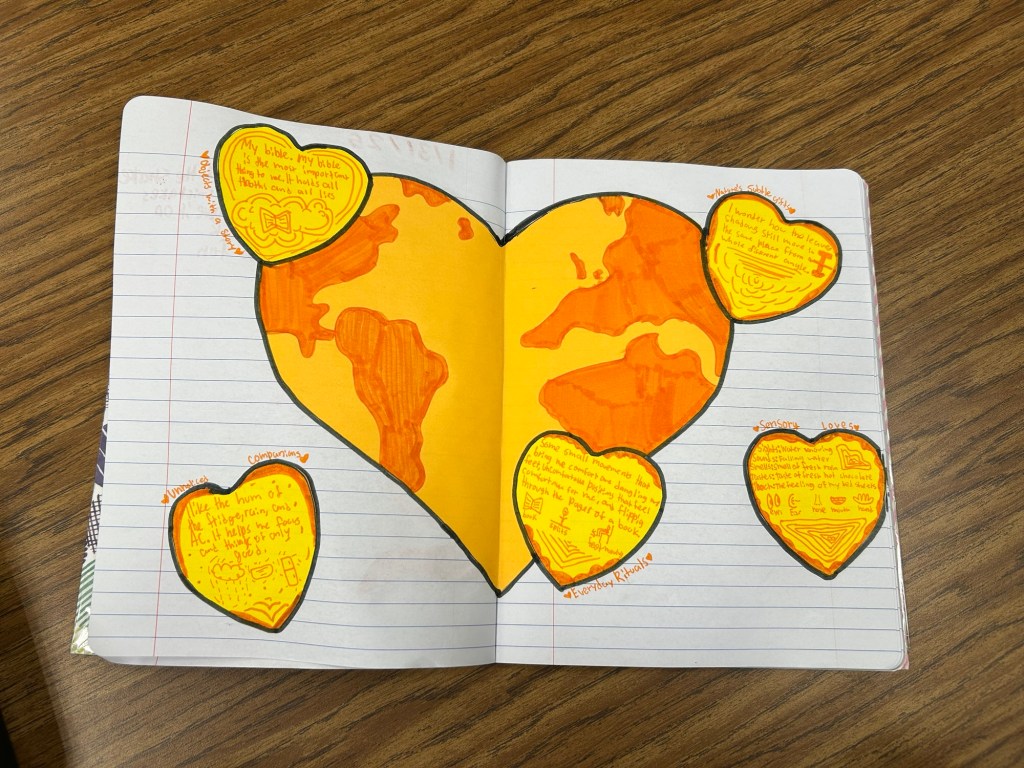
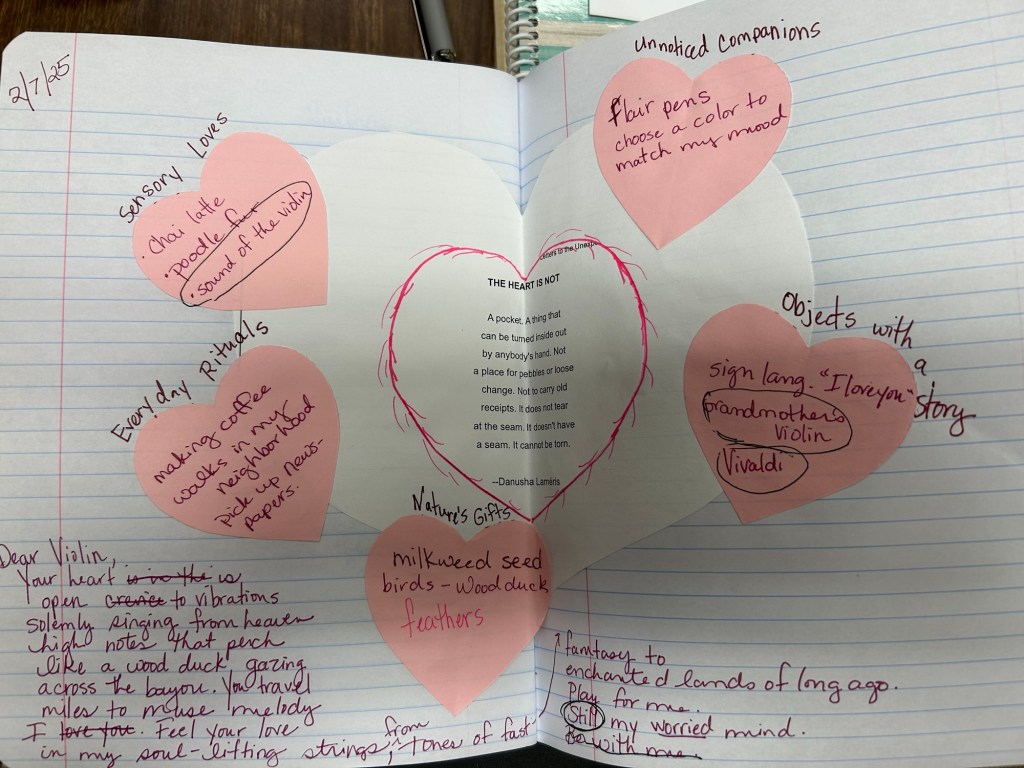
I subscribe to Georgia Heard’s Heart map newsletter, Heartbeats. Last week she inspired me to use her print outs with my students on Poetry Friday.

We usually analyze a poem and write in the form of the poet or steal a line, etc. But on Friday, after the AR dance, we needed a break. I turned on Vivaldi’s Four Seasons. My students spread around the room and played with paper. I was surprised at how focused they became on a Friday!

We’ve returned to our heart maps to write poems from them. Some wrote as Georgia suggested, a letter poem to the thing you love most. Some wrote a poem like Danusha Laméris’s poem The Heart is Not.

James’s heart map

Dear pillow,

You comfort
My head
Every night
And
Keep me warm
Until
It is morning
Where the sun
Rises.
When I go to school
I miss you
Because 
You’re my
Object with a story.
James, 4th grade

Marifaye’s Heart Map

I love how Marifaye took the map idea to a literal design making her heart look like a map. I sent this one to Georgia through Instagram. Marifaye wrote about her cat Carson. I feel partial to this poem because I was involved in matchmaking Marifaye to Carson. Carson was a stray kitten in my mother-in-law’s yard this summer. He was fostered by my friend Corrine. Then Marifaye’s family adopted him. He has found a soft place to land.

My Cat Carson:

How I love you so so much
makes me smile every touch
you make me happy
when I’m sad
hearing you purr
and watching your tail flap
hearing you meow, begging for pets
then you take off,
as fast as a jet.
as soon as someone comes get me
I just can’t wait
to see my baby
my baby cat,
Carson.
Marifaye, 5th grade

My messy heart map with letter poem draft.

Avalyn was drawn to the model poem by Danusha Laméris.

The Heart is Not

a bowl
it’s not something you could just place
your thoughts,
emotions, 
memories in
until it overflows.

The heart is not a bowl
it’s not something you could just
discard

The heart is not a bowl
it’s not just a 
pretty
decoration.
Avalyn, 5th grade
Read Full Post »

Thank you to Two Writing Teachers for creating an amazing community of writers and a safe, welcoming space to write and share.
Photo by Pixabay on Pexels.com

I am a teacher who writes alongside my students. I show them my draft, the messy one in the notebook. We are writers together. This is my teaching philosophy and has been for years. Because it works for us all! I get time to write, and my students see themselves as part of a writing community.

I’ve been working my way through Ethical ELA’s new book 90 Ways of Community. Many of the prompts are tried and true. “How to Be” was posted by Sheri Vasinda. Her directions originated with Barry Lane’s Reviser’s Toolbox. I found the exercise to be similar to the “Things to Do” poem form. The prompt started us off making a list of 6-10 facts.

This way into a poem encourages us to think about and research the ways a chosen animal lives in the world. I asked myself and my students to push beyond just a list of facts, but to see how they could figuratively be applied to humans. How can you be like the animal?

I was reminded of my poem “Things to Do if You’re a Snapping Turtle” from my book Bayou Song. The poem and the prompt can be found here.

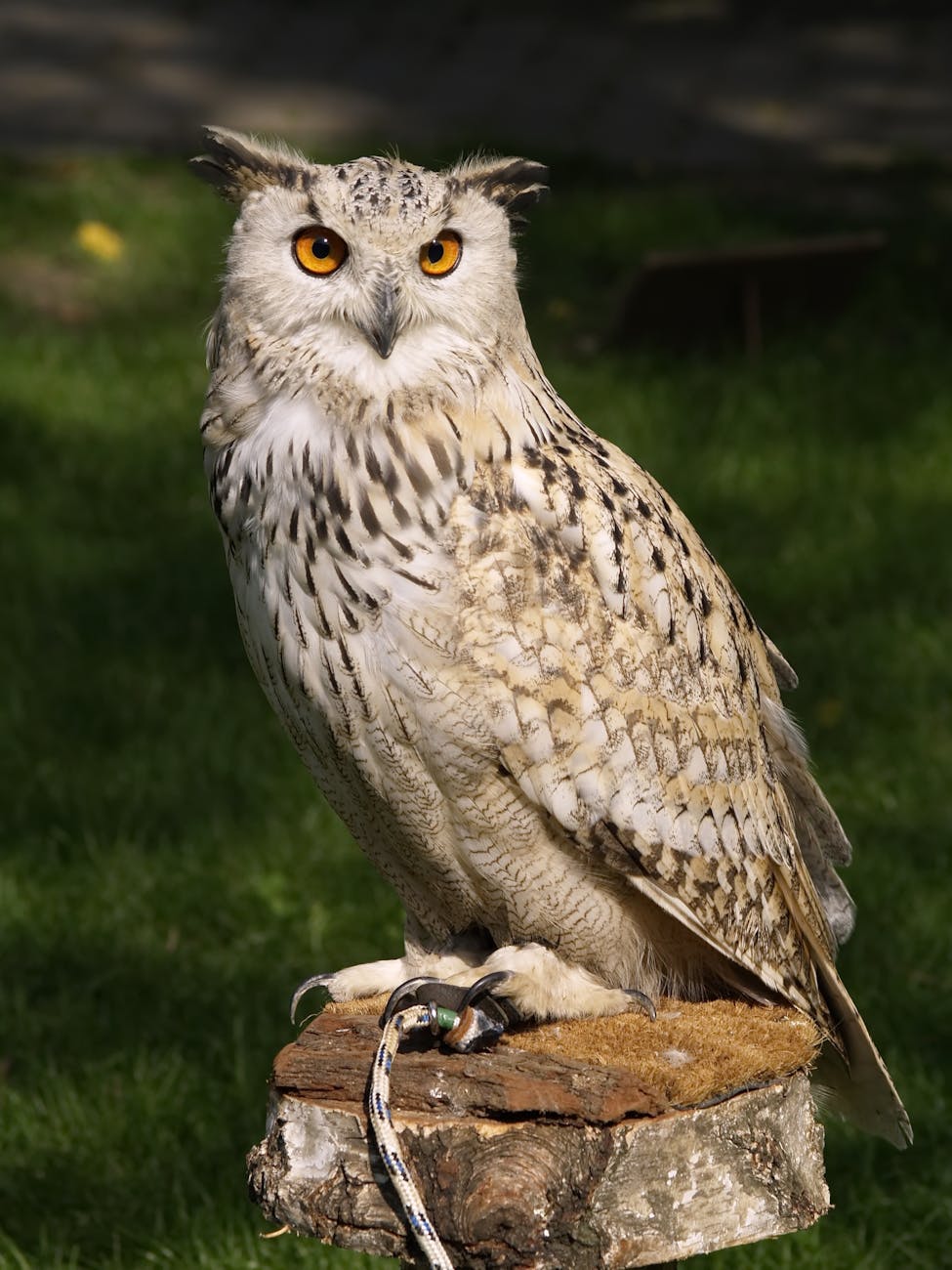
Yesterday I was thinking about owls. Owls are common here on the bayou. A friendly neighborhood one starts hooting before the sun goes down.

How to be an Owl

Lift your beak to the world
Whhhooot in the dimming light of winter
This is your time to fly–quiet and with intention
Sharpen your sight 
Swallow whole
Spit out what you don’t need
Be a goddess of reason
Make wisdom your home

by Margaret Simon, draft

This was a fun prompt to start off our last week before the holiday break. Kailyn took her poem to a hilarious place. Here’s to a funny poem!

How to be a Capybara

Gain 150 pounds

Be the largest living rodent.

Be present in social gatherings.

Become committed to eating your droppings. 

Have a jolly 10 years of living.

When swimming, look very pleasant.

Stick with the diet of plants.

When you see a Guinea Pig, 

Give them a hug because you are family. 

When you are a Capybara, 

Don’t end up in a chimichanga.

by Kailyn, 6th grade (To leave comments for Kailyn, click here.)

Read Full Post »

Poetry Friday is gathered by Ruth at There is no such thing as a God-forsaken town.

My students and I are reading Out of the Dust by Karen Hesse. In the book, there is a poem “On the Road with Arley” that begins with line “Here’s the way I figure it, my place in the world is at the piano.” It’s been fun to find music of the time period and write alongside it. My students worked hard to create poems using this beginning line. I asked them to use imagery to create a tone. I wrote a model poem about my place in the world.

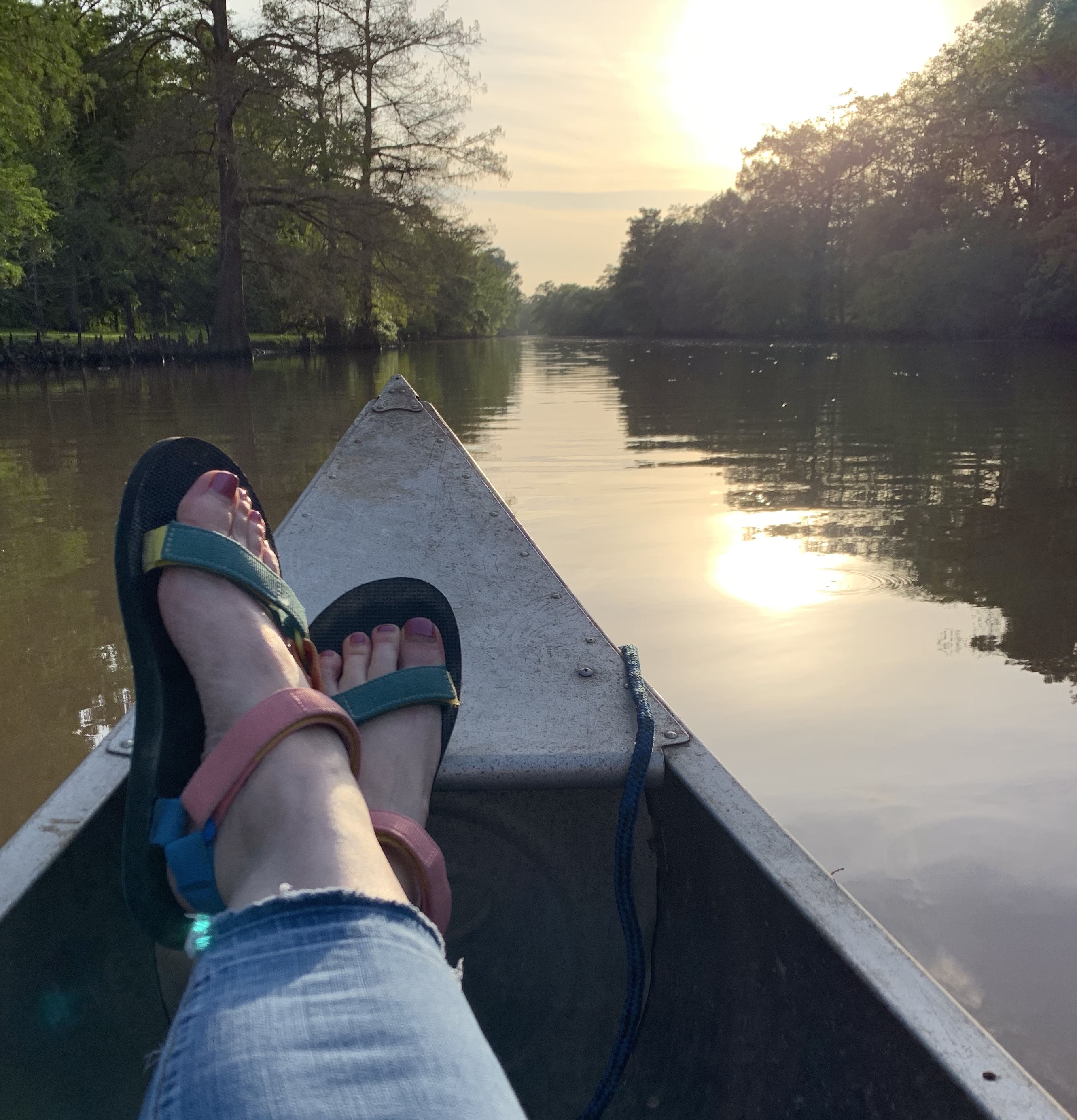
In a Canoe

Here’s the way I figure it,
my place in the world is 
on the bayou
lazing about in a canoe
with you.

I’m just a mamere
wanting the best time
to be outside
watching for eagles
slipping through slow current
listening for Mr. Owl
to cook-cook-for-you!

My place is in open toes
among cypress knees
sniffing catfish air
hearing cicadas buzz
when the sun goes down.

Here’s the way I figure it,
my place in the world
is in a canoe with you. 

Margaret Simon, draft

Photo by Nitin Arya on Pexels.com

Here’s the way I figure it,
my place in the world is
out of it.

My place is in a different place,
far away from here.
In a mythical world,
or one that is crumbling
even more than mine is.

With my favorite characters
I venture
for escape.
Escape.
My feet will beat the ground,

in my head a pound,
and then I settle down.
In a bed or a chair,
I wind

        wind

   wind

down.

I read, and I am free.

Here’s the way I figure it,
my place in the world is
seeking distraction from it.

Adelyn, 6th grade

Where is your place in the world?

Read Full Post »

Thank you to Two Writing Teachers for creating an amazing community of writers and a safe, welcoming space to write and share.

This is Just to Say

I have forgotten
the words
to that song
you sang to me

and which
you are probably
humming in your head
while you sleep.

Forgive me:
I will sing
along with you
anyway.

Margaret Simon, after William Carlos Williams

I believe in daily poetry, but I fell off the Stanford Challenge for writing a poem a day. Lately the new book from Sarah Donovan, Mo Daley, and Maureen Young Ingram, 90 Ways of Community is helping. Each day I present one of the prompts to my students and write alongside them. They are responding so well to this daily practice. I hope you don’t mind if I share a few here. First up is a skinny poem by Grayson.

White void endless space just                                                                       
waiting                                                                                                             
wondering                                                                                                         
no                                                                                                                     
thoughts                                                                                                           
waiting,                                                                                                               
I’m                                                                                                                       
tired                                                                                                                   
of                                                                                                                         
waiting                                                                                                             
in this endless void, white space that is just too empty. 

by Grayson, 5th grade

We’ve explored ourselves and written I am From poems.

I am from
crunching leaves
and windy days.

I am from
books, and books,
and even more books.

I am from the Bayou,
and I am from the
trees.
I come from murky waters
and lush green leaves
and sturdy branches.

I am from
the scratching of
a pen,
and the flick of a brush.

I am from
the smell of
cigarette smoke
and an autumn evening.

I am
from a household,
a household holding
four. 
A mother of books,
a father of autumn,
a daughter of both,
and a sister
of all.

by Adelyn, 6th grade

Each week I invite my students to write to a photograph. They are free to choose their own form even as I model a form for them.

Old tree
Stays in the backyard
Is surrounded by water and ferns
Waiting outside on the porch for the sunrise
Lovely morning

by Marifaye, 5th grade

If you would like to write a poem to a photo, please join me on this blog on Wednesdays: This Photo Wants to be a Poem. I wish for you daily poetry.

Read Full Post »

Poetry Friday is hosted today by Linda Baie at Teacher Dance.

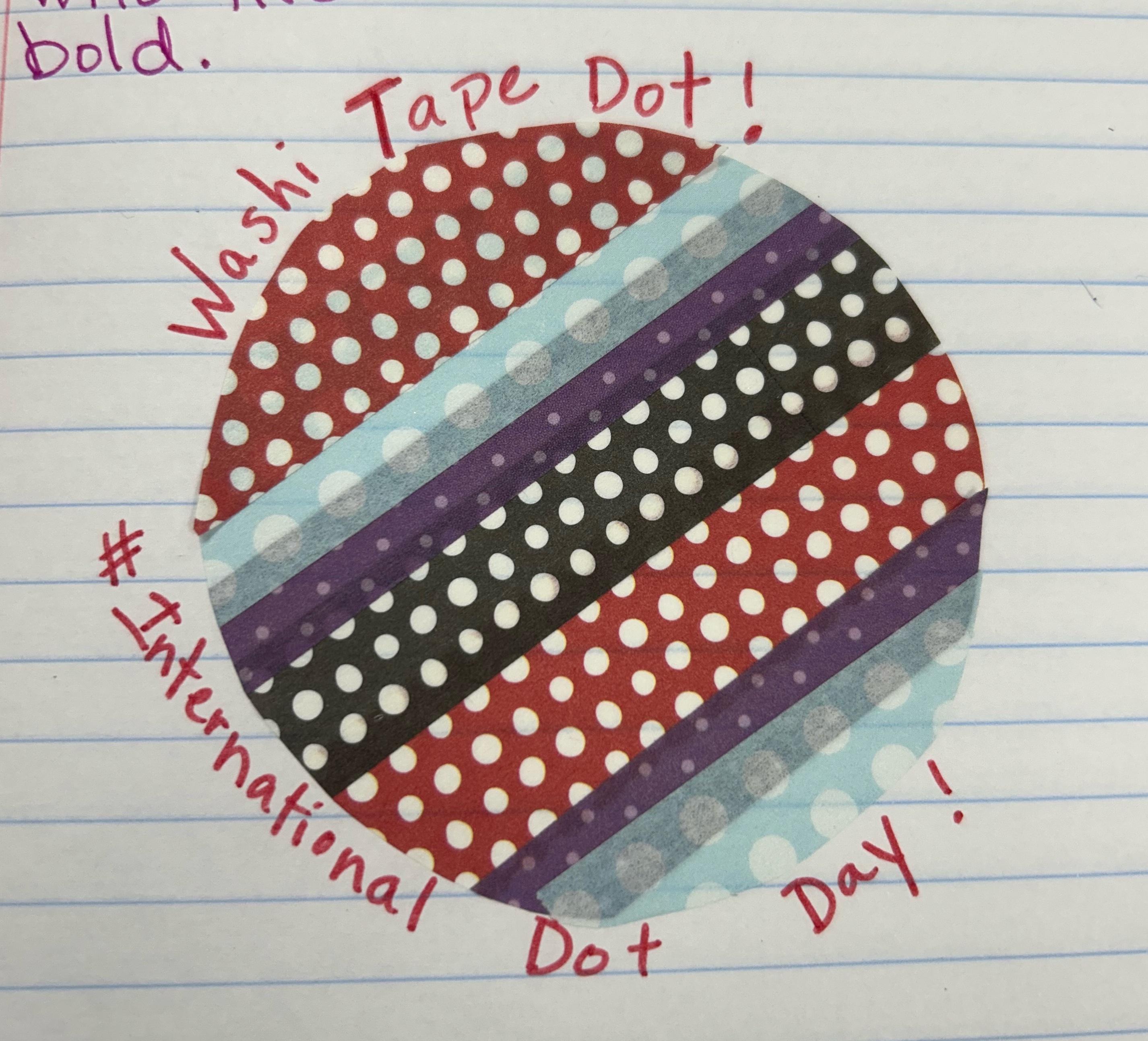
Monday, September 16th was International Dot Day. Dot Day was created by a teacher who wanted to celebrate the Peter Reynolds book The Dot. It’s a story about a young girl, Vashti, who doesn’t think she can draw. She is encouraged and inspired by a teacher’s confidence in her. “Make a mark and see where it takes you.”

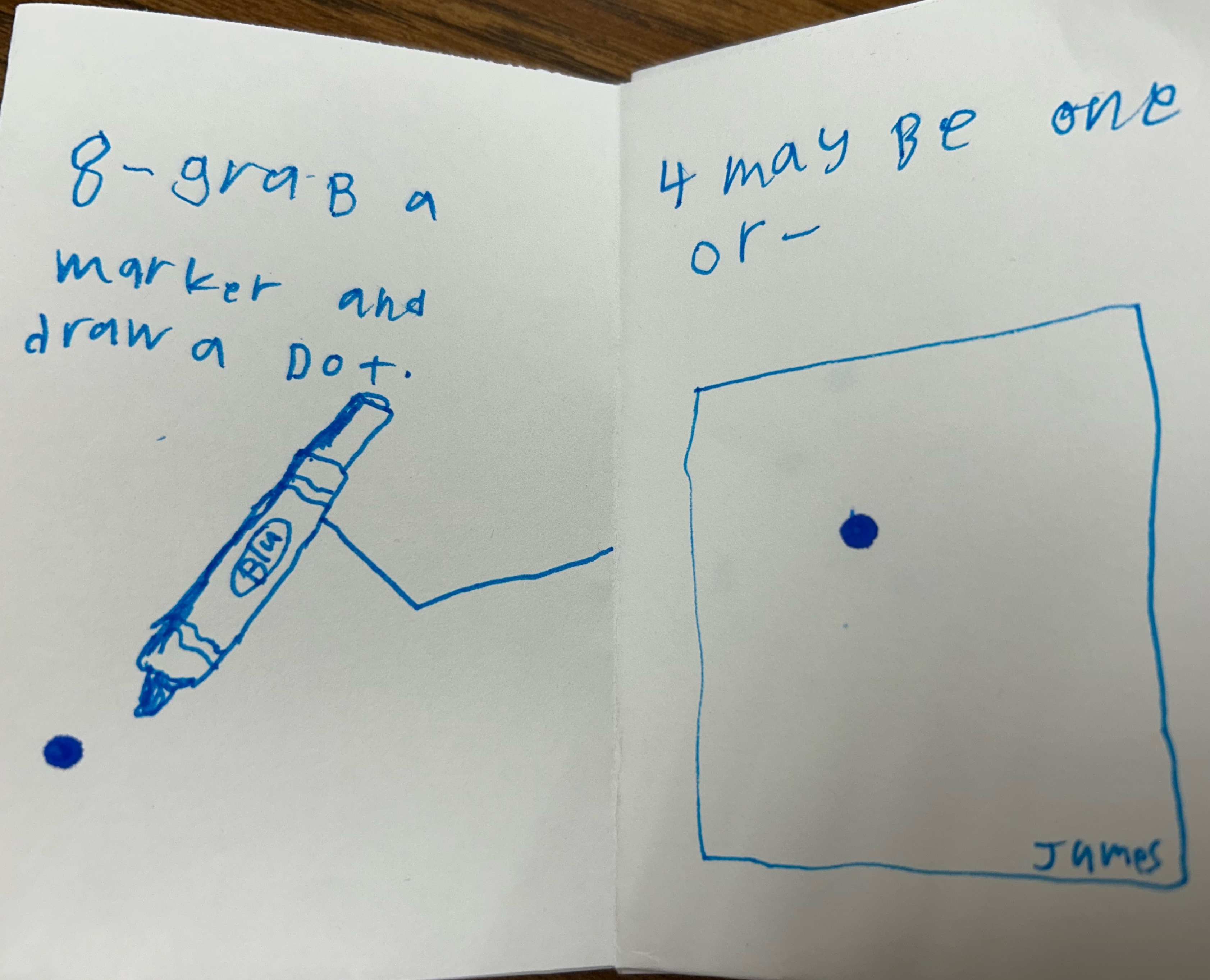
This year I wrote Zeno poems with my students and encouraged them to create a Zeno Zine.

A zine is a foldable book that can be made with a single sheet of paper. See a YouTube video here.

A zeno poem is a form created by J. Patrick Lewis using the syllable pattern of 8, 4, 2, 1, 4, 2, 1, 4, 2, 1. The one syllables all rhyme. For me it works best if I decide on my rhyming word. I was thinking about the idea that you are never too old for Dot Day, so I chose old, gold, and bold.

When making your mark shine this bright,
you are never
too, too
old.
Remember who
creates
gold:
They are the ones
who live
BOLD!
@Margaret Simon

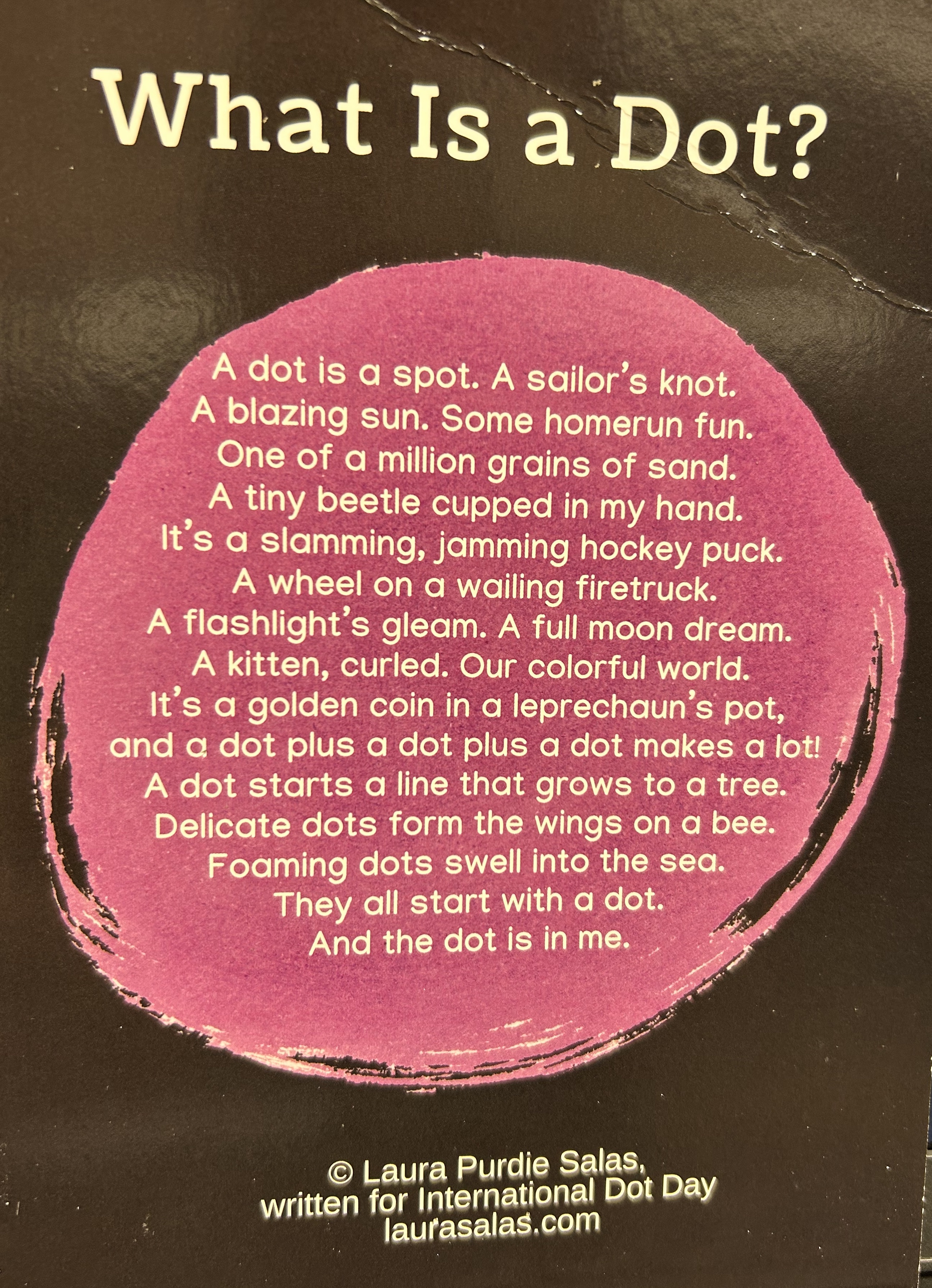
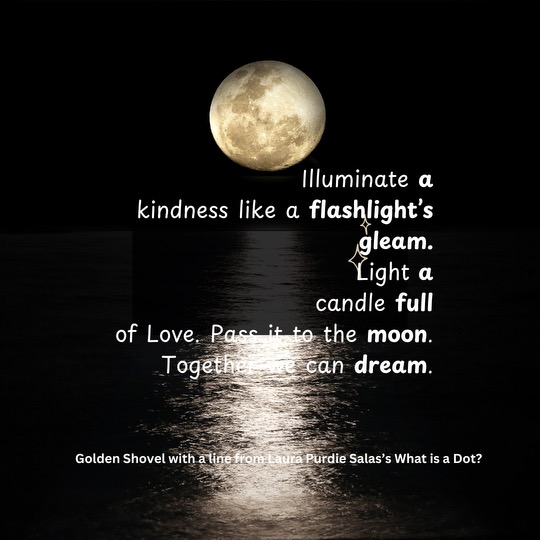
I also read aloud Laura Purdie Salas’s Dot Day poem.

A golden shovel poem using the line “a flashlight’s gleam. A full moon dream.”

Here are some sample zine pages from my students:

by James, 4th grade
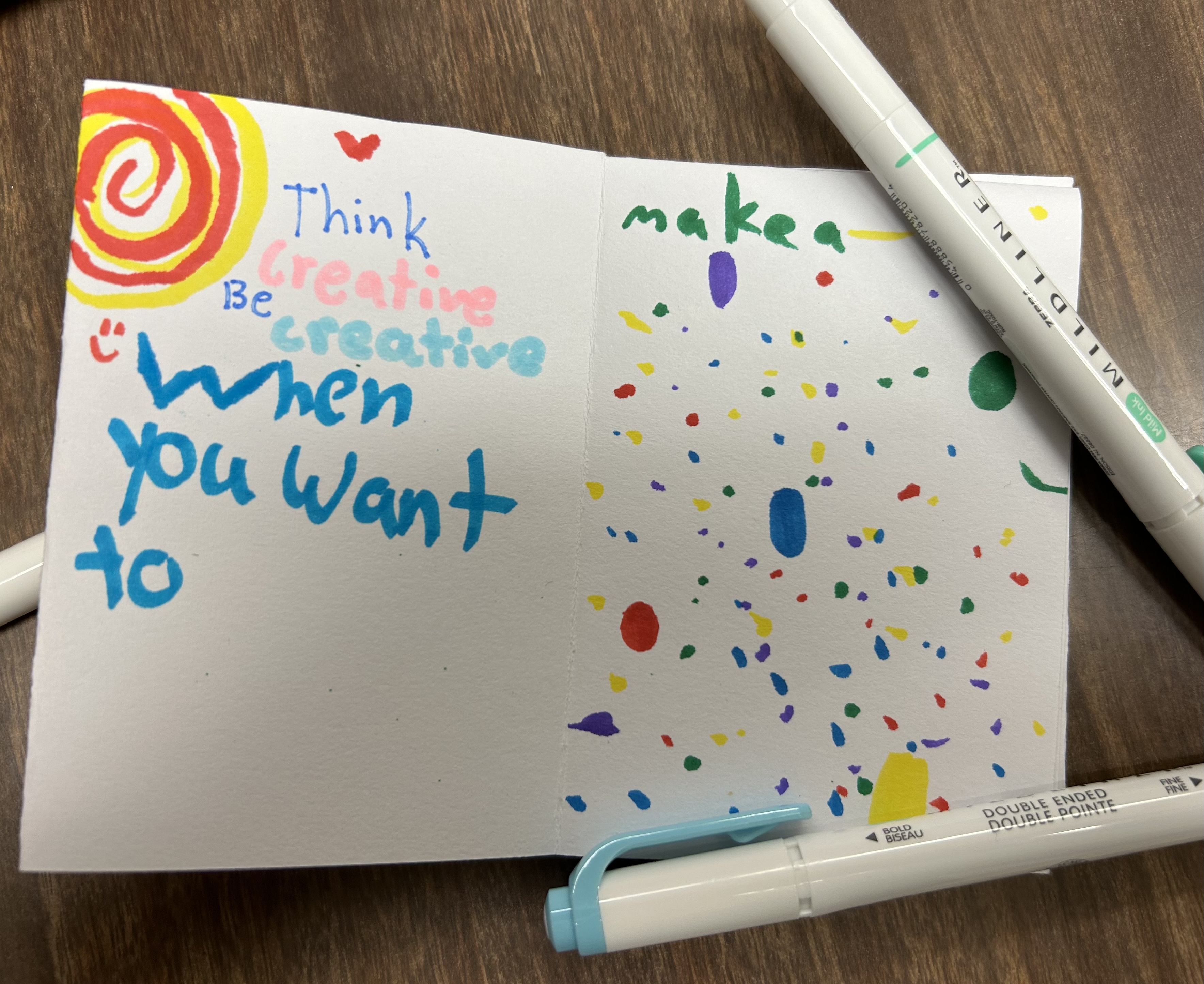
by Avalyn, 5th grade
“Think creative. Be creative.
When you want to
make a
dot.
Maybe you could
use this
spot.
Or mix them up
in a
pot!”

Dot Day is fun, and for purposes of gifted standards, it also encourages creativity, critical thinking, and problem solving. Win! Win!

Read Full Post »

Thank you to Two Writing Teachers for creating an amazing community of writers and a safe, welcoming space to write and share.

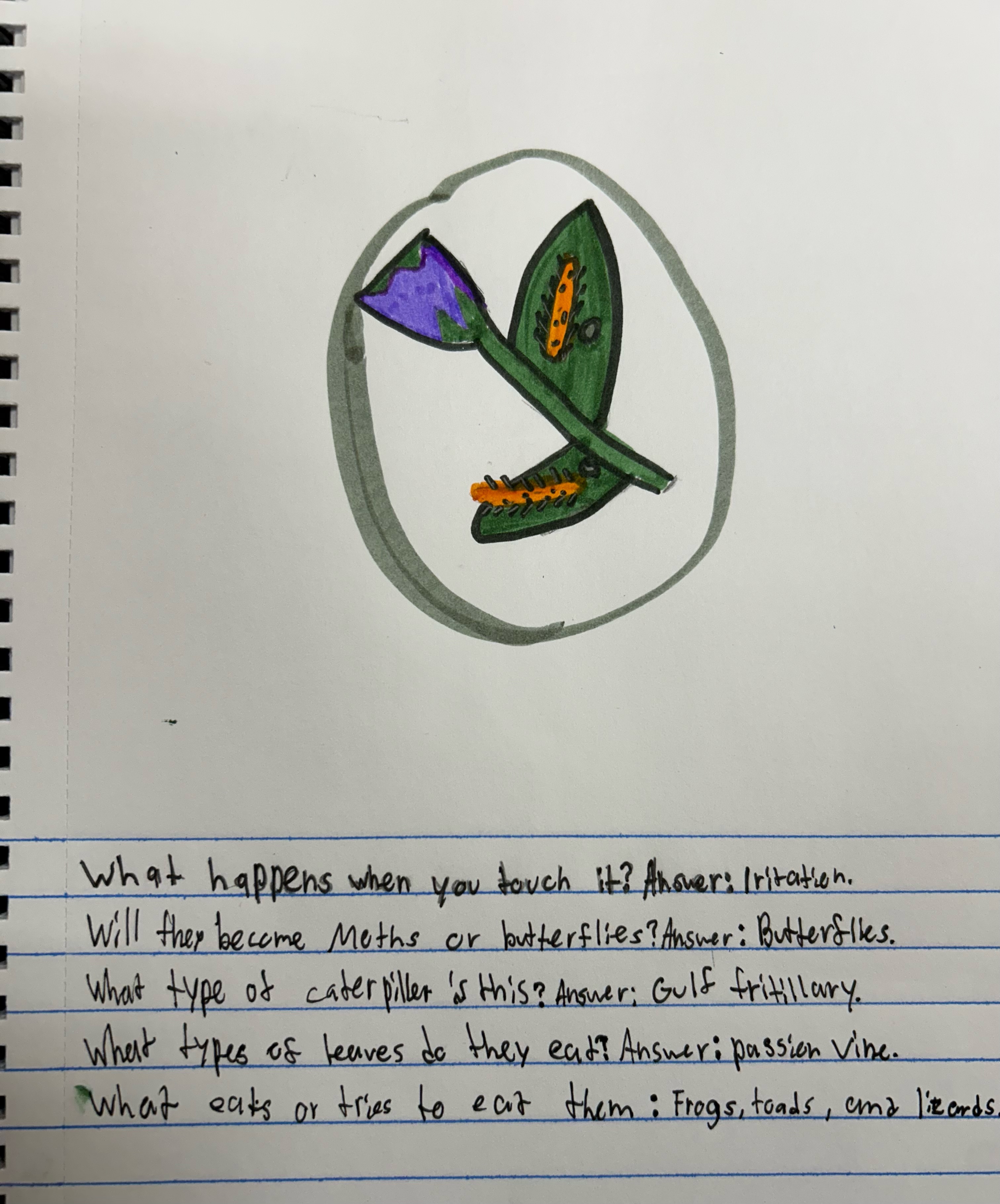
I teach gifted elementary students. I think of my classroom door as a revolving one because students from grades 2-6 come in and go out all day long. Two weeks ago I brought in some Gulf fritillary caterpillars in a butterfly net. I placed them on the table and invited my students to ask questions.

This is Marifaye’s sketchbook neatly written with her 5 questions and the answers. (Not all notebooks looked this neat.)

Students gathered around the table and drew what they saw, asking question after question. They became enthusiastic yet frustrated that I would not give them a straight answer. They practiced using Google to research and answer their questions.

This week the caterpillars eclosed (hatched) and once again we observed and drew pictures then released the butterfly.

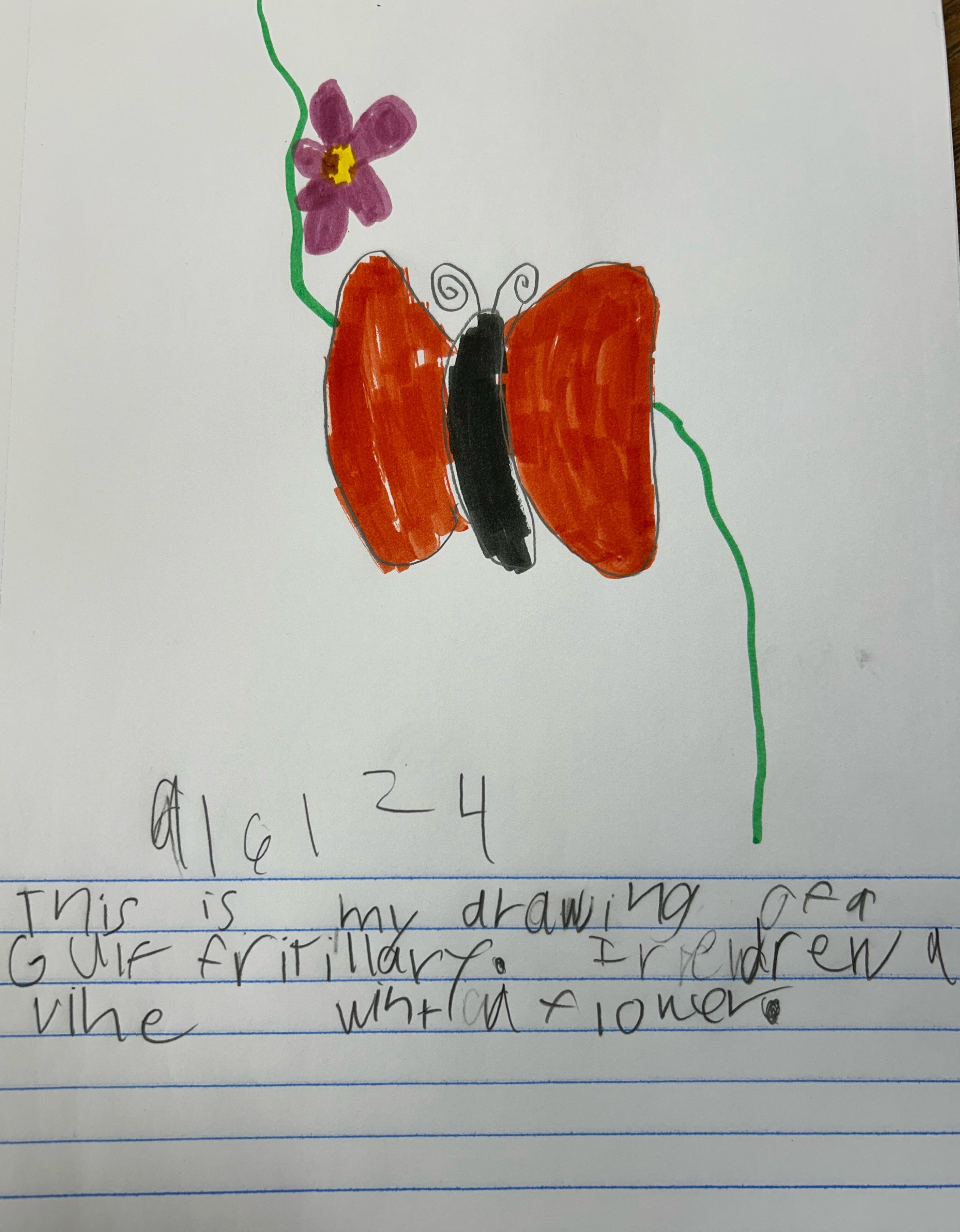
Danielle, 2nd grade, wrote a sentence. “This is my drawing of a Gulf fritillary. I drew a vine with a flower.”
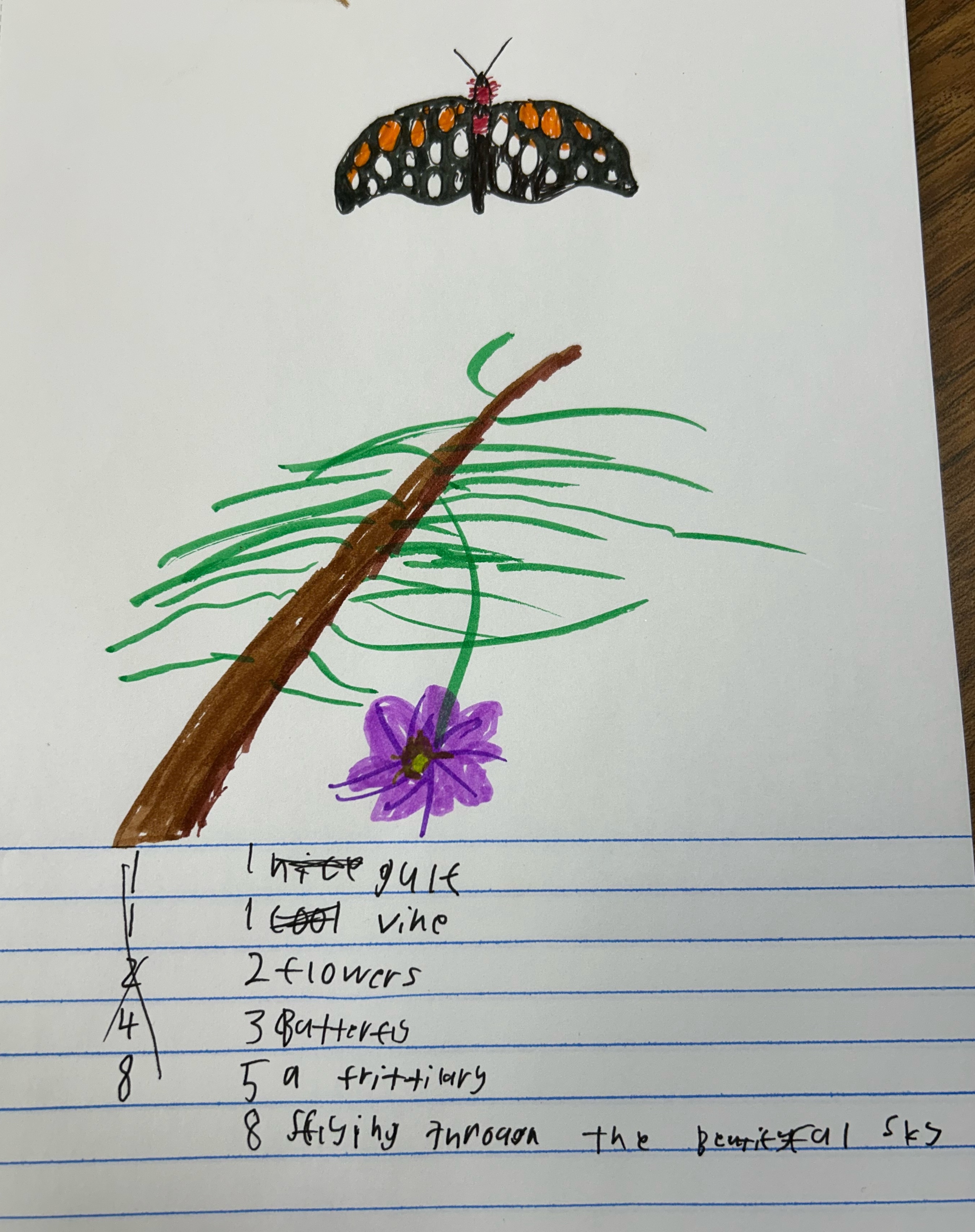
James wrote a fib poem about the butterfly. (We talked about using more specific vocabulary than words like nice and cool.)
Gulf
vine
flowers
butterfly
a fritillary
flying through the beautiful sky

I don’t always have nature at my fingertips to lead inquiry with my classes. This was a wonderful way to introduce the idea that asking questions and wondering are all part of the process of learning. And releasing was just pure Joy!

Read Full Post »

Older Posts »