Feeds:
Posts
Comments
Join the Spiritual Thursday round up at Reading, Teaching, Learning.

Join the Spiritual Thursday round up at Reading, Teaching, Learning.

For Spiritual Thursday, we are writing about each other’s One Little Word for 2016. Today we are exploring Violet Nesdoly’s word, Mindfulness.

Mindfulness

My mind is full
like the bayou after a long rain
that today blows wild
waves, cold and moving.

My mind wants to rest
like the dog at my side
snoring softly,
warm and content.

My mind seeks to understand
like that student who questions
and questions, driving me
to stop and think.

My mind is aware
of light coming through the window,
a spotlight on my hands,
open and close.

My mind turns to you
like the wind chimes chanting
Om mani padme hum
carries me across the rough water
to a place of peace.

Mindfulness, much like my own One Little Word present, means to “be still and know that I am God.” I sing this mantra over and over, making my mind clear to notice the spirit within me, to notice that I am not alone, to notice my love is enough. Stillness leads me to understanding. Presence to mindfulness.

Morning birdbath by Margaret Simon

Morning birdbath by Margaret Simon

Slicing builds Writers

Join the Two Writing Teachers blog for Tuesdays Slice of Life Challenge.

    Join the Two Writing Teachers blog for Tuesdays Slice of Life Challenge.

Recently I heard through the grapevine that Ralph Fletcher was looking for student samples of informal writing. I jumped at the chance. I emailed him three student slices. (I require a Slice of Life post on our class blog each week.) When Ralph saw the student work, he responded with questions to survey my students themselves.

I was remiss that I had never really done this before.  Asking my students to reflect on how writing a slice each week affects them was worthwhile. With permission from Ralph Fletcher, these are the questions he asked.

  • What do you like about this kind of writing?
  • Does Slice of Life writing feel different from other kinds of writing you do? How?
  • Do you think having the opportunity to do Slice of Life writing has made you a stronger/better writer? If so, how?
  • When you are doing Slice of Life writing are you thinking of an audience (who you wan to read it)?
  • Do you ever try out a Slice of Life piece at home?
  • Please answer TRUE or FALSE: I am a writer. ____TRUE ___FALSE

I read through my students’ responses and came to some conclusions.

  1. Slice of Life writing frees you to write about your own life with the support of your classmates and other bloggers.
  2. Slice of Life writing is different from other writing because it is about your own life, your own feelings, or almost anything you want to write about.
  3. Slice of Life writing makes you stronger because you are aware of an audience and so you care about the commas and stuff.  It also helps you express yourself and not hold everything inside.
  4. The Slice of Life audience are your classmates, so you try to be funny and casual and normal.
  5. Slice of Life writing can be done at home, but most of my students do not write from home.
  6. Some of my students hesitate to call themselves writers because they do not have any books written.  This response surprised me and made me realize my own hang-ups with calling myself a writer.  I need to be more intentional about telling them that they are writers.

If you are considering doing the Slice of Life Story Challenge with your students in March, I have a few tips.

  • Give parents a heads-up and encourage them to support their children by giving them computer time for writing.
  • Tell your students often that they are writers.  Post it on the wall.  Call them “writers.”
  • Encourage classmates to support each other through comments.  We occasionally have a  comment challenge.  How many comments can you do in 30 minutes?  (Once I brought Skittles, but I ran out.  And I was only giving one Skittle per comment.)
  • Ideas!  I gave my students a tiny idea notebook that they decorated, but you can also do an anchor chart or Padlet.  I’m thinking about doing an idea box, too.
  • Share your own experience.  I participate in the teacher’s Slice of Life Challenge, and I share my writing and my struggles with my students.
  • Have fun!  If it’s not fun, regroup. and evaluate.
Please use this button on your site for DigiLit Sunday posts

Please use this button on your site for DigiLit Sunday posts

Process or Product? What is our focus in digital literacy? I wrote about this in regards to poetry on Friday. My students had me thinking about process this week. The value of the process.

With inspiration from Laura Purdie Salas, I introduced the idea of a found poem from Wonderopolis to a small group of students. I modeled the process for them: Select a Wonder, copy and paste the text into a Word document, and use the strike-through tool to black out text. The idea was to find a poem within the text.

What I thought would be a one day activity covered almost three days. I was not satisfied with the products. They had done the assignment, but the poems weren’t really poems.

I decided we would work on revision together. I put the draft on the Promethean Board. We tabbed to the Wonderopolis article to have the reference to go back to. At first I was doing all the work, making suggestions for cuts, asking if there were more ideas that should be included. However, by the time we got to the third poem to revise, my students talked like experts.

“This line is too long. Should we make a line break?”

“This is a repeated word. Can we cut it out?”

“I like the way this word sounds. Let’s keep it.”

My students felt a sense of ownership as each of their poems were projected and revised. I continually checked in with them. “Is this OK with you?”

This was work. In fact, one of my students said that very thing. I responded, “Yes, but it’s good work. Aren’t you happy with your poem now?”

Who knew that found poems could be so tough. My dissatisfaction with the product led to a much deeper thinking process. My students not only had to gather information; they had to synthesize and evaluate it.

I wish now that I had saved the first drafts to show you the before and after. All I have to share is the after.

Giraffes

Yikes!

Giraffes have tongues

as long as their necks?

Not quite!

If you liked to eat leaves like giraffes do,

Then you would understand.

Acacia’s tasty leaves have very sharp thorns.

Watch out!

While reaching the highest treat,

the giraffe’s tongue

protects itself from being cut.

If a giraffe’s tongue does get cut,

it will heal very quickly.
–Noah, 4th grade

Link up your DigiLit Sunday posts.

Celebrating Gifts

Discover. Play. Build.

Ruth Ayres invites us the celebrate each week. Click over to her site Discover. Play. Build. to read more celebrations.
It’s not even my birthday, but I received three “Just Because I Love You” gifts in the mail this week. A bracelet from “MudLove” that inspires me and helps provide a week of clean water to someone in need.

Word bracelets from MudLove.

Word bracelets from MudLove.

A hand-knitted scarf. I took a quick selfie.

scarf selfie

A bouquet of roses from my daughter and her fiancé.

roses from Kat

These gifts were thoughtful and made me feel special. Two of these friends have come to me from this blogging community. I am so grateful for the friendships I am forging through writing.

My students received some gifts this week as well. An artist who visited our class before Christmas sent tiny journals, just the right size for collecting small Slice of Life moments. They started decorating them on Friday.

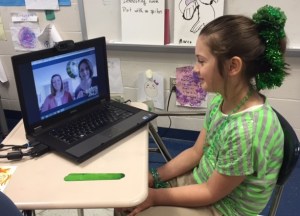
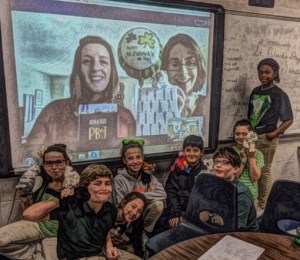
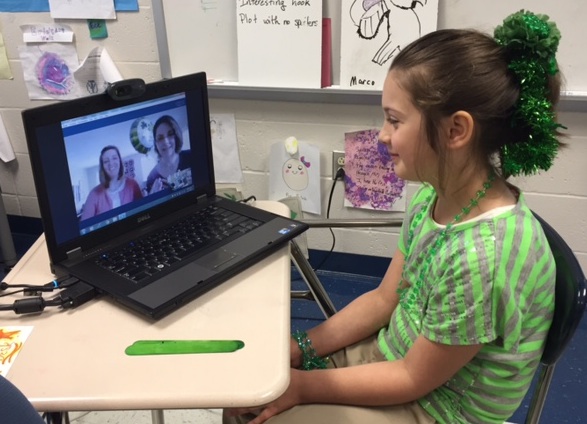
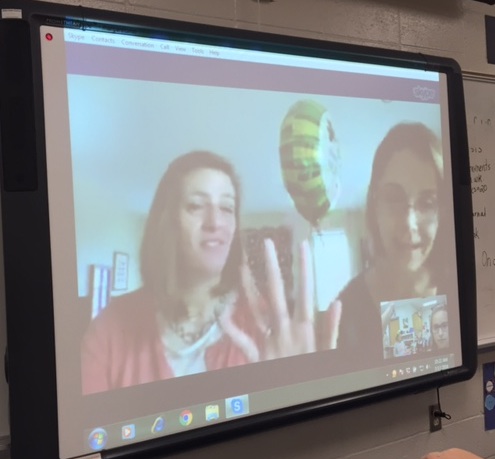
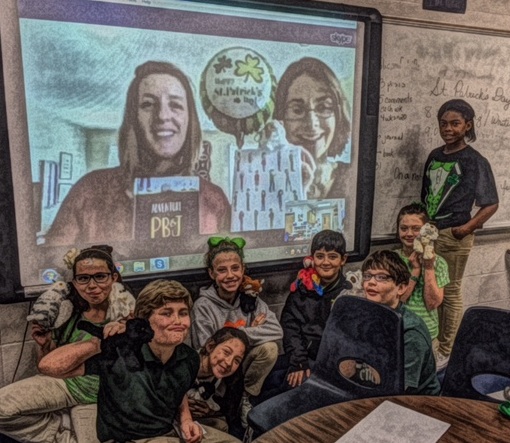
Nikki Loftin will be Skyping with my class for World Read Aloud Day. She sent bookmarks.

My students raised money for the World Wildlife Fund by holding a bake sale. They raised $250. This week we received two buckets of animals. Now each student has a tiny stuffed companion.

snowy owl stuffed

Bucket of animals

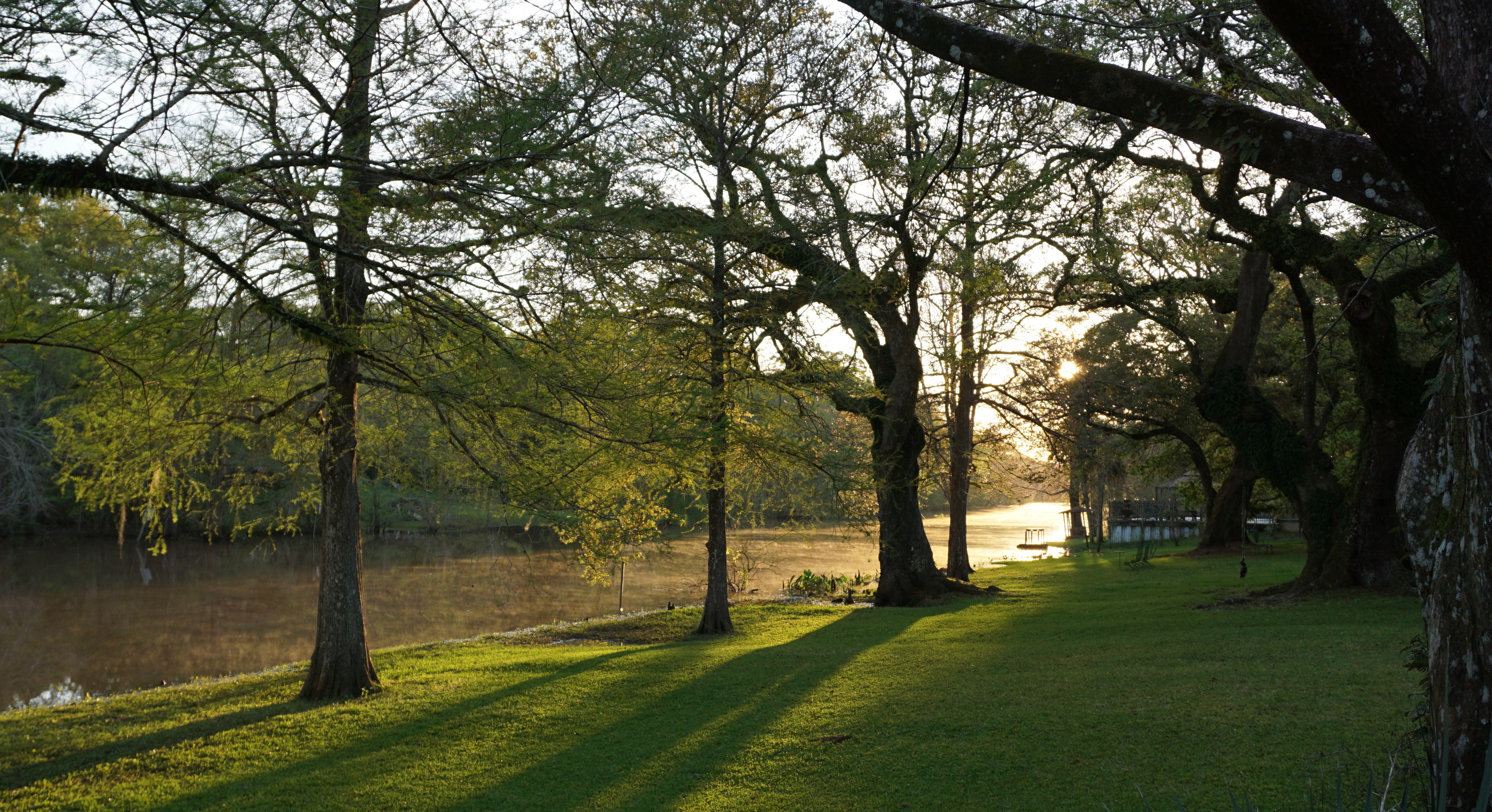
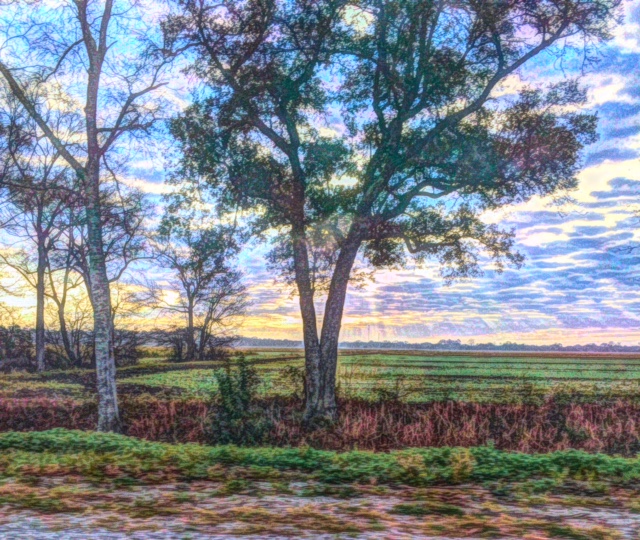
I celebrate gifts of the spirit, too. Across from our house on the bayou is wooded property. In reality, it’s marshy land that would be difficult to develop, but years ago we bought it with our neighbors in order to keep it wild. In the early morning light, reflections are vivid. Beauty in nature is a gift every day.

DSC00292

Poetry Friday round-up  with Donna at Mainly Write

Poetry Friday round-up with Donna at Mainly Write

Live oak reaches out

Where does a poem come from?
From play with words?
Intention of language?
Simply throwing confetti to the wind?

A poem takes shape
whether I am present or not.
Some days the muse is mine.
Others I merely stroke the fire
waiting for the flame to ignite.

William Stafford said I should kneel
in the deep earth and dig.*

I kneel.
I pray.
I sing.
Then I open my notebook,
lay my pen against soft paper,
and wriggle these fingers.

A gift is given.
I will not let go.
–Margaret Simon

I’ve been thinking about where poems come from and whether the joy is in the process or in the product. I don’t know the answer. But I enjoy asking the question.

Kevin Hodgson sent out postcards. I got one and added my given word on the padlet he created. In this instance, the process was the fun. The sending and receiving of postcards in the real mailbox was exciting. None of us are really quite sure what the product means, but we all agree it’s cool.

* “Successful people cannot find poems; for you must kneel down and explore for them.”
–William Stafford.

Delight

Join the Spiritual Thursday round up at Reading, Teaching, Learning.

Join the Spiritual Thursday round up at Reading, Teaching, Learning.

For Spiritual Thursday, we are writing about each other’s One Little Word. This week is Irene Latham’s word, Delight. Irene is a poet, so I wrote a word poem.

Delight is an enchanting word that dances
in the light of the sun
and looks to the moon for inspiration.

Amusement is her cousin
who laughs easily, giddy really.
Not delight.
She quietly relishes in God’s creation.
Watches the birds at the feeder flit and fight.

She wonders about clouds
and contrails in the sky.
Delight is never in a hurry.
If she were, she might miss something,
Miss something delightful.

See the way the cat turns
over and over in the grass.
Delight is with the cat
feeling the soft sweetness of dew.

Delight opens her mouth for snowflakes in winter
And runs in a field of bluebonnets in spring.

Delight fluffs my words up like feathers,
lifts them slightly up to catch the wind
so they may fly to you.
–Margaret Simon

Moss delight: See the way the moss sways in the wind?

Moss delight: See the way the moss sways in the wind?

Join the Two Writing Teachers blog for Tuesdays Slice of Life Challenge.

Join the Two Writing Teachers blog for Tuesdays Slice of Life Challenge.

baie

February is not National Poetry Month. That’s in April. But Laura Shovan has a birthday, and she invites us all to play with poetry during her birthday month. I love a good word game, so when Laura Purdie Salas. posted about writing Found Moon Poems with 4th graders, I borrowed this idea to write a poem for Laura Shovan’s project. (Found Object Poem Project with Laura Shovan.)

Wonderopolis is a super-duper place to find nonfiction information. When Linda Baie sent the above picture for Laura’s project, I saw a porcupine. I quickly discovered that this was a pufferfish skeleton, not a porcupine, but too late, I had found a Wonderopolis article. Using copy, paste, and strike-through, I isolated words for a poem. When I started putting the poem together, it sounded like two voices to me. Thus a found poem for two voices.

Porcupine Found Poem for Two VoicesLove animals- Give them a hug.A porcupine- What's the big deal-Sharp quills! The prickliest!Quill pigs Quill pigsLike arrows, quills detach. Tiny needlesto pierce to piercean important lesson from a porcup copy

I haven’t tried this activity with my students yet, but I will. I hope they enjoy collecting words as much as I do.

DigiLit Sunday: Treasure

Please use this button on your site for DigiLit Sunday posts

Please use this button on your site for DigiLit Sunday posts

For DigiLit Sunday lately I have been Tweeting out a topic. The word treasure came to my mind when I saw Kim Douillard’s photo challenge for this week. She is a photographer (teacher, writer, blogger) who captures beautiful images of the beach. Click here to see her blog, Thinking Through My Lens.

The treasure is in the details of Kim’s photographs, the open wings of a gull, the intricate designs of shells, or the silhouette of the surfer.

I am not usually a detail person. I try to be organized, but it’s an effort. I don’t remember people’s names. I could not tell you what you were wearing yesterday. However, when it comes to teaching digital literacy, the treasure is in the details.

Madison picture

On a field trip on Friday, Madison drew this picture from an art piece she saw in the gallery. Look closely. The details on the tiny girl in the foreground, and notice the motion indication on the cow’s tail. When I saw her drawing, these little details delighted me.

When we teach digital literacies, we need to take time to notice the treasure in the details. Even our youngest students can use these tools to express themselves effectively. Take a look at another of Madison’s recent creations. We were learning about Antarctica and poetry with Irene Latham’s book When the Sun Shines on Antarctica. Madison is in second grade, and this year is her first year in my class. She has jumped right into digital literacies and blogging. I love this poem she wrote about penguins. She used the craft move from Irene’s poetry to show the movement of the penguin diving into the sea. I didn’t watch her do this, but I am sure it took quite a bit of patience tabbing over and placing the words just right. What a treasure in that little detail! (Click on the image to see a larger view.)

Madison penguin poem

Take time to delight in the details this week. Notice when your students make an effort to be precise and intentional in their work.

Happy Valentine’s Day!

Link up your own blog posts.

Discover. Play. Build.

Ruth Ayres invites us the celebrate each week. Click over to her site Discover. Play. Build. to read more celebrations.
On Friday we took our youngest gifted students on a field trip. The day started at A&E Gallery. Paul Schexnayder, the owner, is an artist and teacher in our talent program. He opened up this old historical building to the wandering eyes of 1st-3rd grade kids. I asked them to find a piece of art that makes them amazed. I had made a form for them to use for a cinquain poem. After they wrote, they created a final draft to give to Mr. Paul. He will place the poems next to the art piece for visitors to see.

Gwen Voorhies, artist.

Gwen Voorhies, artist.

Madison wrote about the peaceful painting above.

Madison wrote about the peaceful painting above.

Lynzee wrote about a 3-D piece of an alligator on the high trapeze.

Lynzee wrote about a 3-D piece of an alligator on the high trapeze.

Jacob writing

We ventured onward to the Hilliard Museum in Lafayette. This museum is a fine art museum, different from the co-op gallery in New Iberia. The children drew a postcard of a painting and wrote as if they had visited the place. The docent then brought them to an art room where they could color their pictures with oil pastels and colored pencils. My students enjoyed exploring these art materials.

Exploring drawing with oil pastels.

Exploring drawing with oil pastels.

An art display of dresses made from cut up romance novels.

An art display of dresses made from cut up romance novels.

Our final stop (after lunch in the park) was the Lafayette Science Museum where the kids were allowed to roam freely to see dinosaur bones, insects, magnets, and a favorite of all, video games.
Field trips are a great way to expose our students to new things like art. As I was chatting with the docents, they shared with me that not many teachers take advantage of their program. This is disappointing to me. We need to take our students out of the school and into the world of ideas and creativity. This field trip was inexpensive, too. We only charged the students $5. They brought their own lunches and our gifted program procured the school bus.

I celebrate the beautiful day (temps in the 70’s), art, enthusiastic docents, and students writing, learning, and playing. An added bonus: Our students are all from different schools, so they made new friends, too.

How Long a Poem Takes

Poetry Friday round-up with Kimberley at Written Reflections

Poetry Friday round-up with Kimberley at Written Reflections

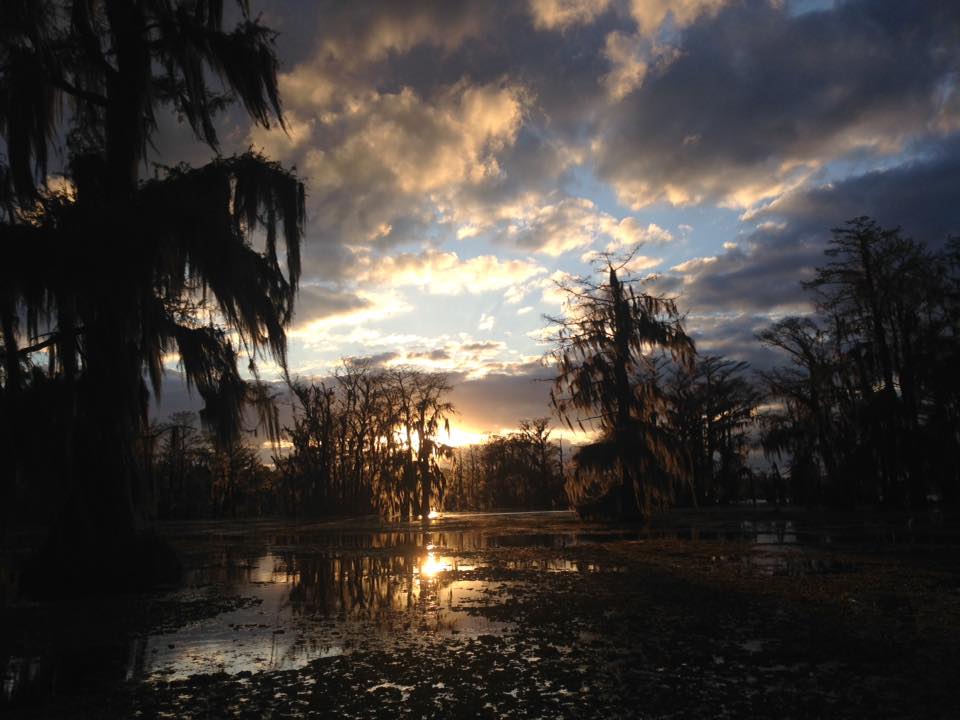
Inspired by Naomi Shihab Nye’s poem How Long Peace Takes from 19 Varieties of Gazelle, my students and I wrote our own How Long poems. The repeated line “As long as” followed by images works well to inspire poetry.  I wrote one about healing. I am slowly recovering from my tailbone injury. The bayou seems to appear often in my poems and as I am recovering, I have watched the bayou every day. Such a peaceful place to heal.

Peak through the old cypress to the brown bayou.

Peak through the old cypress to the brown bayou.

How Long Healing Takes

As long as reflections of tall trees on a winding bayou.

As long as the slow mowing of a field of grass.

As long as the the thread of soft yarn
winds its way into a baby’s blanket.

As long as the body insists
on being separate and human.

As long as instinct is ignored
and we just talk louder to each other.

As long as the cat
finds a box in the closet,
comfort in cardboard.
She hides all day invisible.

As long as the flowers in the vase
smile their peachy-orange smile
and say stay,
rest,
be well.
–Margaret Simon

And now for a few students’s poems.

How Long Patience Takes

As long as you rise at dawn

As long as the sun rises above
to shine upon us

As long as the teapot sings
a steamy song

As long as long as you make a wish
at 11:11

As long as you blow out you candles
on your special day

As long as you have
patience

As long as you leave at dusk

–Emily, 5th grade

How Long Creativity Takes

As long as you’re reading
with a smile on your face
so deep in your book
you can’t hear anything

As long as you’re drawing
letting the pencil control you
light and dark lines
here and there

As long as you’re brainstorming
with ideas flowing out left and right
shouting them out like you don’t care
while you peacefully think of some more

As long as you’re writing
with a pen in your hand
as you think of a story
and poem at the same time

As long as you let your imagination flow
making dreams a reality
and never losing hope
and letting your mind run wild

As long as you never stop believing
believe in the impossible
step out your comfort zone
and live a creative life

–Erin, 4th grade