Feeds:
Posts
Comments

Posts Tagged ‘Spanish moss’

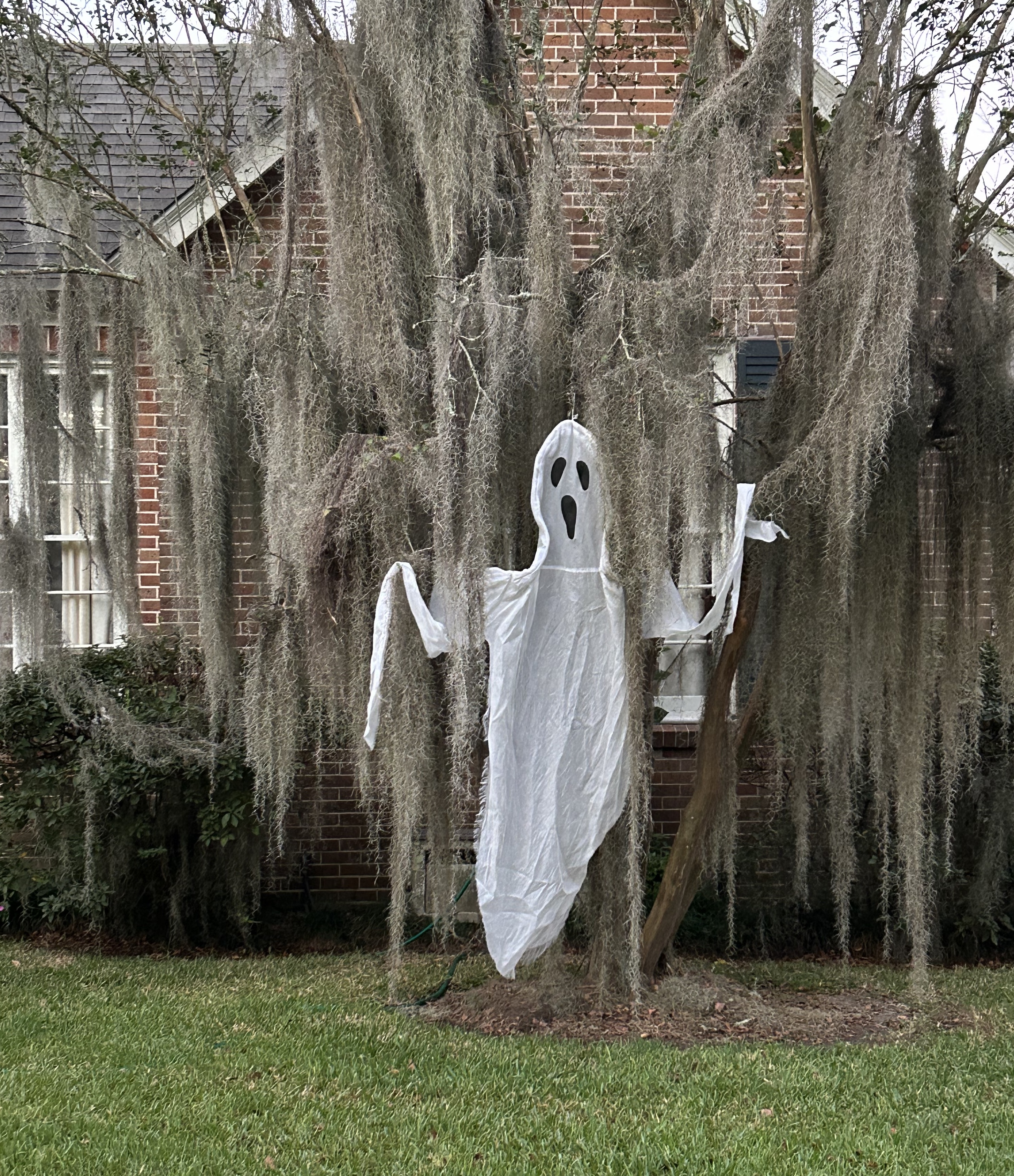
Mossy Ghost by Margaret Simon

If you have a tree covered in moss, then you must hang a ghost there.

I’ve taken a number of pictures of Halloween decorations thinking about the photo for this week. This one is the winner. In my neck of the woods (South Louisiana), moss covered trees are common. My husband grew up calling it “spooky moss”. It is the common Spanish moss, and on some trees, the stuff practically takes over the tree, even though I’ve read that moss is a bromeliad in the pineapple family and does not harm the tree.

“Many homeowners think that Spanish moss kills their trees. This is not the case because the moss is not parasitic. The only thing Spanish moss uses trees for is support.” University of Florida.

Yesterday as we were writing metaphors for artifacts in nature (#WriteOut), Avalyn created this form:
The (A, An) object in nature
is/is like …
describe how it is like
end with a connection to life

I tried the form when writing about milkweed seeds. I combined it with a prompt from Ethical ELA to write with words from paint chips here.


A milkweed seed
is a great white egret
showing off its lacy wings
to the mirrored pool in the sky.

Margaret Simon, draft

Spanish moss
are stalactites
hanging on a crepe myrtle
hosting ghostly terrormites.
Margaret Simon, draft

Now it’s your turn. You can try Avalyn’s form or use your own. Please encourage other writers with your responses. Happy Halloween!
Read Full Post »

Mossy Sunrise by Margaret Simon

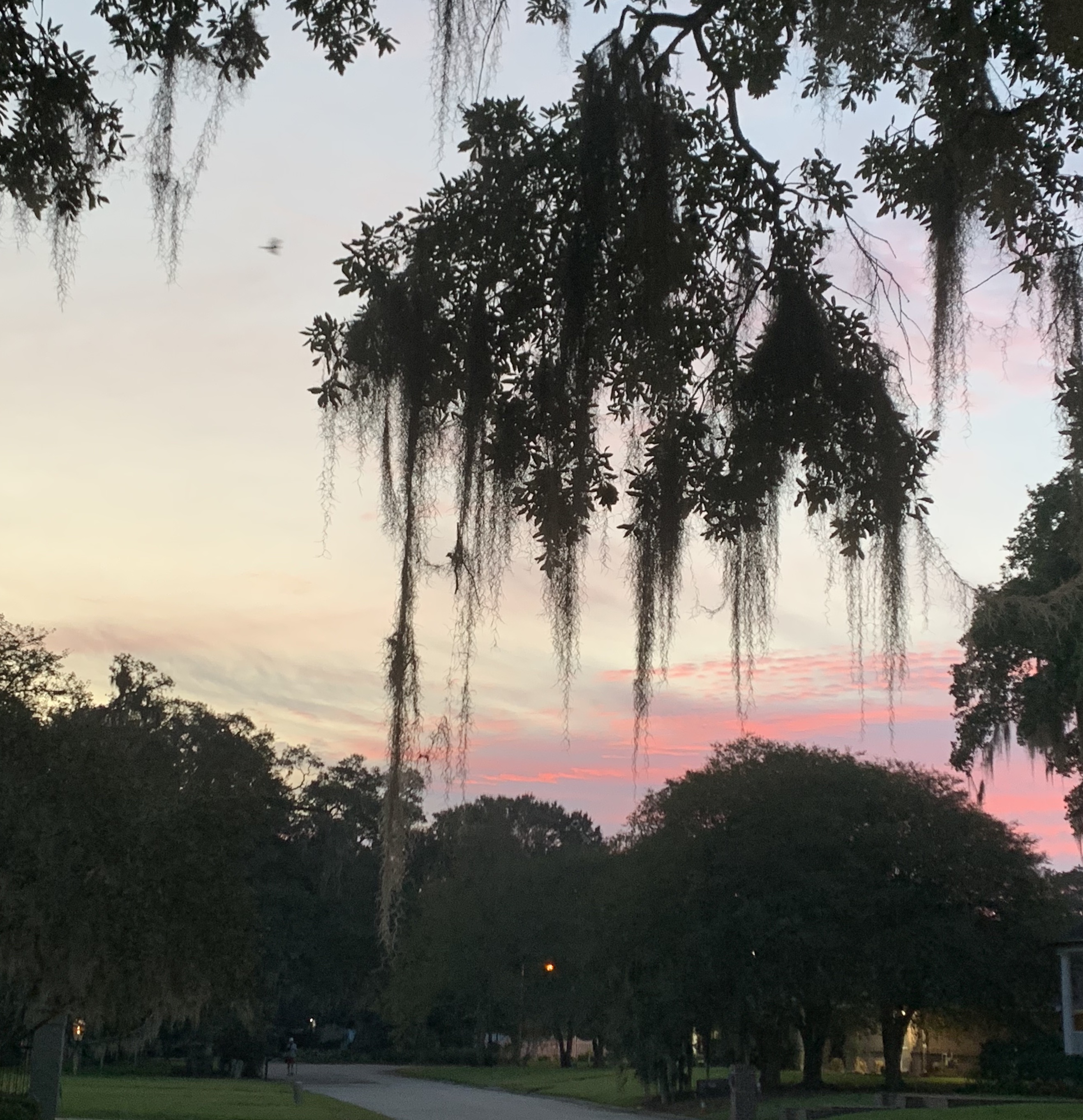
Most mornings I take a walk in my neighborhood. As the days get shorter, I am usually headed home by the time the sun begins to rise. The neighbor’s oak tree drapes over the street and I was drawn to the mossy tendrils hanging. It’s getting close to Halloween, so spooky is on the brain. But maybe this image isn’t spooky at all. Maybe it’s comforting, a sign of almost home, a signature of southern oaks.

My students and I have been writing short poems, haiku and six-word stories, the first two days of Write Out. What I’ve realized and shared with them is that short forms mean every word has to count. On the Write Out poetry page, I found a video by Rich Novack about found poetry. He suggests using nonfiction text from National Park trails to collect words for poetry. For my poem, I googled Spanish Moss and collected a list of words to use in a haiku.

Mother nature braids
her harmless silver ghost–
Sunrise silken shade

Margaret Simon, draft

Consider joining me and my students in writing outside today, observing nature. Perhaps you will find a text to build a poem from. Have fun! Leave your poems in the comments. Encourage other writers with your comments.

Read Full Post »

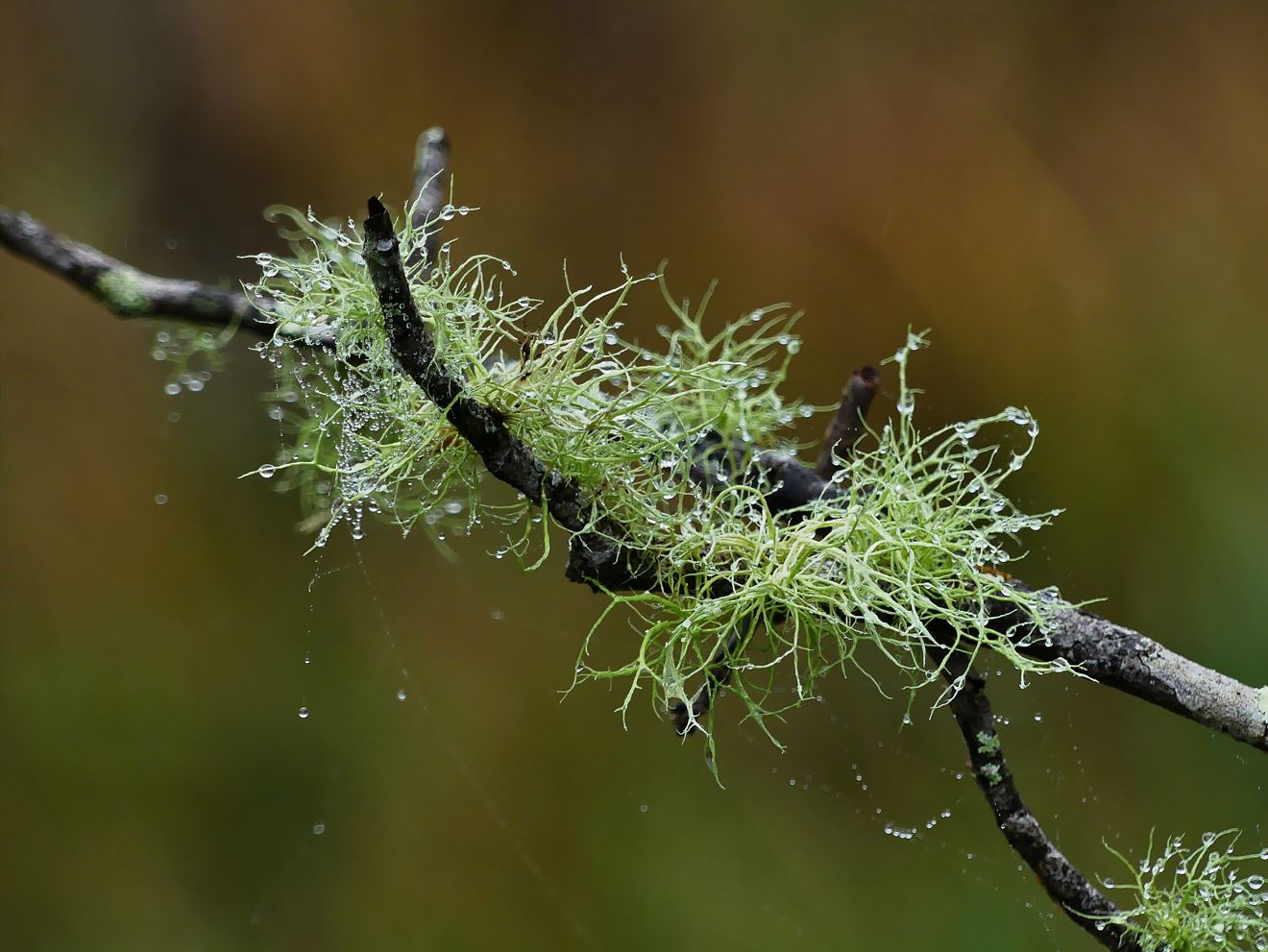
Happy New Year and Welcome to This Photo Wants to be a Poem. Let the muse take you away for a few minutes to the swamp of Louisiana where Spanish Moss drapes from trees. This week I am using a photo from photographer Henry Cancienne who head out to shoot photos on New Year’s Day when the weather was misty and warm (balmy). Henry’s photographs are featured in my book Bayou Song: Explorations of the South Louisiana Landscape.

Henry takes pictures of both flora and fauna of South Louisiana. Let this photo help you create a small new year poem (perhaps your first of 2023; it is mine). Share your poem in the comments and write encouraging responses to other writers.

Mossy branch by Henry Cancienne.

Swamp fairies
sprinkled dewdrops
to wake up the forest.
The new year was yawning.

Margaret Simon, draft

Read Full Post »

Discover. Play. Build.

Ruth Ayres invites us the celebrate each week. Click over to her site Discover. Play. Build. to read more celebrations.

In the month of April, the whole Kidlitosphere lights up for National Poetry Month. There are so many exciting projects going on.

The gatherer of all Kidlit poetry postings is Jama at Jama’s Alphabet Soup.

2016 Kidlit Progressive Poem copy

Today the Progressive poem is here with Joy.


Click the NaPoWriMo button for more about daily writing prompts and poem sharing.

napo2016button2

I am writing a poem-a-day to images. You can join me by leaving a poem in the comments or a link to your blog. Use #imagepoems on Twitter.  Today’s image is Spanish moss.  It hangs all over the trees in my neighborhood.

Spanish Moss

Spanish Moss

Columbarium

Moss crawls like skeletons in the trees,
a lacy tent for playful squirrels.
Even my cat, usually lolling and lazy,
joins in the chase, paws at the waving ghosts.

The moss speaks to the heavens,
the heavens that opened up with wind
and a storm yesterday when we placed
your ashes in the dovecote

outside the church
where you can live forever
in the eyes of God, or, at least, I’ll
say hello when I pass by on Sunday.

We do not know what time
has prepared for us
to walk in or to walk out
with ashes on our foreheads,
and now you are ashes in the tomb.

What does this say about the squirrels?
Do they know something?
Who are they chasing?

–Margaret Simon


Process: When I wrote the poem to this image of moss, I had returned from a funeral for a church member.  I did not know him well, but every funeral is a deeply spiritual experience.  And I was moved by the sudden wind and heavy rain that fell immediately following the placement of his urn into the columbarium.  I looked up columbarium on Wikipedia and found the word origin of “columba” refers to the compartments used for doves, dovecote.  I somehow think Charles will like playing in the trees with cats and squirrels.  And now that I have written it, I will say hello to him when I pass each Sunday.

Read Full Post »