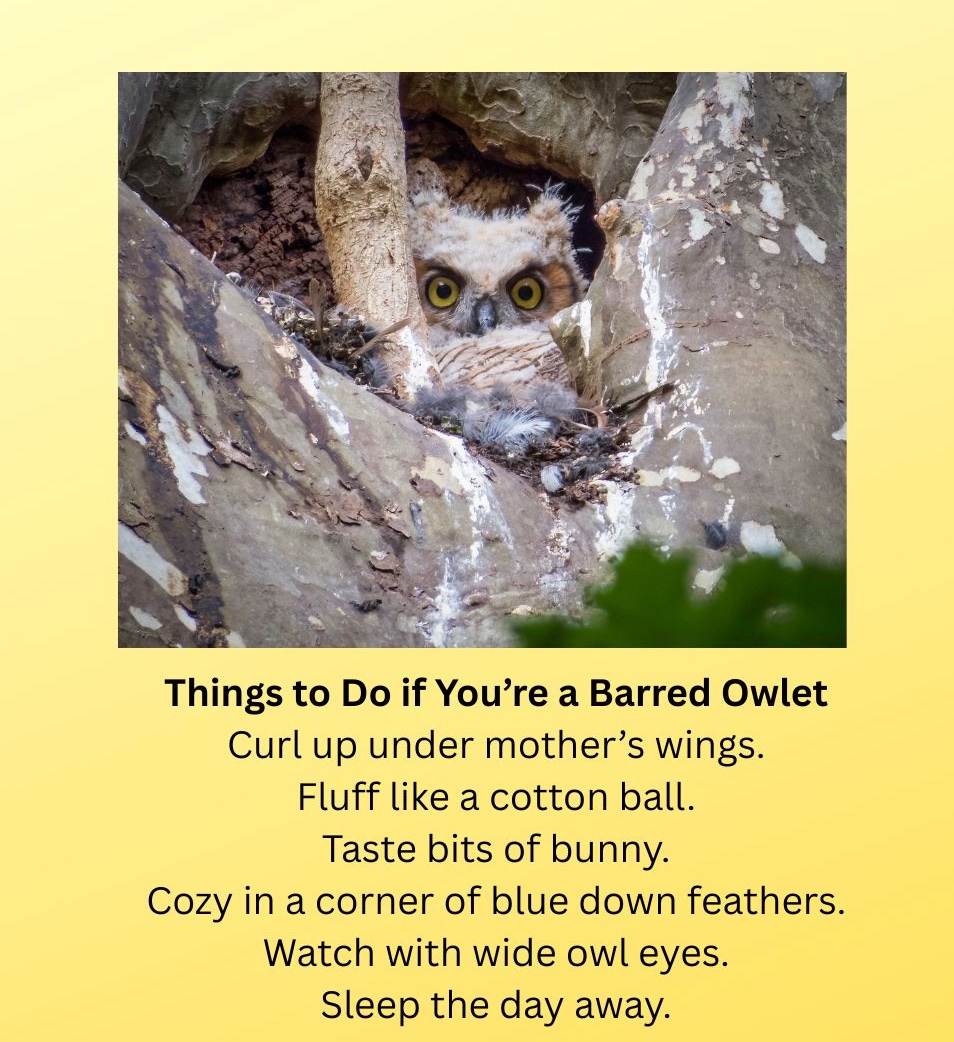
In my book Bayou Song: Creative Explorations of the Southern Louisiana Landscape , I have a Things to Do poem about the alligator snapping turtle. You can see the poem and poem prompt here. On Friday, I was looking at the Barred Owl Cam from All about Birds with a young poetry student. We wrote Things to Do poems. From Ethical ELA, Tammi Belko suggested using random words to write a poem. This prompt fit well with our Things to Do poems. We looked at AI generated words about barred owlets and made a list of words to use in our poems.
On Saturday #Verselove, the prompt came from Jordan Stamper. She asked us to think about food memories. What she didn’t know was that very morning I was making a food memory with my grandson Thomas.
Banana Bread (first line from Billy Collins)
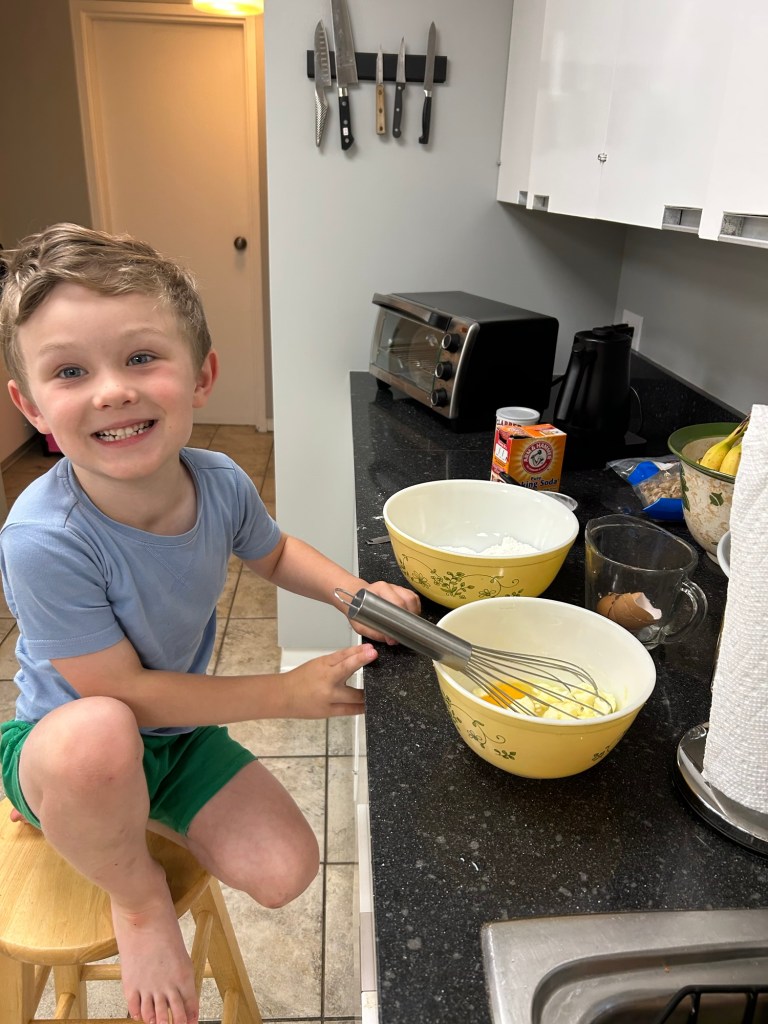
I love the sound of a grandson in the morning finding the muffin tins and demanding to bake with me.
We gather flour, sugar, butter, eggs– Stir the dry. Whisk the wet. Smash dappled sweet bananas.
“When will the banana bread be ready? he whines, melting my heart with his crystal blue eyes. Goodness takes time to rise.
I am a teacher who writes alongside my students. I show them my draft, the messy one in the notebook. We are writers together. This is my teaching philosophy and has been for years. Because it works for us all! I get time to write, and my students see themselves as part of a writing community.
I’ve been working my way through Ethical ELA’s new book 90 Ways of Community. Many of the prompts are tried and true. “How to Be” was posted by Sheri Vasinda. Her directions originated with Barry Lane’s Reviser’s Toolbox. I found the exercise to be similar to the “Things to Do” poem form. The prompt started us off making a list of 6-10 facts.
This way into a poem encourages us to think about and research the ways a chosen animal lives in the world. I asked myself and my students to push beyond just a list of facts, but to see how they could figuratively be applied to humans. How can you be like the animal?
I was reminded of my poem “Things to Do if You’re a Snapping Turtle” from my book Bayou Song. The poem and the prompt can be found here.
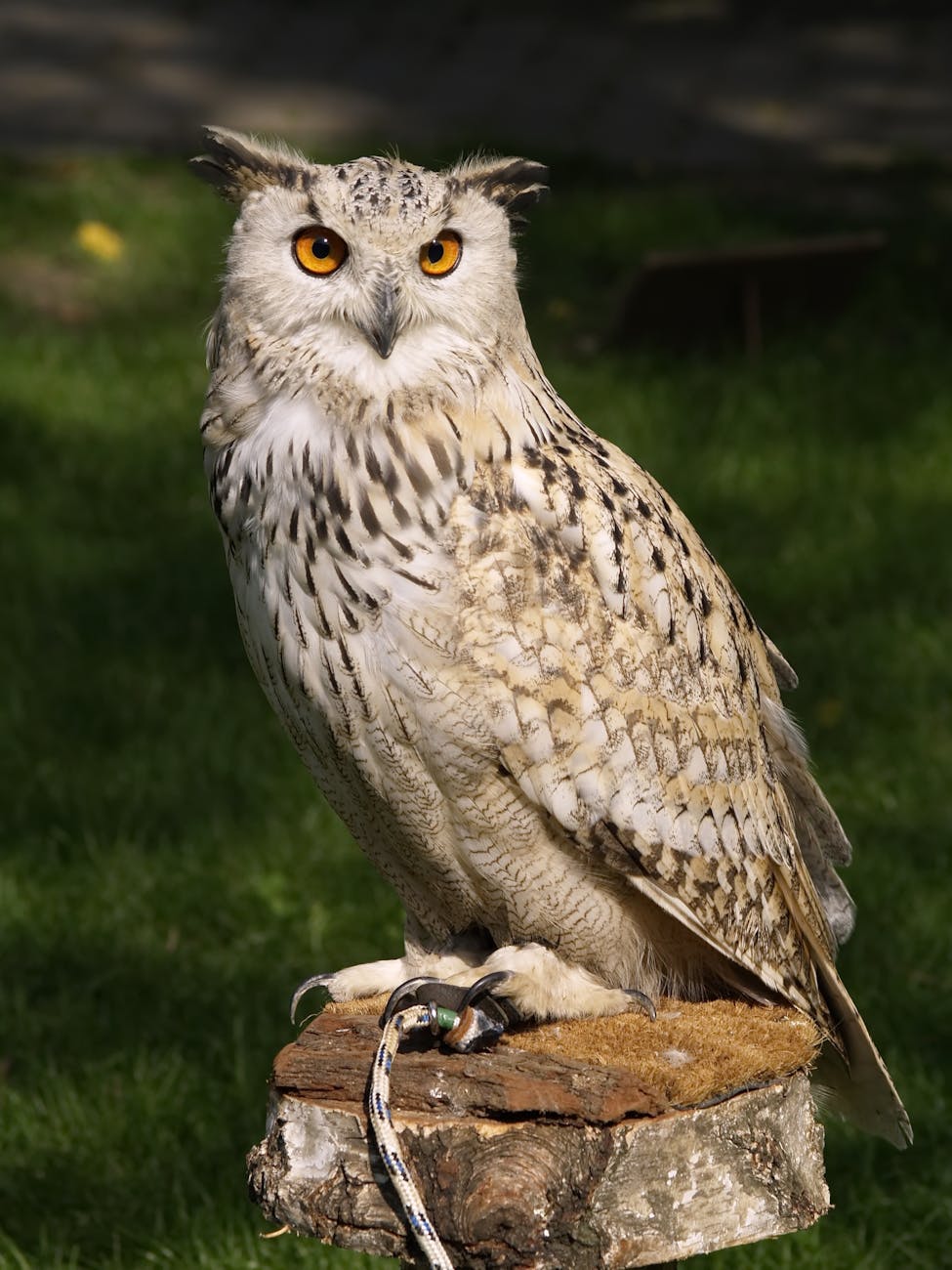
Yesterday I was thinking about owls. Owls are common here on the bayou. A friendly neighborhood one starts hooting before the sun goes down.
How to be an Owl
Lift your beak to the world Whhhooot in the dimming light of winter This is your time to fly–quiet and with intention Sharpen your sight Swallow whole Spit out what you don’t need Be a goddess of reason Make wisdom your home
by Margaret Simon, draft
This was a fun prompt to start off our last week before the holiday break. Kailyn took her poem to a hilarious place. Here’s to a funny poem!
How to be a Capybara
Gain 150 pounds
Be the largest living rodent.
Be present in social gatherings.
Become committed to eating your droppings.
Have a jolly 10 years of living.
When swimming, look very pleasant.
Stick with the diet of plants.
When you see a Guinea Pig,
Give them a hug because you are family.
When you are a Capybara,
Don’t end up in a chimichanga.
by Kailyn, 6th grade (To leave comments for Kailyn, click here.)
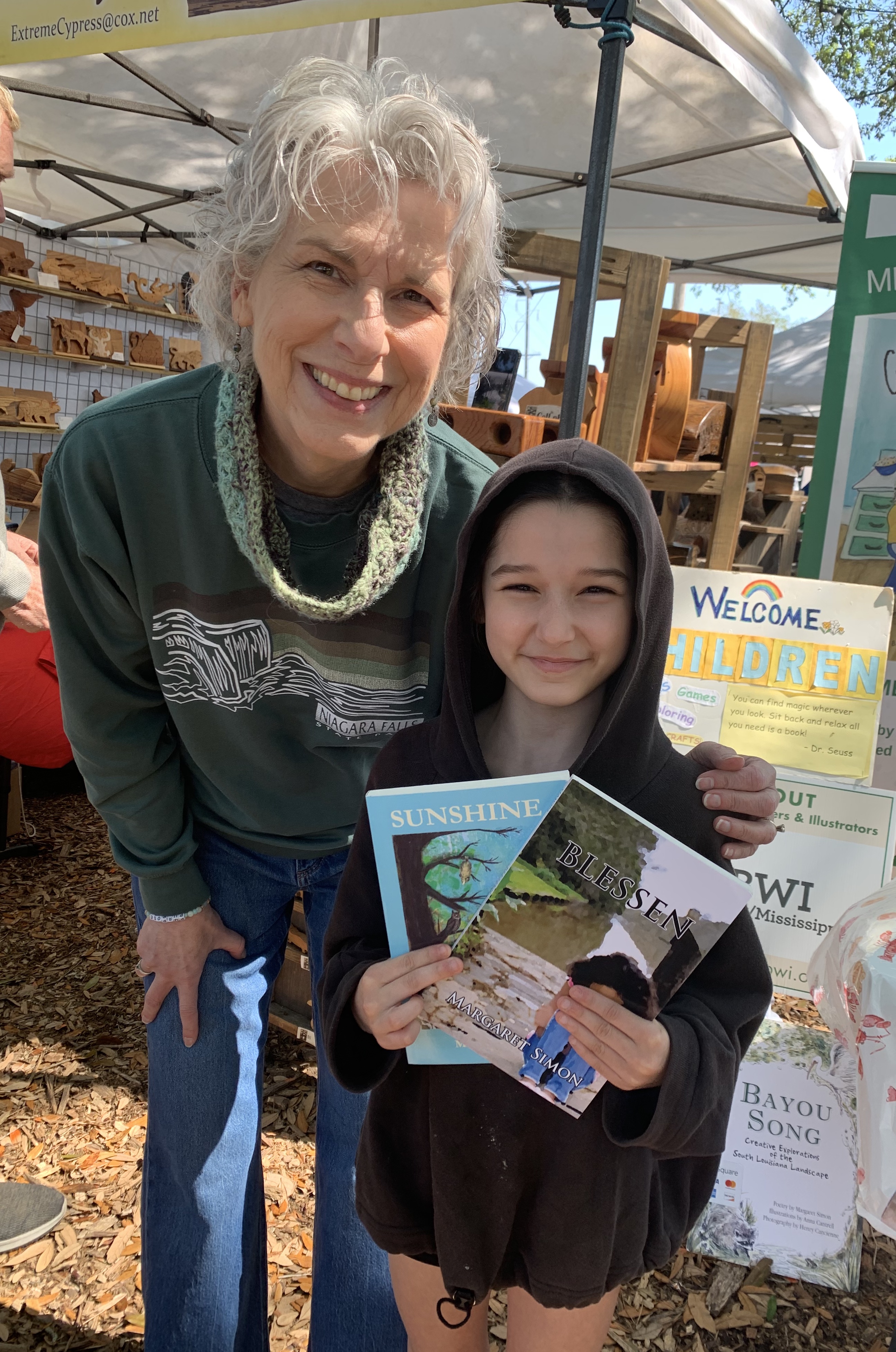
On Saturday, early in the morning, I set up a booth with two of my regional SCBWI friends. We offered our books for sale and some fun crafty activities for kids at the Lafayette Farmers & Artisans Market.
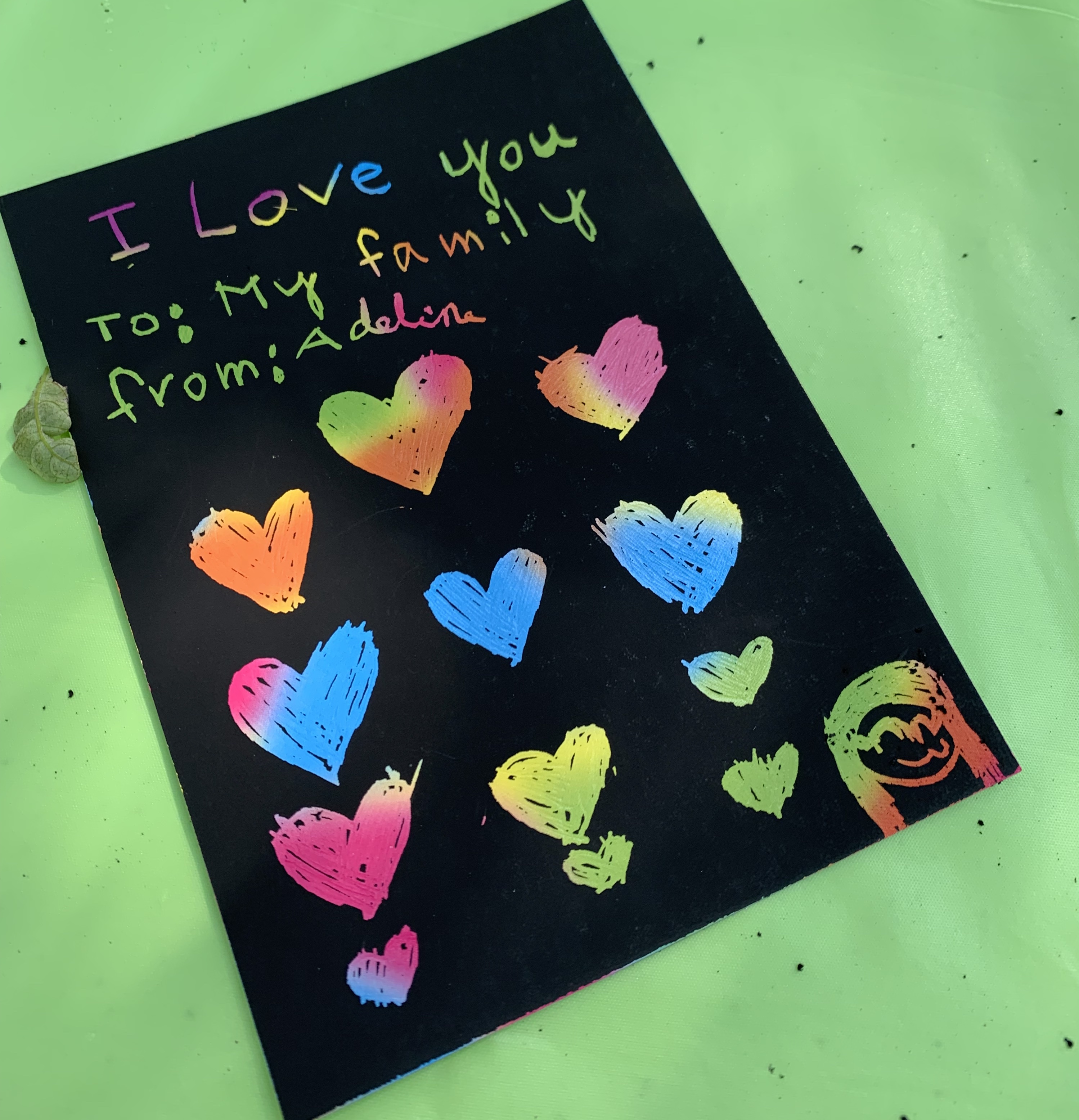
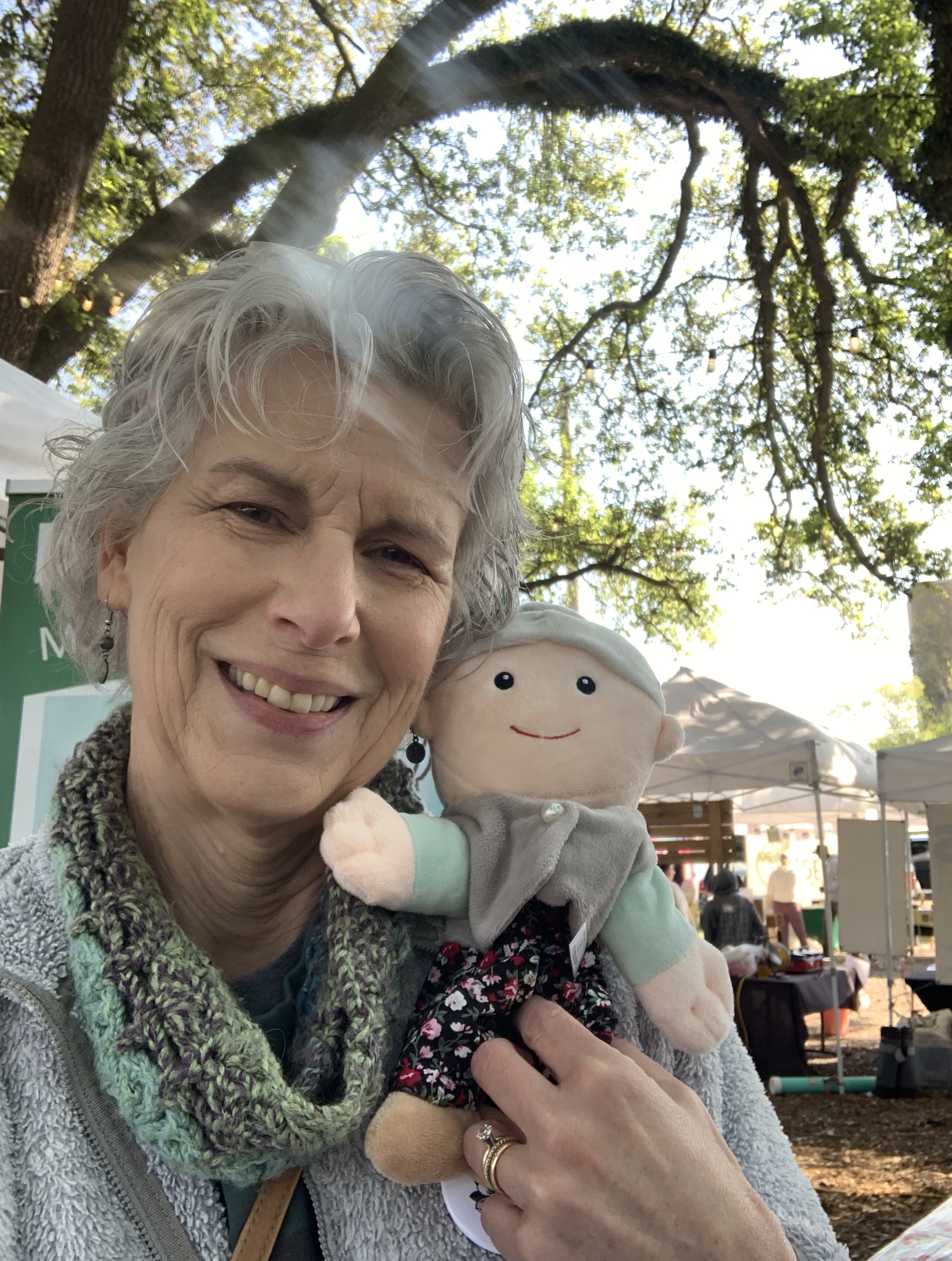
Rainbow paper is magical.Me with Mamere dollMy only sale of the day!
Middle grade novels and poetry books are not best sellers in this market. My friends who have picture books sold more than I did. But I didn’t care. It was a beautiful day!
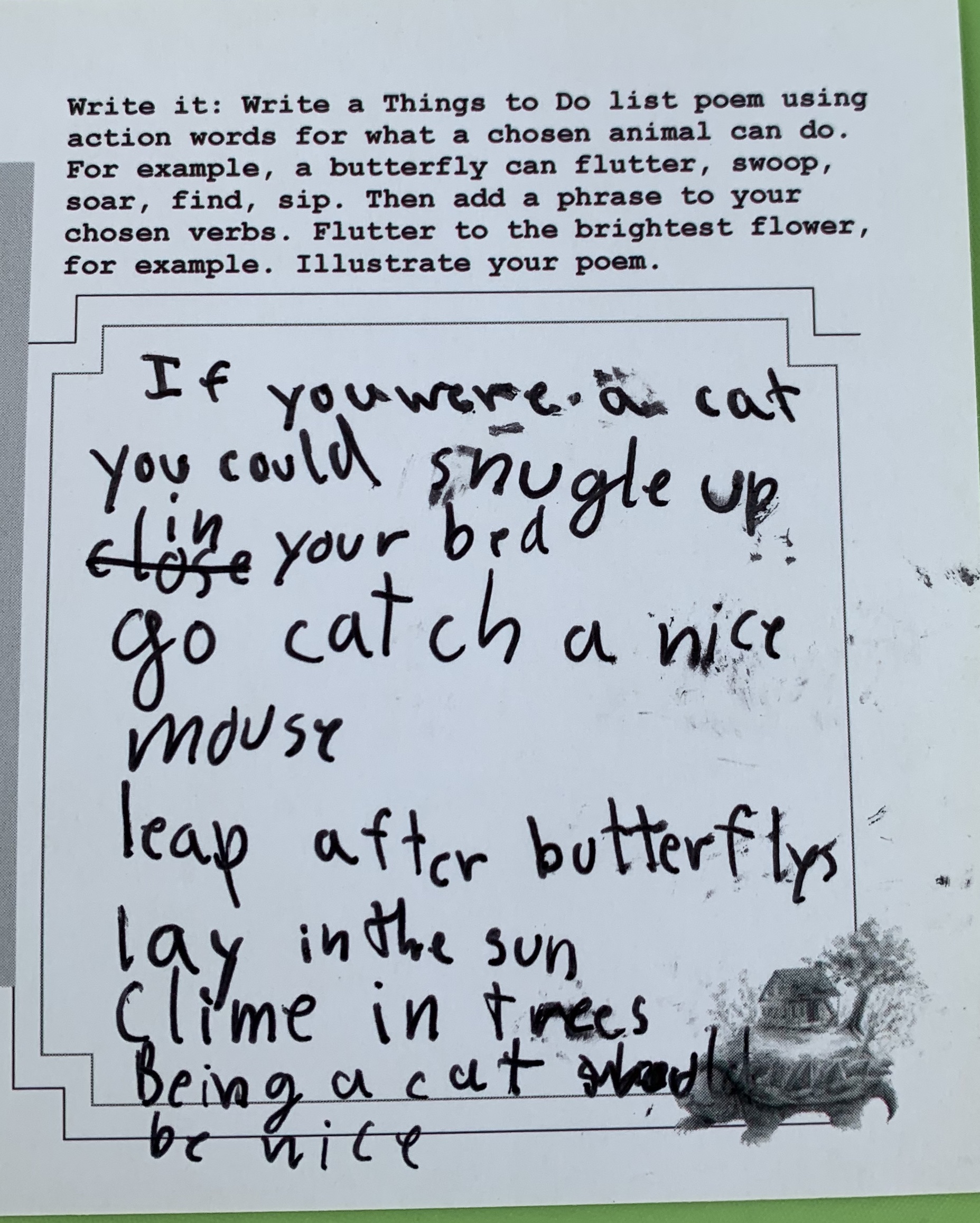
When I saw a middle grade girl, I asked her if she would like to write a poem. She looked eager, so I gave her a card with a prompt from Bayou Song, a Things to Do poem. She did it! I told her she was the poet of the month and posted it on Facebook. Her mother recognized immediately that we were all teachers and said, “This is a magical space.” That comment and her daughter’s poem made every minute worth it.
To celebrate National Poetry Month, #AuthorsTakeAction2023 is organizing a community poetry project for kids.
Children’s poets and authors from all over the country are offering poetry prompts and inviting teachers and children to write poems on the topic of climate change.
My poem prompt is a Things to Do Poem. This is a form I used in my book Bayou Song: Exploration of the South Louisiana Landscape. The alligator snapping turtle is not endangered as far as I know, but it is a celebrated Louisiana critter.
To begin, select a bird or animal that is endangered in your area. I did a Google search for my state “Endangered animals in Louisiana.” I was amazed to find out that Kemp’s Ridley sea turtles had hatched near New Orleans. And I also thought they were very cute to draw.
My friend Julie Burchstead sent me instructions for a crayon resist art project.
With a pencil, draw your chosen bird or animal on watercolor paper. Create a contour drawing with no shading. It will look like a coloring book page.
2. After drawing, outline the pencil lines in Sharpie marker. (The marker must be permanent or the ink will smear.)
3. Color with crayon or Cray-pas. Julie says, “Note: The crayon must be applied darkly (thick). If it is too light, there will not be enough wax to resist the wash, and the crayon work will be lost. Any areas that must remain white, must be colored white with crayon. ”
4. Using watercolor paint, select a single color of paint. Pool a few drops of clean water into the chosen color with a wide brush. (Do not use the skinny one that comes with the kit.) Wash (spread) the paint over the whole image. Where there is crayon, the wax will resist the paint.
5. Create a list poem using action words to begin each phrase. You may personify your chosen animal.
Things to Do if You’re a Kemp’s Ridley Sea Turtle
Hatch for the first time in 75 years. Crawl toward the ocean. Leave tracks in sand for researchers to find. Return to your nest on the Chandeleur Islands. Find a protected sanctuary. Restore hope in Louisiana’s wetlands. by Margaret Simon
Here are a few student examples:
Things to do if you’re an Eagle
Fly in the air. Attack little fish. Snag on meat. Glide over the ocean. Soar over 10,000 feet! Symbolize our nation.
by Brayden, 3rd grade
Things to Do if You’re a Grasshopper Sparrow
Land on a fingertip. Eat earthworms, snails, and spiders. Let your wings soar on the ground. Carry on with the wind. Find a sanctuary of protection.
Thank you to Two Writing Teachers for creating an amazing community of writers and a safe, welcoming space to write and share.
The last two weeks have offered a wealth of writing inspiration as we participated in #write0ut, a National Writing Project and National Park Service collaboration. Teaching gifted kids challenges me to find quality writing activities that will inspire, motivate, and engage my young students. #Writeout 2021 did not disappoint. And the resources will remain available on the website here.
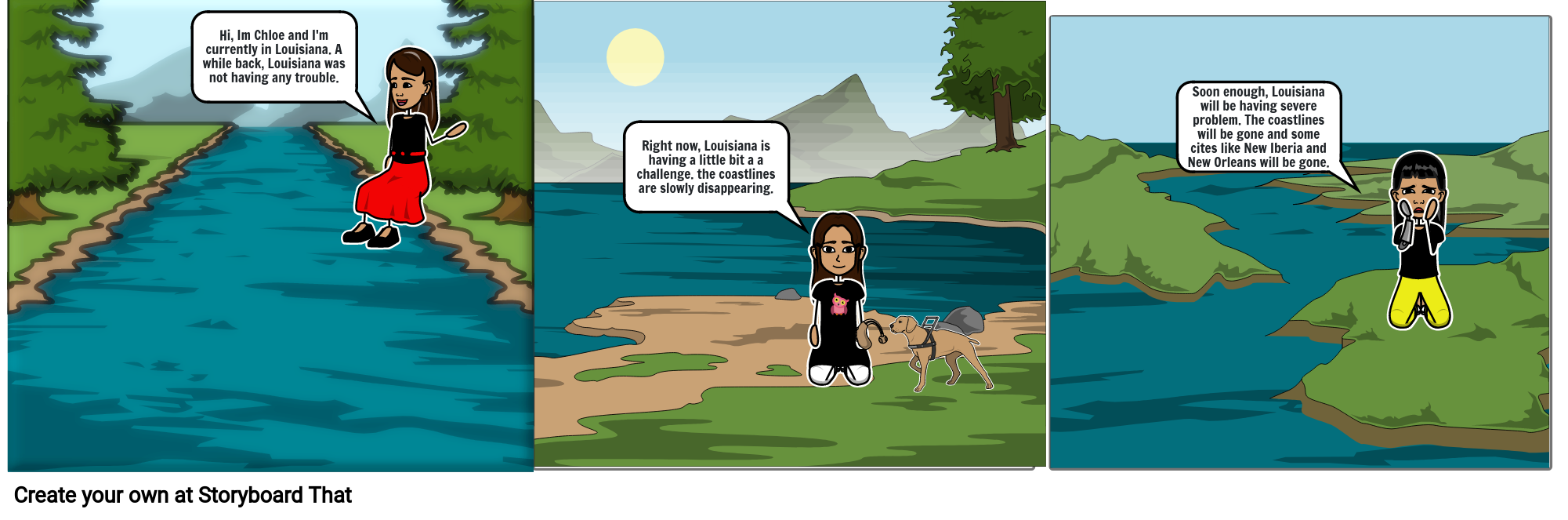
My students have created storyboards with Storyboard That about geological changes over time.
Chloe’s storyboard about Louisiana’s loss of wetlands.
They wrote poetry. Things to do if you’re a puppy by Avalyn:
Pound on a window when you want to go on a walk, purr when you want pets. Go outside and dig when you’re bored. Lastly only bark when you’re in danger.
Avalyn, 2nd grade
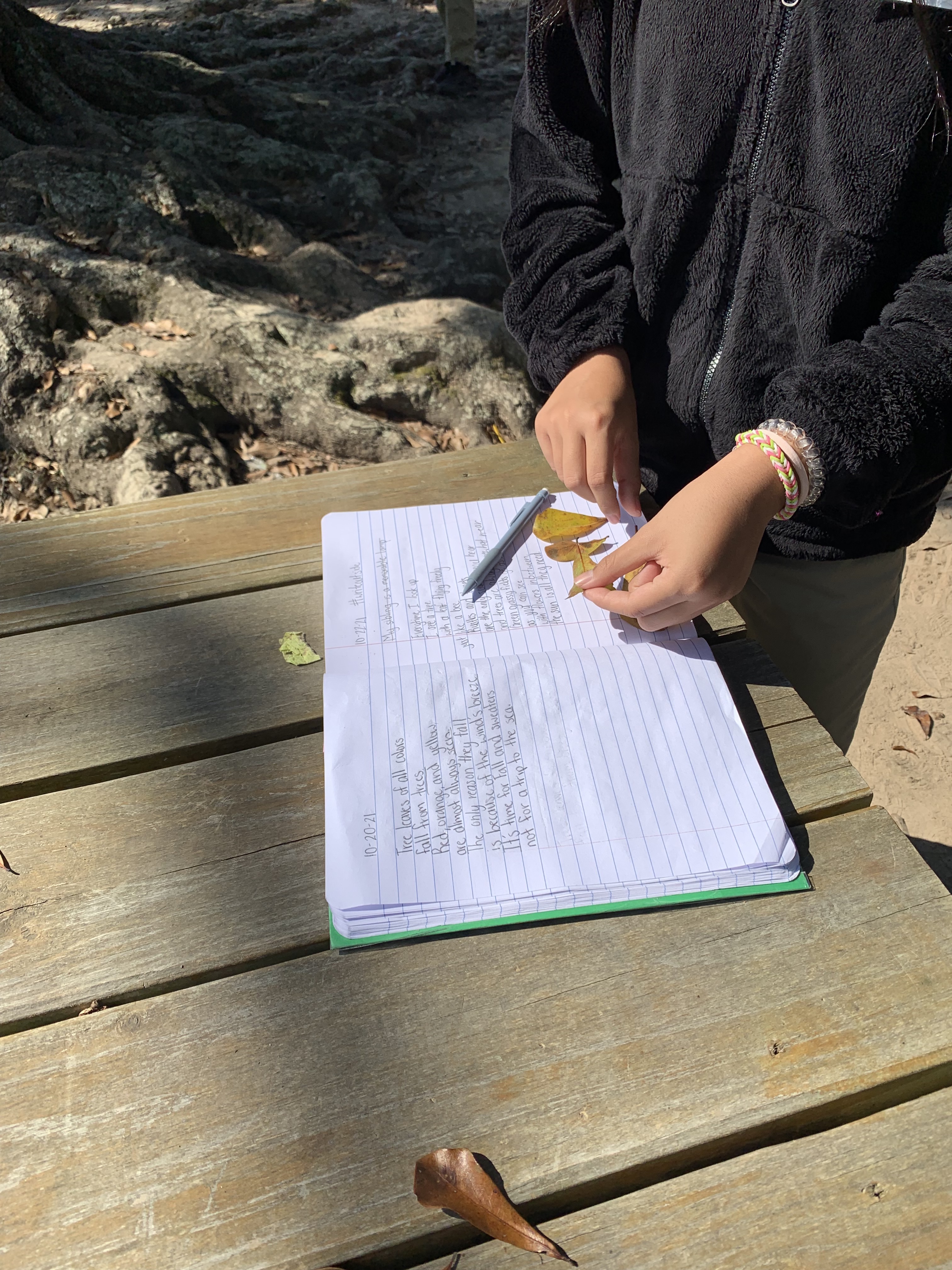
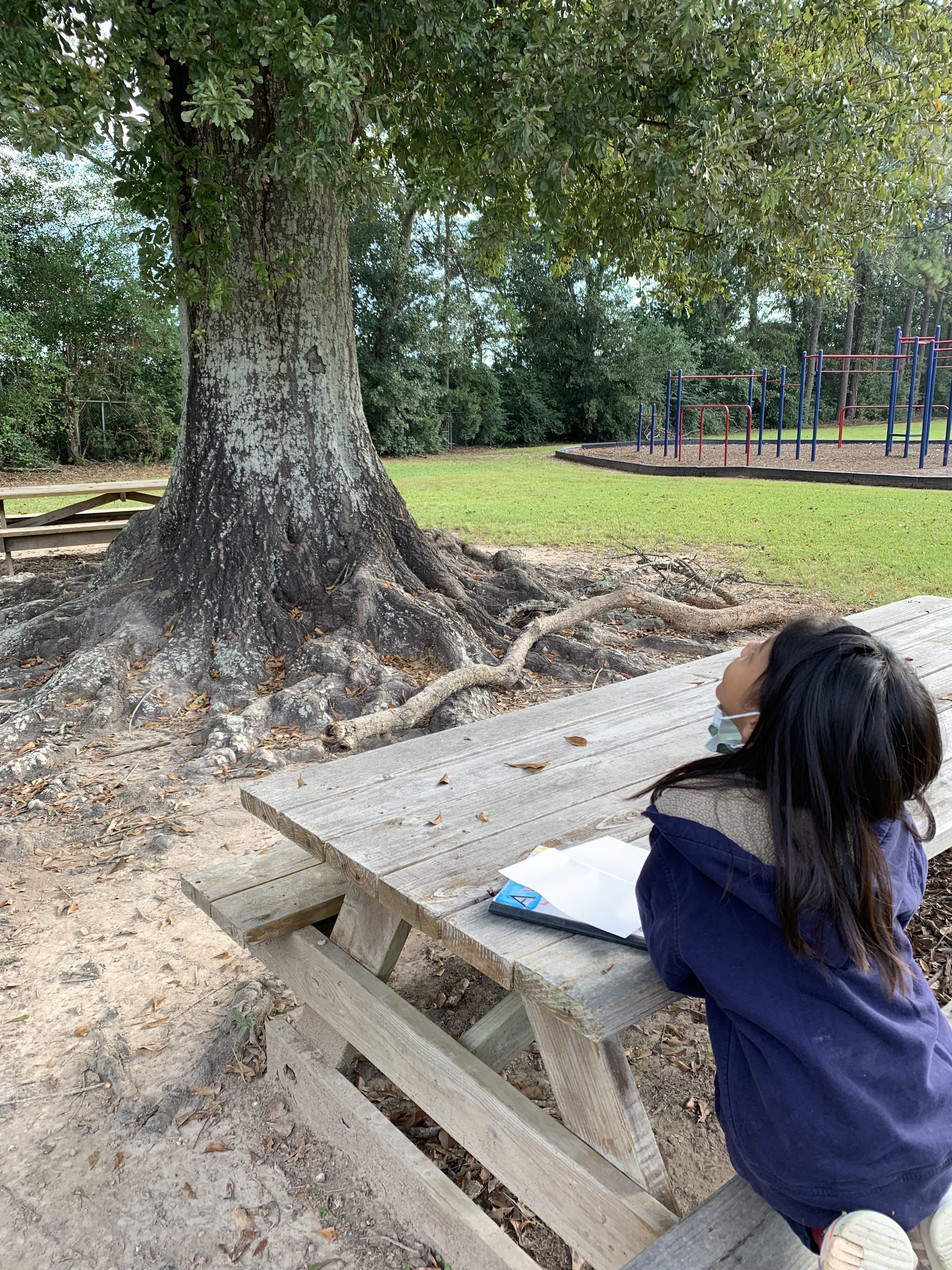
On Friday, we ventured outside to the playground. At one school, there is a large live oak. My students sat underneath the tree for writing inspiration and gathered natural materials to create an art piece.
Katie gathers leaves for her notebook.
Avalyn observes a live oak tree.
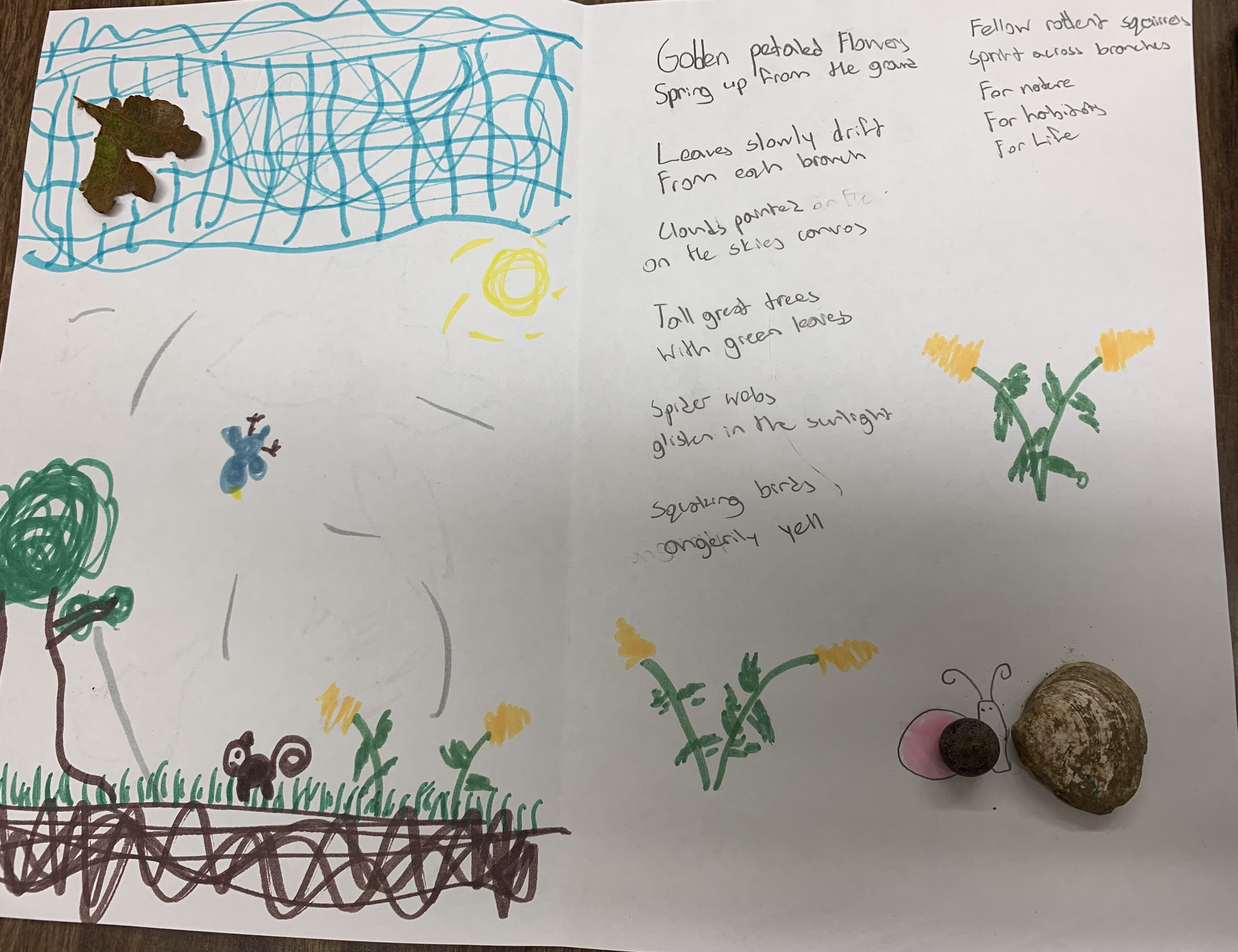
Jaden’s are collage and poem
Golden petaled flowers spring up from the ground
Leaves slowly drift from each branch
Clouds painted on the sky’s canvas
Tall great trees with green leaves
Spider webs glisten in the sunlight
Squawking birds angrily yell
Fellow rodent squirrels sprint across branches
For nature For habitats For life
Jaden, 6th grade (form inspired by Irene Latham)
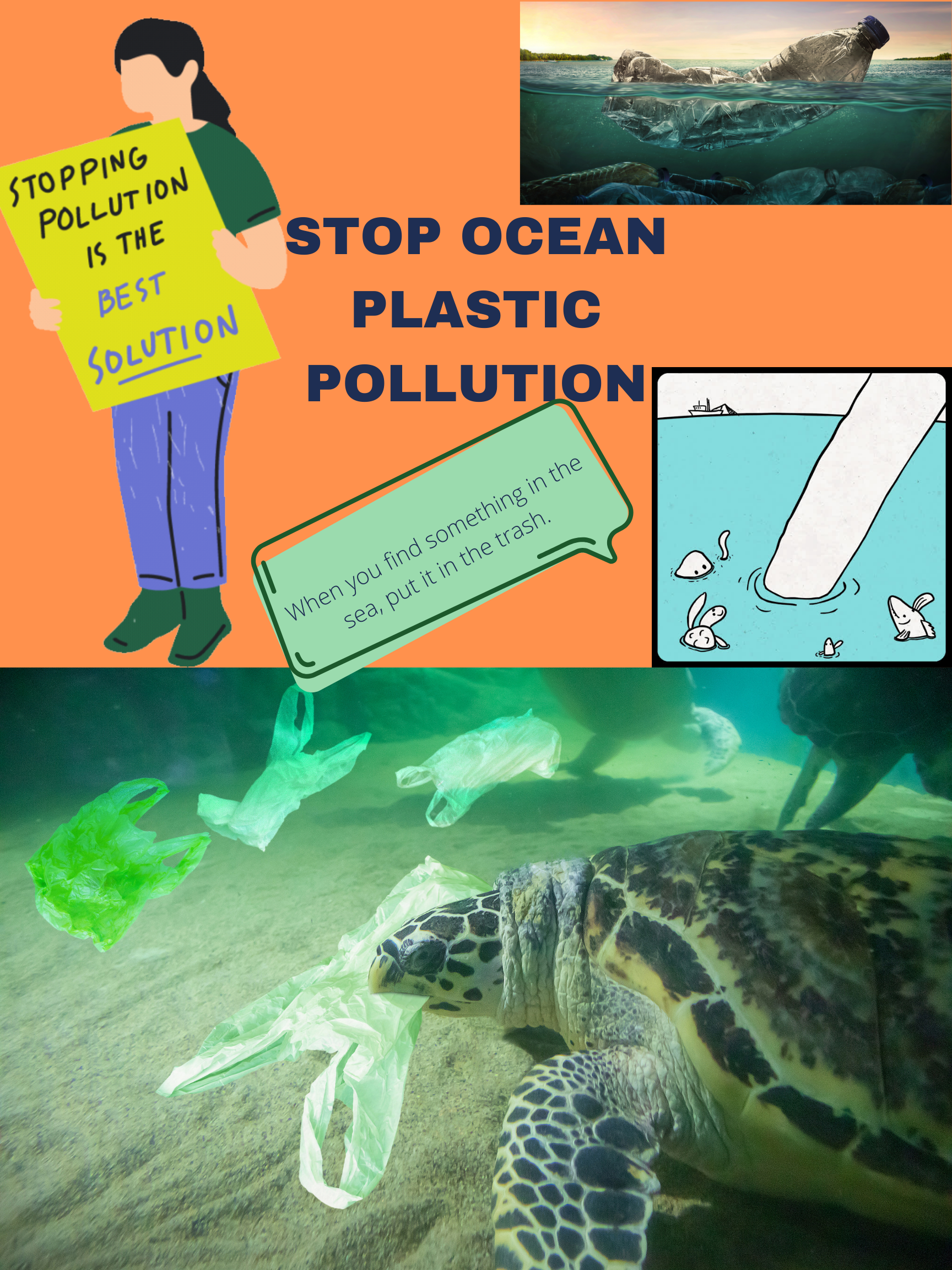
Another #writeout prompt asked students to make a poster. We used Canva and Adalyn create this one. On Canva it’s animated. You can view the animated version here.
Spiritual Journey First Thursday is being gathered today by Fran Haley.
Take Heart is Fran’s choice for our Spiritual Thursday posts. In my Mississippi childhood, Dear Heart was a common feminine expression, similar to cher in the Cajun culture I now live in. Dear heart is an expression of endearment that could have a connotation of condescension.
But Take Heart is not at all condescending. In a sense, its meaning is quite the opposite. To Take Heart is a way to overcome the troubles of the world.
“I have said these things to you, that in me you may have peace. In the world you will have tribulation. But take heart; I have overcome the world.” — John 16:33
Take Heart means to live a life that understands there is trouble, there is hardship, there is pain, but there is a greater spirit that overcomes and offers hope. As I read Out of the Dust with a student this week, he identified the theme, “There is always hope.” A pandemic is a kind of Dust Bowl for our time. We have little control over who the virus will target next. Our handkerchiefs are our masks. We stay distanced to avoid the dust. Yet, there is hope. There is always hope.
I started thinking about ways I overcome and find peace in my own life and wrote a “Things to do” poem.
Things to Do to Take Heart
Notice the singing of morning birds. Begin each day in prayerful meditation. Read poetry. Write poetry. Write a letter to a girl in prison. Fold an origami heart. Sing a lullaby to a new baby. Take a child to the park. Swing with him on your lap. Kiss the screen on Facetime. Laugh with your partner. Go to sleep to the owl’s call.
Margaret Simon, 2021
My students and I are making origami heart messages for V-Day.
Margaret Simon lives on the Bayou Teche in New Iberia, Louisiana. She is a retired elementary gifted teacher who writes poetry and children's books. Welcome to a space of peace, poetry, and personal reflection. Walk in kindness.






 Reflections on the Teche