Feeds:
Posts
Comments

Archive for the ‘Poetry’ Category

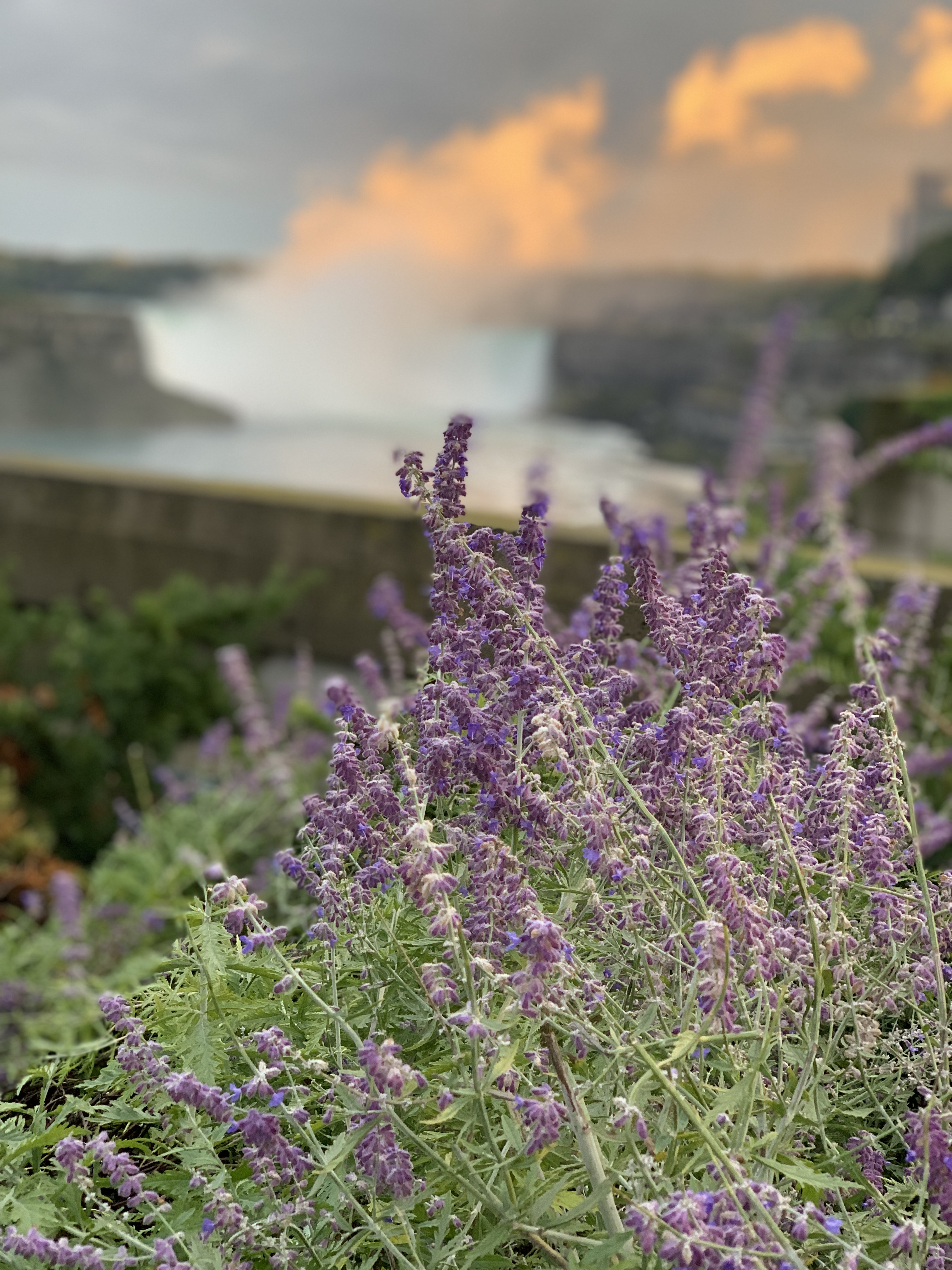
Wildflowers at Niagara Falls, Oct. 2023

For Fall break, my husband and I visited Niagara Falls. This trip was a bucket list item for me. The Falls did not disappoint. They are an amazing feat of nature, the kind that cannot be captured in a photo or video. You have to be there to hear the sounds of hundreds of thousands of gallons of water falling each second. I took a lot of pictures, but when I look at them now, they pale in comparison to the real live event. I’m so happy we did this trip. I highly recommend it. If you are planning to go, let me know. I have suggestions.

This morning’s Poem-a-Day from the Academy of American Poets was by Emily Lee Luan The warble of melting snow is the river. I borrowed her form for my own poem. I find that using a form helps me get out of my head and allowing creativity to do its magic.

The chant of rocks is the falls (after Emily Lee Luan)

is the rush of gravity
is the impulse of water*
is the pull of a mother… child
is the everlasting light of the sun
is the building of power
is the electricity of ages
is the reflection of rainbows
is the promise of peace
is the waking of a dream
is the shift of river
to fall.

Margaret Simon, draft

When you are inspired to write, please leave your poem in the comments so we can share. Write encouraging comments for other writers.

Read Full Post »

Rich Novach in this video led us on a trail to writing found poetry. My students and I selected a National Park to research and “find” text that can be placed into a poem.

I visited Glacier National Park a few years ago, and the experience has stayed with me. I found my poem on the park’s website. I wrote it in the form of a nonet, 9 lines with each line using a syllable count of 9,8,7,6,5,4,3,2,1.

Ya-qawiswitxuki*

A place where there is a lot of ice
of meltwater irrigation
ice flowing under its weight
alpine meadows showcase
adventurous wild
carved paradise
history
melting
ice

*Kootenai word for Glacier National Park

Margaret Simon, found on the trail
Photo by Tiffany Bumgardner on Pexels.com

To view some of my students’ poems and leave comments:

Kailyn: Hot Springs National Park

Carson: Olympic National Park

Avalyn: Yellowstone National Park

John-Robert: Hawai’i Volcanoes National Park

The roundup is with Catherine at Reading to the Core.

Read Full Post »

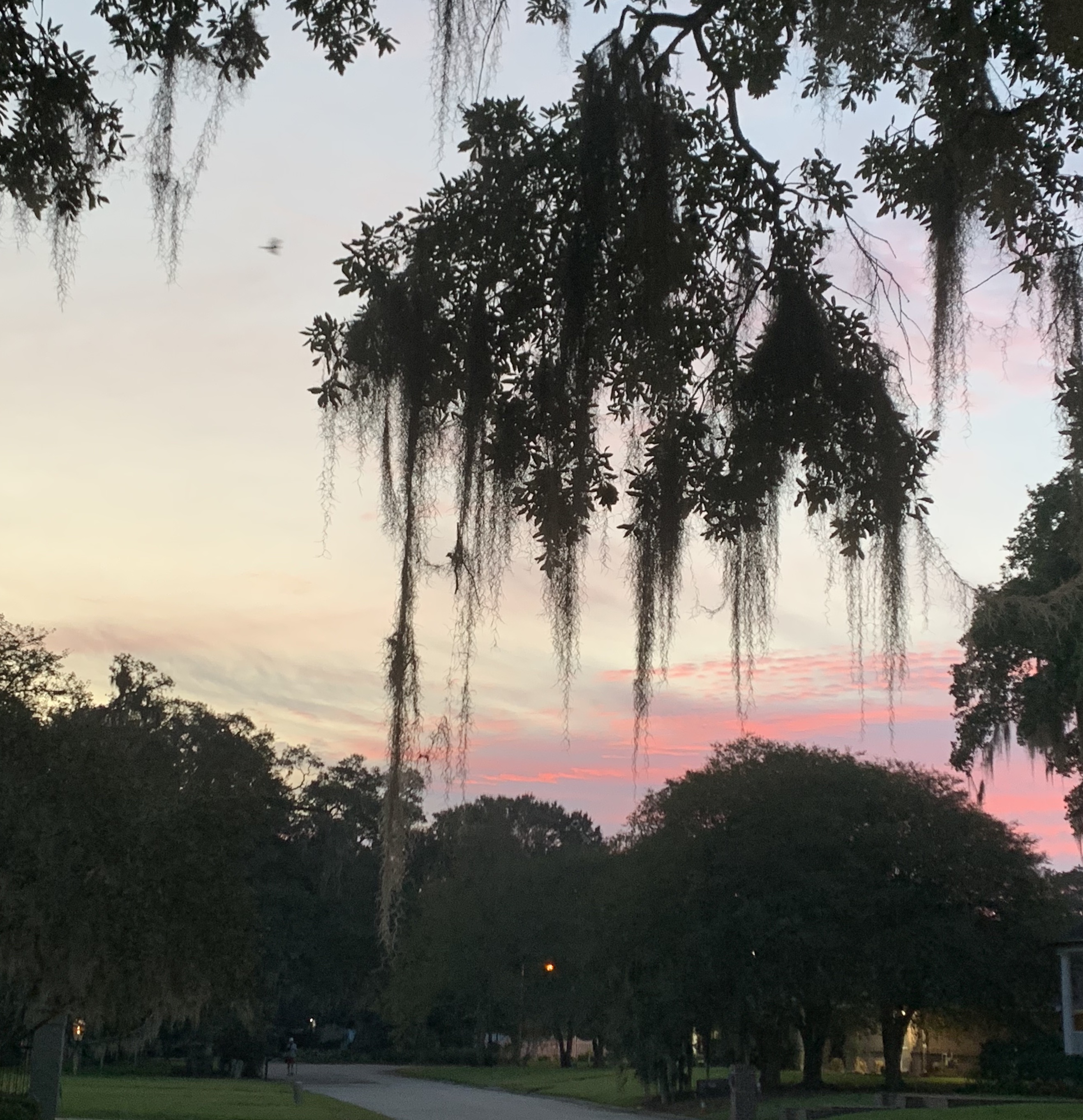
Mossy Sunrise by Margaret Simon

Most mornings I take a walk in my neighborhood. As the days get shorter, I am usually headed home by the time the sun begins to rise. The neighbor’s oak tree drapes over the street and I was drawn to the mossy tendrils hanging. It’s getting close to Halloween, so spooky is on the brain. But maybe this image isn’t spooky at all. Maybe it’s comforting, a sign of almost home, a signature of southern oaks.

My students and I have been writing short poems, haiku and six-word stories, the first two days of Write Out. What I’ve realized and shared with them is that short forms mean every word has to count. On the Write Out poetry page, I found a video by Rich Novack about found poetry. He suggests using nonfiction text from National Park trails to collect words for poetry. For my poem, I googled Spanish Moss and collected a list of words to use in a haiku.

Mother nature braids
her harmless silver ghost–
Sunrise silken shade

Margaret Simon, draft

Consider joining me and my students in writing outside today, observing nature. Perhaps you will find a text to build a poem from. Have fun! Leave your poems in the comments. Encourage other writers with your comments.

Read Full Post »

Thank you to Two Writing Teachers for creating an amazing community of writers and a safe, welcoming space to write and share.

My students and I have been looking forward to the National Writing Project’s Write Out, a writing event that takes place in October. NWP partners with the National Parks to create videos and writing prompts designed to get kids outside to write. Last Friday, I handed each student a 5×7 blank book and told them it would be their Write-Out notebook. What is it about having a new clean colorful book that makes you want to write?

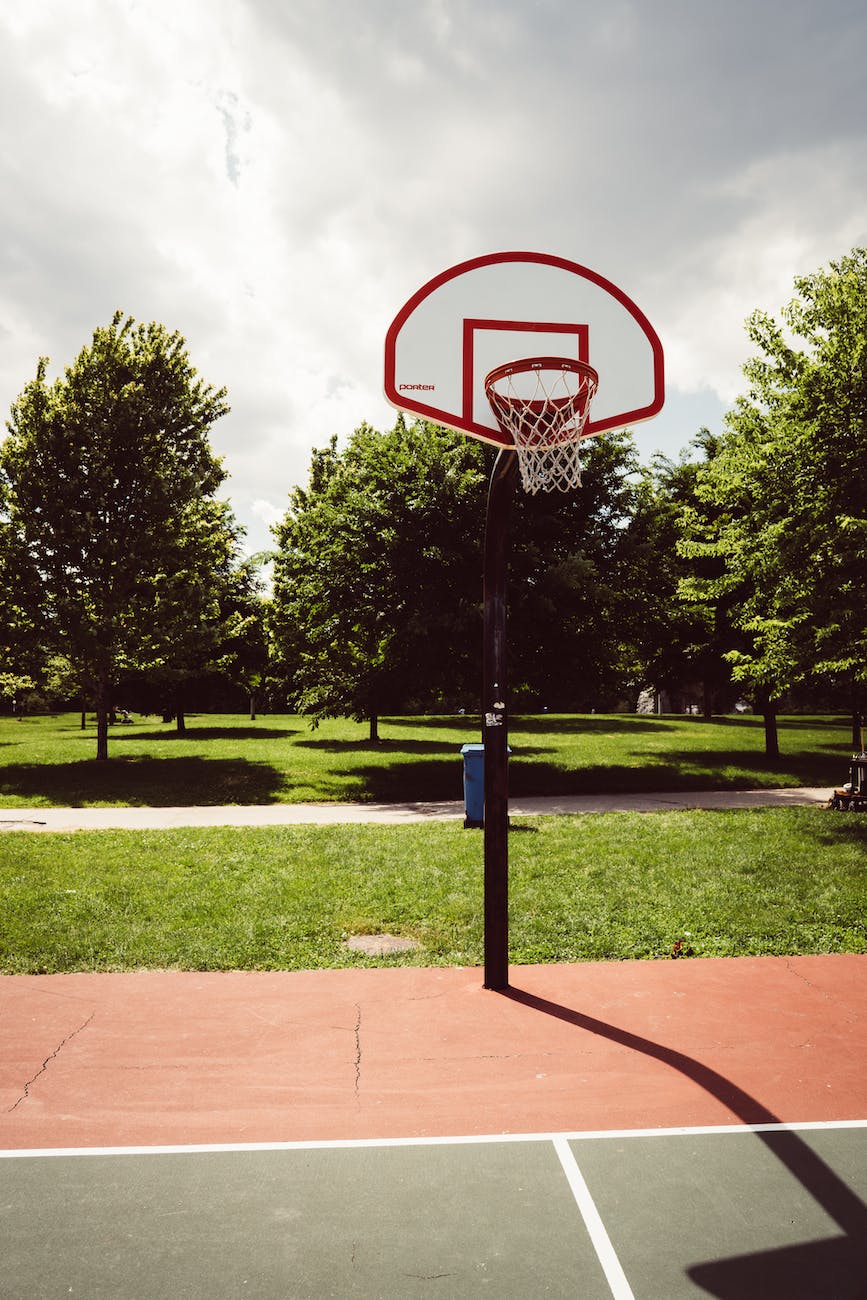
After watching a short video from Ranger Chris from the Delaware Water Gap National Recreation Area, we went outside to the playground to observe nature and write haiku poems. I wrote alongside them. I shared how I sketch in my notebook. Sketching is low-stakes art. Sketching helps to motivate and enhance writing while making their notebooks a safe place to explore.

Back inside, students were enthusiastic about sharing their poems. Because I teach multiple groups at two different schools, we use Fanschool for sharing our writing.

If you have a minute, it would be exciting to my students if you wrote comments on their first ever haiku poems:

Max wrote “The Daytime”

Kailyn wrote about a butterfly in the grass.

We found moth caterpillars near the trees. Adelyn and Sadie wrote about them.

Carson wrote about the sugarcane field.

John-Robert’s poem.

Give yourself some time today to be outside and observe nature. Share your haiku with us.

I am sharing my poems on Instagram.

Photo by Ricky Esquivel on Pexels.com

Read Full Post »

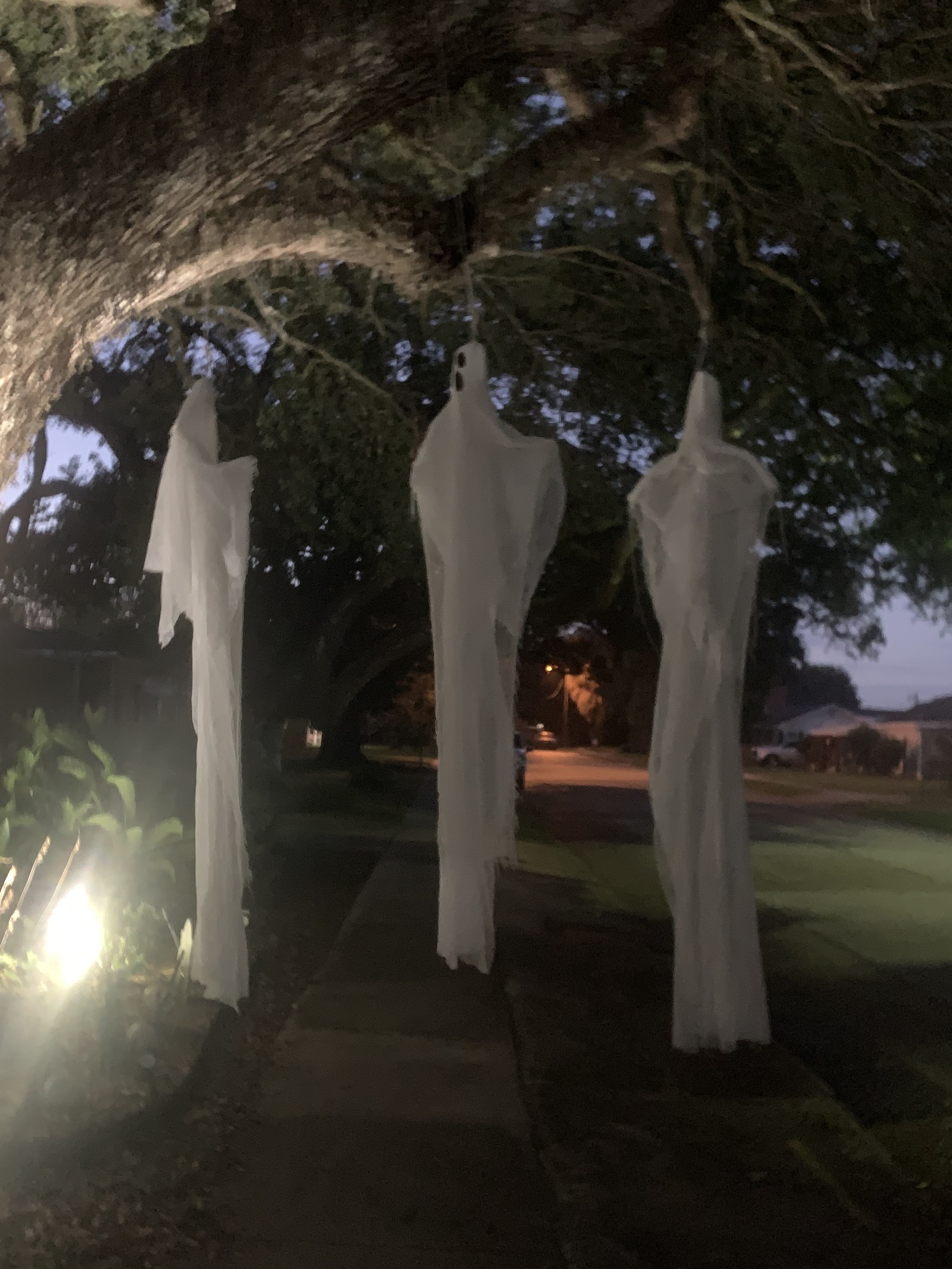
My neighbor’s ghosts are hanging around, over the sidewalk. On my early morning walk, I pass through them like passing through a curtain. The wind pulls them toward me, and I admit a little uneasiness. I saw Melissa in the store yesterday, and she grinned when she talked about them. She said, “I love my ghosts!”

Halloween is around the corner, literally. Follow the ghostly muse to write a small poem today. Post in the comments. Encourage other writers with your response. I wanted to try a cinquain (pronounced “sink-cane”). Syllable count of 2,4,6,8,2. There are other variations you can try. Here is a guide to the form.

Morning Walk in October

Ghostly
shapes in the wind.
Shivers ripple my skin.
I step lightly through the curtain
of gauze.

Margaret Simon, draft

Read Full Post »

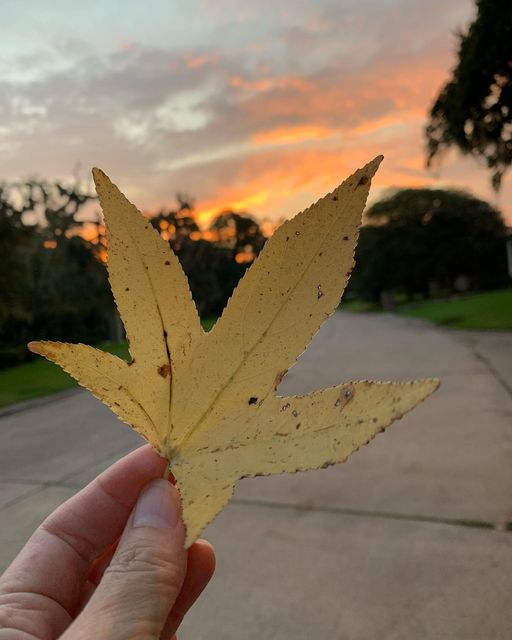
photo by Margaret Simon

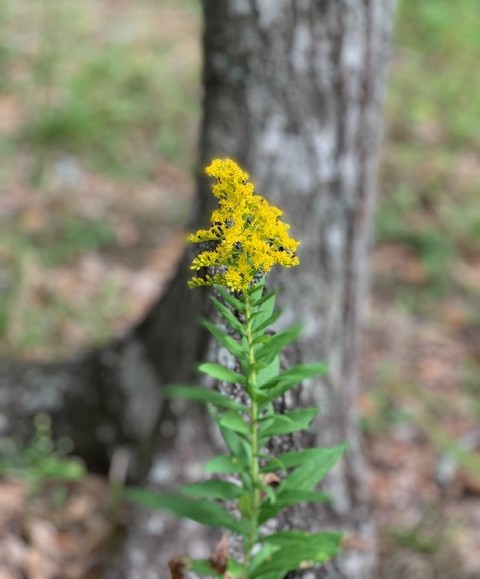
Fall here in South Louisiana doesn’t offer much color change of the trees. The oaks stay green. The cypress turn brown. Crepe myrtles are still blooming. I found this yellow beauty near a sweet-gum tree. I picked it up and pressed it into my notebook.

I invite you to think about fall with all your senses.

One of my favorite forms is the zeno created by J. Patrick Lewis. Based on a mathematical sequence, the syllable count is 8,4,2,1,4,2,1,4,2,1 with all the single syllable lines rhyming. I usually decide on the one syllable rhyming words and write the poem around them.

As sun’s glow fades through purple clouds,
I walk alone
seeking
fall.
A yellow leaf
beneath
sprawls,
beckons to hear
barred owl’s
call.

Margaret Simon

Write your own musings in the comments and leave encouraging comments to others. With my students, today I plan to make Zeno Zines. Here’s a video of me sharing a Zine.

Read Full Post »

Thank you to Two Writing Teachers for creating an amazing community of writers and a safe, welcoming space to write and share.

Where did I read that we should be teaching living poets in our classrooms? I try to include poetry every day. This is a goal, but some days, as you well know, don’t go as planned. I’ve made a Google Slide Show for a Poem-a-Day, so I have a place to save poems I want to explore with my students. When I announced yesterday that we had time for poetry, my students were excited. I love this about elementary gifted kids!

First we read the poem through. Then I ask, “What do you notice?” I ask my students to notice 3 things about the poem. Using annotation on the smart board, I underline what they see and if they don’t, I name them.

I presented Danusha Lameris’s Small Kindness. I invited my students to write. They could borrow a line, make a list poem of small kindnesses, or write about their own topic using free verse.

I’ve long held the belief that I should write alongside my students. I also welcome their critique. Usually they just say, “I like it.” Then I know we need to work on how to offer critique with specifics such as “I like the way you used personification or metaphor or rhyme.” Naming the specific poetic elements.

Yesterday I was surprised when a student actually said, “I think it’s too clumped up.” As I questioned him further about what he meant, I realized that I read it like a paragraph, no line breaks. Danusha Lameris’s poem uses enjambment masterfully. She understands line breaks. It is definitely a skill I want to work on, and this student nailed it.

So I worked on it, revised, and will share today the current working draft.

Small Kindness

after Danusha Lameris

I’ve been thinking about the way
when I open a car door, and a little kinder kid jumps out,
how the driver says, “Thank you.”

How on the way to school, a white suburban slowed
to let me merge ahead.
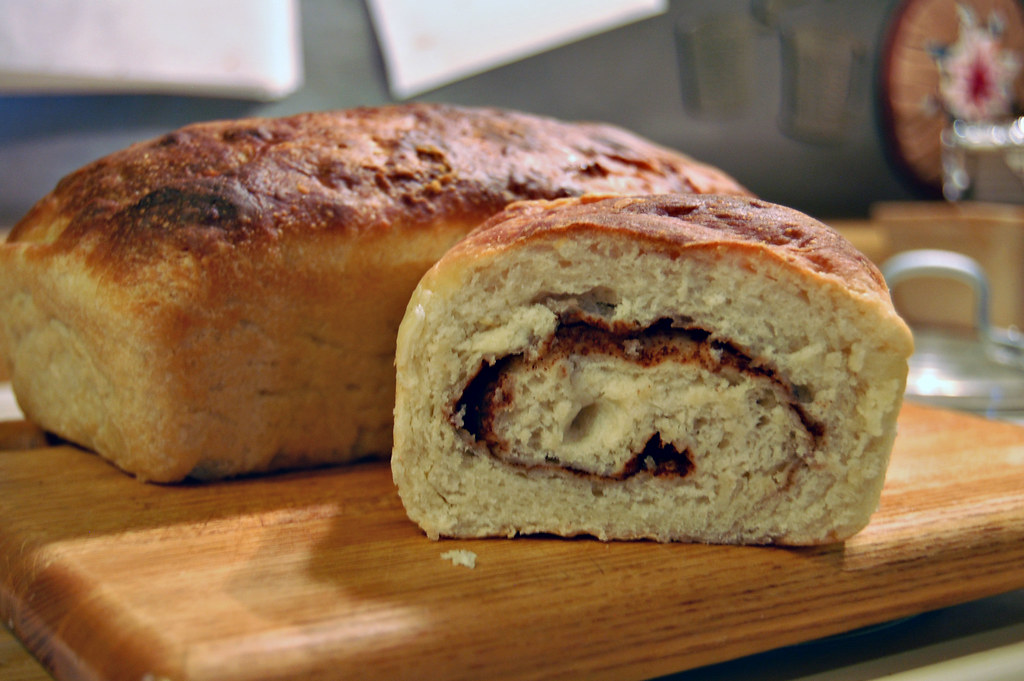
How cinnamon bread, a gift from my neighbor
fills the kitchen with sweetness.

I want to believe everyone
is kind and thoughtful. I want to find grace

in the corner of the parking lot
waiting for me to notice her. 

Margaret Simon, draft

https://www.flickr.com/photos/20705353@N00/3565199892

Read Full Post »

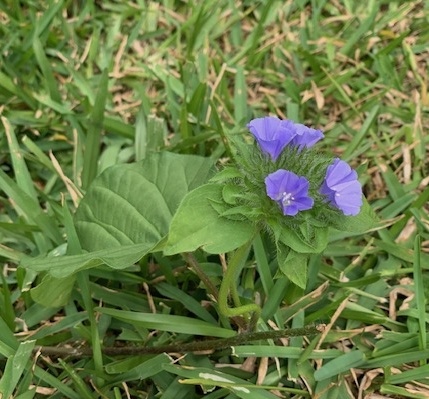
Moonflower in the butterfly garden, by Margaret Simon

In May, my student Avalyn took on a project to create a butterfly garden at her school. When I returned to school this week, she couldn’t wait to show me how the garden was doing. It was full of flowers. The largest was this moon flower. My friend Mary had donated a small plant in the spring and now it is huge! Yesterday we found a fat green caterpillar on it and researched. The caterpillar is a tobacco hornworm and will become a moth. We also found gulf fritillary caterpillars on the passion vine. They’ve eaten it all. I have a passion vine in my own butterfly garden that hasn’t been touched. I will bring some cuttings to help these little prickly cats along. Raising butterflies is a Joy!

Today write your own poem in any form about the moon, this flower, garden pests, butterflies, etc.

Tobacco Hornworm Nonet

Moon
flower
night bloomer
bright white fragrance
among the children
feeds tobacco hornworm.
Watch how he chomps on the leaves;
Aggressive eater, camouflaged
soon will burrow to emerge as moth.

Margaret Simon, draft

Read Full Post »

I chose to find beauty every day in the month of September. It’s everywhere, if you look. I’m sharing my photos with #septemberbeauty on Instagram. The photo I chose for today came in a text from my daughter who is overseeing a photo shoot in Florida for her ad agency. She was scheduled to go when Hurricane Idalia arrived.

I am lucky that my three daughters communicate almost daily in a group text with me. They send videos and photos and general check-ins. Last night Martha sent a photo of baby June at 8 months gnawing on a piece of pork. They are in the stage of trying out different foods with her. We all enjoyed the funny image.

Katherine sent a beach sunset photo with the message, “My evening.” We know she is working, so the image is not quite as stress-free as it looks, but I found it beautiful and hopeful.

South Walton Beach, Florida by Katherine Simon

I sit beside you
feel your pain; smooth ruffled fur.
Loving to the end.

Margaret Simon, haiku draft

I didn’t mean to place my sadness here, but poetry is like that. It pulls it out of your soul. My dog of 16 years is dying. I’m struggling to let him go.

Please write a small poem of your own in the comments. Encourage other writers with your comments.

Read Full Post »


Creative endeavors are returning to me. It feels good and right. I recently read the poems in The New Yorker of August 28, 2023. The poem What’s Poetry Like? by Bianca Stone was popping out to me as a perfect erasure poem. I enjoy whittling down to essential words. I found another poem here with a slightly different meaning than hers. I hope she is the type of poet who knows the highest form of flattery is imitation.

Poetry

Poets play love
essential moment, shared
written

resuscitate wildlife
disappearing ourselves

Poetry finds deficient
words, immortal
hunt

you’re trying to get back
bittersweet tongue,
all the emoting,
all the surrender

reckless
insight, hidden
wisdom slips into truth

the form itself
words that sing yet-

unspoken things wafting
waiting to be opened.

Margaret Simon, erasure poem from What’s Poetry Like? by Bianca Stone
The New Yorker, August 28, 2023

The Poetry Friday round-up today is with Amy Ludwig VanDerwater at The Poem Farm.

Read Full Post »

« Newer Posts - Older Posts »