Michelle Heidenrich Barnes hosts today with an announcement of the third collection of Today’s Little Ditty. I have a little ditty in the book as do many of my PF friends.
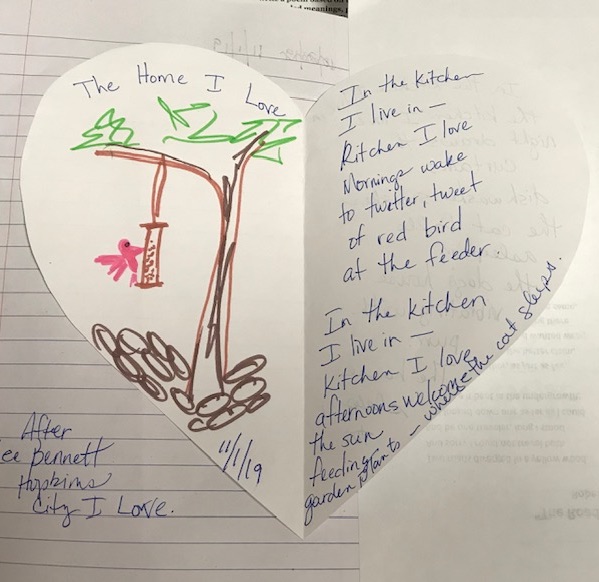
A few weeks ago I grabbed a poetry writing idea from Kim Douillard. She had her students make heart maps about a place they love and write a poem after Lee Bennett Hopkins’ City I Love.
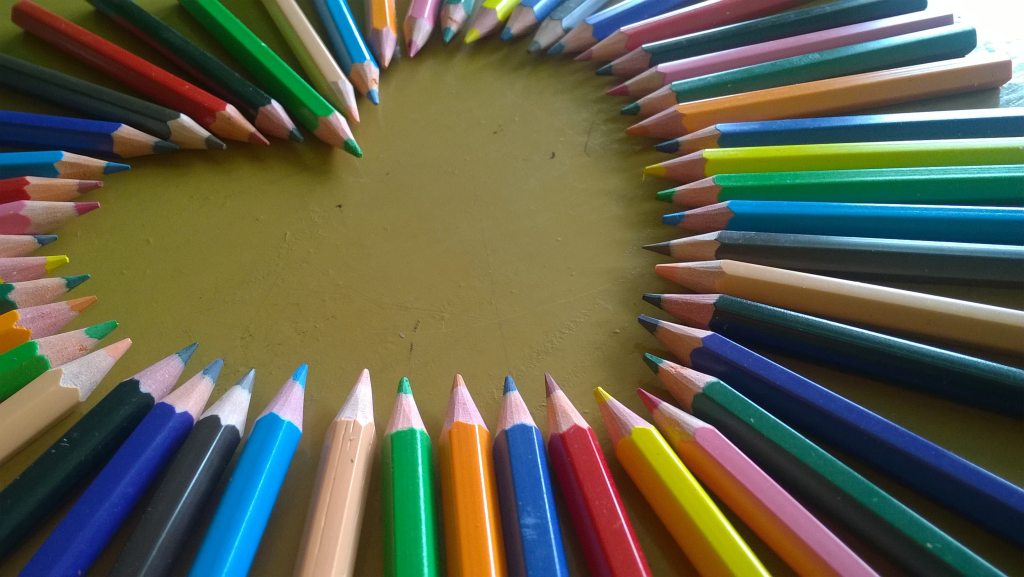
I did this with my students. We cut simple heart shapes from plain paper and drew and wrote on them. Then glued them into our notebooks. Here’s a photo of one of mine.
On the Bayou I Live Near
after Lee Bennett Hopkins
On the bayou I live near– bayou I love– morning sun streams in wide golden beams gleaming a new day.
On the bayou I live near– bayou I love– afternoons bloom while speedboats vroom through sweet olive perfume.
On the bayou I live near– bayou I love– sunsets glisten, a lone heron listens as the hoot owl who, who, whos me to sleep.
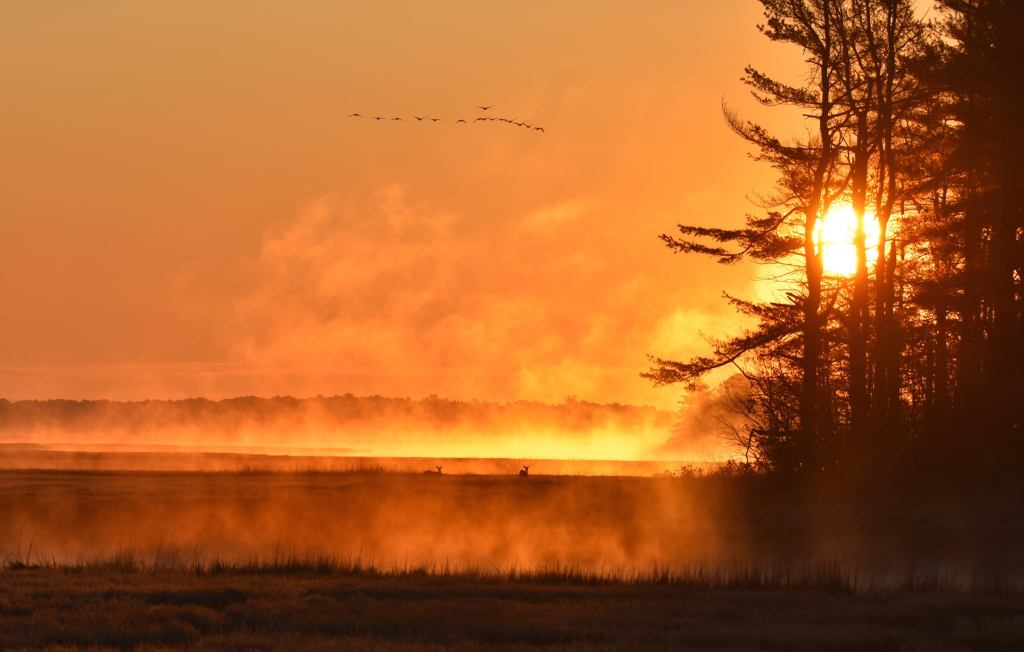
My poet-friend and writing group partner, Molly Hogan, is a fine art photographer in her spare time. She lives in Maine and posts amazing photos on her blog and Facebook page. Sometimes her photos inspire me to respond in poetry.
photo by Molly Hogan
Dawn on the Marsh
Dawn on the marsh glows like embers, like the final flash of a torch lighting the tiny particles of fog rising ghost-like and dreamy.
High in the sky geese line up to honk their way south
In the distance, deer graze, tentatively perk their ears to your sound.
You do not feel the cold that numbs your fingers and toes as you click the lens of your camera
Today is National Author’s Day, and my friend and critique partner Linda Mitchell challenged our writing group, The Sunday Night Swaggers, to write a poem inspired by a favorite author.
When she challenged us, I thought of the most recent book I read Where the Crawdads Sing by Delia Owens. According to The New York Times Book Review, this book is “Painfully beautiful…At once a murder mystery, a coming-of-age narrative, and a celebration of nature.”
The poet in me was inspired by her beautiful writing about nature. I turned to a page and gathered words and lines to put together a poem “after Delia Owens.”
Sandbar
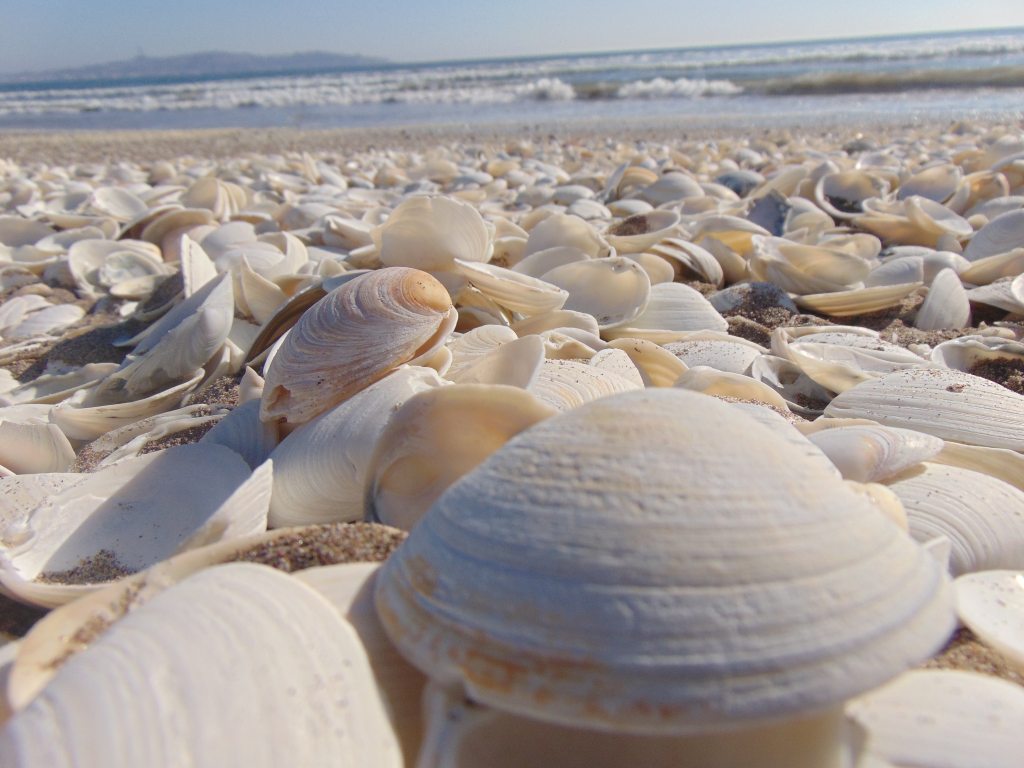
How quickly the sea and clouds defeat the spring heat, how the grand sweep of the sea and sand catch-net the most precious shells. How its current designs a sandbar, and another but never this one again.
She had long known that people don’t stay. This fiery current was her heart-tide releasing love to drift among seaweed.
How drifting back to the predictable cycles of tadpoles and the ballet of fireflies, Nature is the only stone that does not slip midstream.
Margaret Simon, found poem from Where the Crawdads Sing by Delia Owens
Read my writing partners’ offerings for National Author’s Day:
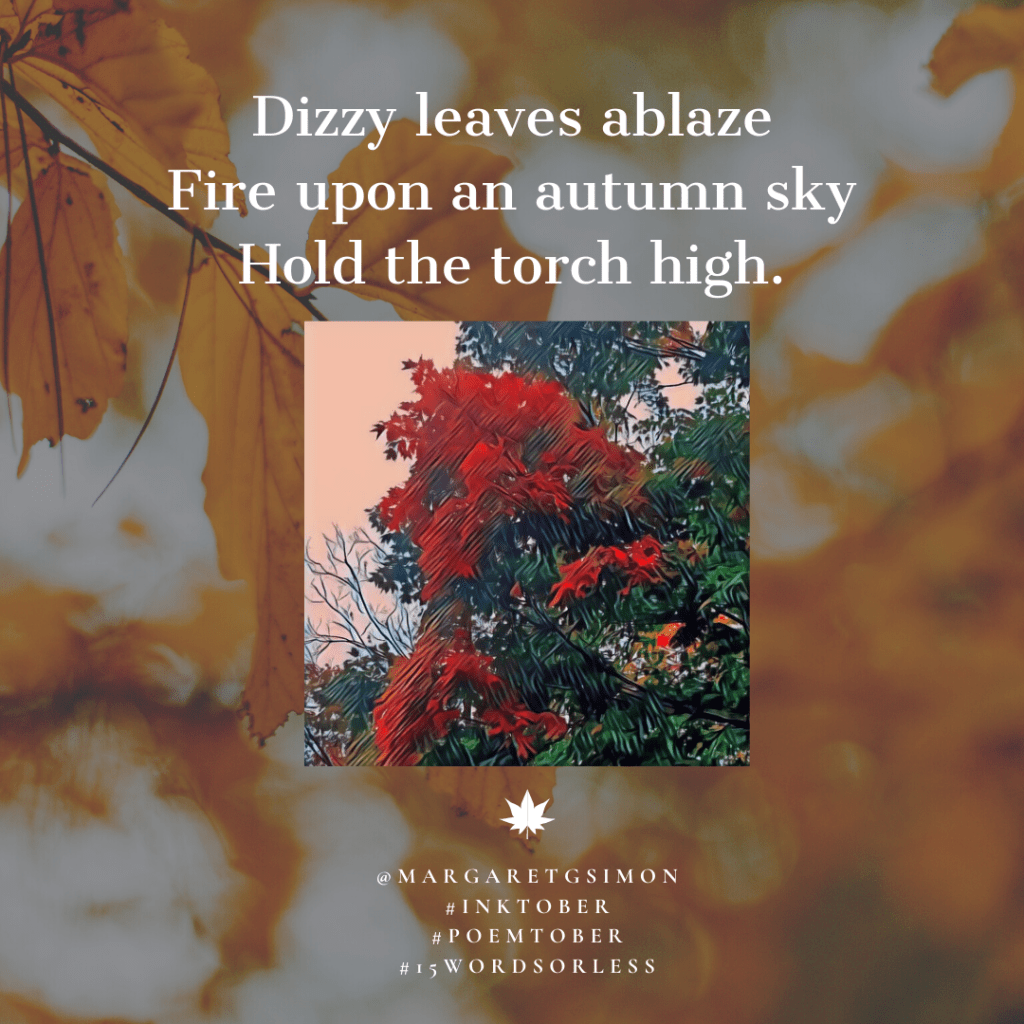
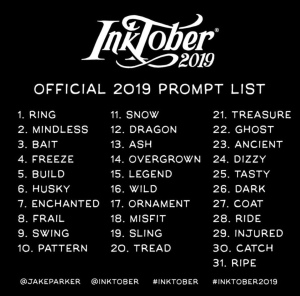
I’ve joined in with a group of poets on social media writing to #inktober word prompts. It’s a great way to jot a little poem that keeps creative juices flowing. On Thursdays, Laura Purdie Salas faithfully posts an image prompt for 15 words or less. This week I used her photo of a red blooming tree and the inktober word, dizzy, to create an autumn haiku. Canva is my go-to site for creating image poems. Follow my posts on Instagram, Facebook, and Twitter. And join in the fun!
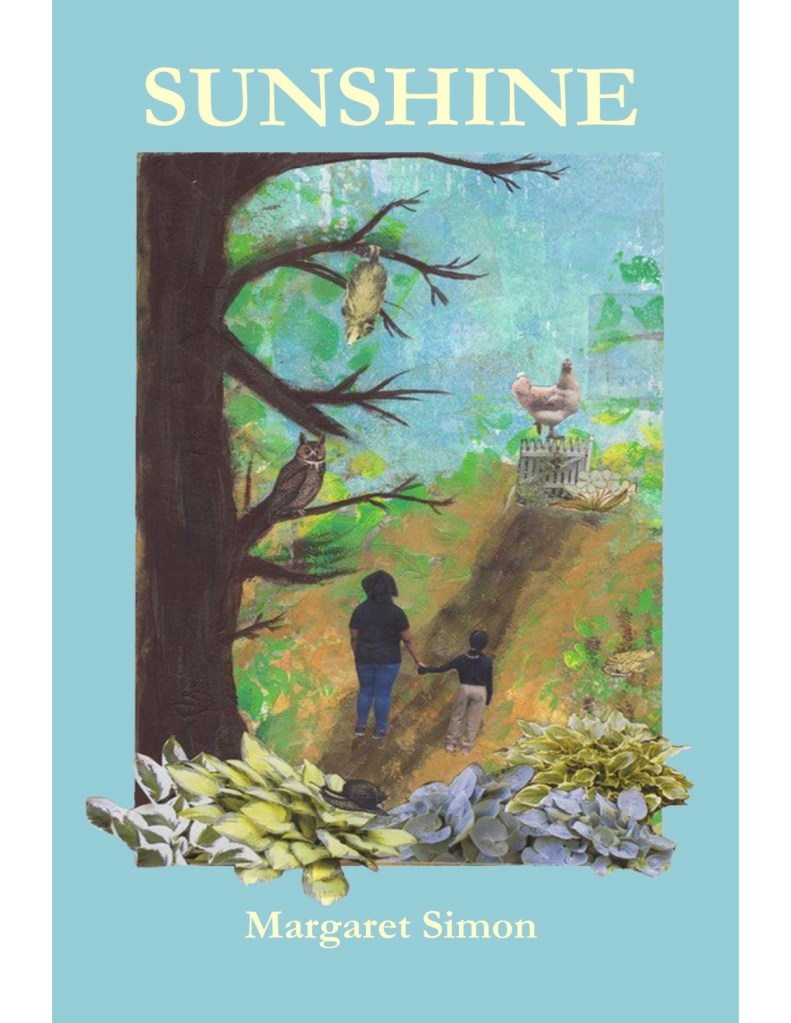
My new middle grade novel, Sunshine, is available on Amazon. I can’t wait to open the box of books coming soon. See a review here.
See more posts at Two Writing Teachers Slice of Life
This fall has been slow in coming. The leaves are changing, the days are shorter, but the temperatures are not cooling off much. It makes it hard to get into the mood of autumn. I got a little help from Georgia Heard. She has a sweet poem from Falling Down the Page called Recipe for Writing an Autumn Poem.
Recipe for Writing An Autumn Poem
by Georgia Heard One teaspoon wild geese. One tablespoon red kite. One pint trembling leaves. One quart darkening sky. One gallon north wind.
This is a wonderful prompt to use with kids.
I decided to combine this poetry prompt with the National Writing Project and NCTE’s Day on Writing prompt #WhyIWrite.
Recipe for Why I Write
One teaspoon clean paper One tablespoon colored ink One cup imagination One pint relationship One quart dedication One gallon liberation
An empty page invites color, lines, words, sentences which become an expression of emotion looking for connection. This relationship is rocky, requiring dedication. But one thing is certain: The freedom to write belongs to everyone!
Margaret Simon, (c) 2019
Jaden responded with a beautiful recipe for writing.
A Recipe for Writing a Poem
by Jaden, 4th grade
One teaspoon of creative minds One tablespoon of repeating and rhyming words One cup of a magic image One pint of dazzled emotion One quart of comparing things with like and as And one gallon of my heart
Every week I am delighted to visit The Poem Farm. Amy Ludwig VanDerwater posts a poem and a student writing activity. A few weeks ago, I borrowed this post, The Real Me, and wrote I am poems with my students.
My students loved the activity. Many of them chose to post their poems on our kidblog site. I invited Amy to write comments. You should have heard them reading aloud their personalized comments; the pride in their voices made my heart sing. Amy has a talent for connecting to kids and finding just the right words to say. Thanks, Amy.
I wrote alongside my students. I put together my favorite lines to create this poem:
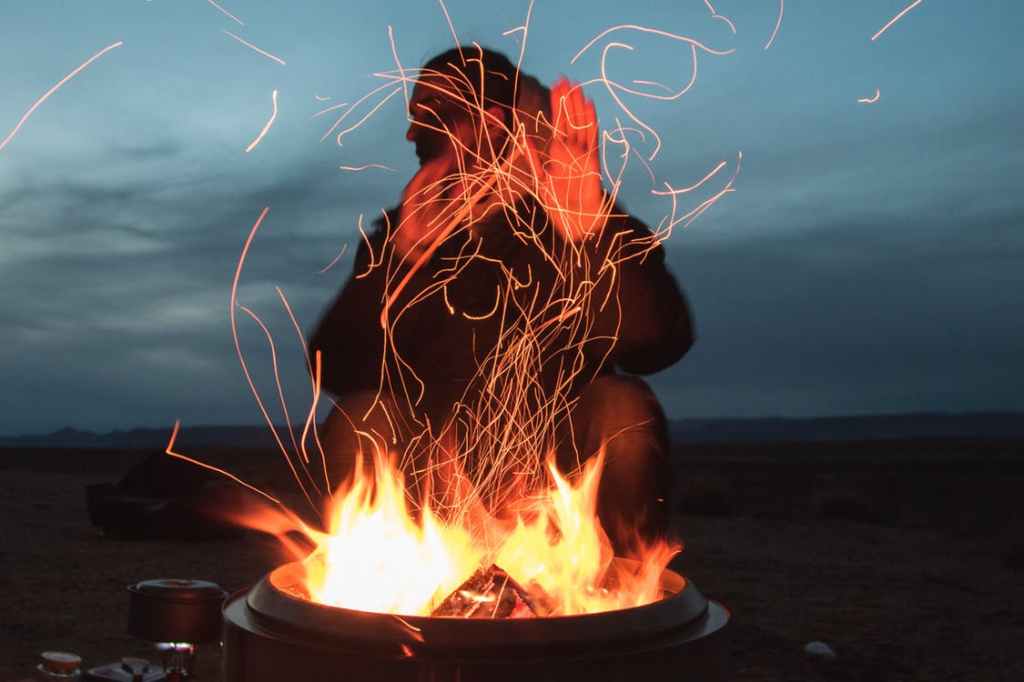
I am a lionness set in the stars, that drumbeat around a warm campfire.
I am a longing look from a silent child, a melody strummed on his guitar.
I am a secret scratched on a yellow sticky note. Don’t tell anyone who I am.
See more posts at Two Writing Teachers Slice of Life
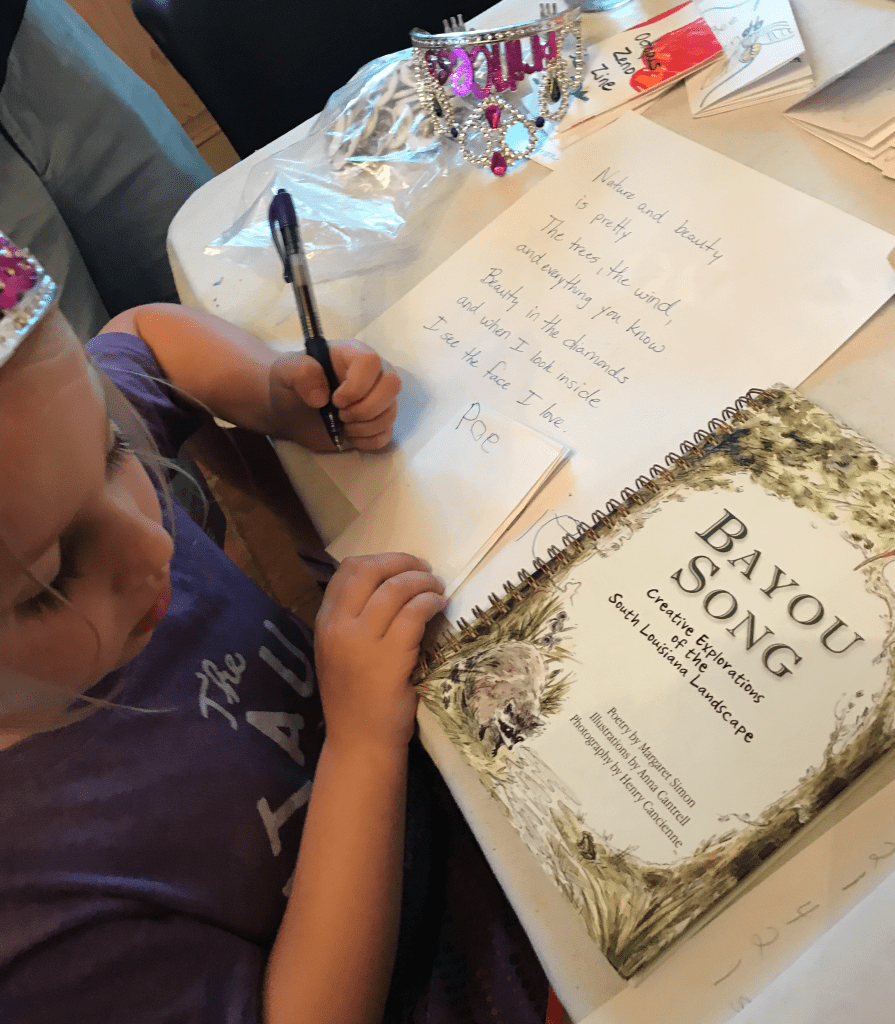
Nature and beauty is pretty. The trees, the wind, and everything you know. Beauty in the diamonds and when I look inside, I see the face I love.
Annie, 4 years old
I was asked to teach a writing workshop for kids at the Hilliard Museum’s Play Day. “You have to be flexible because we’re never really sure who will show up.”
Annie came in with her father. I’ve met Annie a few times because our paths have crossed. I’m friends with her grandmother, and her mother is a journalist who has connected me with writing opportunities. So when she walked in, I greeted her, “Hi Annie. We are writing poems today. Would you like to write a poem?”
She began… “Yes. Nature and beauty is nice because…” and she continued. “Wait,” I said pulling out a clean piece of paper and a pen. “I wasn’t ready. Now slow down, and I’ll write what you say.”
Me with “Princess” Annie posing for a picture to send to Nanna B.
She is already a poet. I didn’t read one of my poems. I didn’t talk to her about forms. I didn’t give her any suggestions. She already knows how to write a poem.
Then we made a zine, a small foldable from a single sheet of paper. “Now,” I explained. “I could write the words for you, and you can draw the pictures.”
“No, I can write the words.” And she could! She copied the words she had dictated to me into the book. This took her at least 30 minutes. I was amazed at her focus and her determination. I was also amazed at her father’s patience. He sat comfortably while she meticulously copied each word.
The gifted teacher in me noted signs of perfectionism. When she messed up a letter, she got upset and rubbed it as if to erase it. I said, “Don’t worry. You can just make that a picture.”
Her letter a with the too long tail became what looked to me like a bug. I asked her, “Is this a butterfly?”
“No, it’s Diamond. Daddy, does it look like Diamond?”
“Yes, it does,” Daddy promptly said.
I looked at him and whispered, “Who’s Diamond?”
“Her imaginary friend” His whispered reply.
Annie continued writing word for word. An i placed in the wrong place became a tree.
When she finished, I said, “You need to sign it ‘by Annie’.”
She asked, “On the back?”
I showed her my book, Bayou Song. “On my book, my name is on the front. It says ‘Poetry by Margaret Simon.'”
Of course, Annie wrote on the front “Poetry by Annie.”
She is the youngest poet I’ve ever met, yet I have no doubts she is a writer. Just like her mom.
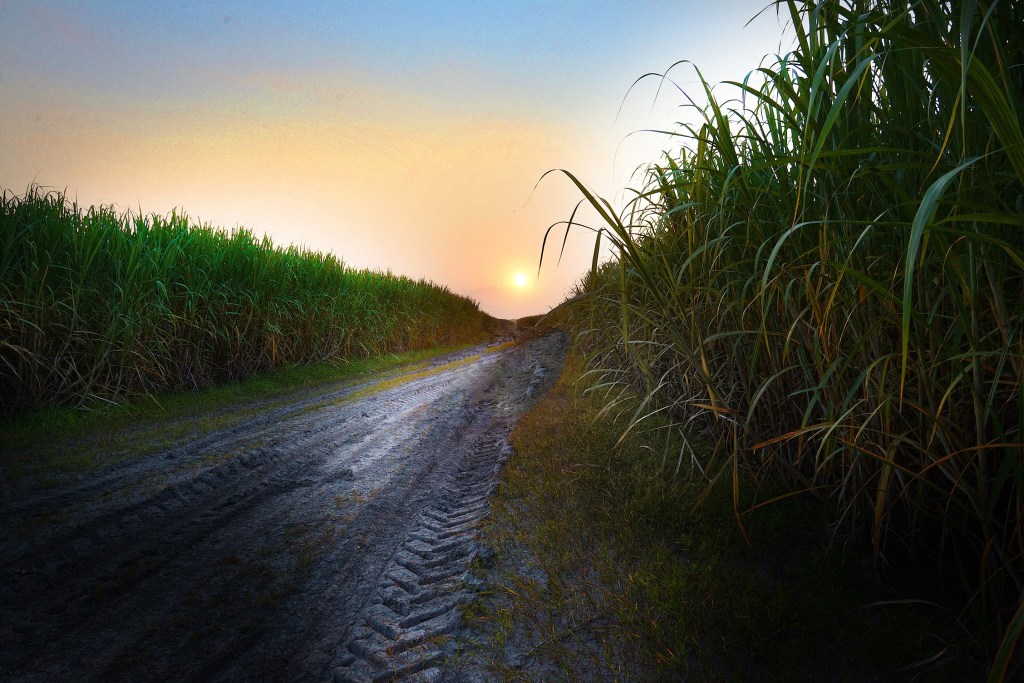
Waiting for the Harvest, by Mickey Delcambre. First place in the Sugarcane Festival Photography Contest
Ralph Fletcher’s new book, Focus Lessons, is coming out, so I took advantage of Heinemann’s offer to read a sample.
There are strong links between photography and writing. This is true in substance and process, as well as language. The world of photography provides a visual, concrete language (angle, focus, point of view, close-up, panorama) that is enormously helpful in teaching writing.
Ralph Fletcher, Focus Lessons
When I saw Mickey Delcambre’s photo on my Facebook page, I was compelled to write a haiku.
Equinox harvest– Slow down days, long resting nights Autumn changes time.
Margaret Simon, draft, 2019
On Monday, I talked with my students about the Fall Equinox. I was surprised how well they know the solstices, but they were less familiar with the meaning of equinox.
In New Iberia this weekend, there is the annual Sugarcane Festival, celebrated on the last weekend of September as harvesting begins. We only have to look out of the window to see the tall cane waving in the fields.
One of the Craft Lessons included in the book sample focuses on Mood. Ralph explains how mood can be expressed in a photograph as well as in writing. I look forward to finding more crossovers between photography and writing Ralph says, “Photography is writing with light.”
I put Mickey’s photograph up and ask my students to do a quick write about it. Our quickwrites are typically 5 minutes. Then we share. Sometimes (it’s always a choice), a quickwrite will become a poem.
Seeing the Days Change
I see the days changing around me, going from day to night and night to day the marks of tires only from the day before seeing the sun go down getting ready for the night, goodnight sun.
Breighlynn, 4th grade
Sugar
Sugar in the fields, still as a cane. Growing, oh so tall, ready for the harvest. Burning leaves make the sweet smelling smoke.
Can you smell the sugar? Smelling, oh so sweet. Have you ever eaten the cane? As pure as sugar comes.
A.J., 6th grade
This morning on my morning walk I smelled the sweet air that A. J. wrote about. One of the gifts of fall.
Poetry Friday round-up is with Linda at Teacher Dance
My students this year look forward to Poetry Friday when we read a poem and talk about what we notice, then try the form on. A few weeks ago we read Jane Yolen’s poem, “A Word is Not a Poem” that I had saved from her daily email poems. Having the form of her poem in hand, my students created interesting poem responses.
A Laugh is Not a Smile
A laugh is not a smile but it is a feeling inside you. You can laugh once but it’s best to laugh twice. laugh laugh
A smile is not a frown but it is a feeling inside you. used in several ways, to express love, and happiness. smile smile
Jamison, 4th grade
A Book is not a Word
A book is not a word , but a forest in a tree . Used in many ways , it can even be funny .
A book is not a poem You can only read it once , but best to read it twice . Book , Book .
A book is not a song , the words you cannot spin . Won’t know it going in you will though coming out . Tone , Note .
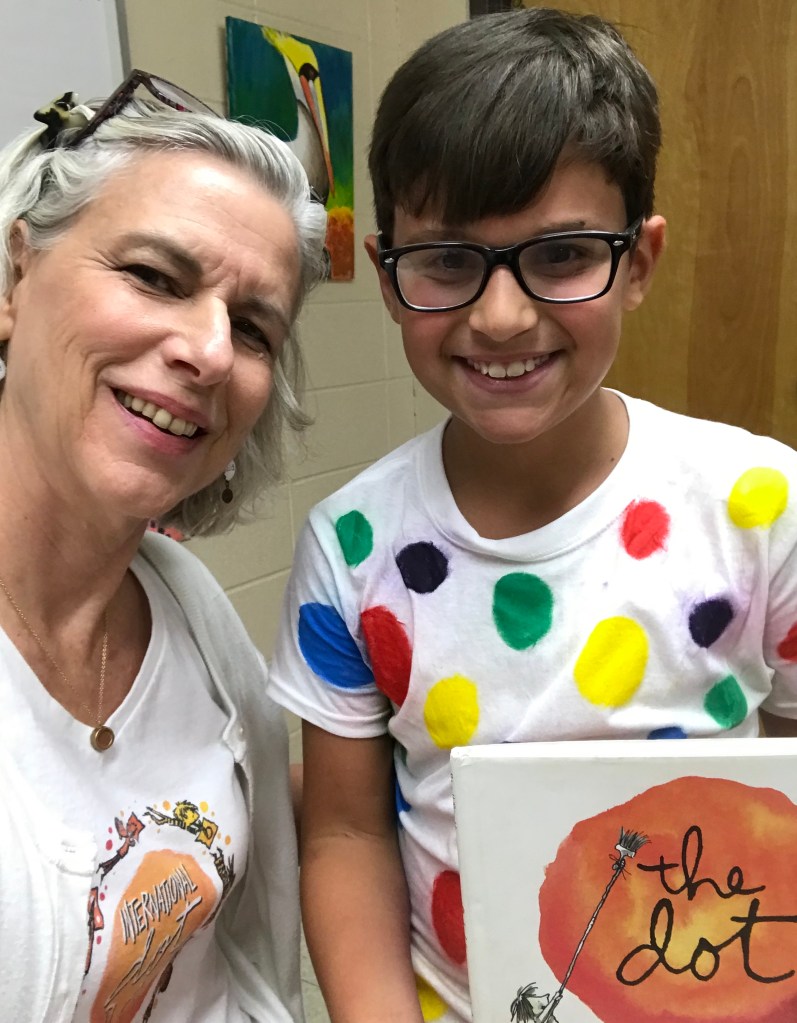
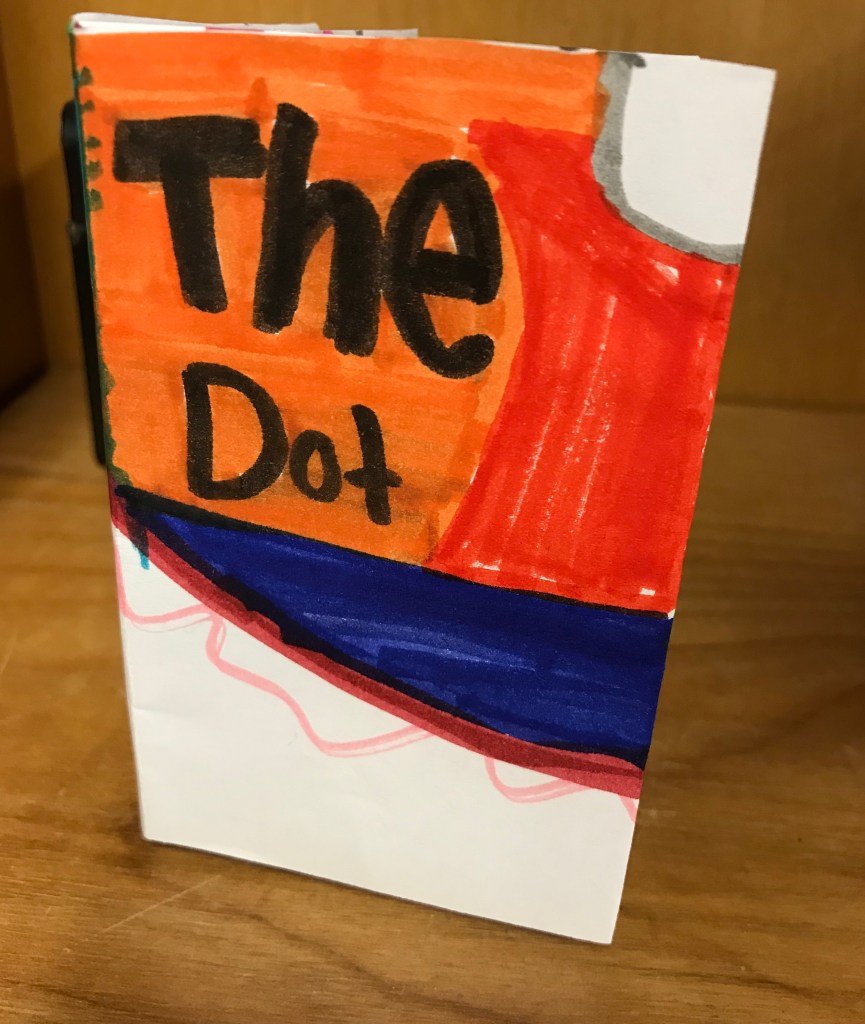
One of our favorite days of the year is Dot Day. Created to celebrate the publication of The Dot by Peter Reynolds, Dot Day encourages creativity and playful art.
My students and I drew dots and wrote Zeno poems. The Zeno form was invented by J. Patrick Lewis. The form uses a syllable count of 8, 4, 2, 1, 4, 2, 1, 4, 2, 1 with each 1 syllable line rhyming. This is a playful form. We folded paper into a zine. To see how to make a zine, go to this post from last year.
Imagining the brightest knot
see the colors
of the dot
colors of the
rainbow
spot
Brightest of the
ones I’ve
got
Breighlynn, 4th grade
It is true that you have talent you are so high in the sky you should always attempt try you are in clouds try to fly
Margaret Simon lives on the Bayou Teche in New Iberia, Louisiana. She is a retired elementary gifted teacher who writes poetry and children's books. Welcome to a space of peace, poetry, and personal reflection. Walk in kindness.