I was once told that I had a poor vocabulary for someone who wanted to be a writer. Sounds offensive, but really I felt the same way. Words don’t stick with me. I am often using a thesaurus to find a just right word. I keep a notebook of words. And I subscribe to two different “Word of the Day” emails. Today the word was aide-mémoire. Isn’t that a lovely, fancy word for a list? So here is a list poem/ definito hot off the presses. (in other words, drafted right here, right now)
To Do List
Leave out the empty bottle of Pledge, box of ziplocs Memory aid written on a free notepad from St. Jude’s. What time is your hair appointment? Draw a line to the train schedule. Lesson plan, your son-in-law’s birthday both due on Saturday by noon. Books to read in a stack by your bed. Folded business card, field trip bus driver, Things to do, things to buy, letters to write a pile on the kitchen counter… aide-mémoire.
The first Friday of the month is reserved for the Inkling challenge. This month Mary Lee fascinated us with Visual Frameworks as a prompt for writing. You can see all the choices here.
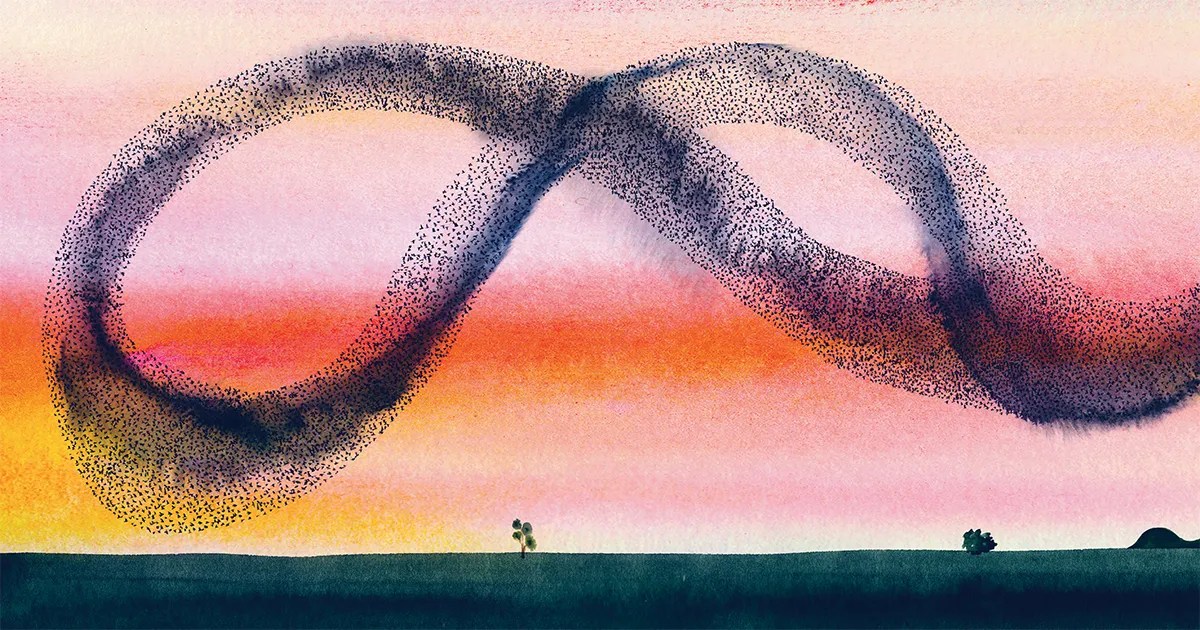
With school, teaching, volunteering all get fully underway, I feel the sense of juggling lots of balls in the air. And at any time, one or more may fall, and mess with the balance I am currently trying to hold onto. I taught the zeno form to my students last week and featured it on This Photo, so I chose the form to juggle this challenge. I like how the rhythm of it creates the sense of juggling.
Juggling Zeno
A system complex and controlled keeps all balls up– motions bold. Ability to thrust/ hold– a blink of eye plunges my load.
Today is the last Friday of September. Time for the Poetry Sisters’ challenge. I was inspired this month to play around with their challenge to write a diminishing verse. The basic idea is to remove a letter from the end word with each line.
Layers We are only stardust holding on with unsteady trust painting layers, repairing rust.
Margaret Simon, draft
My students wrote Zeno poems to This Photo. I was impressed with how well they tackled this difficult form. Kim Johnson wrote one, too, and is featuring it on her blog Common Threads today.
I’ve had a wonderful week getting back into the classroom. I have some new students as well as the ones I taught last year. I teach gifted ELA pull out for two elementary schools. The hardest part of the job is packing up the cart and moving to the next school. Once I am there, though, all is right with the world. I am meant to be a teacher!
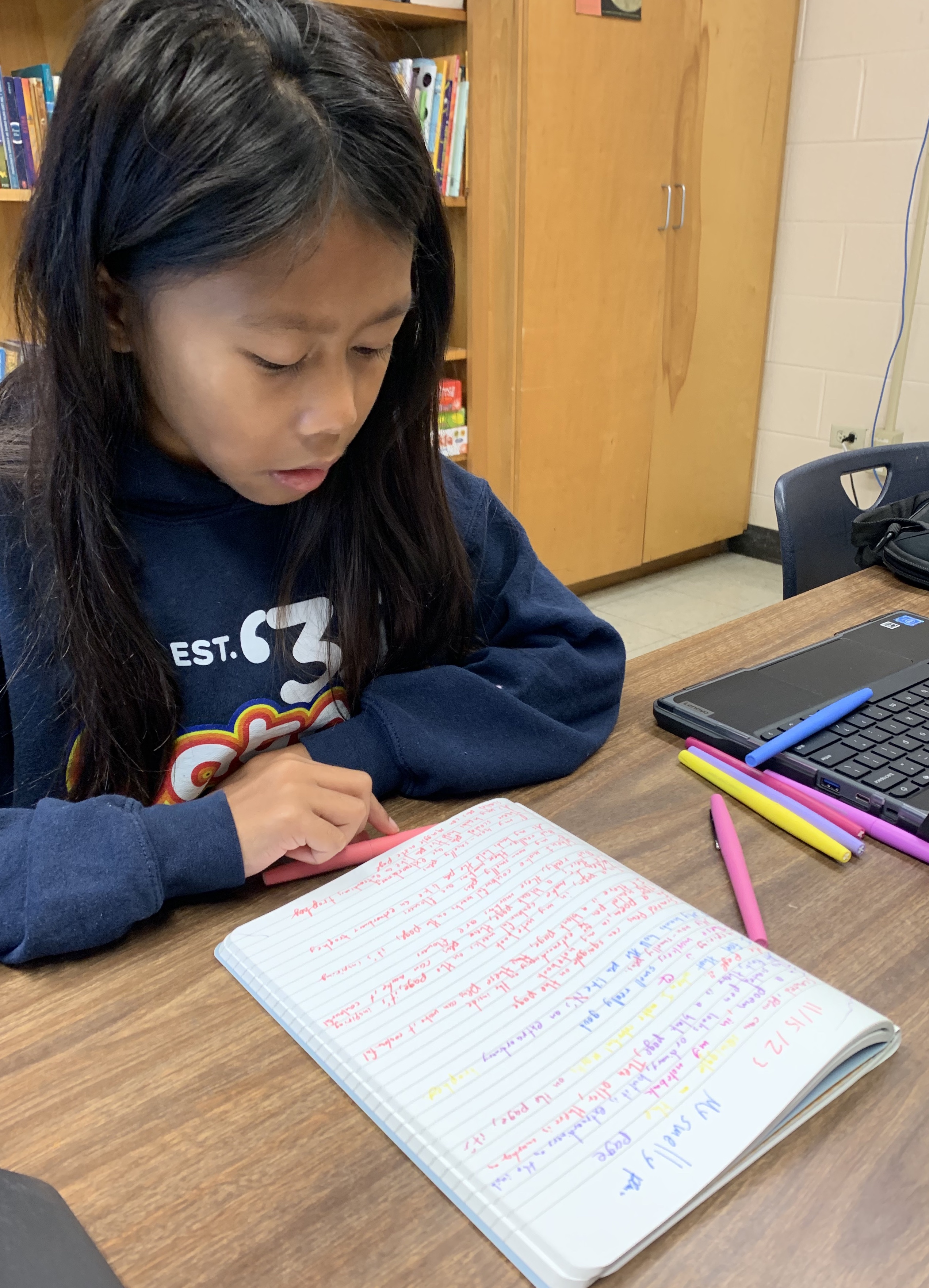
On Wednesday I led my kids through “This Photo Wants to be a Poem.” We use Fanschool and I place the same photo from my blog post to Fanschool. The kids write their own poems in the comment section. Two of my students who signed into gifted this week had never written a poem before. I find joy in the process. I think I spread that passion to them. Their responses were amazing.
This week was Ethical ELA’s Open Write. I wrote about one of my students in response to Barb’s prompt here. A comment from Kim Johnson gave me an idea for the ending metaphor. This is a wonderful community of teacher-writers. Join us in October, 21st-25th.
Volleyball Team
Last year in fourth grade she would skip recess awkwardly reading in a corner of my classroom.
Fifth grade offered a volleyball team. She arrived with a brightly colored volleyball, tossed it with confidence, leaning on it while writing.
“I’m on the volleyball team this year.” We talked about the serve I could never master. She showed me how it’s done now– from the palm-up wrist rather than the thumb.
A flower blooming through a crack in the concrete, hoping to find its way to shine on the court.
This week I have felt nearer to normal. I’ve been thinking about teaching and preparing lessons for my return on Monday. I’m pushing away concerns that I have no control over. Yesterday I invited a neighbor, a retired teacher, to cut and paste magazine words onto Jenga blocks, an idea that originated with Paul Hanks and used by Kim Johnson. (See this post.)
I get a lot of poems in my inbox. Some days it’s too overwhelming to read them all. Some days I find inspiration in a line or a form or an idea. This week I found a first line from Ching-In Chen’s poem Breath for Metal.
Breath for Flesh
This a story I’ve kept inside my soft body. I’ve discovered
breath dissolves fever–practiced pulling in, hold, hold, hold– sigh.
I am being gentle with her, speaking softly through tears like a light rain in fall.
Creative endeavors are returning to me. It feels good and right. I recently read the poems in The New Yorker of August 28, 2023. The poem What’s Poetry Like? by Bianca Stone was popping out to me as a perfect erasure poem. I enjoy whittling down to essential words. I found another poem here with a slightly different meaning than hers. I hope she is the type of poet who knows the highest form of flattery is imitation.
Poetry
Poets play love essential moment, shared written
resuscitate wildlife disappearing ourselves
Poetry finds deficient words, immortal hunt
you’re trying to get back bittersweet tongue, all the emoting, all the surrender
reckless insight, hidden wisdom slips into truth
the form itself words that sing yet-
unspoken things wafting waiting to be opened.
Margaret Simon, erasure poem from What’s Poetry Like? by Bianca Stone The New Yorker, August 28, 2023
The Poetry Friday round-up today is with Amy Ludwig VanDerwater at The Poem Farm.
Today is the first day of September and it comes with a full Blue Moon and slightly cooler temperatures pointing the way to fall. Ah, me! I breathe in deeply and sigh.
August has been a dark month for me, and I am just beginning to emerge from the cocoon of illness. When I asked the Inklings to study and use the tool of enjambment in a poem, I had no idea how my whole life would be enjambed. My hysterectomy in June had the worst possible complication, an opened and infected incision. I had a second surgery on Friday, August 18th. I was in the hospital for 5 days and in bed at home for 10 days following. As I begin to feel better and the cloud is lifting, I am cautiously optimistic that I am healing.
For the enjambment challenge, I offered my friends a model poem from former Louisiana poet laureate Jack Bedell.
Ghost Forest —Manchac, after Frank Relle’s photograph, “Alhambra”
1.
Backlit by city and refinery’s glow these cypress bones shimmer
on the still lake’s surface. It’s easy to see a storm’s
coming with the sky rolling gray overhead and the water
glass-calm. Even easier to know these trees have weathered
some rough winds, their branches here and there, pointing this
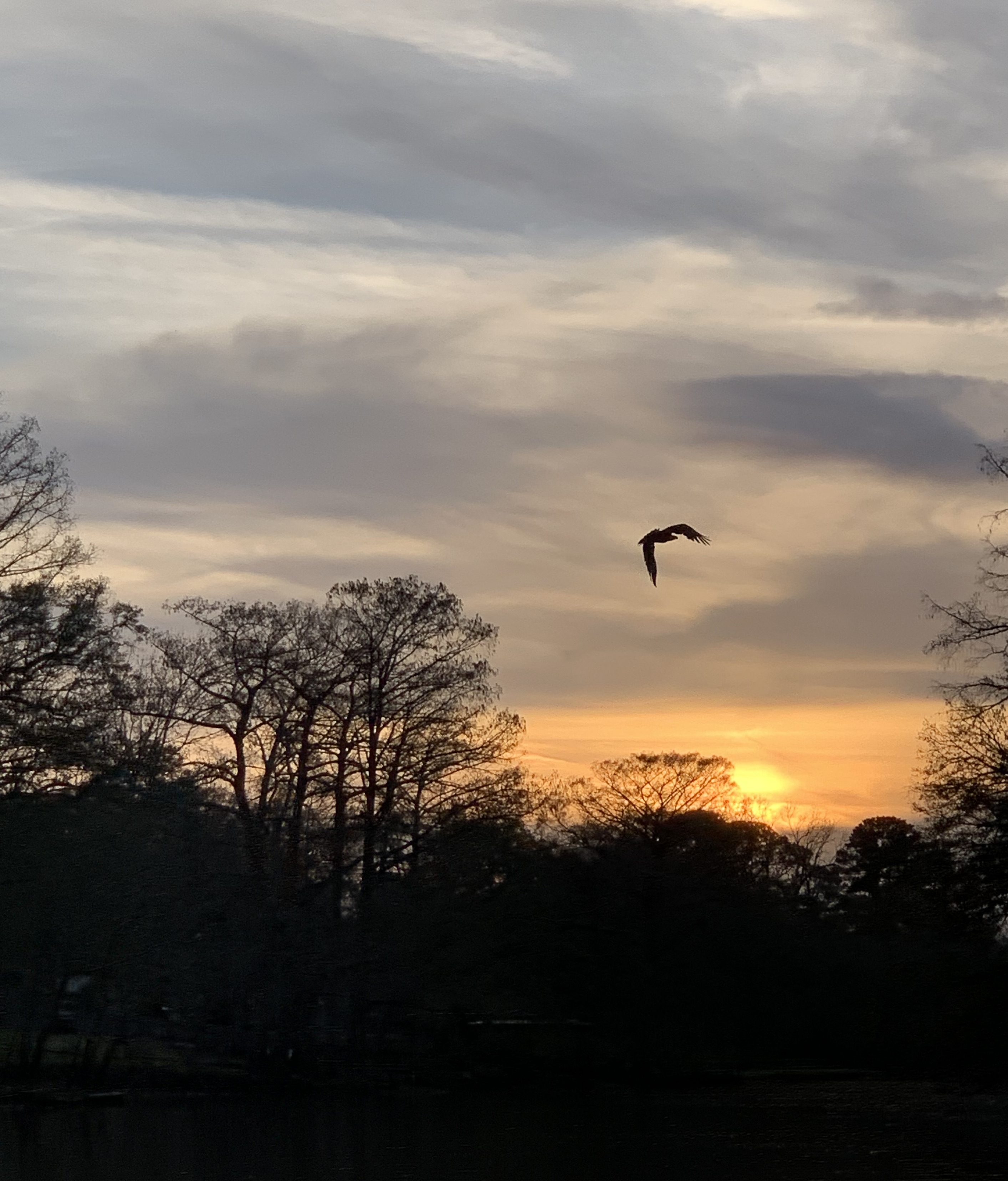
One early morning this week, I sat outside (at the urging of a close friend) and watched the bayou. This small draft of a poem came to me. I offer it here because it’s the only thing I have and doing this makes me feel normal again. Thanks to all of you who have expressed concern and sent cards and messages.
Is it the play of light on the surface or air bubbles moving over glass-calm
water I watch still, quiet bayou breathe, like me, slow and deliberate taking in life- giving oxygen.
We are trying to survive, bayou and I, trying to make this day meaningful all the while knowing breath is all that matters.
Margaret Simon, draft
Bayou Teche Sunset, by Margaret Simon
To see how other Inklings used enjambment, check out their posts.
I’m not sure where I first heard of The Sealey Challenge, but I found this information when I Googled it. The Sealey Challenge is a public challenge to read one poetry book each day in August. I decided to give it a shot this year. I received some good advice a while ago that if you want to write poetry you should read poetry. That sounds obvious, but taking on a challenge that pushes me to do what I should do is helpful. My current list is as follows:
Mary Oliver: A Thousand Mornings (I’ve read this one before and it’s a comfort read.) Pádraig Ó Tuama: Poetry Unbound (Reading a chapter a night) Jim Kacian: Long After (This is a visual haiku masterpiece!) Spirits of the Gods by John Warner Smith, Illustrated by Dennis Paul Williams Call Us What We Carry by Amanda Gorman (I borrowed a line and wrote an anniversary poem here) Tap Dancing on the Roof (Sijo Poems) by Linda Sue Park
Wish For someone to read a poem again, and again, and then,
having lifted it from the page to brain–the easy part–
cradle it on the longer trek from brain all the way to heart.
Linda Sue Park, from Tap Dancing on the Roof
What is Goodbye? by Nikki Grimes, Illustrated by Raul Colon (Novel-in-verse told by two siblings whose older brother died) The Watcher by Nikki Grimes, Illustrated by Bryan Collier (A book of brilliantly written golden shovel poems using the lines of Psalm 121 while telling the story of two students who learn to overcome their rivalry.)
I made a trip to our public library and found few live poets there. The children’s section was better. I have an idea to set up a meeting with the head librarian to state a case for live poets. They should at least have the books from our state poets laureate as well as the national ones. I have a mission to change that!
I recently visited the newly renovated Roy House on the campus of ULL. The Center for Louisiana Studies has done a beautiful job of this old house, but the best part is the book store. The grand opening is next week on August 16th. I got a preview when I met with the editor and publisher to discuss an upcoming book. (Stay tuned for that news.) I bought John Warner Smith’s book of poetry written to Dennis Paul Williams’ artwork. John Warner Smith is the new director at The Shadows on the Teche in New Iberia. He was poet laureate of Louisiana from 2019-2021.
Have you ever read a poem that just grabbed you in the gut? That you had to read again and again, not to understand, but to absorb it into your soul (like Linda Sue explains in her poem Wish above)? This poem Survivor by John Warner Smith did that for me.
Reading poetry is watering the fertile valleys inspiring me to be the best poet I can be, not just for me, but for an audience who needs poetry to live a richer and more compassionate life.
Mary Lee has the round-up and we Inklings are posting Catherine’s challenge.
Robin Wall Kimmerer teaches us that “It’s a sign of respect and connection to learn the name of someone else, a sign of disrespect to ignore it…Learning the names of plants and animals is a powerful act of support for them. When we learn their names and their gifts, it opens the door to reciprocity.” Look closely at the flowers, birds, trees, or other natural features in your neighborhood (or if you’re traveling, a new-to-you species) and write a poem about your chosen species. Free choice of format.
Catherine’s challenge for August
I wrote a poem in July. One of those poems that comes out while walking. As I’m sure you’ve heard, Louisiana is experiencing our hottest summer in history. Who knew this was going to happen? Duh, everybody. I just hope the meteorologist who said the extreme heat is keeping the hurricanes away is right, but it’s probably not. The Gulf will heat up and get angry soon enough.
For now I am listening to endless cicadas during the day and tree frogs through the night. And because we haven’t had rain, I’m watering, watering, watering. The good news is sunflowers are blooming in my butterfly garden.
When in July
When in July, the cicadas buzz all day, when tree frogs near the bayou peep through the night, when crepe myrtles brighten sky with pink and pink and pink, when I walk alone and visit the old oak tree leaning toward the ground inviting me to join her in homage to this unceasing humid heat that calls like the cicadas to our spirits to play like children play running through sprinklers, spreading arms wide like dragonfly wings, then July leaves us with sunflower-smiles.
August is for the Sealy Challenge: reading a poetry book each day. Mary Lee shared her list for the first few days. Here’s mine: Day 1: Mary Oliver: A Thousand Mornings (I’ve read this one before and it’s a comfort read.) Day 2: Pádraig Ó Tuama: Poetry Unbound (Reading a chapter a night) Day 3: Jim Kacian: Long After (This is a visual haiku masterpiece!)
The round up today is with my friend and fellow poet, Jan at Bookseed Studio.
I am a firm believer that reading poetry begets more poetry. See Billy Collins’ poem The Trouble with Poetry. He understands the problem. Last night I was reading Pádraig Ó Tuama’s book of essays about poetry, Poetry Unbound. I had in the back of my mind the Poetry Sisters’ challenge for this month, a monotetra form about transformation. Mary Lee, a fellow Inkling, presented us with this challenge. Today she shares a monotetra about the pools in her life.
Yesterday I was surprised by 10 monarch caterpillars on some volunteer milkweed near my AC unit. They’ve nearly eaten it all!
At first when I read the essay about the poem Worm by Gail McConnell, I was not inclined to enjoy it. I mean, an earthworm as the topic of a poem? But of course as he does every time, Padraig pulled me in and helped me see it for more than its surface appearance. I found myself swimming in his words and then writing a monotetra right there in my bed into my Notes app. This is only the second draft, but I’m putting it out there for you all to dig into (pun intended).
This poem’s worthless worm making air holes with its muscle shaking burying this compost wasting ground is quaking. Ground is quaking.
I dig in with sharp fingernails. Worm remembers for whom it hails. Give me breath to survive this frail time to heal. Time to heal.
Margaret Simon lives on the Bayou Teche in New Iberia, Louisiana. She is a retired elementary gifted teacher who writes poetry and children's books. Welcome to a space of peace, poetry, and personal reflection. Walk in kindness.