Poetry Friday Round-up is here. Scroll to the end to find the link up and join.
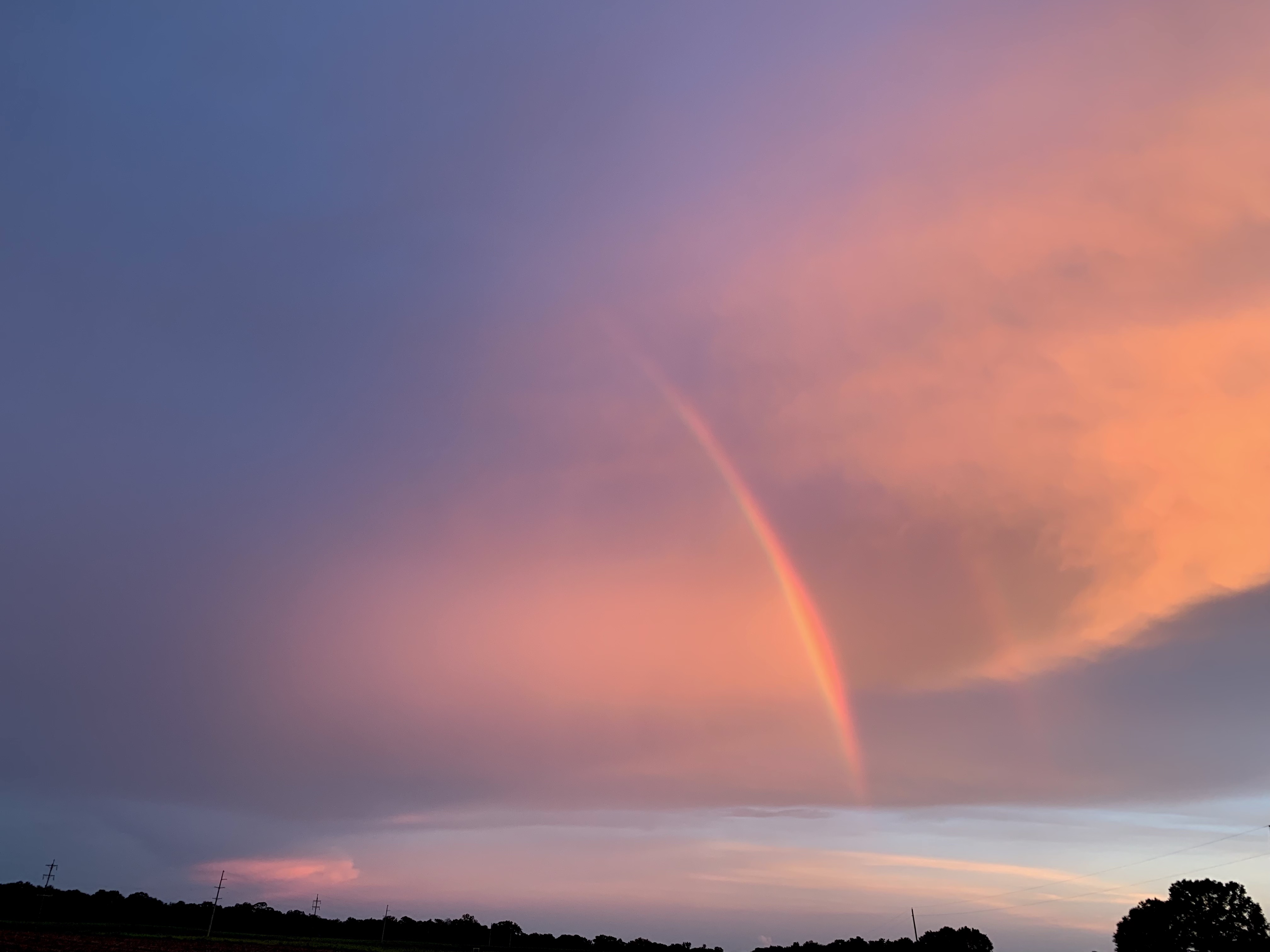
Today is my birthday. I am turning the age of the year I was born. Can you do the math? I have to admit I am not a fan of birthdays. Being born in August has never appealed to me. It’s always hot and usually rainy. But with daily rain comes daily rainbows. Over the last few days I’ve seen a few big ones. I stop my car and get out to take a picture. I wish the pictures could show the colors and size, but you’ll have to just imagine it.
My heart leaps up when I behold A rainbow in the sky: So was it when my life began; So is it now I am a man; So be it when I shall grow old, Or let me die! The Child is father of the Man; And I could wish my days to be Bound each to each by natural piety.
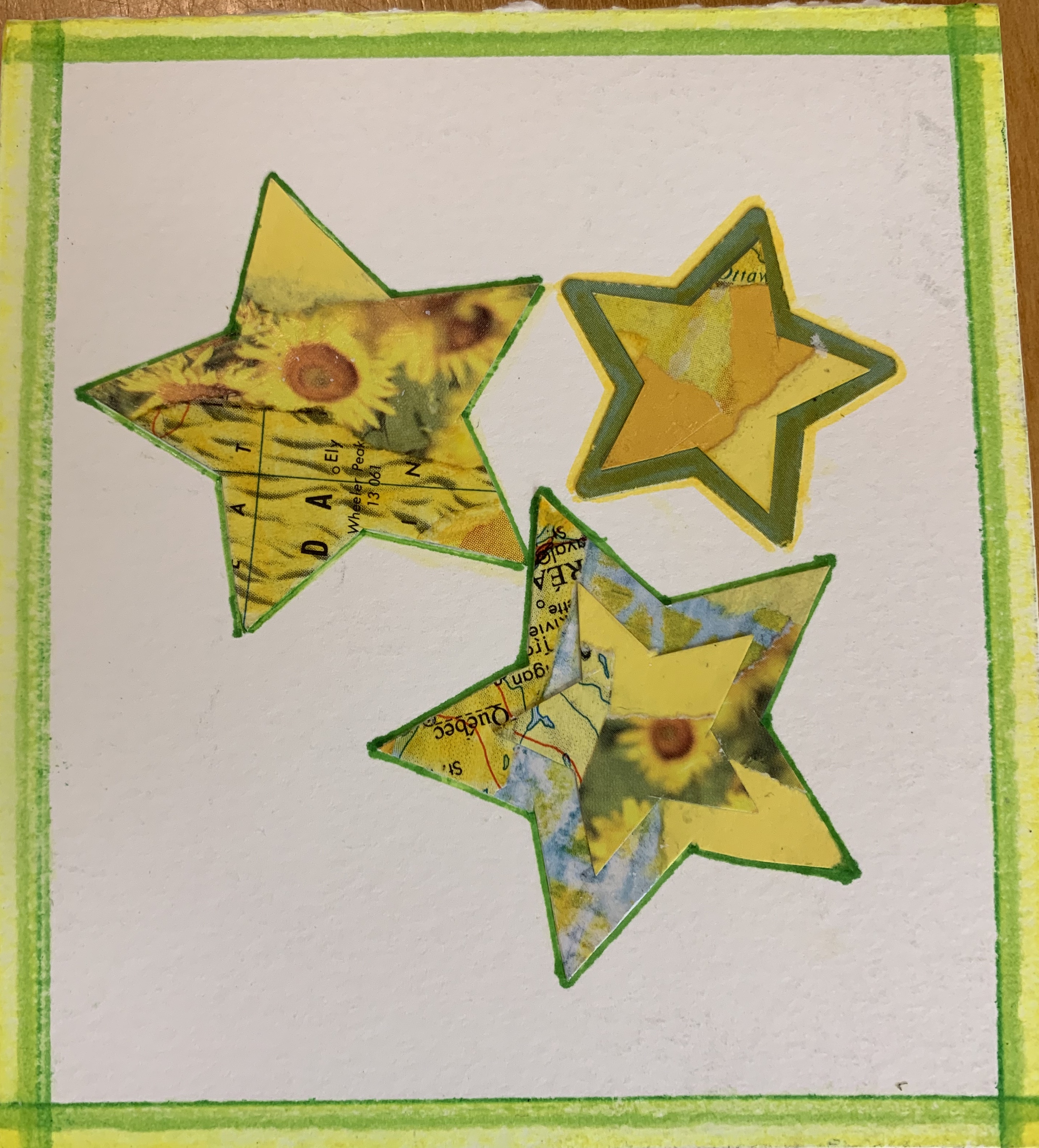
Birthday card from Linda Mitchell, my birthday “sistar”
Today is the first Friday in August and my first day of school, but it’s also time for an Inkling challenge. This month Catherine wanted to give us something easy to write. She thought about sports. I am not all that sporty, but I do have a poem in the anthology Rhyme & Rhythm: poems for student-athletes (Archer Books. 2021). It’s a duplex poem about swimming.
As I contemplated this challenge, I turned to my weekly yoga class. I am going to miss this class during the school year. I love the instructor and the way she speaks to us. I’ve always thought it was like poetry. So on Wednesday, I recorded the class. This poem is a transcription with poetic license. I decided to play with having no punctuation and using space and line breaks to pause. Does this work?
The Sport of Mindfulness
Breathing is healing relaxation brings the body together all cells communicate together Breathe and communicate into one focus. breath
Notice if your thoughts move into a pattern bring yourself back to your anchor your breath
Back and forth a tennis match with yourself building a new skill purposeful intentional thinking
Lean into the stretch spread your fingers press into the palm open your muscles
Stay with the breath Challenge yourself Focus ride the waves of discomfort Then it starts to feel good
Exhale pose thank you colon thank you liver thank you spleen gallbladder pancreas Thank you for all your hard work Toxins moving out release
Come back to the breath The sound of the wind sound of the music Sensation of being in the room among friends No responsibilities
Nature is abundant Bring awareness to your abundance You are abundant thriving We are all thriving
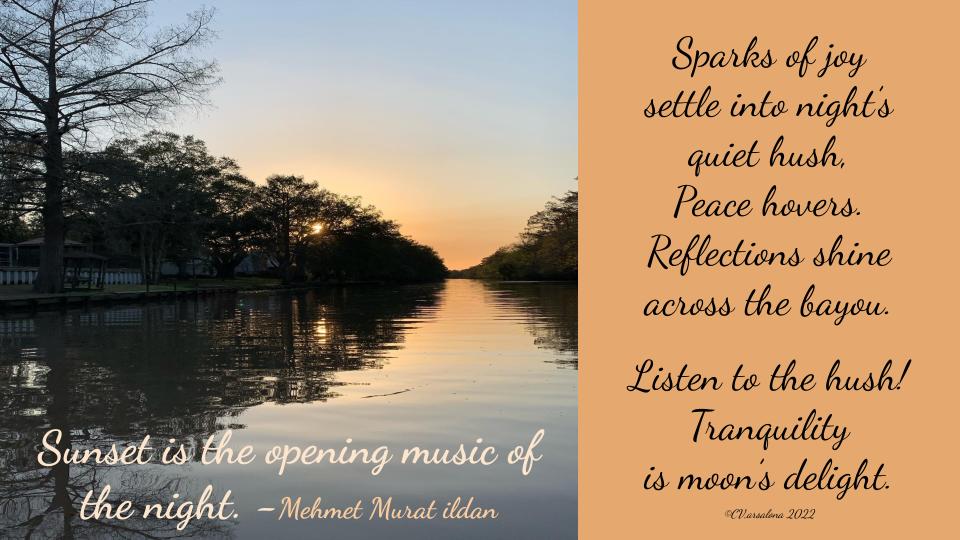
My summer is winding down quickly. I start back to school next Friday. But the Summer Poem Swap is in full swing. Tabatha Yeatts organized pairings of poets to exchange creativity, gifts, and poetry. My third swap was with Carol Varsalona. (Note: I still owe her my end of the bargain.) Carol is a digital master. If you visit her website, you can find pages of inspirational digital creations. She used this prowess to create for me a Google slide show. She also sent me a print form. You can view the whole slideshow here.
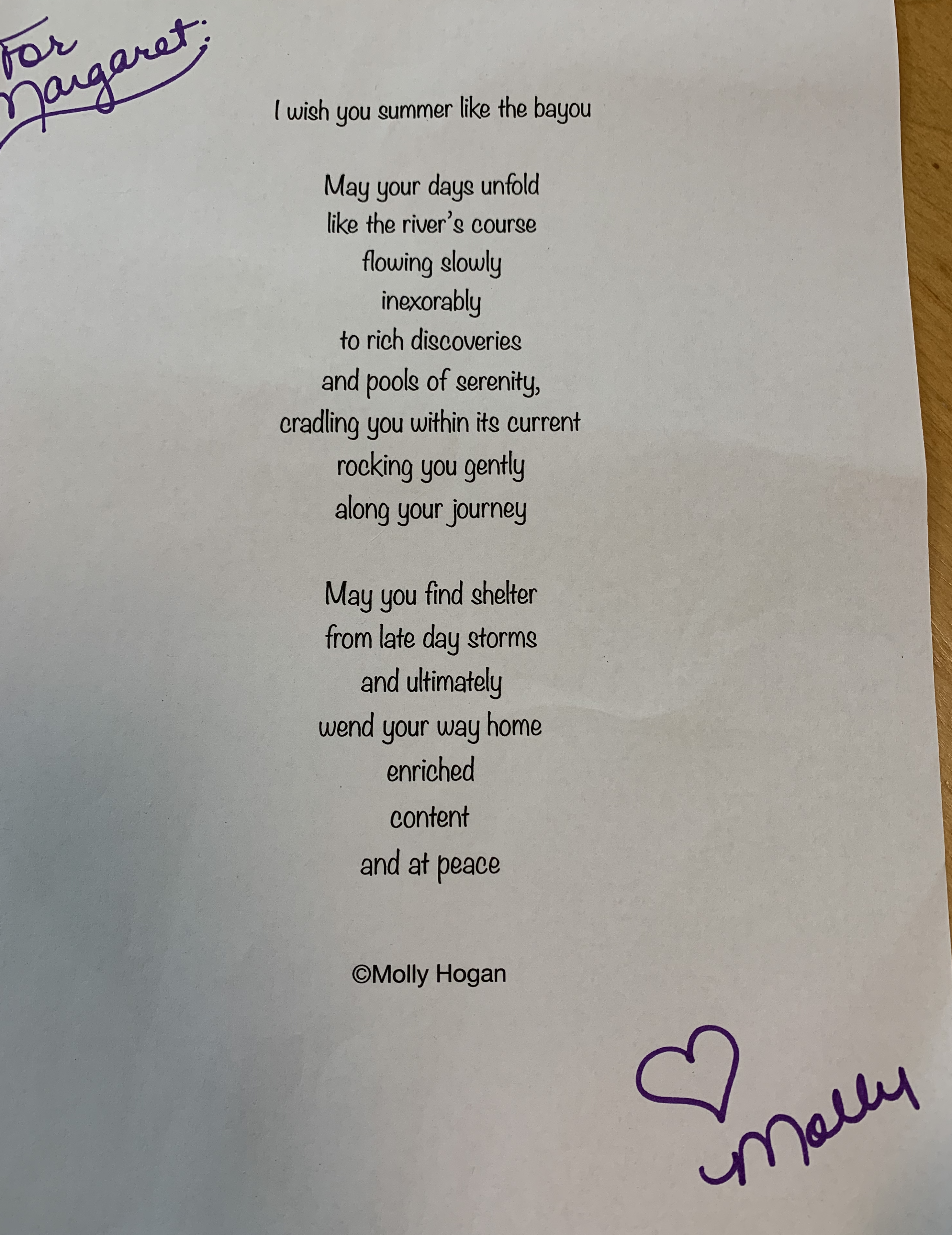
The poem that Molly Hogan sent me had a similar theme of peace and tranquility. Are these poets trying to tell me something? Or do they recognize something in me that I am struggling to find within myself? Poetry is a profound and powerful presence in my life. Thanks Carol for your creative and sensitive expression of love.
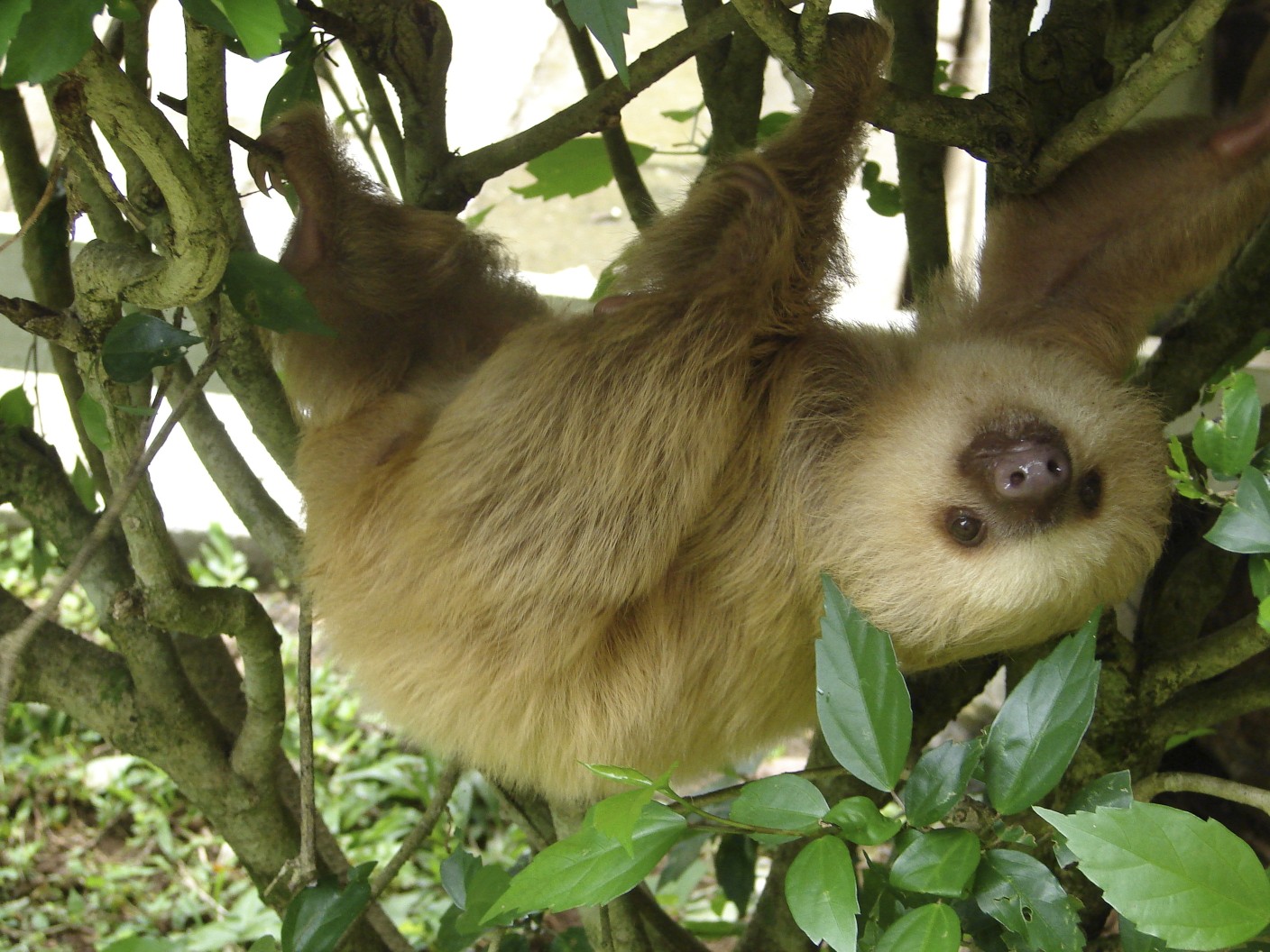
Sloth video from my phone. Turn sound down or off. The guide explains the different kinds of sloths near the end. This is a two-toed sloth.
Slow Sloth
I am to you scribbles of God. My two toes touch the heavens on leaves like tea left behind for someone to read, a lie between sun and moon. I am blind to you. As I slowly pass through parting seas of green, only the fruit follows me. I know heaven is green as all sorrow in amorphous shape. I neglect symbols, and drink from mud. I stop and sleep because you are always there.
Margaret Simon, 2022
I wrote this poem after Swift Hummingbird by Ray Bradbury. On Ethical ELA, Jennifer Guyor Jowett introduced antonymic translation in this week’s Open Write. Ray Bradbury wrote of the hummingbird which immediately made me think of the sloth we saw in Costa Rica last week. It was fun to write a poem about it.
Two-Toed Sloth, Wikimedia Commons
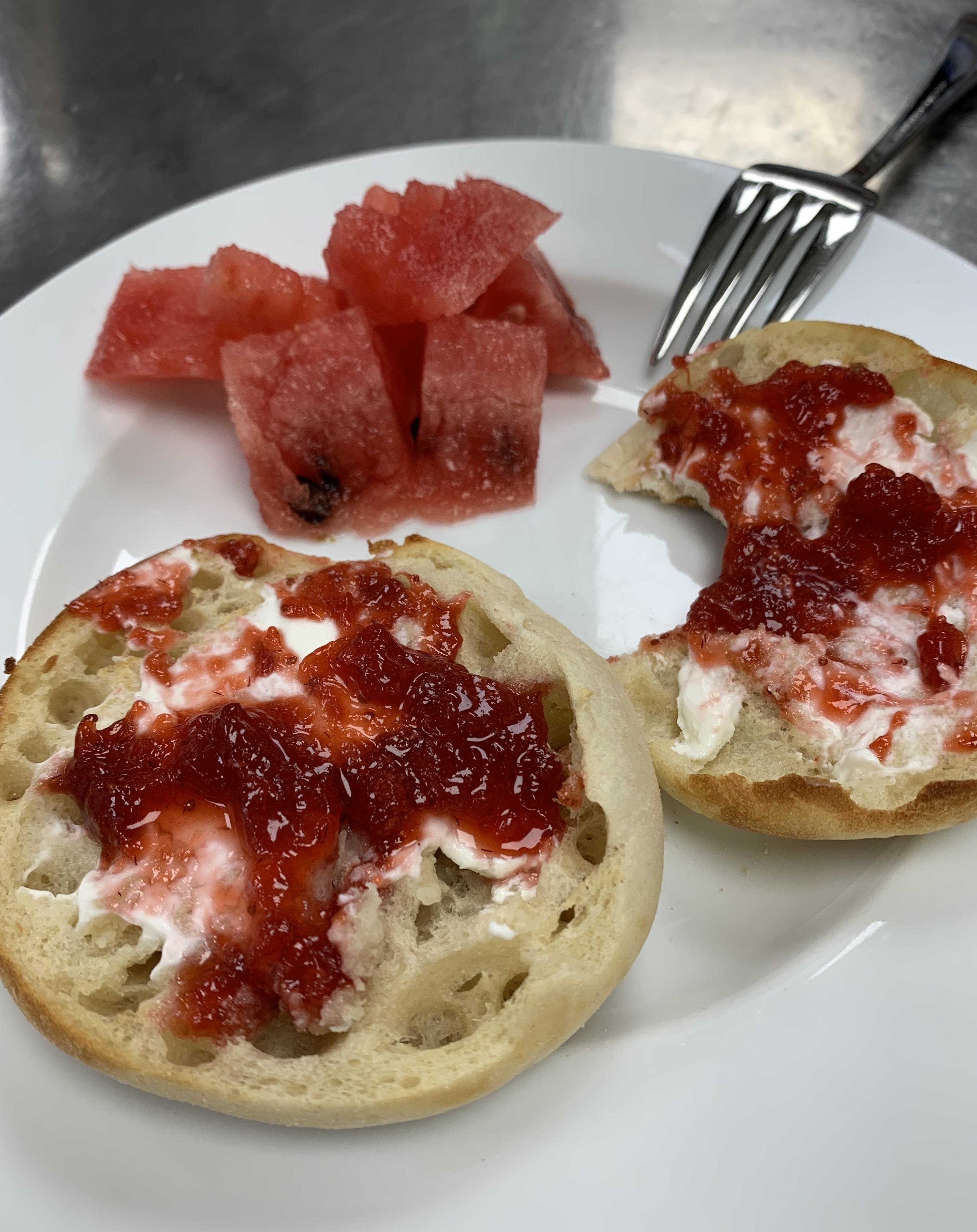
Molly Hogan, fellow Inkling, sent me a Summer Poem Swap. Her tranquil poem sent me the blessing I needed along with some homemade (by Molly) strawberry jam and other goodies. Thanks, Molly, for the full-of-care package.
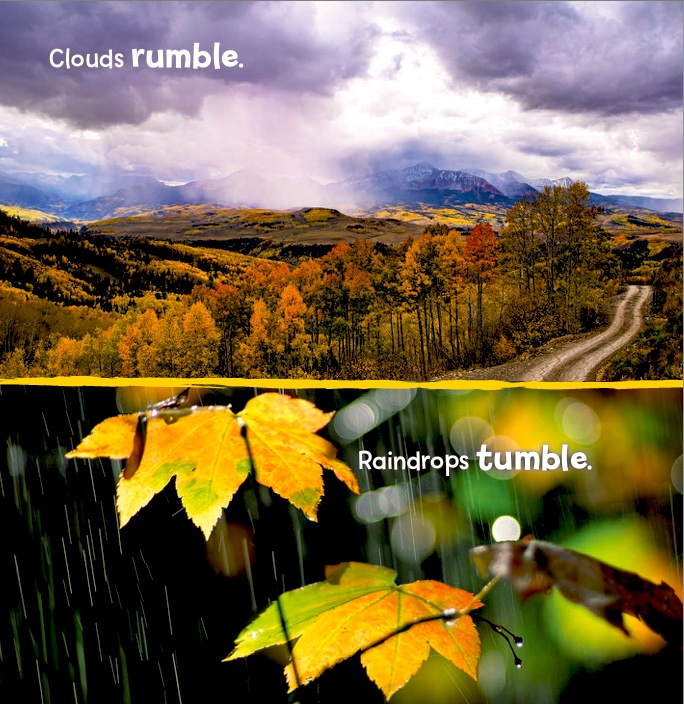
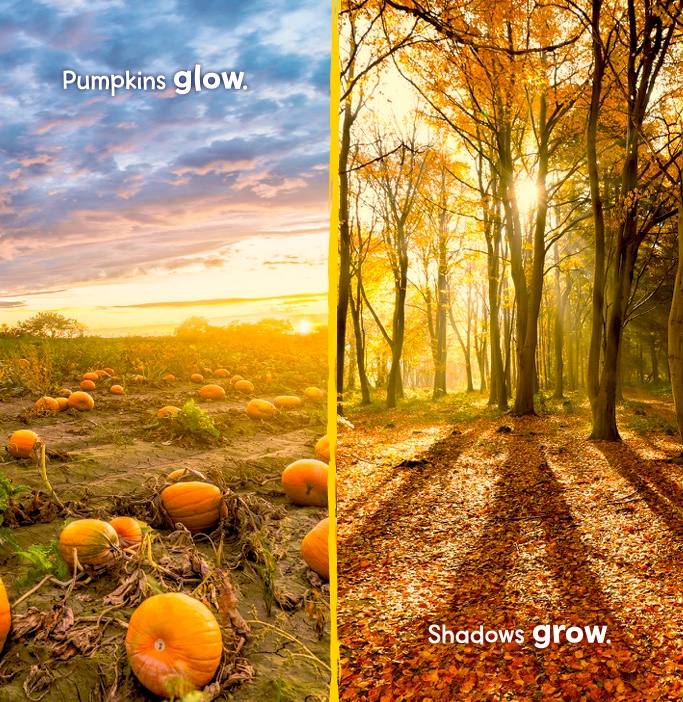
My friend, poet Buffy Silverman is releasing a new word-blooming picture book, On a Gold-Blooming Day coming September 6, 2022. This rhythmic, rhyming, all-about-fall book is enchanting from start to finish. You will be transported to the season through words and images.
From On a Gold-Blooming Day, photos by Buffy Silverman
I asked Buffy to tell us how she is inspired to write.
I have been fascinated with the natural world for as long as I can remember. When I was six I collected a jar full of grasshoppers from an empty lot to keep as pets in the garage. I learned the hard way that insects need oxygen! I spent hours perched in the branches of our maple tree as a kid, watching the world below.
I still search out the small animals that share our habitat. We are lucky to live at the swampy end of a small lake, with frogs, turtles, birds, and woods as neighbors. We stopped mowing most of our backyard about twenty years ago, and a meadow has grown in its place, attracting a variety of insects. Now I collect critters with my camera instead of in a jar, and try to share what I see through my writing. My hound keeps me walking every day, no matter what the weather or season, so I get plenty of opportunity to make new discoveries!
I hope that my words might inspire a young person to look more closely at and fall in love with the world around them. The world desperately needs a generation of environmentalists, and I think that is most likely to happen if children spend time outdoors, make their own discoveries, and fall in love as I did with nature.
Buffy Silverman
From On A Gold-Blooming Day by Buffy Silverman
This golden glowing book is for preschool through 3rd graders. The back matter provides more information about the animals and plants mentioned in the text and images. A glossary of new words helps developing readers. Add this book to your fall reading list. Buffy’s website is here.
Poetry Friday is hosted today by Janice Scully at Salt City Verse
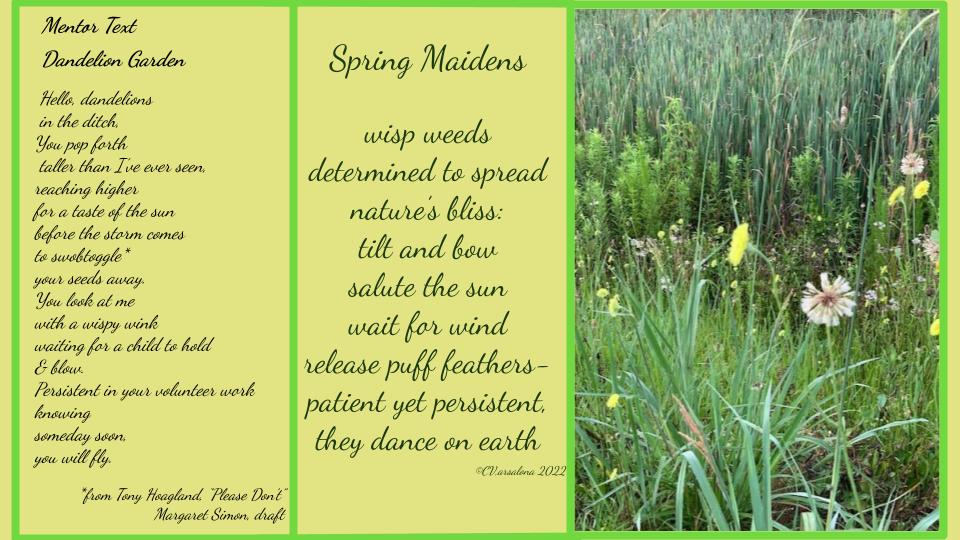
This month’s Inkling challenge comes from Heidi Mordhorst: I’m looking out at my yard, my garden, and no matter what’s happening outside or in, THE PLANTS KEEP GROWING. They rarely give up. There are so many ways in which we’ve all (but especially as women, as educators) had to be persistent, despite our weariness. Write a poem (for kids or adults) about PERSISTENCE.
Heidi suggested a model poem by Tony Hoagland, Please Don’t. I borrowed a few lines and the word swobtoggle.
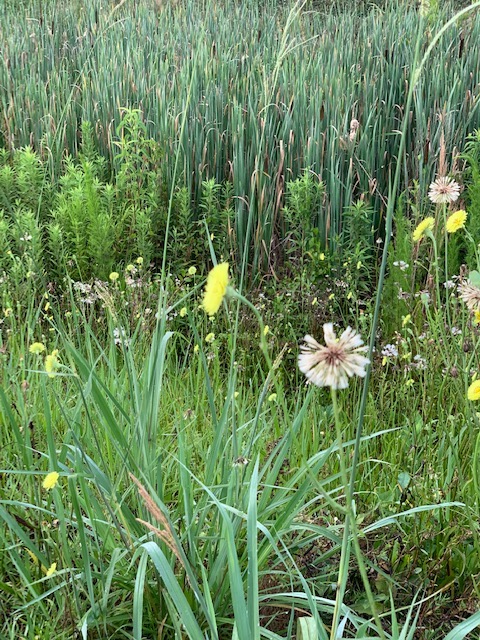
Dandelion Garden
Hello, dandelions in the ditch,
You pop forth taller than I’ve ever seen, reaching higher for a taste of the sun
before the storm comes to swobtoggle* your seeds away.
You look at me with a wispy wink waiting for a child to hold & blow.
Persistent in your volunteer work knowing someday soon, you will fly.
Each summer Tabatha connects us kidlit poets by coordinating a poem swap. My first poem swap was with Kat Apel, all across the globe in Australia. Believe it or not, we have met face to face. She is a tall, sunshiny gal. I finally got around to sending her a poem yesterday, and she has shared it with the world today. Check it out here.
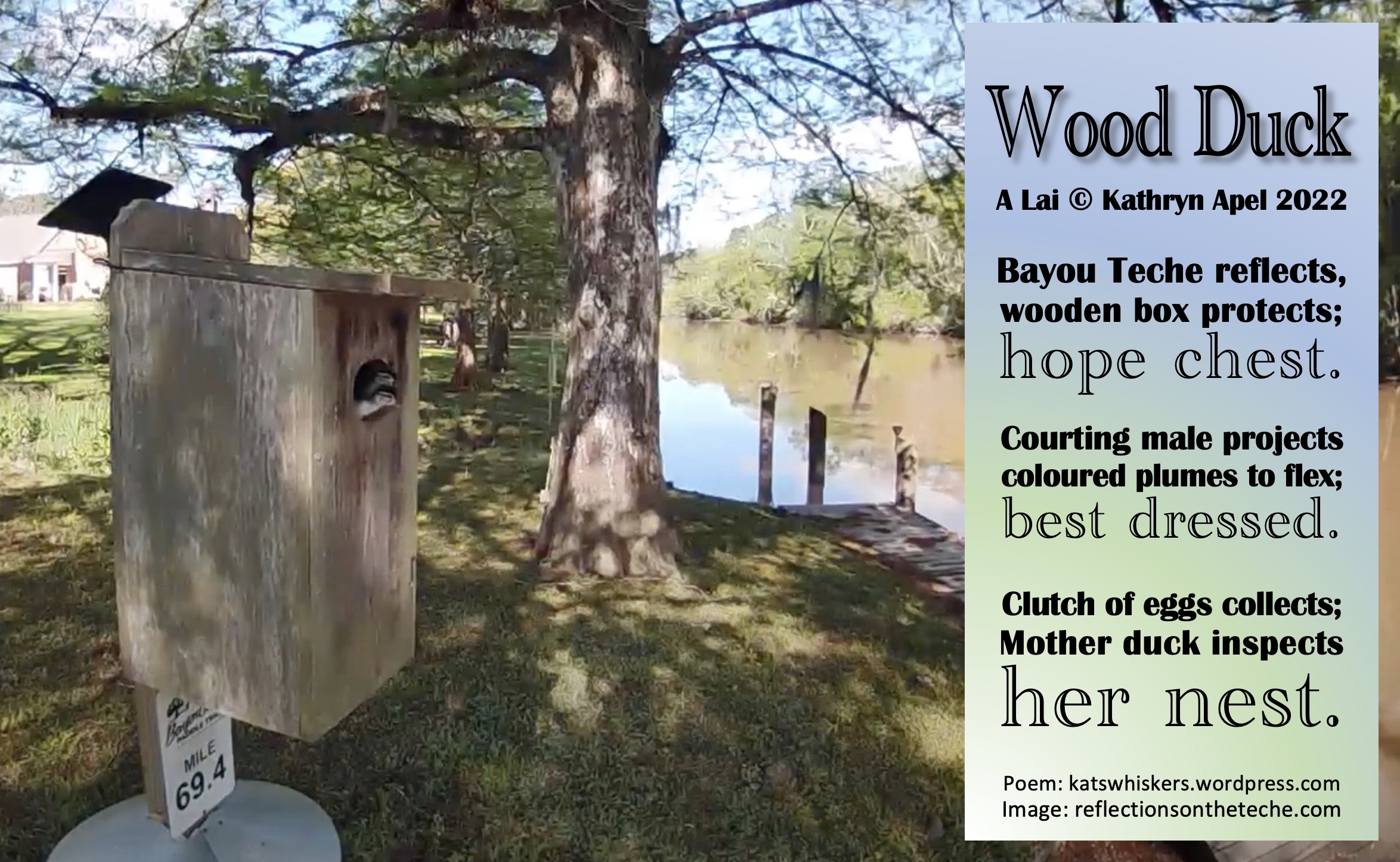
Kat loves nature and often writes about it. She has watched our wood duck nesting box project over social media. She sent me this poem a few weeks ago. She captured the photo from my video, so cute with two ducklings peeking out. The poem is a lai form (which I looked up here.)
Honestly, I’m not sure if I’ll be home soon. I’m glad you were able to see me. I love how you hear a different story from my eyes,
how we find honesty under the moon– a strawberry moon rising– like a beacon through the trees.
You read me with an elder’s wisdom. Tears well up when you hold my heart with your eyes, how they flow with knowing. Your own tears leaking onto your cheek.
You never even met my father, but he was speaking through you, his presence nowhere and everywhere.
Honestly, the well of deep compassion grows when watered with our tears.
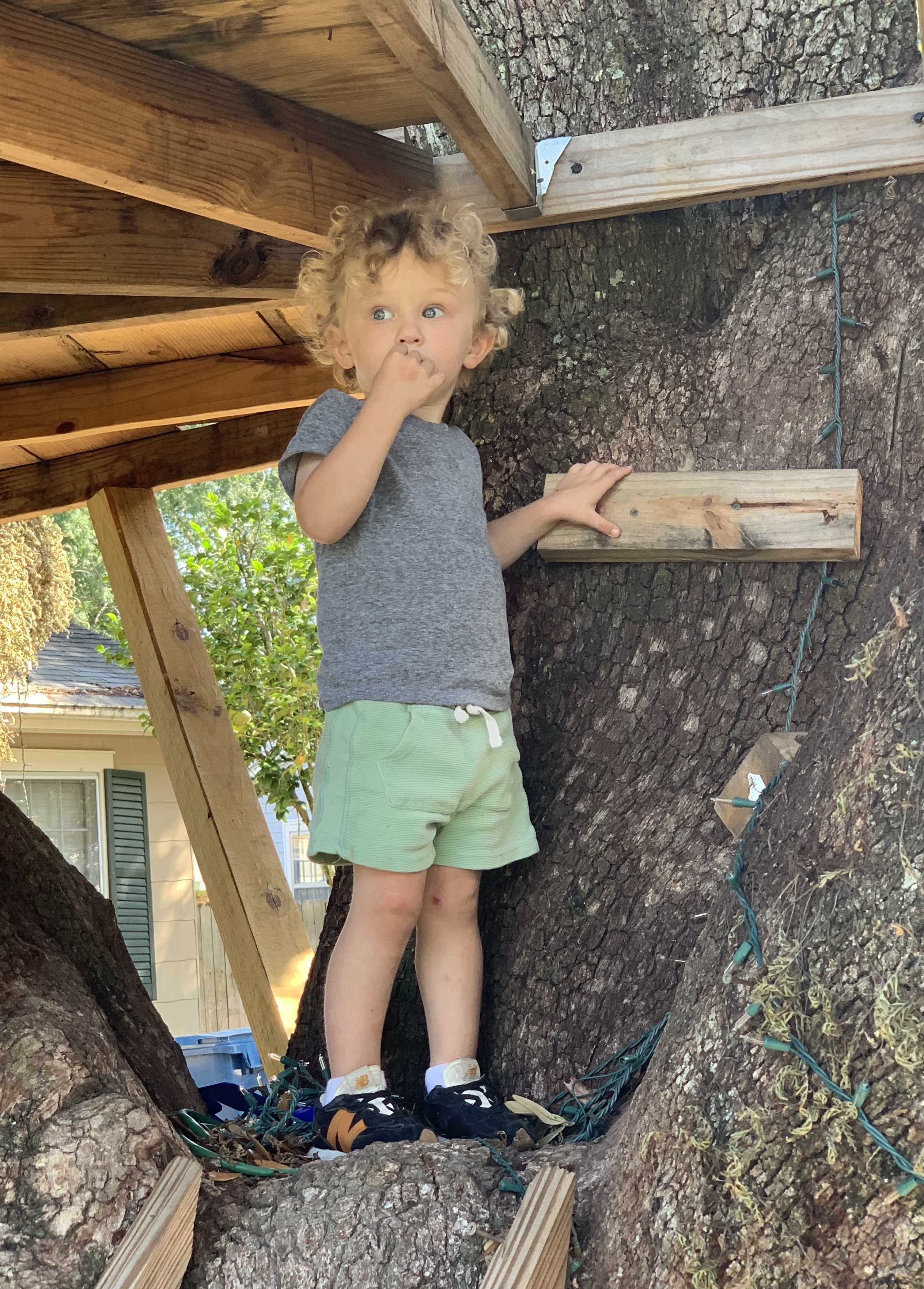
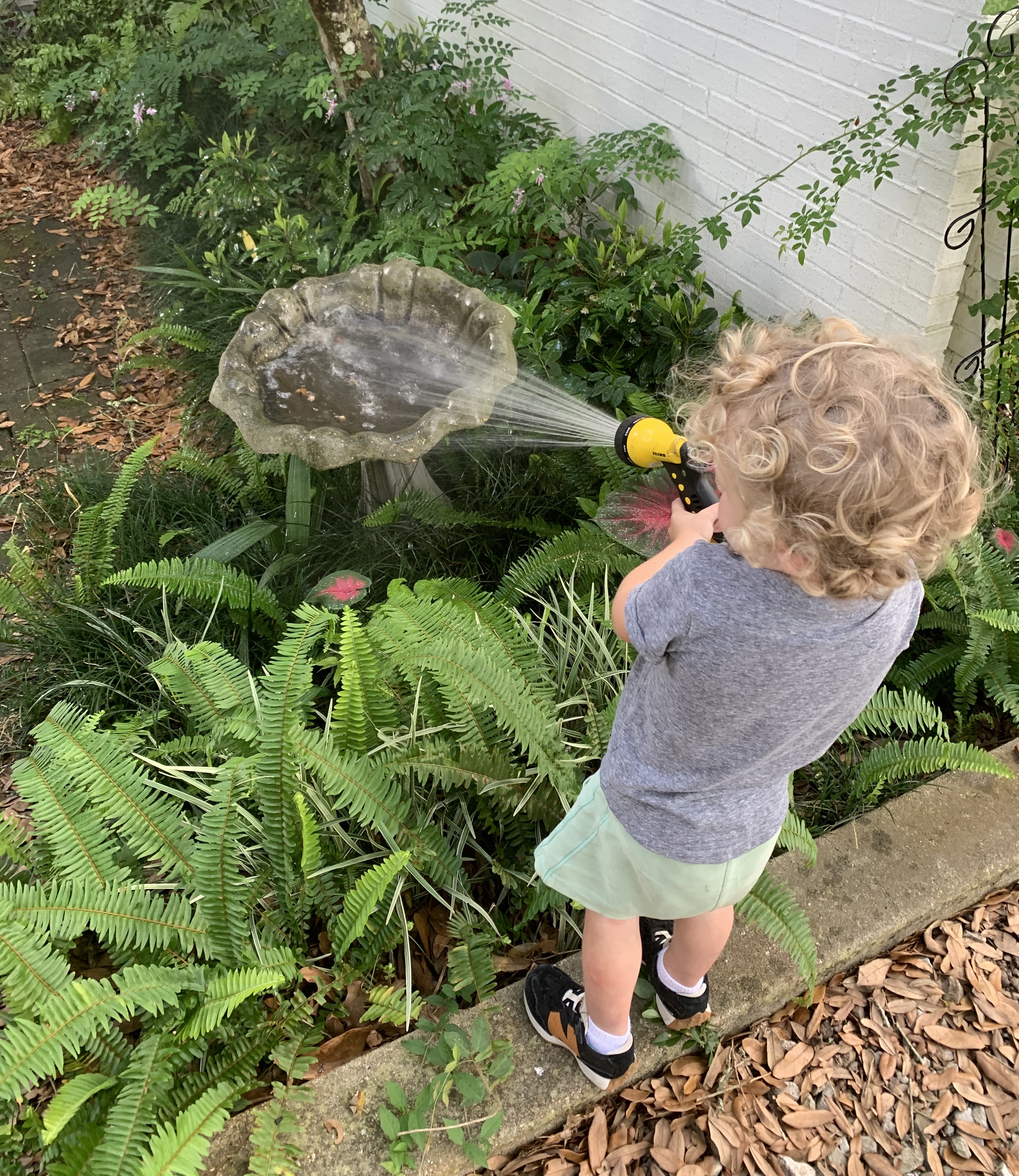
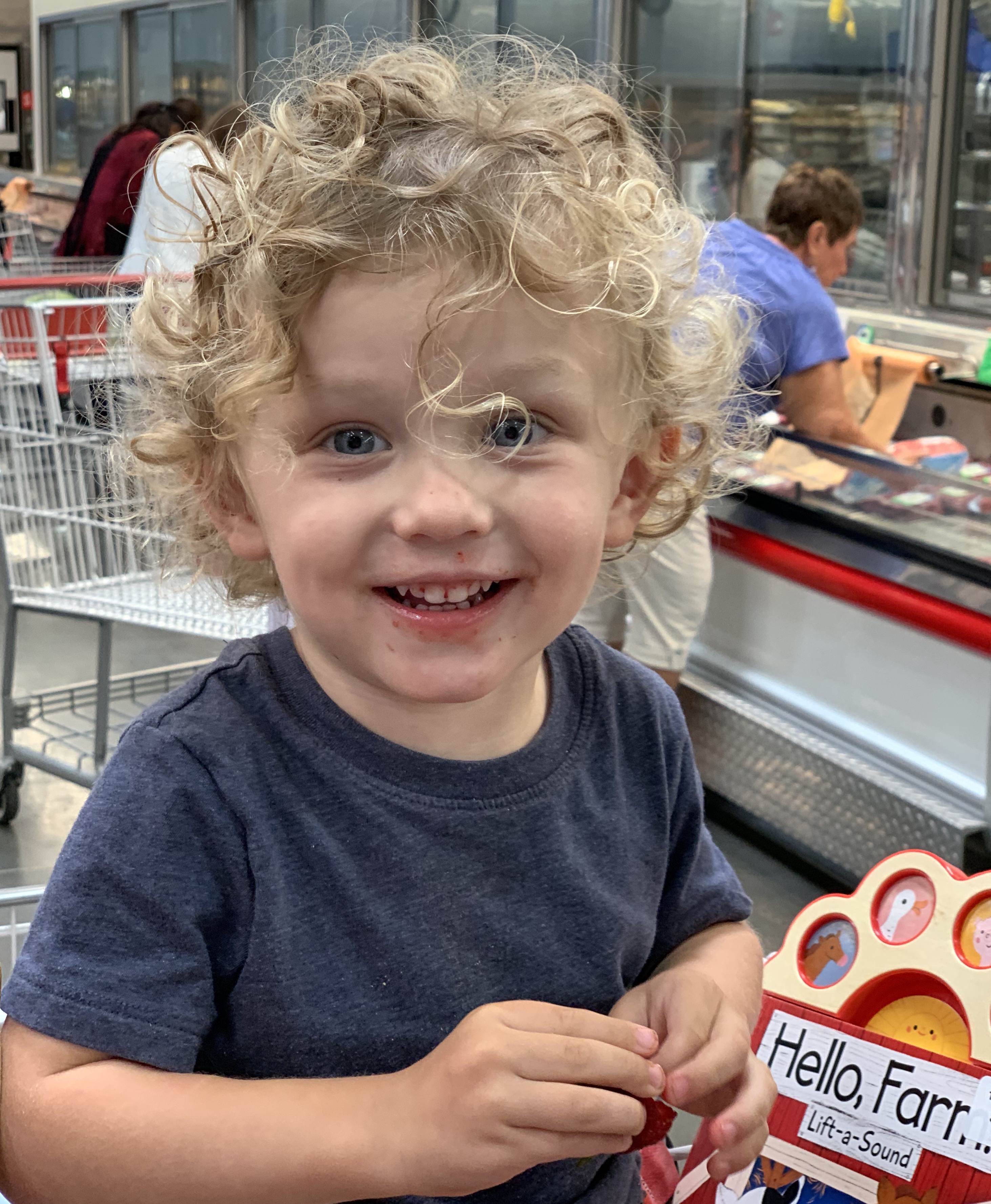
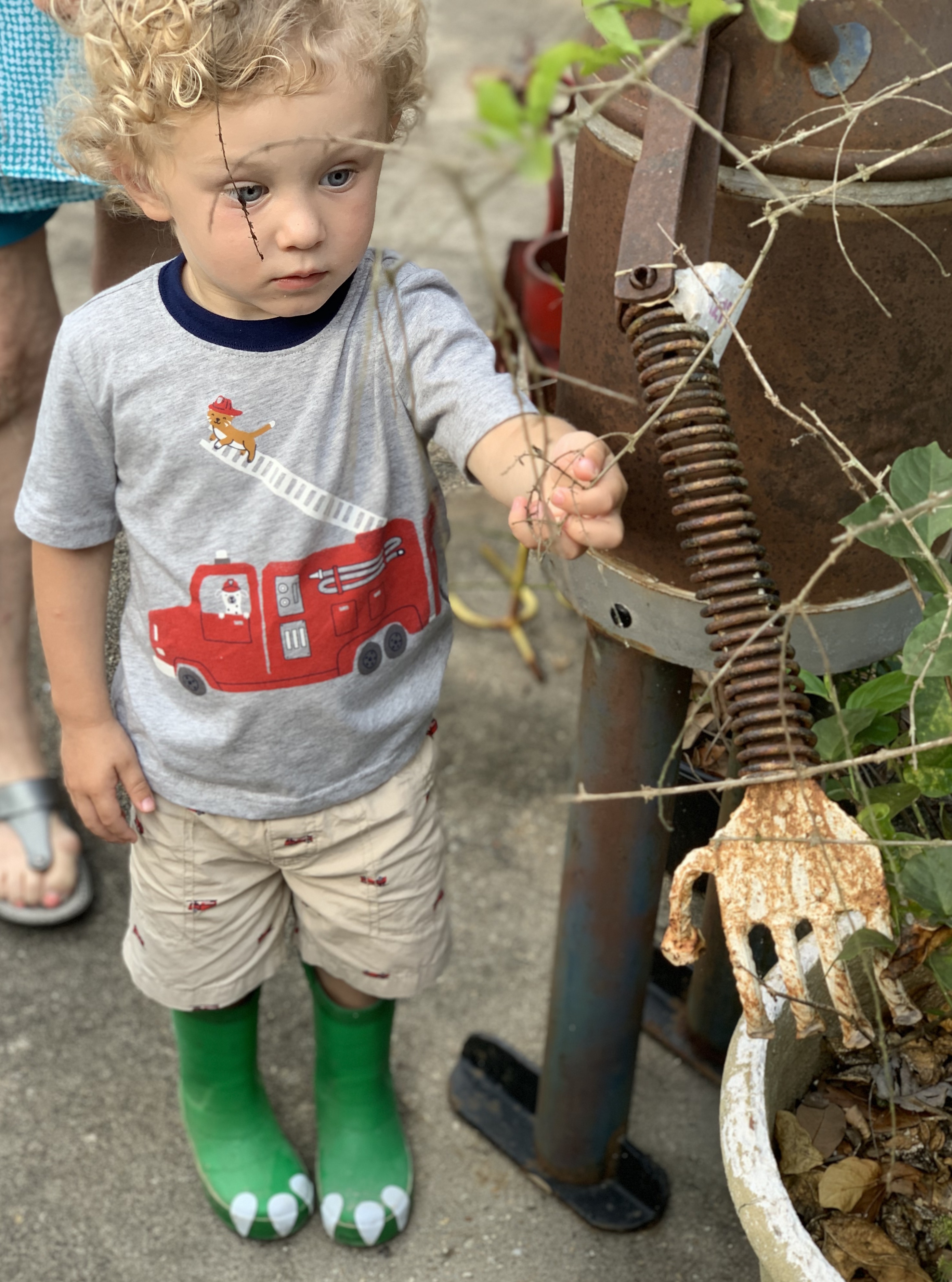
This week was the first week of Simon Summer Camp with the visit of Thomas, better known as Tuffy. We have had a wealth of experiences each day. How do you build memories for a 2.9 year old? Why, you sing about it, of course. Tuffy and I have been singing along to the brilliant and everlasting Raffi. (If you’re a grandmother, you must download his songs.)
I haven’t had much time to spend alone writing poetry, but that’s as it should be. I missed posting yesterday on actual Friday. His mother is back from her “trip.” The song we sang together to tell her about his camp week is sung to the tune of “If You’re Happy and You Know it.” When I sang it to him last night at bed time, he cuddled up on my shoulder, and I looked at my daughter and whispered, “I think I’m going to cry.” He popped his head right up and said, “Don’t cry, Mamère!” Then we all laughed and laughed. Pure Joy!
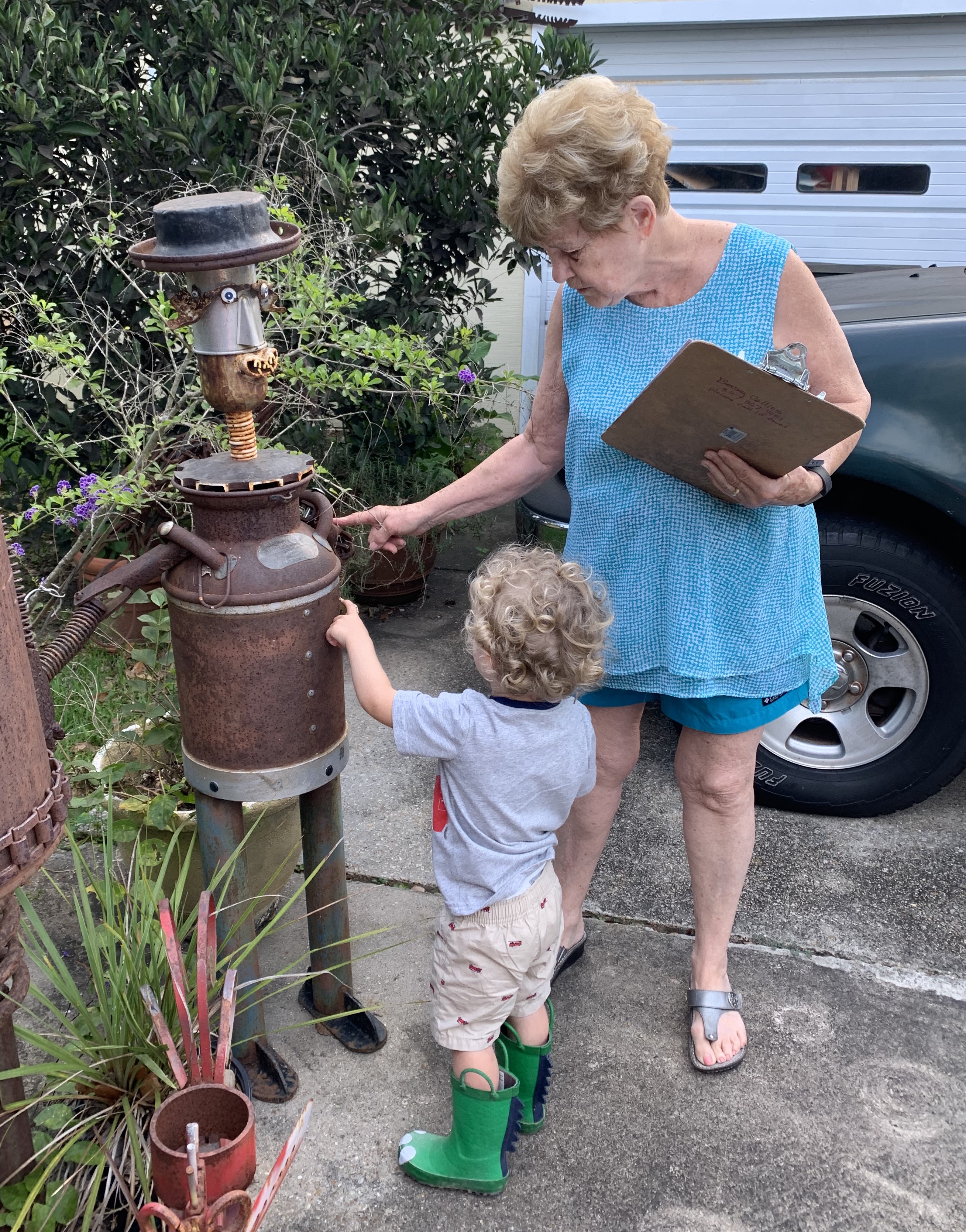
Uncle Ric fixed your tires, so you could stroll. Svitlana gave you vegetables to grow. CeCe watered flowers and plants in her yard, And Mr. Al waved good-bye.
KiKi showed you sculptures you could touch. She told you all about them, oh so much. Sophie made quesadilla out of play dough, And Rylee chased water rainbows.
Image by Linda Mitchell Round up this week is with Karen Edmisten.
Today is the first Friday of June, so that means Inkling Challenge! My writing group rotates a challenge for each month, and we post on the first Friday of the month as a group, The Inklings! This month Molly Hogan challenged us to write about a domestic task.
Truth be told, I did not read the mentor poem or write about spring cleaning because the truth is I’ve been very ill. I got Covid on a family trip to Seattle and had to stay alone in a hotel room for five days. My husband’s brother, who is a doctor, was nearby and on call for me, but there wasn’t much he could do. I just had to get through it, so I could fly home. I made it home on Saturday night. I’m still recovering, but I no longer have the virus. On Sunday morning, I read The Writer’s Almanac and used the poem “Joy” by George Bilgere as a mentor text. His poem was about recovering from the flu. I borrowed a few lines. The form helped me write again which brought me Joy.
Joy
after George Bilgere
Today I sit in the kitchen with a glass of Gatorade, on ice, my daily cocktail. The door is open to let in cool morning air. I sit with my body, just the two of us for a change. Covid has left us and moved on to someone else, with its knife well-sharpened to gut and leave behind loose limp skin.
I am sitting in amazement that I am able to be here breathing. Amazed at a body’s will to survive even in the deepest dark cave of fear.
For a while I thought I would never get better. That I would dissolve into dust in a hotel room alone, not discovered for days.
But every day there are miracles. We wake up. We taste and smell the air. Tiny eggs in a nest hatch into finches that will fly.
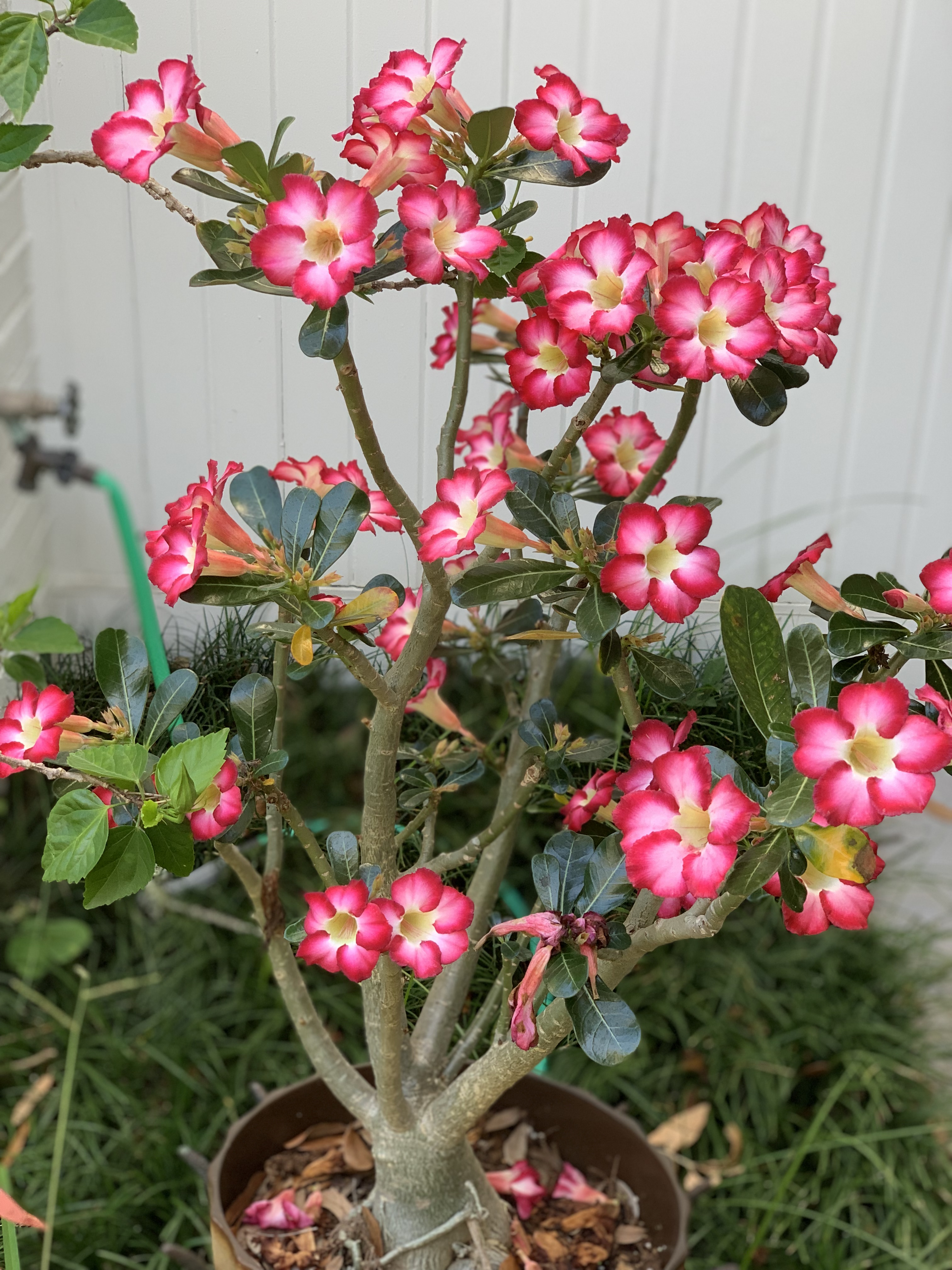
Today I sit watching a prothonotary flutter at the window, make a mental note to refill the feeders. The desert rose at my front door welcomes me home with a fireworks show.
Margaret Simon lives on the Bayou Teche in New Iberia, Louisiana. She is a retired elementary gifted teacher who writes poetry and children's books. Welcome to a space of peace, poetry, and personal reflection. Walk in kindness.