Feeds:
Posts
Comments

Archive for the ‘Teaching’ Category

Two Writing Teachers Slice of Life March Challenge

Poetry Friday round-up is with Laura at Writing the World for Kids.

This month’s Ditty Challenge on Michelle Barnes’ site is from Nikki Grimes.  Nikki Grimes has made the golden shovel an infamous poetry form.  I shared her book, One Last Word, with my students.  Michelle worked with boys in a juvenile detention center. She posted Lil Fijjii’s poem blurred lines.   This poem spoke to my students.  They could relate to the strong emotion.  To write golden shovel poems, each student chose a line to respond to.  At first Faith placed her head in her hands.  “This is too hard. I can’t do it.”  I set the timer and said, “Just give it a shot.”

My students were pleased with the results.  I’ve posted them on Michelle’s padlet.  Scroll for Students from Mrs. Simon’s Class.  


Spring is in the air here in South Louisiana and no one wants to stay inside, so I took my kids out for a chalkabration.  View their poems in this slide show.


chalkabration

Read Full Post »

Two Writing Teachers Slice of Life March Challenge


Inspired by Violet Nesdoly’s blog post Welcome Spring, my students and I wrote a collaborative poem about spring.

At first, I talked about the spring equinox and how it’s related to the rotation of the earth (to get in a little science content).   Then I opened a blank document on the screen.  Jayden said, “I hope we are going to write a poem.  I love when we write poems.”  My heart swelled.

We read it aloud to hear the beat.  We rearranged stanzas.  Landon suggested that we end the poem at night with fireflies.

First Day of Spring

by Jasmine, Kaia, Landon, Jayden

(edited by Mrs. Simon)

Happiness everywhere.
Let’s go to the Spring fair.

Easter is near.
Wind tickles my ear.

Green grass growing.
Dad lawn mowing.

Mom is cleaning.
I am dreaming.

Cherry blossoms blooming.
Sun’s light booming.

Bees buzz.
Dandelion fuzz.

When daylight ends,
fireflies descend.


On Sunday, our choir held an Evensong service.  My fellow choir member and friend, Brenda, recorded the service.  There were only 9 of us, but we made a joyful noise.  Here, she put one of our hymns on YouTube.  Enjoy Benedictus, one of my favorites. I sing alto.  Listen for me.

Read Full Post »

Two Writing Teachers Slice of Life March Challenge

On Sunday I posted about using jeweler’s loupes with my students in science and writing poems.  I felt a little guilty writing poems in science class, like that was somehow not allowed.  But my friend and slicer Dani Burtsfield posted a link to a podcast in her comment.  The podcast from Heinemann featured Amy Ludwig VanDerwater talking with authors Valerie Bang-Jensen and Mark Lubkowitz about science and poetry.

Amy asks, “Is a poem a system?”

She continues, “”Do you feel if a poem is a system … is the reader’s intent and background, when a reader comes to a poem, is that energy that flows through that system?”

Later, Amy brings up genre study. “one of the things I see that happens with writing is that … sometimes writing is divided up into these little genres, and we do this for a few weeks, we do this for a few weeks, and we do this for a few weeks. But what gets lost, and what can get lost, is the bigger idea of how to notice these patterns. How to see how interlocking pieces of words work together in a text beyond genre, like transcending, flying over genre.”

Amy’s ideas led me to my lesson today with my science kids.  I wanted to use the patterns of poetry to notice the patterns in science, to fly over genre.

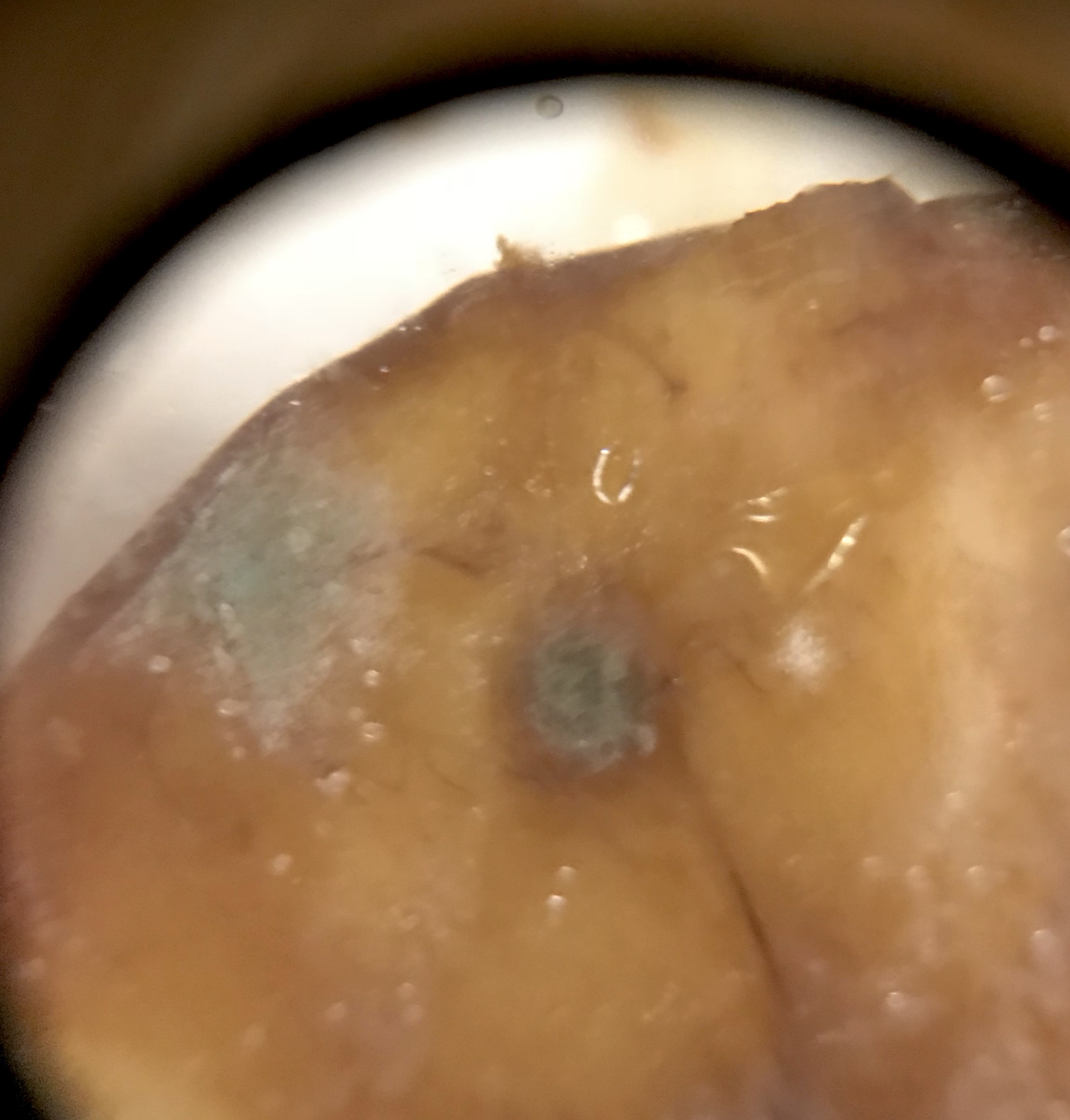
We were using jeweler’s loupes to look at plants, but today we were looking closely at mold.  Last week we set up mold terrariums using ziplock bags and a slice of bread and apple.  Following the weekend, guess what grew?  Yucky mold!

Mold on an apple

“What does the mold remind you of?”

“An old man’s beard.”

“Whipped cream!”

“Let’s write a poem about it.”

Moldy Poem

Mold is growing on our food.
We know it’s made of spores.
Now it looks like
an old man’s beard,
white and green like sour cream.

Mold is creeping like a fox
preying on a squirrel.
Decomposing apples and bread
like bacteria in my mouth.
A marshmallow made of spores.

Writing this poem helped solidify some science concepts through discussion and creativity, observation and discovery. I think we’ll write poems in science more often. Thanks, Amy, Valerie, and Mark for permission.

Read Full Post »

Two Writing Teachers Slice of Life March Challenge


In the middle of the night, an Amber Alert alarms on my cell phone.  I put on my glasses, checked the phone, and saw something about a 1979 white Cadillac… I went back to sleep.

At morning recess shouts and screams enter the hallways.  I close my door.

The bell rings, my students enter, visibly stressed, breathing differently, heavier.

We talk about it.  One says, “I’m so tired of all this bullying.  I just want people to get along.” Her eyes tear up.  I offer a hug.

Another student says, “Let’s meditate!  I need it this morning.” Blankets and pillows come out.  Breathing slows as we imagine the stress leaving our bodies.

We breathe slowly in silence for 4 minutes.

We begin the work of the day, reading and writing.

I don’t have any answers for the fears, the cries, the bullying, but I can offer a safe place of mindfulness.  It’s something.  Some days it’s everything.

stones-1372677_960_720

Note: My student Faith wrote about the fight in this Slice of Life post. 

For meditation, I use Mindful Kids, a box of kid-friendly meditation cards by Whitney Stewart.  Available on Amazon.

Mindful Kids


Read Full Post »

Join the Two Writing Teachers blog for the Slice of Life Challenge.

What is a change maker and who are the change makers in our own community? I asked my students. I made a list on the board of people I know from our area who are making a difference.  Each student chose one to interview based on his/her own interest.

I called Vicky Branton, a feature writer for The Daily Iberian, our local newspaper.  She agreed to come visit with my students about interviewing for and writing a feature article.  She had good advice:

  1. Begin with the 5 W’s: Who, what, when, where, why?
  2. During the interview, listen.
  3. Record the interview in order to be completely present and to go back for direct quotes.
  4. Elaborate: Find the interesting thing.

For the first three days of last week, I scheduled interviews.  In all, we had 5 interviews.  Students then began writing.  We had to juggle the computer around for them to listen to their recorded interviews.  Eventually, they had a draft of a feature article.

This was a motivating project for my students.  They were elevated by their interviewer status.  They learned a great deal about the good things happening in our city.  They learned how to take a quote and turn it into narrative.  They learned about themselves in the process, too, and have renewed aspirations for what they may want to do to be a change maker.

Faith is interested in an anti-bullying program that is in the early stages in our community:

Mrs. Dawn and Mrs. Sharon say they really feel like Chez Hope is impacting the community. Russo expressing,”…What we do is not easy, it’s not easy work at all, it’s hard.” Over time they are helping the community. These crises are a big problem in our community. And many people are afraid that they aren’t going away any time soon. To add on to that, I would like to say that I feel like Chez Hope has impacted our school. When Mrs. Sharon and Mrs. Dawn came to our school, they left an impact on me and others as well. Once I walked out of that room, I knew I had to do something to help stop bullying. I also took away that I should never bully anyone. Also, if some one bullies me, then I need to tell an adult. I don’t need to be put down and be bullied. So stand up for yourself and tell an adult. (Faith, 6th grade)

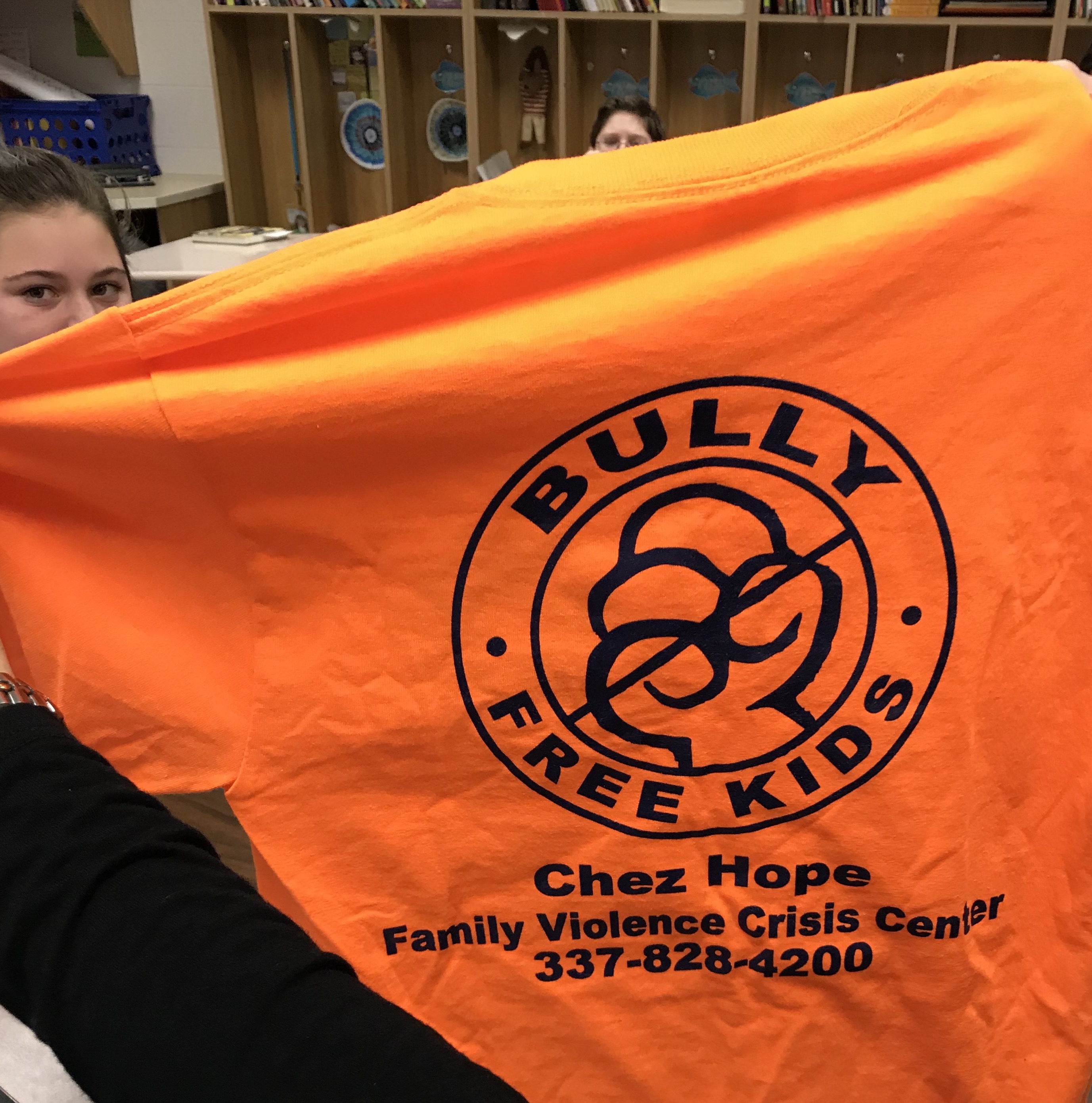
Bully Free Kids T-shirt from Chez Hope


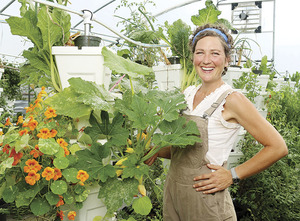
Jennie Lallande, Acadiana Lifestyles “Women Making a Difference 2016”

Andrew wanted to know more about how Jennie Lallande became involved in the community garden and school garden programs.

Jennie Lallande is a massive change maker. She helps in the community garden, but the garden is made in a place where people don’t have much access to fresh food like lettuce or carrots. She was recruited because she has a experience in sustainable agriculture.

Erin is doing a fundraiser to make care packages for foster children, so she wanted to know more about the system from someone who had adopted a foster child.

When I interviewed her I got a lot of information about her and the foster system, which will help me with my research because I want to learn more about the foster system. A lot of new information was revealed to me.  I thought the social workers were supposed to help the parents. But according to Mrs. Schlicher they don’t really help.  She said they provided her with false information so that she would take children in.

From interests to interviews to writing, my students are discovering who is making a difference as well as planting seeds for their own future as change makers. 


Read Full Post »

Find more celebration posts at Ruth’s blog.

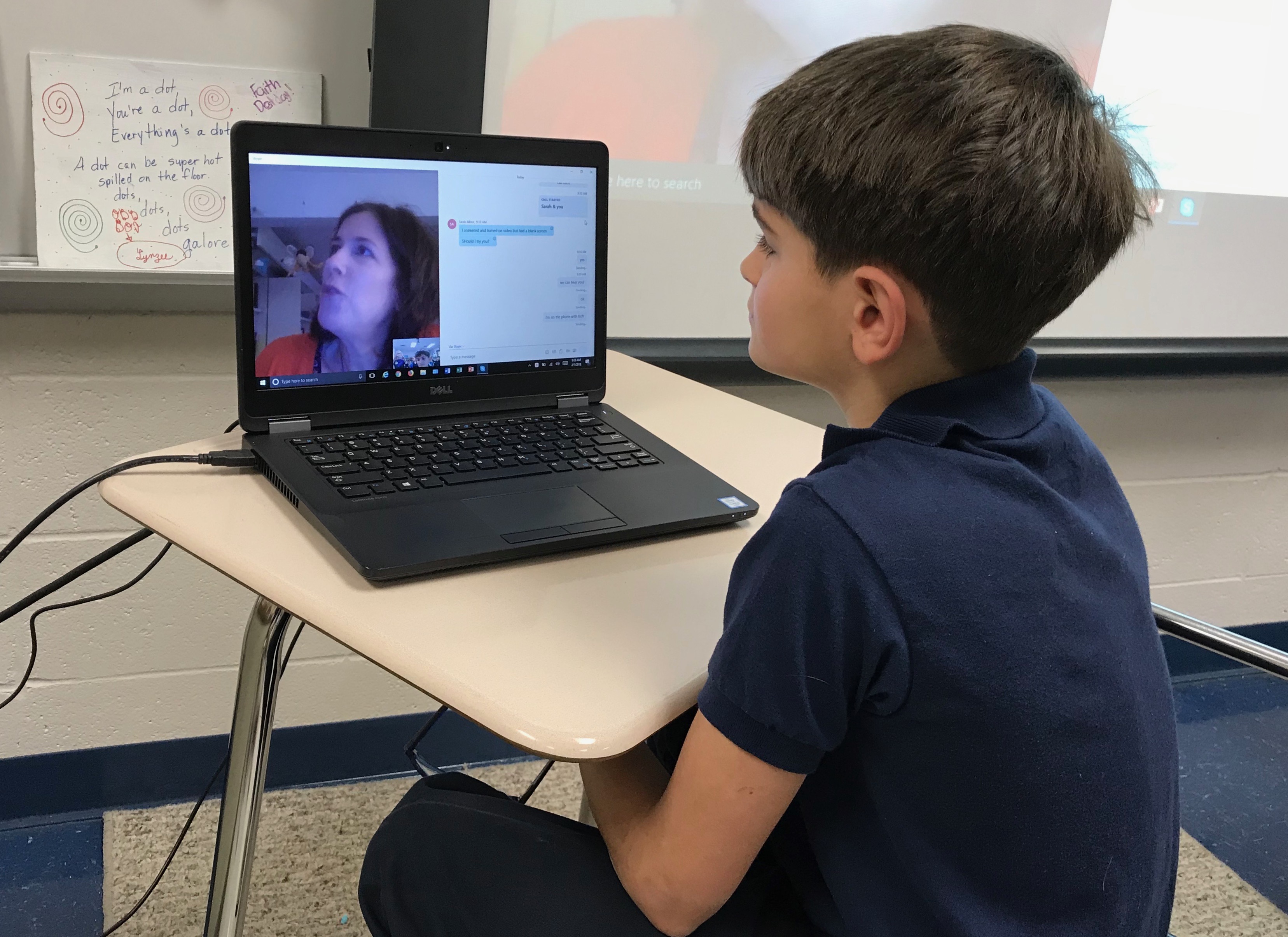
Thursday, Feb. 1st was World Read Aloud Day.  Back in November, Kate Messner posted a long list of authors willing to do free Skype visits.  I selected and contacted Sarah Albee, author of Bugged, Poop Happened, and Poison, amazing and engaging nonfiction books.

Each of my students in my morning class composed a question and were promised a chance to personally ask their question.

Argh!  Tech problems!

A quick call to the tech director, and he took over the computer and was able to solve the problem just in the nick of time.  My students were able to ask their questions, and Sarah expertly answered each one.

Even Erin’s question, “Do you know what a narwhal is?” did not stump this nonfiction research expert.  Sarah pointed Erin to a page in Poison in which she refers to the practice of using narwhal horns to simulate unicorn horns.

My students marveled in the length of time it takes to research, write, and publish a book.  Dawson, who is reading Bugged, asked what her favorite insect is.  Would you be surprised to know it’s an ant?!

Dawson later announced that it was the first time he had ever met anyone famous.  In a more perfect world where technology was flawless, I would Skype more often with “famous” people.  Authors are my heroes, and they are becoming my students’ heroes as well.

Read Full Post »

Poetry Friday round-up is with Donna at Mainely Write


This week there was a big moon event: the second full moon in January called the blue moon as well as a lunar eclipse that caused the moon to appear reddish and the fact that the moon was closer to the Earth than usual making it a super moon, thus blue blood super moon.

What better reason do we need for writing poems?

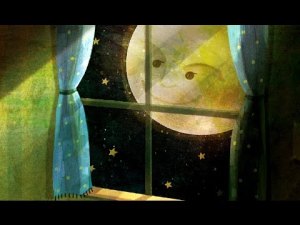
Prompted by NASA images and Laura Purdie Salas’s book If You Were the Moon, my students and I wrote moon metaphor poems.


Lynzee watched and wrote as slides of moon photos rolled across the screen.

Super Blue Blood Moon

Two birds, side by side,
front row seat
for what happened
in the early hours of the morning.

Birds flying in front of the moon
like sparkles on a disco ball,
they see, too, what happened.

Plane flying, too,
over the skies of Britain
like the moon’s huge moving tattoo.

Lynzee, 3rd grade

Chloe is new to writing poetry.  She’s a second grader.  She seems to be grasping the idea of metaphor in her poem.  She was so proud of her poem, she typed it in all caps.

THE MOON IS BRIGHT LIKE A STAR

IT IS NOT A STAR BUT IT IS FAR

THE MOON IS A BABY FOR EARTH

Chloe, 2nd grade

Madison is becoming quite a poet.  Her poem is one I used in other classes to model the use of metaphor.

Peppermint Moon

Red Splashing Shadow
Take a White Pearl
In The Sky

Peppermint Swirling
Shadow,
Flaming From
Embers
To White and Red Tongues,
Licking the Dark Coals
Of the Night

 A Flame
Red and White
Sends Embers Scattering Across
The Deep Black, Overhead
But A Golden Flame Rises,
A Bonfire To Cast
Shadow Around
The Gem.

A White Diamond Revealed,
A Golden Bonfire Raging
It Is Time For The Moon
To Rest,
Forever The White Diamond
Of the Night Sky.

Madison, 4th grade

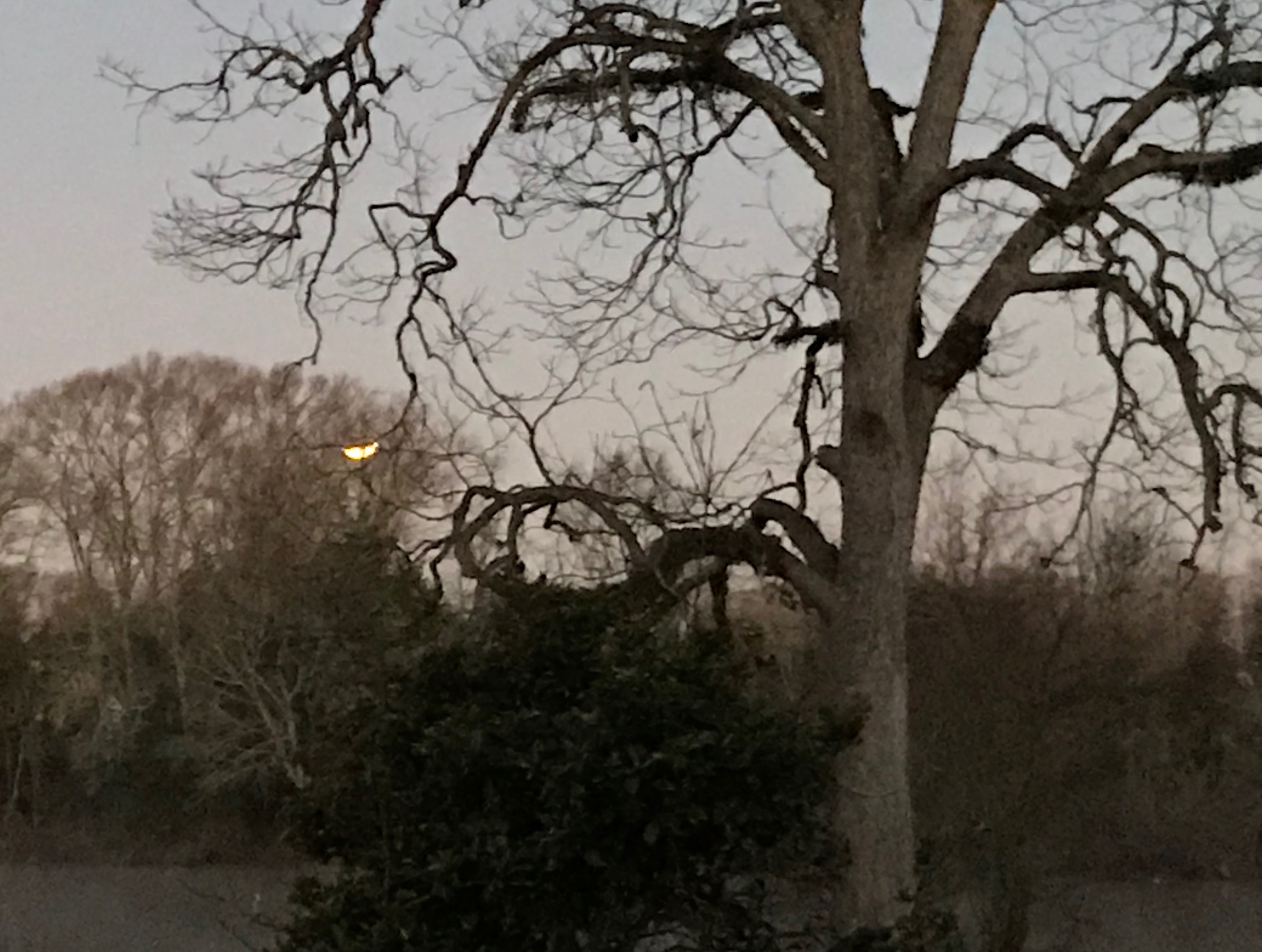
Eclipsed moon hides in the trees.

And here is a draft of a poem I wrote alongside my students.  I wrote two poems and combined them to make draft #3.

We all see the same moon.
All over the world,
Prague, Athens, Rome,
yellow, red, blue
sphere in the night sky.

I walked early this morning
watching the eclipse
of the full supermoon.
Minute by minute,
pieces fell from sight
like a giant hand
turning off the light.

In the shadow of a church steeple,
over desert hills,
setting behind our Lady Liberty,
a super moon eclipsed by our own
planet Earth.

As the moon set below the trees,
I thought of you
far away
seeing the same moon
in the same sky.

Margaret Simon, (draft) 2018

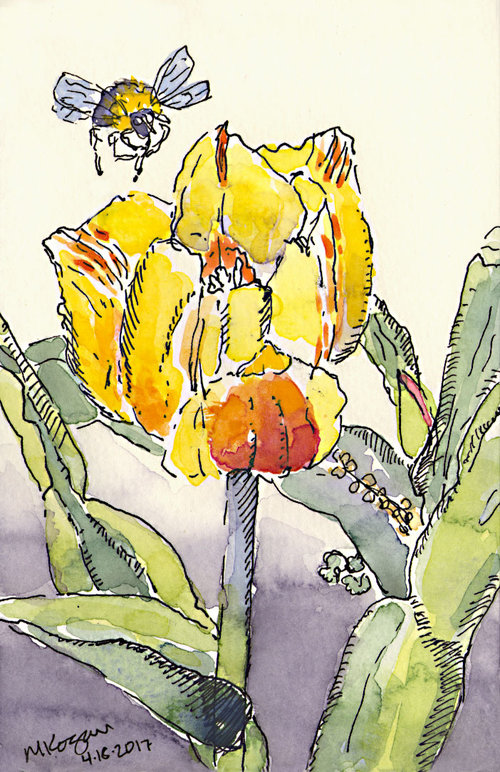
Yesterday I posted “Moon Wisdom” for Spiritual Journey (first) Thursday which included a poem by me around a painting by Michelle Kogan.

My post for #TeachWrite Chat this month is about sustaining a writing life by joining Poetry Friday.  See the post here. 

Read Full Post »

Join the Two Writing Teachers blog for the Slice of Life Challenge.


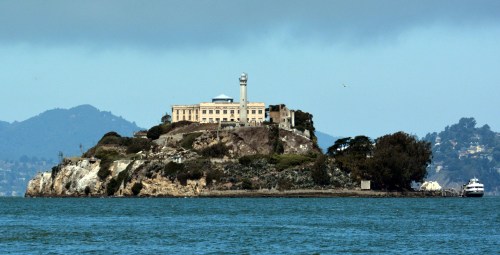
Last week my students and I read together a Scope magazine article titled, “Escape from Alcatraz.”  The title alone was enough to interest my students as well as the images of three fugitives believed to have escaped the highest security prison that ever existed.

Armed with the article and a video from MythBusters, I asked my students to make up their own minds about whether or not the fugitives escaped.  Students worked on rough drafts and by Wednesday were poised at the computers to type up their essays.

Alcatraz_Island_photo_D_Ramey_Logan

Photo from Wikipedia by D. Ramey Logan.

They were still bothered, however, because they didn’t know the truth.  Did the three men escape or not?  Searching for images to put into their blog posts, a student came upon a recent news report, recent as in “3 hours ago.”  We all eagerly gathered around the computer, reading over his shoulders.

A letter allegedly written by one of the escapees recently came to light. CBS San Francisco exclusively obtained it from a source.

“My name is John Anglin. I escape from Alcatraz in June 1962 with my brother Clarence and Frank Morris. I’m 83 years old and in bad shape. I have cancer. Yes we all made it that night but barely!”   

CBS News Jan. 24, 2018


What happens to an essay that has been written and worked on in conferences when new evidence emerges?

Different students responded in different ways.  One student placed the link to the article into his post.  Another changed his whole essay and threw away the rough draft.  Others adjusted and added to what they had already written. And some were not convinced by the evidence.  They kept their original theory.

In a recent blog post by Kate Roberts on The Educator Collaborative, Kate asks these questions: “Is it ever worthwhile to read as a community, to read a text someone else chooses for you, one that you would never read on your own? ”

Like Kate Roberts and many reading workshop gurus, I believe strongly in choice.  But when it comes to nonfiction, experiencing the text as a whole class is engaging and exciting.  Nonfiction encourages more research.  Students push each other, ask questions, and engage in a deeper way when reading nonfiction together.

This week we are reading aloud Poison by Sarah Albee to prepare for a Skype visit with her on Thursday, World Read Aloud Day.  I look forward to discovering where this will lead us.  Keeping kids engaged, wondering, and curious is what teaching is all about.


Read Full Post »

Find more celebration posts at Ruth’s blog.


Early morning on Friday, I read Poetry Friday blog posts.  I read Irene Latham’s post here.  Her prompt suggestion came from a book that I have on my shelf, PoemCrazy by Susan Goldsmith Wooldridge, Chapter 31 “bring me magic.”

Inspired, I grabbed some packs of microwave popcorn and headed to school for Popcorn Poetry Friday!

Even a juice spill couldn’t dampen our poetry spirits.  The prompt calls for a walk outside, but we passed around the object inspiration box I had in the closet.  Each student picked an object to write about.

The instructions: 1. Choose an object; give it a name. 2. What does it look like? 3. Ask the object for a quality or deeper wisdom.

I believe this was the first prompt I’ve used this year that was successful for each student.  I typed each poem into a Google doc and on a whim, sent it to Irene.  Within our two hour class time, she responded.   She wrote a comment of encouragement on each student’s poem.  What a gift! They were thrilled.  Their teacher was thrilled.  Thanks, Irene, for your generosity and kindness.

Austin

Colorful butterfly
inspires the caterpillar
to rise up and fly.
Bring me your inspirational, stress-free life.

Lynzee

Black crayola paintbrush
dark as velvet,
give me your way of bringing color
to any situation
no matter how grey.

Mason

Bald eagle
white and burgundy,
bring me the ability
to soar faster than anyone
even if I mess up.

Andrew

Colorful feather
like the paintings of an artist,
give me a creative mind
like Pablo Picasso.

Trace

A turtle
that swims through the water
as wind does through the air,
bring me hope and peace
in ways as the water flows
through the currents of life.

Dawson

Dear little angel,
give me hope in time of anger and war.
Dear little angel,
enlighten me
with your sparkles and light
that shine so bright
every day and night.

Faith

Discarded flower necklace
connected by the same chain,
bring me your connection.

Like my family
all connected,
bring me gratitude.

Deep inside
a core of happiness,
bring me
your joyfulness.

Erin

Sandy hope
washed up on the shore
of value,
bring me confidence.

Erin extended the writing project and wrote a poem for each of us in the class.  Another amazing gift!  Poetry builds community.


Read Full Post »

Join the Two Writing Teachers blog for the Slice of Life Challenge.

I am a co-moderator with the #TeachWrite chat on Twitter. (Note the graphic on the side bar.) One of my colleagues in this endeavor is Michelle Haseltine.  Michelle put a photo on Facebook of a journal page from one of her students.  The page was filled with the outline of a jar and words and sketches were drawn inside the jar.

I took this idea and presented it to my students with a Brene’ Brown twist from Braving the Wilderness. 

We all have times when we feel lonely.  Have you ever felt alone in a crowd?  Like you just don’t fit in? There’s no one around who sees you or that you connect with.

We all have these times.  But when we do, we can take with us a jar of things that make us feel joy, make us feel safe.  What would be in your jar?

One student jumped up from her seat to draw a jar on the board.  She labelled it “Our Happy Place Jar.”  Her instructions were for everyone to draw one thing from their jar onto our shared jar.  (I love it when kids respond to the lesson with such leadership and participation.)

My students drew a variety of jars.  Some were filled with specific things from our class, Slice of Life, read aloud, computer (blogging), friends.  Others find joy in nature or family or funny memes.  Whatever their choices, they engaged with the idea and filled their jars.

Near the end of the week, Chloe announced, “Even if I have to throw away this journal, I will tear out this page and save it forever!”  That’s what I call Joy!

Mrs. Simon’s Sea

We are fish,
fish swimming through a treacherous sea,

a book,
open and full,

a nest,
a place of warmth,

a pencil and paper
for expression,

and a poem.

by Lynzee, 3rd grade

Austin’s Double E Jar

Andrew’s Rainbow Jar

Read Full Post »

« Newer Posts - Older Posts »