Feeds:
Posts
Comments

Archive for the ‘Teaching’ Category

Discover. Play. Build.

It’s Celebration time! What are you celebrating? Head over to Ruth Ayres’ site to read about other celebrations.

I. A huge thank you to Greg Pincus, author of 14 Fibs of Gregory K, for Skyping with my class…twice. Two groups of my gifted students talked with Greg and learned about the life of an author and how to write Fib poems.

Quotes from their thank you notes:

“Math and poetry are two of my favorite things, so combining them makes my life 10x more enjoyable.” Brooklyn

“You taught us some interesting things about the book like that some things in reality accidentally snuck themselves into your book.” Ian

“I really thought it was nice of you to talk to us, it being 7:00 at your home.” Matthew

“P.S. I would eat 12 donuts before I ate pie (but I still eat it.)” Nigel

“I like how you said humor is the sixth sense because you made a joke out of every question we asked, especially the pie question.” Gage

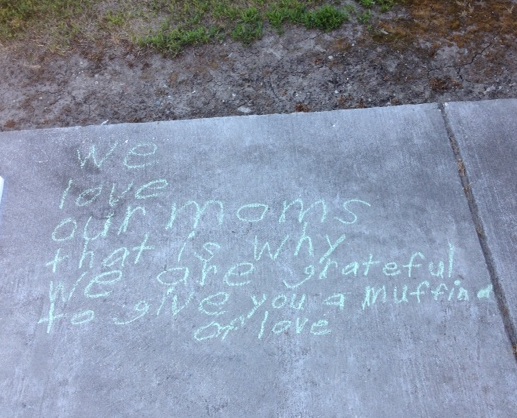
II. My principal asked my students to write chalk poems on the sidewalk for our Mother’s Day celebration, “Muffins with Moms.” So we had another Chalk-a-bration, and following our Skype with Greg Pincus, we had to make them Fib poems!
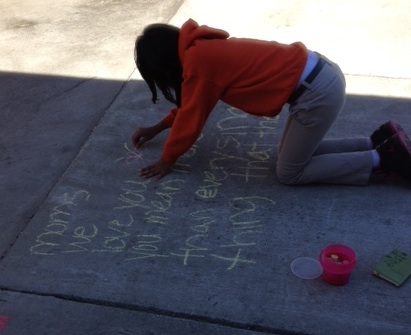
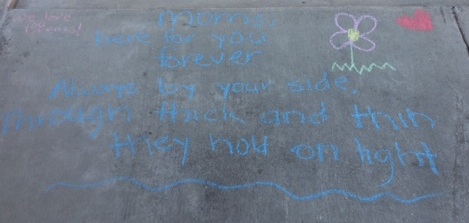
Vannisa chalking
Moms Brooklyn

mothers chalk poetry

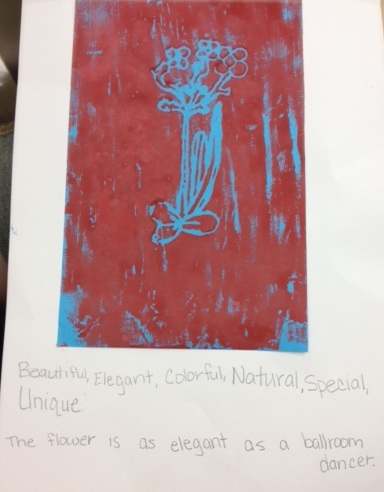
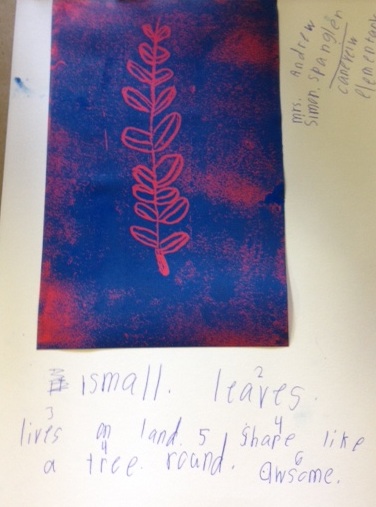
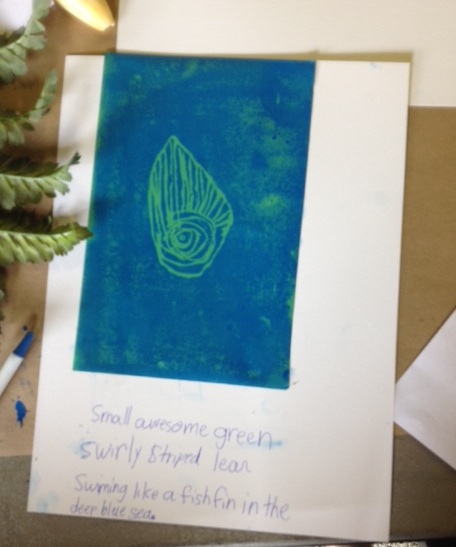
III. This week was our annual Gifted by Nature Day when all the gifted students in the parish gather for a day of playing strategic games and making art and poetry with nature. This year a group of middle school students led the art/writing activity. This was a great relief to us teachers. The activity was great, too. The students drew an object from nature, then retraced it on foam board. This pattern was used for a monoprint on colored construction paper. The students really focused on the details in their drawings.
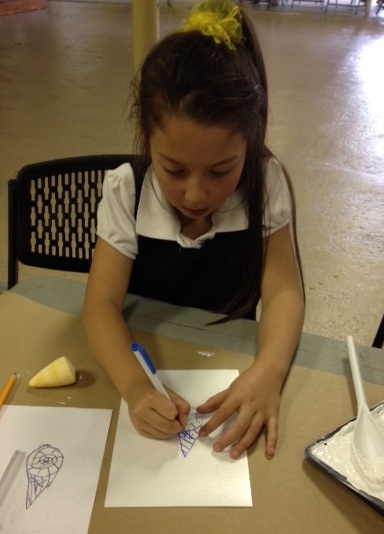
Erin draws

After they made the prints, they wrote 6 adjectives and a metaphor or simile about their print. I told the students these were poems. I thoroughly enjoyed this day watching my students interact with kids from other schools and have so much fun playing and creating. The weather was great, too, so we enjoyed picnicking in the park.

I wanted to take pictures of all of their prints. Here are a few to celebrate!

Andrew drawing

Dancing flower

Andrew's leaf

Reed's poem

Read Full Post »

Poetry Friday Round-up is with Jama at Jama's Alphabet Soup

Poetry Friday Round-up is with Jama at Jama’s Alphabet Soup

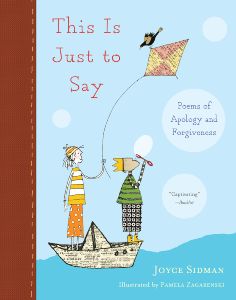
Amidst the season of post tests and field trips, I am still trying to squeeze poetry in to the school day. For the letter G, I decided to teach poems of apology using This is Just to Say: Poems of Apology and Forgiveness by Joyce Sidman. This is a delightful book of poems written by Mrs. Merz’s sixth grade class. Joyce begins this book with the classic apology poem by William Carlos Williams. Can you recite it?

thisisjusttosay

This is Just to Say
I have eaten
the plums
that were in
the icebox

Find the full poem here.

The first character, Thomas, uses this form to write the poem “This is Just to Say/ I have stolen/ the jelly doughnuts/ that were in/ the teacher’s lounge…” to Mrs. Garcia in the office. Mrs. Garcia responds with her own poem ending with “Of course I forgive you./ But I still have to call your mother.”

When my students and I were writing poems of apology, some used the WCW title as first line. I love how this small poem from Kendall expresses a common problem among 6th graders, hurt feelings.

This is just to say
I am sorry for this day
that I have treated you this way
you don’t have to accept my apology but hey
I didn’t mean to offend,
it sort of just slipped out along with shame
I hope you did not take it the wrong way
–Kendall

I gave my poem to my principal to apologize for being late. She said I set the bar for apology notes. The funny thing is many of these things listed actually do happen and do make me late.

Mrs. Heumann , Mrs. Heumann,
I just want to say
I’m sorry for being late today.

The alarm didn’t shout;
the dog got out;

My coffee over-flowed,
while I watched oatmeal explode.

There was a 50 car-train,
a truck hauling sugarcane.

The bridge was open, cars were slowed.
A trash can blew into the road.

The sun in my eyes, oh the glare.
Then a cow, would he dare?

Enough, you say. OK?
Just sorry,
I was late today.
–Margaret Simon, all rights reserved

And Kaylie stopped by the kidblog and saw all the Apolo-G poetry and added her own to her pencil.

I’m sorry, pencil, for dulling your head
Your sharp-tipped graphite point
I’m sorry for gnawing on your side,
My teeth-prints etched in your cedar

I’m sorry, pencil, for tapping your eraser on the desk,
For rubbing on the soft pink curls of your hair
And sweeping them away

I’m sorry for losing you and dropping you and trading you.
I’m sorry for putting your end in the pencil sharpener,
For tossing you away when you got too small.

Pencil, I’m sorry for hurting you all these years.
Will you ever be able to forgive me?

In writing this post, I found Joyce Sidman’s website and a great resource guide for using This is Just to Say in the classroom.

Read Full Post »

IMWAYR
Visit Teach Mentor Texts for more of the Monday reading roundup.

Springtime means reading poetry in my classroom. I put out all of my poetry books. I haven’t counted, but they fill an 8 foot table quite nicely. For today’s It’s Monday: What are you Reading roundup, I wanted to share a new favorite poetry book.

SeedsBees

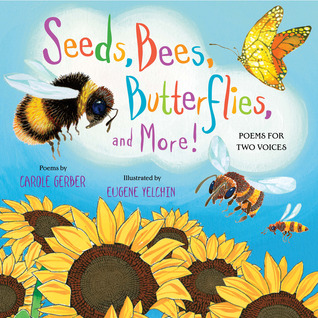
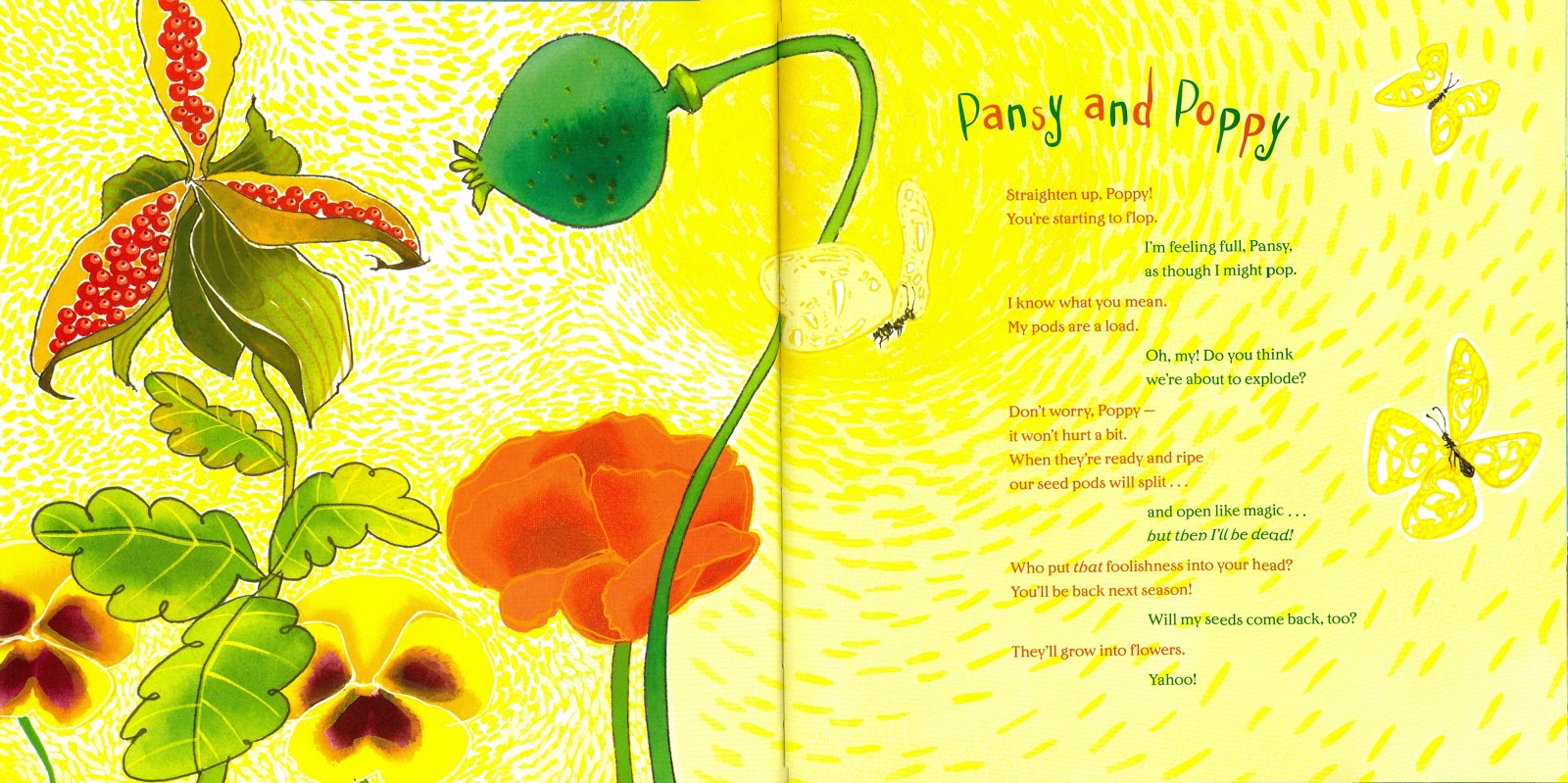
My students, especially the younger ones in grades 2-4, enjoy poetry for two voices. Seeds, Bees, Butterflies, and More! includes poems to be read by two people. I love cuddling up with a student and reading poetry together. Each poem is illustrated beautifully and the text is written in two colors for the two readers. Erin and I read “New Shoot” together and were surprised by the ending when the bunny will eat the new leaf. Matthew and Vannisa loved “Helianthus” and wrote their own poems featured on my blog yesterday.

Pansy and Poppy VBPL

I love when poetry comes together with reading aloud and learning science. This book combines the joy of choral reading with the learning of new facts about seeds, bees, butterflies, and more! We even learn that seeds are dropped in bird “doo.”

Read Full Post »

Please use this button on your site for DigiLit Sunday posts

Please use this button on your site for DigiLit Sunday posts

Tweet with #k6diglit.

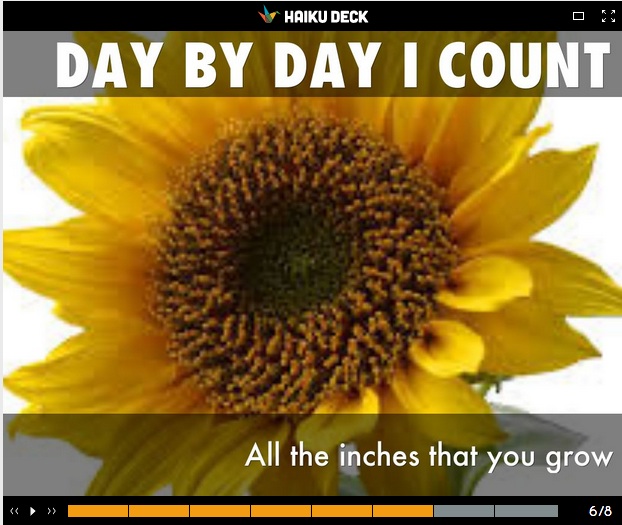
I have had some struggles with using Haiku Deck in my classroom due to the network blocks on our server. I’m sure this is an issue for others as we use new apps in our classrooms. I found a way this week to make it work. The server blocks the images, but not the app. I taught my students about fair use of photos from the Internet. We search images on Google, click on Search Tools, and click on Labeled for reuse. This limits greatly the number of images we can choose from. However, when using a web-based app, I feel it is important to use the images rightly.

The poetry writing exercise included a discussion of imagery and how scientific poems can use imagery to help your reader understand a concept. We looked through poetry books and found model poems that used imagery. We read together the poem Helianthus from Seeds, Bees, Butterflies, and More! by Carole Gerber.
“If saying ‘helianthus’ makes you cower…
use our common name–
Sunflower!”
Vannisa chose to write a haiku about sunflowers. She actually wrote three haikus, so I told her that a long poem using the haiku syllable count is called a Choka.

Vannisa Choka Sunflower

To see the full poem on Haiku Deck, click here.

Inspired by Carole Gerber’s big name poem, Matthew wrote about Charcharodon Carcharias or Great White Sharks. Matthew managed to work in a line he lifted from the book he is reading.

Matthew shark poem

Matthew’s full poem is here:

Read Full Post »

Discover. Play. Build.

Today, I celebrate publishing. I love author and love hanging out with authors, feeling like an author, and making my students feel like authors.

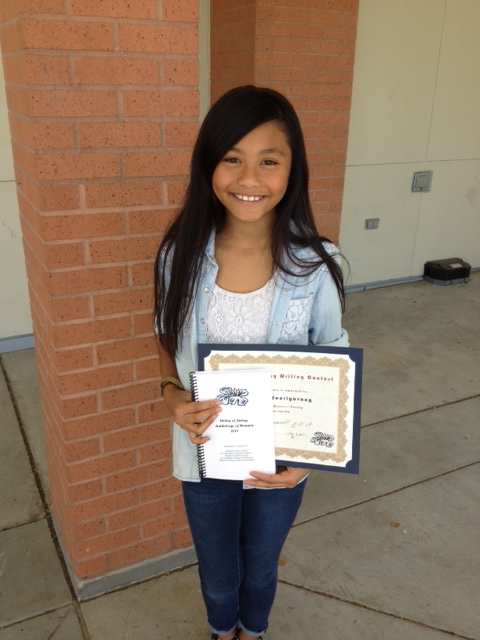
vannisa writes of spring

1. My student, Vannisa, placed 2nd in the Writes of Spring contest sponsored by the Lafayette Public Library. Her poem is published in an anthology of winners.

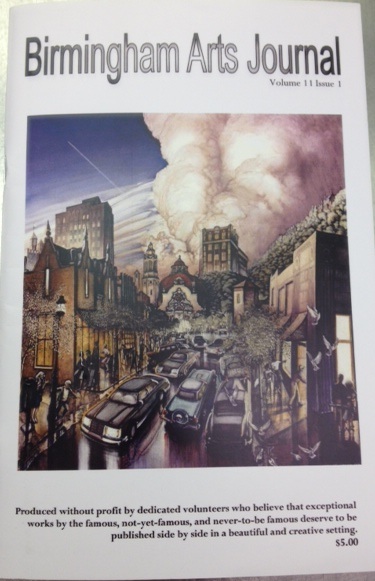
Birmingham Arts Journal
2. My poem, In Blue Veils, was published in the Birmingham Arts Journal. Thanks to Irene Latham for submitting it.

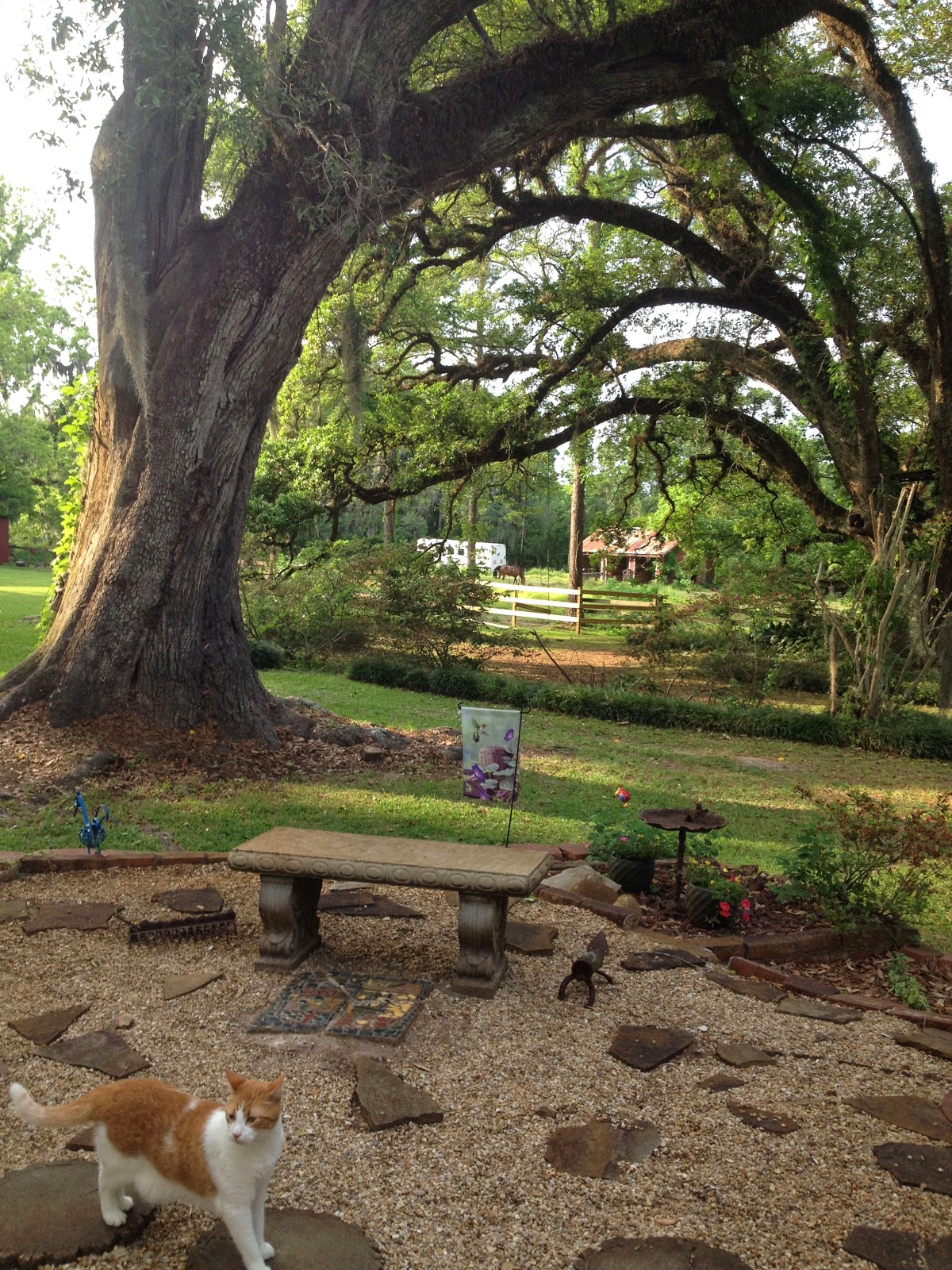
A draping oak at Belmont Plantation.  Photo by Vickie Sullivan.

A draping oak at Belmont Plantation. Photo by Vickie Sullivan.


3. My friends and fellow authors, Diane Moore and Janet Faulk-Gonzales, have published a book together with the theme of porches. Each vignette features a porch of some kind. They held a book signing/reading on one of the most beautiful porches in New Iberia at Belmont Plantation.

A book to delight porch sitters, people who enjoy relaxing and meditating on a small porch or sitting with families and friends on Victorian style verandahs, telling stories and “taking the air.” The vignettes are quaint—some humorous, some tragic—but all incite memories of good times and relaxed hours “just porch sitting.” The cover is a photograph of glasswork rendered by Karen Bourque of Churchpoint, Louisiana, and the text includes eight whimsical illustrations by Paul Schexnayder of New Iberia, Louisiana.

Blood in the Cane Field copy
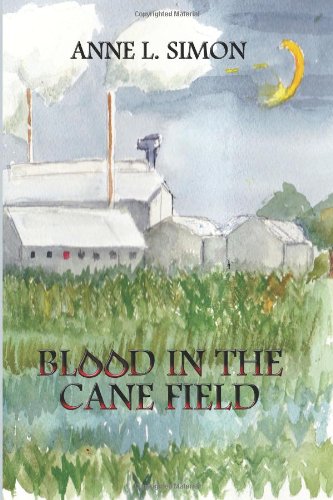
4. My mother-in-law, Anne L. Simon, received her first shipment of her first novel, Blood in the Cane Field. I am so proud of her and will write more about her book. Her book is available on Amazon, a thrilling crime novel set in South Louisiana.

5. Poet Laura Purdie Salas left a comment for one of my students this week on our kidblog site. I am using the book Math Poetry by Betsy Franco with my youngest students. They are loving the writing and blogging. Erin wrote about Pegasus in her addition poem. She was thrilled that a “real author” left her a comment. She said out loud, “I am famous!” You can read their wonderful poems on our kidblog site.

Read Full Post »

Join the Chalk-a-bration over at Teaching Young Writers.

Join the Chalk-a-bration over at Teaching Young Writers.

Kendall chalking

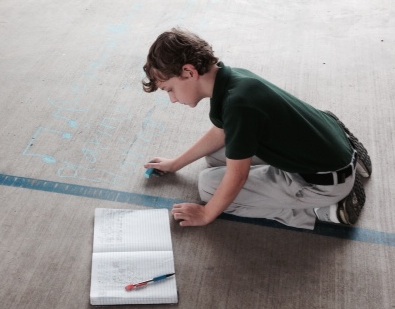
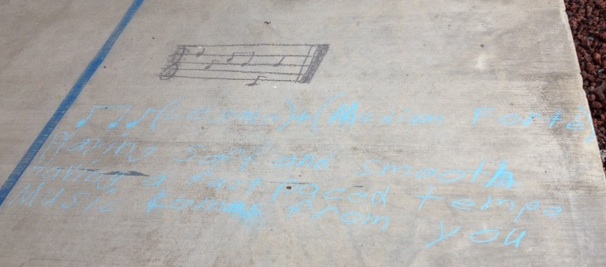
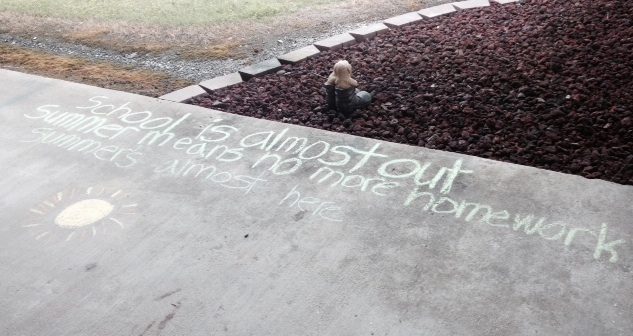
Believe it or not, it’s the last day of April and the last day I will be posting Chalk-a-bration with this year’s bunch. I hope they will participate from home over the summer, though. My principal enjoys our chalking-up-the-sidewalks-with-poetry so much that she has asked us to decorate the walkways for the mother’s breakfast, “Muffins with Mom,” next week.

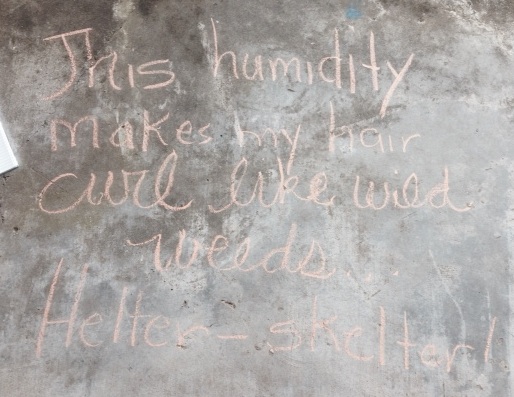
As we continue to work our way through the ABC’s of poetry, we have landed on H, and what better form to use for chalketry than haiku. We should coin the term, “Chalku.” Lots of different thoughts going on today. I was thinking about the humidity that has moved in thick and warm; the cold weather has definitely moved on. Vannisa is thinking about the end of school and summer coming. Kendall responded to music I played. I love the variety of ideas as much as the consistency of form.

This humidity makes my hair curl like wild weeds, all helter-skelter.   by Margaret Simon

This humidity
makes my hair curl like wild weeds,
all helter-skelter.
by Margaret Simon

Playing soft and smooth having a fast-paced tempo. Music comes from you. by Kendall

Playing soft and smooth
having a fast-paced tempo.
Music comes from you.
by Kendall

School is almost out. Summer means no more homework. Summer's almost here. by Vannisa

School is almost out.
Summer means no more homework.
Summer’s almost here.
by Vannisa

Read Full Post »

  Join the Two Writing Teachers Slice of Life Challenge.

Join the Two Writing Teachers Slice of Life Challenge.

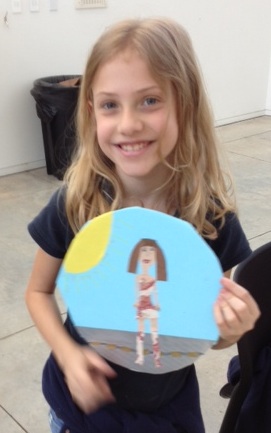
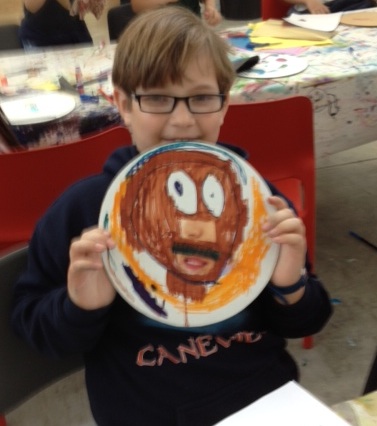
Recently, we took our youngest gifted students (grades 1-3) on a field trip to the Acadiana Center for the Arts. There they viewed an exhibit of portraits called FaceTime. We planned an art and poetry activity to enrich the experience. The gallery allowed us to use a workshop room for this activity. We had gathered magazine cut outs of facial features, different colors and textures of paper, and fabric samples. We used cardboard circles for their portraits and encouraged the students to fill the space.

For young students to write a successful poem, a fill-in-the-blank form works well. I adapted a mask poem form. You can download and use the form here. A Portrait Mask Poem

This was a fun learning experience for all of us. Unfortunately, art and creativity are taking a backseat these days in most classrooms. I am happy we were able to provide this experience for our students.

I am a girl. I am as yellow as a daffodil. I am curved like a cheerleader. I dance. I am feeling cheery. I wonder if I could join cheerleading. I can sing. I am a girl. by Emily

I am a girl.
I am as yellow as a daffodil.
I am curved like a cheerleader.
I dance.
I am feeling cheery.
I wonder if I could join cheerleading.
I can sing.
I am a girl. by Emily

I am big foot. I am as brown as mud. I am round like an apple. I scare people. I am happy. I wonder if I will be found. I scare people. I am big foot.    By Tobie

I am big foot.
I am as brown as mud.
I am round like an apple.
I scare people.
I am happy.
I wonder if I will be found.
I scare people.
I am big foot.
By Tobie

Read Full Post »

IMWAYR

In yesterday’s DigiLit Sunday post, I talked about joining in this weekly round-up, It’s Monday: What are you Reading? I dreamt about it all night, so I guess the time is now to join in. The round-up can be found at Teach Mentor Texts.

OneThousand

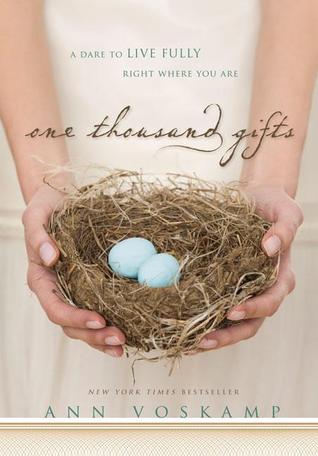
For my spiritual life, I am currently reading the memoir of Amy Voskamp. I am enjoying her fresh language and her real struggle to find joy in every day. She makes a list of 1000 gratitudes. In making the list, she discovers joy in giving thanks and encourages, through her real experience, us to do the same.

14 Fibs

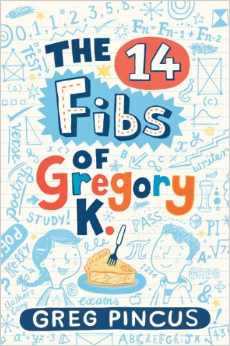
I am reading 14 Fibs of Gregory K in preparation for a Skype visit with Greg Pincus next month. My boys enjoyed this book. In Gregory K, we have a boy in a family of mathematicians who is a writer. Each chapter begins with a clever Fib poem. Greg Pincus invented the form using the Fibonacci series as syllable counts. This is a great form to use with students. Greg’s debut novel is as clever as he is, but somehow his character just keeps getting deeper and deeper into a fib of his own. I am looking forward to visiting with Greg soon.

My own Fib poem, which is completely true.

We
find
magic
when poems
reveal inner truth
and breathe out a sigh of Ah, yes!

–Margaret Simon

Today, I am the guest blog post at Laura Shovan’s Author Amok. For poetry month, she asked writers to submit a n essay about a source poem. I wrote about a professional struggle that ended in my discovery of myself and Mary Oliver’s wisdom in “Wild Geese.” It was harder than I thought it would be to let this go public. I want to thank Laura for her continued encouragement and inspiration to me as a writer.

Read Full Post »

Join the Poetry Friday round-up is hosted today by Robyn Hood Black at Life on the Deckle Edge.

Join the Poetry Friday round-up is hosted today by Robyn Hood Black at Life on the Deckle Edge.

My celebration of National Poetry Month with my students has been interrupted many times by testing, field trips, and now spring break, but this week I had a few days to work with my youngest students, grades 1-3, on origami and poetry.

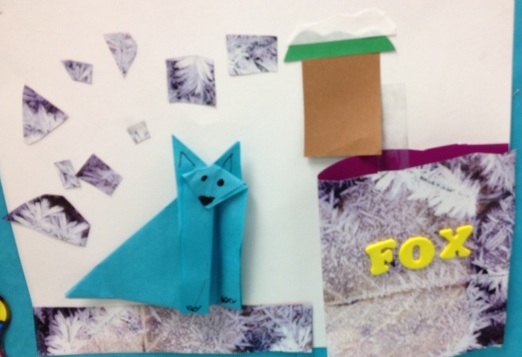
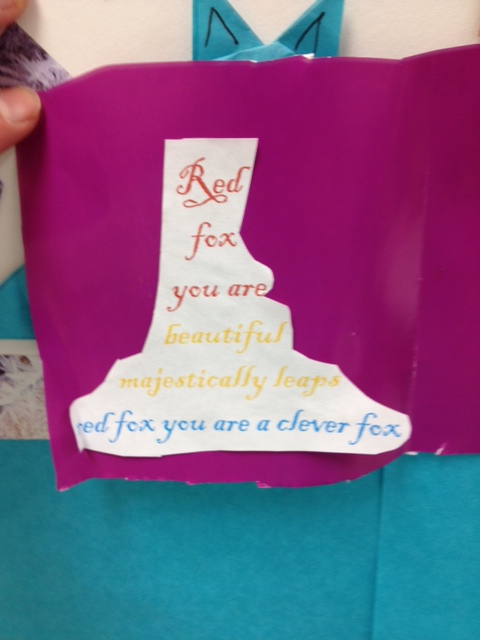
In a teacher workshop last week, I learned how to make an origami fox. I brought the activity to my little ones and we wrote Fib poems about foxes. A Fib poem follows a syllable count that corresponds to the first 6 numbers of the Fibonacci series, 1,1,2,3,5,8.

Here is Erin’s. She put her origami fox in a snow scene and made the poem appear in a flip-open book.

Origami fox in snow

Origami fox in snow

Fib poem by Erin.

Fib poem by Erin.

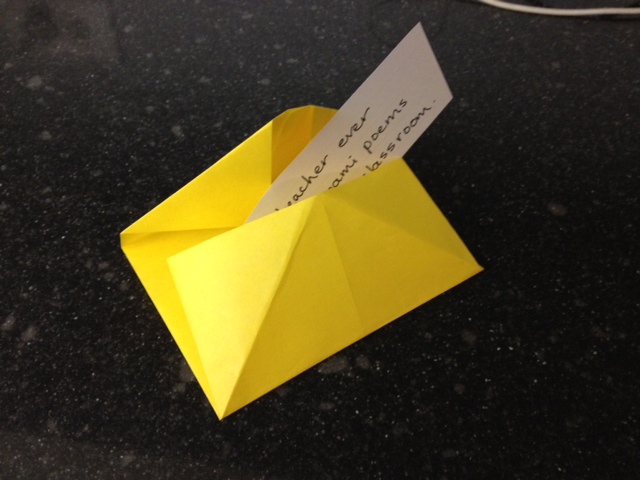
On Thursday, we made origami envelopes, read I Haiku You, and wrote love haiku. Some favorite teachers are going to be very happy.

Best teacher ever
makes origami poems
shine in the classroom.

origami envelope

Read Full Post »

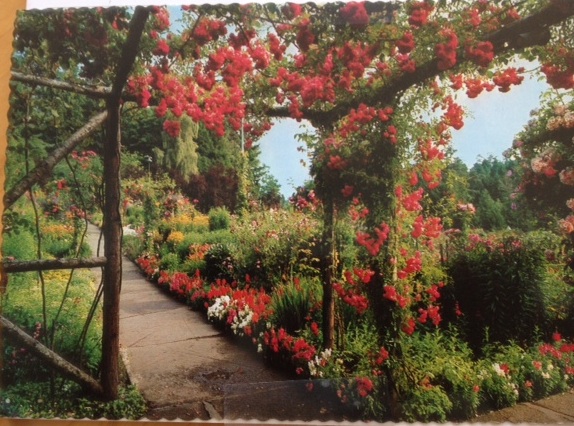
Butchart Gardens vintage postcard, Victoria, B.C., Canada. Photo by John L. Barnard

Butchart Gardens vintage postcard, Victoria, B.C., Canada. Photo by John L. Barnard

Once again the postcards Laura Shovan sent me, along with Pantone colors, inspire my writing. This postcard shows the Rose Garden at Butchart Gardens in Victoria, B.C., Canada. The postcard states that the gardens were once an abandoned quarry. A quick Google search found that they are still blooming today, “over 100 years in bloom.”

Butchart Garden Haiku

Red fiesta blaze
arching overhead, a wreath
crowns this sanctuary.

–Margaret Simon, all rights reserved

On Laura’s blog, writers are sharing their source poems. Diane Mayr wrote about the haiku in this post.

Read Full Post »

« Newer Posts - Older Posts »